
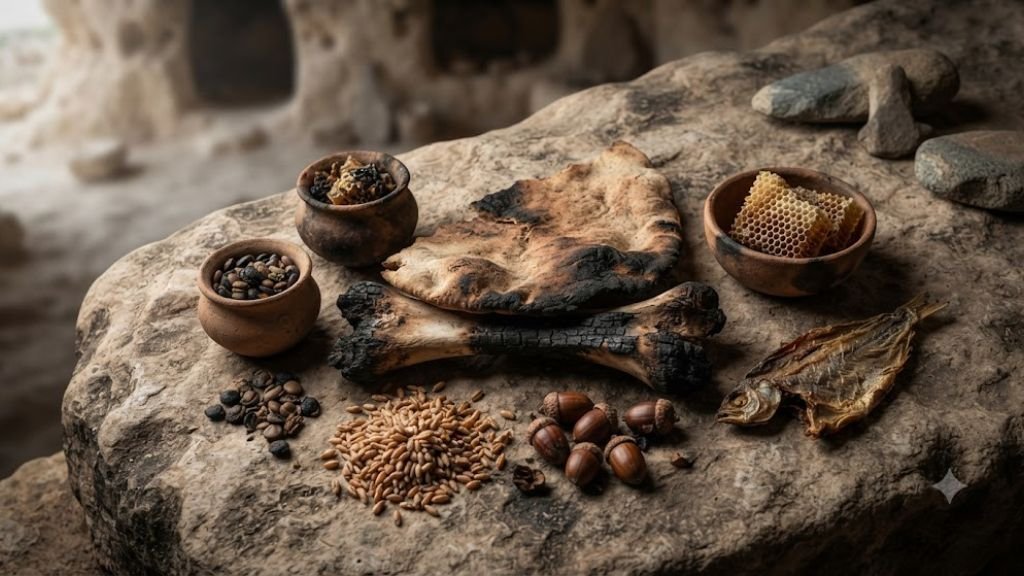
Have you ever wondered what people ate thousands of years ago, or which foods have survived from ancient times until today? Many people ask, “What is the oldest food in the world?” and the answer takes you on a fascinating journey through archaeology, chemistry, and human history. Ancient civilizations left behind surprising clues in tombs, caves, and buried settlements, and these clues reveal how far back certain foods truly go.
This article explores the history behind the oldest food in the world, the archaeological evidence scientists have uncovered, and what these ancient discoveries reveal about early human life. By the end, you will understand exactly which foods claim this title and why they have lasted for thousands of years.
Why People Ask What Is the Oldest Food in the World
Curiosity about ancient diets connects us to our ancestors in a personal way. When researchers ask what is the oldest food in the world, they are not just chasing trivia; they are trying to understand how early humans survived, traveled, and built civilizations. Food preservation, trade routes, and farming techniques all leave traces that archaeologists can study today.
Moreover, understanding ancient food helps scientists learn how nutrition shaped human evolution. Early diets influenced brain development, physical strength, and even social structures. As a result, the question of what is the oldest food in the world carries real scientific weight, not just historical curiosity.
How Archaeologists Discover Ancient Food
Archaeologists rely on several methods to identify ancient food remains. They excavate tombs, analyze pottery residue, and study preserved organic material found in extreme environments like deserts or ice. Additionally, chemical analysis reveals fat residues, plant fibers, and even microscopic food particles trapped in ancient containers.
Radiocarbon dating plays a crucial role in this process. Scientists measure the decay of carbon isotopes within organic material, and this technique allows them to estimate how old a food sample truly is. Consequently, researchers can confidently answer what is the oldest food in the world by combining physical evidence with precise dating methods.
Honey: One of the Oldest Preserved Food In The World
When people ask what is the oldest food in the world, honey often comes up first. Archaeologists discovered pots of honey inside Egyptian tombs dating back over 3,000 years, and remarkably, the honey remained edible. This happens because honey contains very little water and naturally acidic properties, which prevent bacteria and microorganisms from growing.
In addition, ancient Egyptians valued honey for both food and medicine. They used it in religious offerings, healing remedies, and everyday cooking. Because honey essentially never spoils under proper storage conditions, it stands as one of the most remarkable answers to what is the oldest food in the world.
Bread: Evidence From 14,000 Years Ago
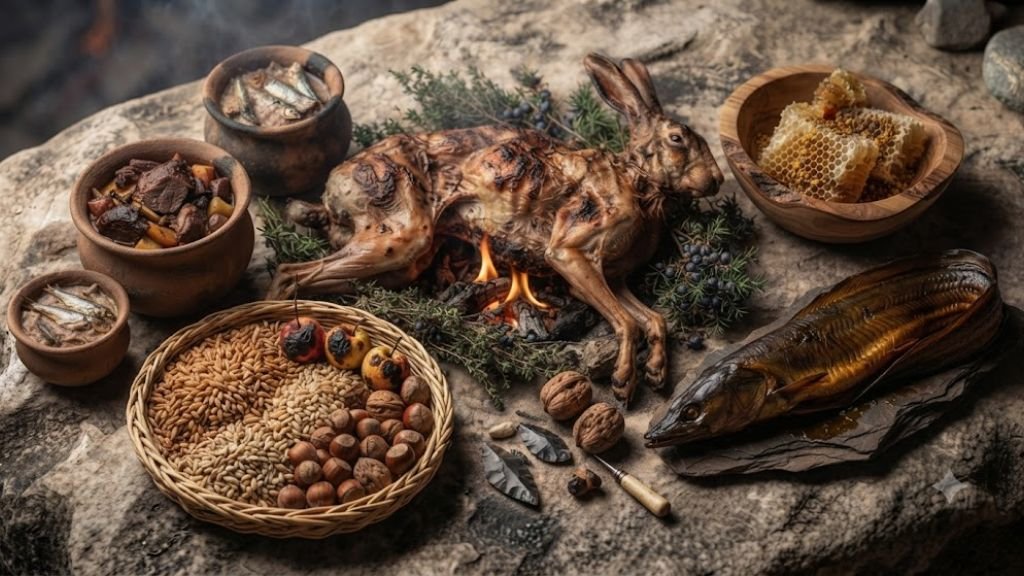
Bread offers another compelling answer to what is the oldest food in the world. Archaeologists uncovered charred bread crumbs at a site in Jordan dating back approximately 14,400 years, long before humans developed formal agriculture. This discovery surprised researchers, since it suggested that hunter-gatherers baked bread before they ever started farming grain.
The ancient bakers ground wild wheat and barley into flour, mixed it with water, and cooked it over an open fire. This finding reshaped how historians understand early human diets. Therefore, bread remains one of the strongest contenders when people search for what is the oldest food in the world.
What Is the Oldest Food in the World? Cheese Traces From Ancient Pottery
Cheese also appears frequently in discussions about what is the oldest food in the world. Scientists found dairy fat residue on pottery fragments in Poland dating back roughly 7,500 years, suggesting early farmers processed milk into cheese. This process likely helped ancient people digest dairy more easily, since many adults could not tolerate raw milk without discomfort.
Cheesemaking also allowed communities to preserve milk for longer periods, which proved essential before refrigeration existed. As farming spread across Europe and Asia, cheese production techniques evolved alongside it. This evidence strengthens cheese’s claim as an early answer to what is the oldest food in the world.
Other Ancient Foods Worth Mentioning Among the Oldest Food in the World
Beyond honey, bread, and cheese, several other foods have ancient origins worth exploring.
- Salt: Used for preservation and trade since prehistoric times
- Wine: Evidence from Georgia dates winemaking back roughly 8,000 years
- Noodles: A 4,000-year-old bowl of noodles was discovered in China
- Olive oil: Pressed and used in the Mediterranean for thousands of years
- Dried fruit: Figs and dates preserved through natural drying methods
Each of these foods offers a unique perspective on what is the oldest food in the world, since preservation methods varied widely across different regions and climates.
How Ancient Foods Survived for Thousands of Years
Several factors explain why certain foods survived so long, allowing researchers to study them today. Dry climates, sealed containers, and low-moisture environments all played a role in preservation. For instance, Egypt’s arid desert conditions helped preserve honey, grains, and other organic materials remarkably well.
Additionally, some foods naturally resist bacterial growth due to their chemical properties. Honey’s low moisture content and acidity prevent spoilage, while salt draws moisture out of food, which also inhibits bacterial growth. Because of these natural preservation qualities, certain foods became lasting answers to what is the oldest food in the world.
What Ancient Foods Reveal About Early Civilizations
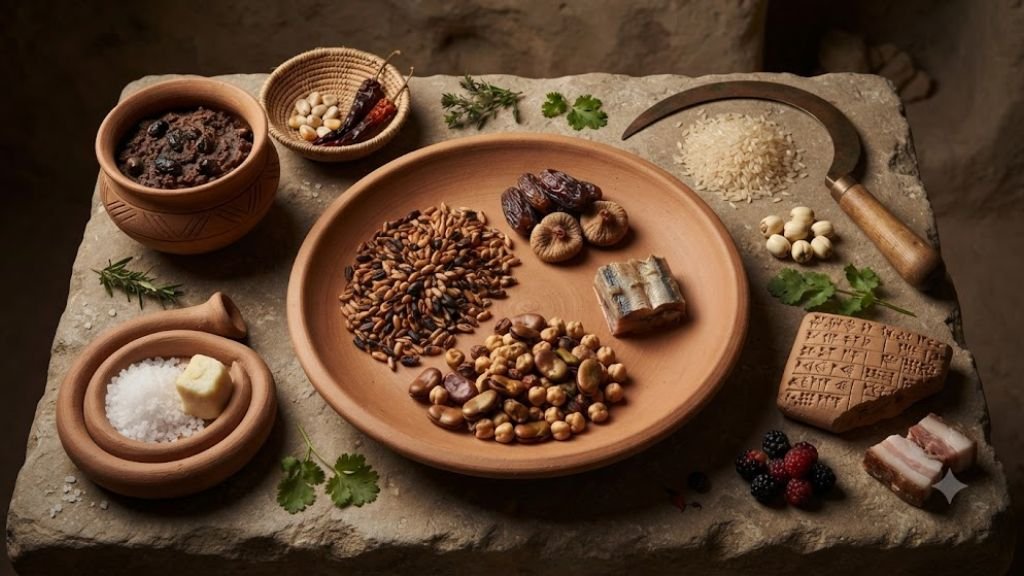
Studying ancient food does more than answer a trivia question; it reveals how early societies functioned. Bread evidence in Jordan showed that complex food preparation existed before agriculture, which challenged previous assumptions about human development. Similarly, cheese residue in Poland demonstrated how early farmers adapted to new food sources.
Furthermore, trade routes for salt, wine, and spices show how ancient economies connected distant regions. Communities that mastered food preservation gained advantages during long journeys, harsh winters, and unpredictable harvests. Therefore, exploring what is the oldest food in the world offers valuable insight into human ingenuity and adaptation.
Modern Foods With Ancient Roots
Many foods people eat today trace back thousands of years, even though preparation methods have changed significantly. Bread, cheese, and honey remain staples in kitchens worldwide, connecting modern diets to ancient traditions. Wine continues to hold cultural and social significance, much like it did in ancient Georgia and Mesopotamia.
Understanding these connections helps people appreciate everyday meals in a new light. Next time you spread honey on toast or pour a glass of wine, you are participating in a tradition that spans thousands of years. This continuity makes the question of what is the oldest food in the world feel personal and relevant, rather than purely academic.
Conclusion
The search for what is the oldest food in the world leads through fascinating archaeological discoveries, from Egyptian honey pots to ancient bread crumbs found in Jordan. Each discovery reveals how early humans adapted to their environment, developed preservation techniques, and built the foundations of modern cuisine. Honey, bread, cheese, and wine all offer compelling evidence, and together they paint a rich picture of humanity’s culinary history.
If this journey through ancient food history has sparked your curiosity, consider exploring local museums, archaeological exhibits, or historical cookbooks to learn even more. Understanding what is the oldest food in the world connects you to thousands of years of human creativity, resilience, and shared tradition.
FAQS
1. What is the oldest food in the world? Honey found in Egyptian tombs remains edible after thousands of years, making it one of the oldest known foods.
2. How old is the oldest bread ever discovered? Archaeologists found charred bread remains in Jordan dating back approximately 14,400 years.
3. Why does honey never spoil? Honey’s low moisture content and natural acidity prevent bacteria from growing.
4. Is cheese one of the oldest foods in the world? Yes, dairy residue found on ancient pottery in Poland dates cheese production back roughly 7,500 years.
5. How do scientists determine the age of ancient food? Scientists use radiocarbon dating to measure carbon decay and estimate the age of organic food remains.