
Kosher food follows a set of dietary laws rooted in Jewish tradition, and it shapes what millions of families eat every day. Many people encounter these foods at the grocery store without fully understanding what the label actually means. If you’re interested in traditional holiday meals, you can also explore our Easter food guide. Moreover, the growing popularity of kosher products among non Jewish consumers has sparked curiosity about the rules behind them. In this article, we will explore the meaning of kosher food, its core principles, and why it continues to matter in modern life. Whether you are new to the concept or simply want a deeper understanding, this guide covers everything you need to know.

What Does Kosher Food Actually Mean?
The word “kosher” comes from the Hebrew term kosher, which means fit or proper. these foods, therefore, refers to items that comply with Jewish dietary law, known as kashrut. These laws determine which foods are permissible, how they must be prepared, and how they should be combined during meals. Consequently, these foods is not simply about avoiding certain ingredients; it also involves specific preparation methods and strict supervision.
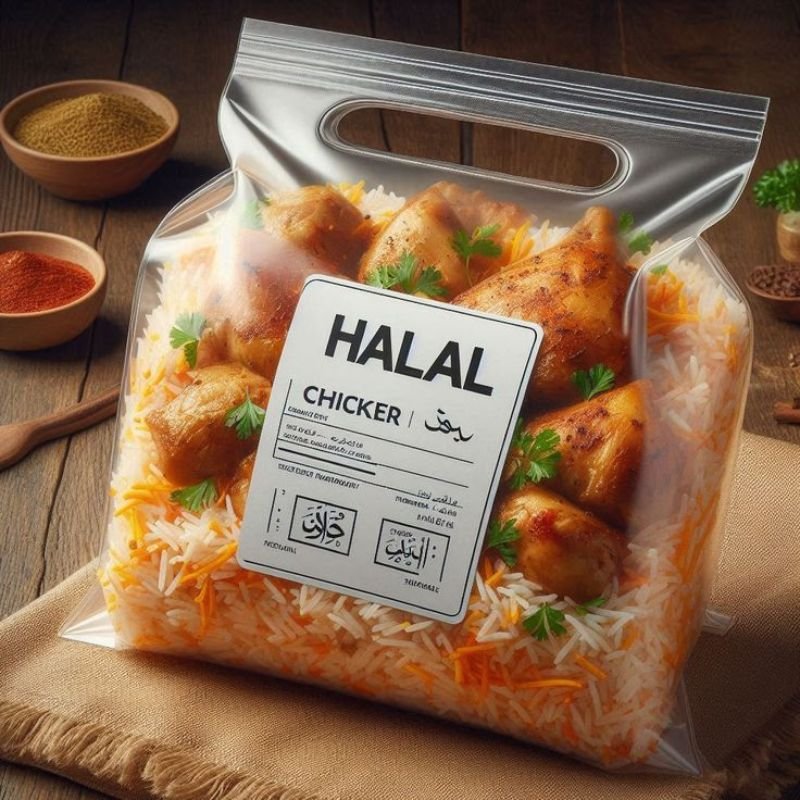
Additionally, kosher certification agencies inspect production facilities to confirm that food meets these standards. As a result, consumers often look for a certification symbol on packaging before making a purchase. This symbol assures buyers that the product has passed through a verified process from start to finish.
The Core Principles Behind Kosher Food
Several fundamental rules define kosher food, and understanding them helps clarify why certain products carry certification while others do not.
Permitted and Forbidden Animals
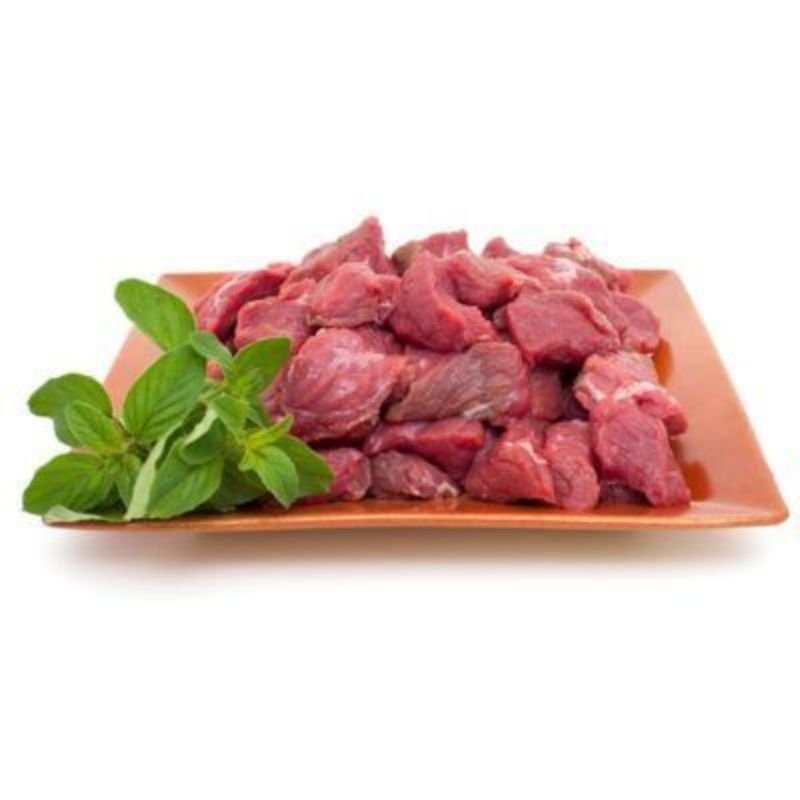
Kosher foodthese foodsand goats. Meanwhile, pigs and rabbits fall outside this category and remain forbidden. For seafood, only creatures with both fins and scales qualify as kosher, so shellfish like shrimp and lobster do not meet the requirement. Birds of prey are also excluded, while poultry such as chicken and turkey generally qualify.
Proper Slaughter and Preparation
Kosher food requires animals to undergo a specific slaughtering method called shechita. A trained individual, known as a shochet, performs this process using a sharp blade to ensure a quick and humane death. Furthermore, the meat must be salted and soaked to remove blood, since Jewish law prohibits consuming blood in any form. This step distinguishes kosher meat preparation from conventional methods used elsewhere.
Separation of Meat and Dairy
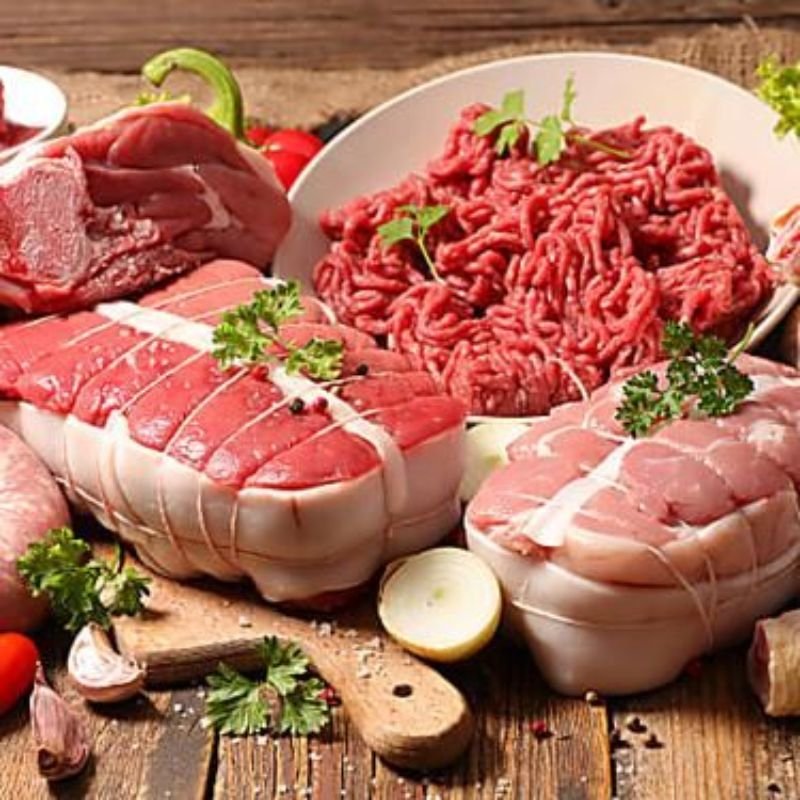
Perhaps the most distinctive rule of these foods involves the separation of meat and dairy products. Observant individuals avoid mixing these two categories, and they often use separate utensils, cookware, and even dishwashers for each. In fact, many kosher kitchens maintain two completely different sets of dishes to prevent any cross contact. After eating meat, individuals typically wait several hours before consuming dairy, though the exact waiting period varies by tradition.
Pareve Foods
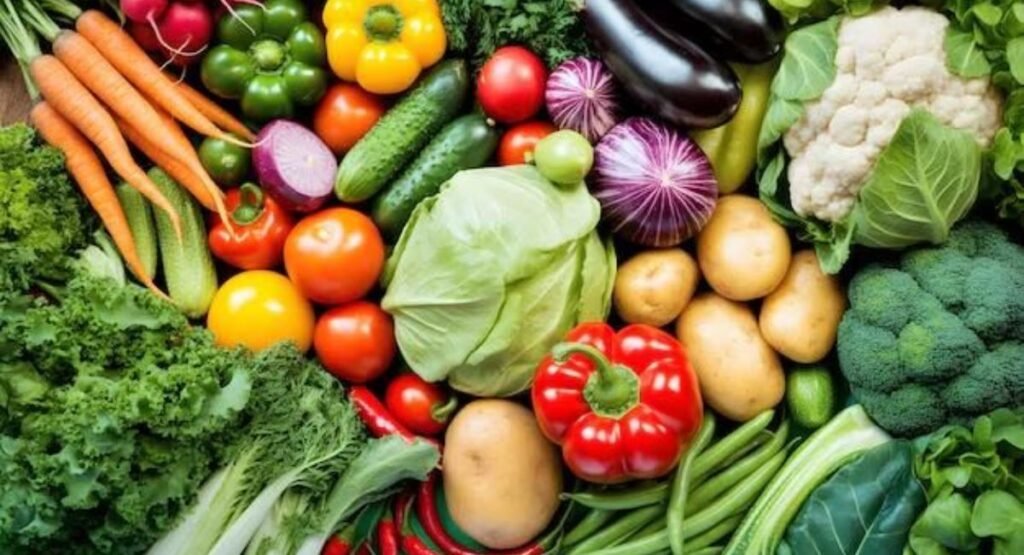
Not every food falls into the meat or dairy category. Items such as fruits, vegetables, grains, and eggs are considered pareve, meaning neutral. Therefore, pareve foods can be eaten with either meat or dairy meals without violating these foods guidelines. This flexibility makes pareve ingredients especially useful in kosher cooking, since they bridge the gap between the two restricted categories.
Why People Choose Kosher Food
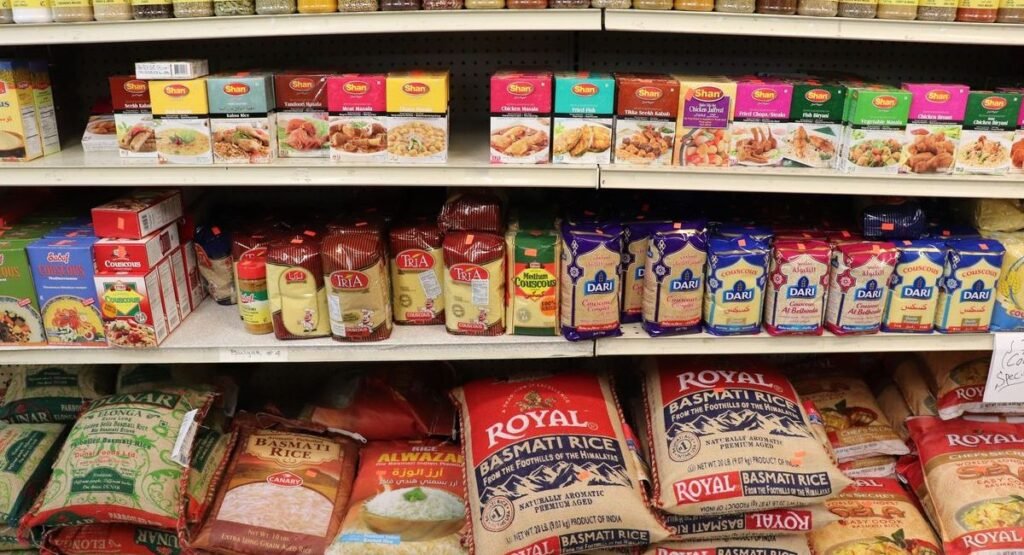
Interestingly, these foods appeals to a much broader audience than just those who observe Jewish dietary law. Many consumers select kosher products for reasons unrelated to religion, and this trend continues to grow across supermarkets worldwide.
Perceived Quality and Cleanliness
Some shoppers associate kosher food with higher hygiene standards because of the rigorous inspection process involved. Since certification agencies monitor every stage of production, buyers often feel more confident about the safety and cleanliness of these products. Although kosher certification does not technically guarantee superior nutrition, the added scrutiny reassures many consumers.
Dietary Restrictions and Allergies
Because these foods clearly separates meat and dairy, individuals with lactose intolerance or certain allergies find it easier to identify safe products. For instance, a pareve label instantly signals that a product contains no dairy, which simplifies shopping for people managing specific dietary needs. Consequently, kosher labeling serves as a helpful reference point beyond its original religious purpose.
Vegetarian and Vegan Considerations
Vegetarians sometimes turn to these foods labeling to avoid animal derived ingredients they might otherwise overlook. Since pareve items exclude both meat and dairy, they often align closely with vegetarian or vegan preferences. However, buyers should still verify individual ingredients, since pareve does not automatically mean vegan.
Cultural and Religious Observance
Naturally, many people follow these foods practices as a core part of their religious identity. For observant Jewish families, keeping kosher connects daily life to centuries of tradition and community practice. Beyond personal observance, these foods also plays a central role in religious holidays, synagogue events, and family gatherings.
How Kosher Food Is Certified

Certification transforms an ordinary product into a verified kosher food item, and the process involves several careful steps.
Inspection and Supervision
Certification agencies send trained inspectors, called mashgichim, to oversee production facilities. These inspectors examine ingredients, equipment, and preparation methods to confirm compliance with kosher food standards. Since even trace amounts of non kosher substances can disqualify a product, this supervision remains thorough and ongoing.
Recognizable Certification Symbols
Once a product passes inspection, it receives a certification symbol, which typically appears on the packaging. Common symbols include the OU, OK, and Star-K marks, each representing a different certifying organization. Shoppers rely on these symbols to quickly identify these foods without needing to research every ingredient individually.
Passover Certification
During Passover, additional restrictions apply, since leavened grain products become forbidden for the holiday’s duration. As a result, some products carry a separate “Kosher for Passover” label to indicate compliance with these stricter seasonal rules. This distinction shows how these foods standards can shift depending on the time of year.
Common Misconceptions About Kosher Food
Despite its popularity, several myths continue to surround these foods, and clearing them up helps consumers make more informed choices.
Myth: Kosher Food Is Blessed by a Rabbi
Many people assume a rabbi blesses each item to make it kosher, but this is not accurate. Instead, kosher status depends on ingredients, preparation methods, and supervised production, not a religious blessing. Rabbis and trained supervisors do play a role, but their job involves inspection and certification rather than blessing.
Myth: Kosher Food Is Automatically Healthier
While some assume these foods is inherently more nutritious, certification actually says nothing about calories, fat content, or overall health value. A kosher certified cookie, for example, can still contain high amounts of sugar and processed ingredients. Therefore, shoppers should always check nutritional labels separately from kosher certification.
Myth: All Jewish People Keep Kosher
Observance levels vary widely within Jewish communities, and not everyone follows these foods guidelines strictly. Some individuals keep kosher only at home, while others observe it only during specific holidays. This diversity reflects the personal and cultural nature of religious practice.
Popular Kosher Food Products Today

The kosher food market has expanded dramatically, and it now includes everything from snacks to gourmet meals. Supermarkets stock kosher certified cereals, sauces, frozen dinners, and baked goods alongside conventional options. If you’re looking for simple morning meals, explore our Breakfast Ideas for more inspiration. Additionally, many restaurants now offer kosher menus to accommodate a wider range of customers. Online retailers have also made kosher food more accessible, allowing shoppers to order specialty items that were once difficult to find locally.
Furthermore, kosher wine has gained recognition among wine enthusiasts, since it follows specific production guidelines involving supervised handling. Similarly, kosher meat delivery services have grown in popularity, offering convenience to families who previously relied on specialty butchers. As demand increases, food manufacturers continue investing in kosher certification to reach this expanding customer base.
Tips for Buying and Cooking Kosher Food

If you are new to kosher food, a few practical tips can make the transition smoother.
First, always check for a recognized certification symbol before assuming a product qualifies as kosher. Second, separate your cookware if you plan to prepare both meat and dairy dishes, since cross contact can compromise kosher status. Third, read ingredient labels carefully, since hidden additives sometimes include non kosher components like gelatin or certain flavorings. Finally, consult reliable these foods guides or certification agency websites whenever you feel uncertain about a specific product.
Cooking these foods at home does not require dramatic changes to your usual recipes. Instead, small adjustments, such as choosing pareve substitutes or organizing your kitchen into separate zones, can help you maintain compliance without sacrificing flavor or variety.
The Growing Global Demand for Kosher Food

Interest in kosher food continues to rise across the globe, and this growth extends well beyond Jewish communities. Manufacturers increasingly view kosher certification as a valuable marketing tool, since it appeals to health conscious consumers, vegetarians, and individuals with food allergies. Meanwhile, international trade has made kosher products more available in regions where they were once scarce.
As global food systems become more interconnected, kosher food standards also influence broader conversations about food safety and transparency. Consumers today want to know exactly what goes into their meals, and kosher certification offers one clear framework for that kind of accountability. Ultimately, this demand shows no signs of slowing down, and kosher food will likely remain a significant presence in the global marketplace for years to come.
Conclusion
Kosher food represents far more than a dietary restriction; it reflects a detailed system of tradition, supervision, and intentional preparation. From the separation of meat and dairy to the careful certification process, every aspect of these foods serves a specific purpose. Whether you follow these guidelines for religious reasons or simply appreciate the quality assurance behind certified products, understanding these foods opens the door to a richer appreciation of what ends up on your plate. As demand continues to grow worldwide, these foods will undoubtedly remain a meaningful and relevant topic for years to come.
FAQs
1. What makes food officially kosher?
Food becomes kosher when it meets Jewish dietary law regarding permitted ingredients, preparation, and supervised certification.
2. Can non Jewish people eat kosher food?
Yes, anyone can eat kosher food, and many people choose it for quality, allergy, or dietary reasons.
3. Why can’t meat and dairy be mixed in kosher food?
Jewish dietary law prohibits combining meat and dairy, so kosher food keeps these categories completely separate.
4. What does the term “pareve” mean in kosher food?
Pareve refers to neutral foods, like fruits and vegetables, that contain no meat or dairy ingredients.
5. How can I identify kosher food at the store?
You can identify kosher food by looking for an official certification symbol printed on the product packaging.