
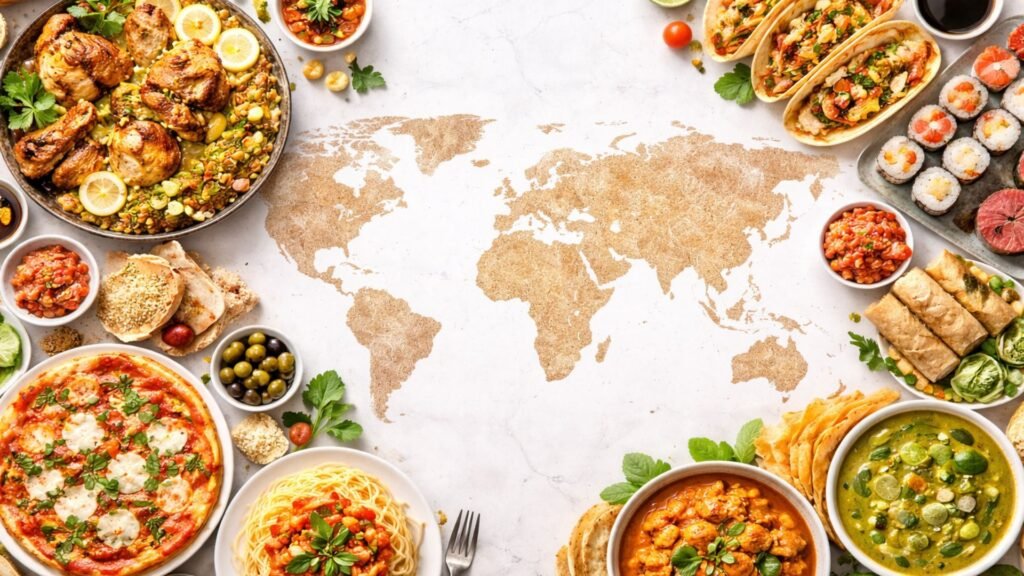
In recent years, the demand for gluten free food has increased significantly worldwide. Whether someone is dealing with celiac disease, gluten intolerance, wheat allergy, or simply choosing a healthier lifestyle, gluten-free eating has become one of the most popular dietary trends. People are now more aware of how food affects their digestion, energy levels, mood, and overall health. Due to this awareness, gluten-free diets are no longer limited to medical needs alone; they are also adopted by individuals seeking to reduce bloating, enhance gut health, and feel more energetic. For those interested in a comprehensive overview, Gluten Free Food: The Complete Guide to Healthy Eating is an essential resource.
The journey to understanding gluten free food can start with Gluten Free Food: The Complete Guide to Healthy Eating, which provides insightful information and tips.
However, starting a gluten-free lifestyle can feel confusing at first. Many people are unaware of what gluten is, which foods contain it, or how to identify safe alternatives. Some assume gluten free eating means boring meals, but the truth is the opposite. Today, there are countless delicious, healthy, and affordable options for gluten-free food, including homemade meals, restaurant dishes, and ready to eat items. The market is also filled with tasty gluten free snacks such as chips, crackers, cookies, granola bars, and protein bites.
What Is Gluten and Why Do People Avoid It?

Gluten is a protein found in grains such as:
- Wheat
- Barley
- Rye
- Triticale (a mix of wheat and rye)
Gluten acts like a glue that holds food together and gives dough its elasticity. It helps bread rise and gives it a chewy texture.
what is gluten and why do people avoid it

There are several reasons why someone might choose gluten free food:
1. Celiac Disease
Celiac disease is an autoimmune disorder where gluten damages the small intestine. Even tiny amounts of gluten can cause serious health problems. People with celiac disease must follow a strict gluten-free diet for life.
2. Non-Celiac Gluten Sensitivity
Some people experience symptoms like bloating, stomach pain, fatigue, headaches, or brain fog after eating gluten even if they don’t have celiac disease.
3. Wheat Allergy
A wheat allergy is different from gluten intolerance. It is an immune reaction to wheat proteins. People with wheat allergy need wheat-free food, but they may not need to avoid barley or rye unless they also have gluten sensitivity.
4. Lifestyle Choice
Some individuals avoid gluten to improve digestion, reduce inflammation, or manage weight. While gluten-free is not automatically healthier, many people feel better after removing processed wheat products from their diet.
Gluten Free Food vs Wheat Free Food: What’s the Difference?
Gluten Free Food
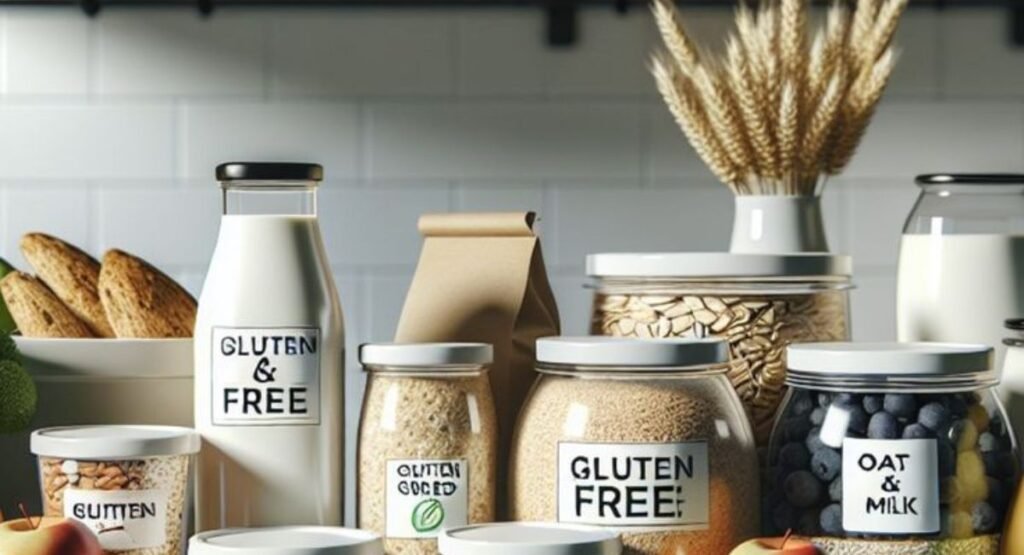
This means the food does not contain gluten from wheat, barley, rye, or their derivatives.
Wheat-Free Food
This means the food does not contain wheat, but it may contain barley or rye (which still contain gluten).
For example:
- A product made with barley is a wheat-free food, but not awheat-free food, but NOT gluten-free food.
- A product made with rice flour is both gluten-free food and wheat-free food.
So if you have celiac disease or gluten sensitivity, you must choose certified gluten-free products, not just wheat-free.
Benefits of Eating Gluten Free Food
A gluten-free diet can offer numerous benefits, particularly for individuals who require it.
1. Improved Digestion
Many people experience reduced bloating, gas, and stomach pain after switching to gluten-free food.
2. Better Energy Levels
Gluten sensitivity can cause fatigue. Removing gluten may improve energy and mental clarity.
3. Reduced Inflammation
Some individuals report reduced inflammation, joint pain, and skin problems.
4. Healthier Food Choices
When people choose gluten-free, they often eat more whole foods such as fruits, vegetables, legumes, and lean proteins.
Naturally Gluten Free Food Options

1. Fruits and Vegetables
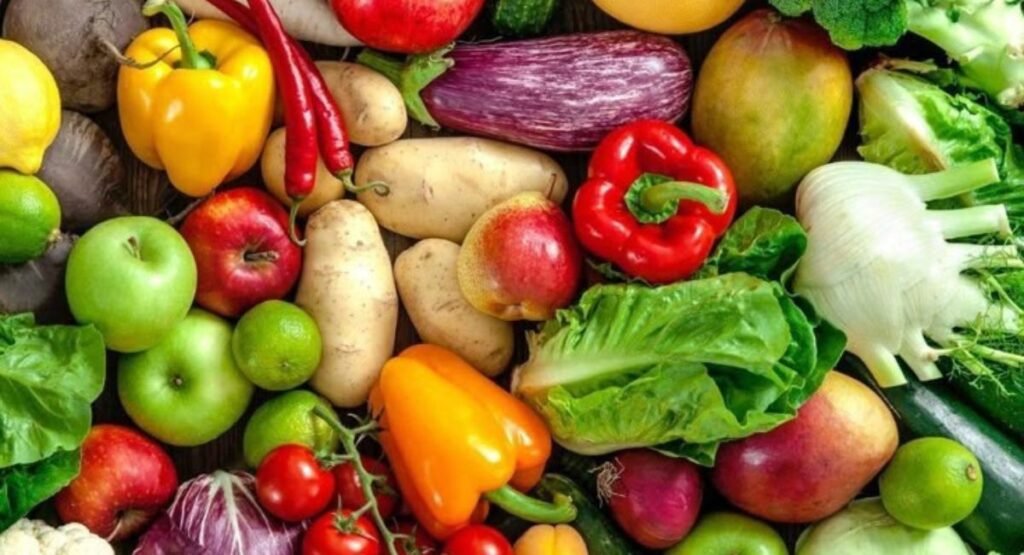
All fresh fruits and vegetables are naturally gluten-free foods. Examples:
- Apples, bananas, mangoes, oranges
- Spinach, carrots, potatoes, tomatoes
- Broccoli, cucumbers, onions
2. Meat, Fish, and Eggs
Unprocessed meats and proteins are naturally gluten-free:
- Chicken, beef, lamb
- Fish and seafood
- Eggs
3. Dairy Products
Most dairy is gluten-free:
- Milk
- Yogurt (check flavored ones)
- Cheese
- Butter
4. Gluten-Free Grains and Starches
Safe grains include:
- Rice
- Corn
- Quinoa
- Buckwheat
- Millet
- Sorghum
- Amaranth
- Gluten-free oats (certified)
5. Legumes
Beans and lentils are great wheat-free food options:
- Chickpeas
- Lentils
- Kidney beans
- Black beans
Foods to Avoid in a Gluten-Free Diet
To follow a gluten-free lifestyle, avoid foods containing:
- Wheat flour
- Bread, pasta, noodles (regular)
- Cakes, biscuits, pastries
- Breakfast cereals with wheat
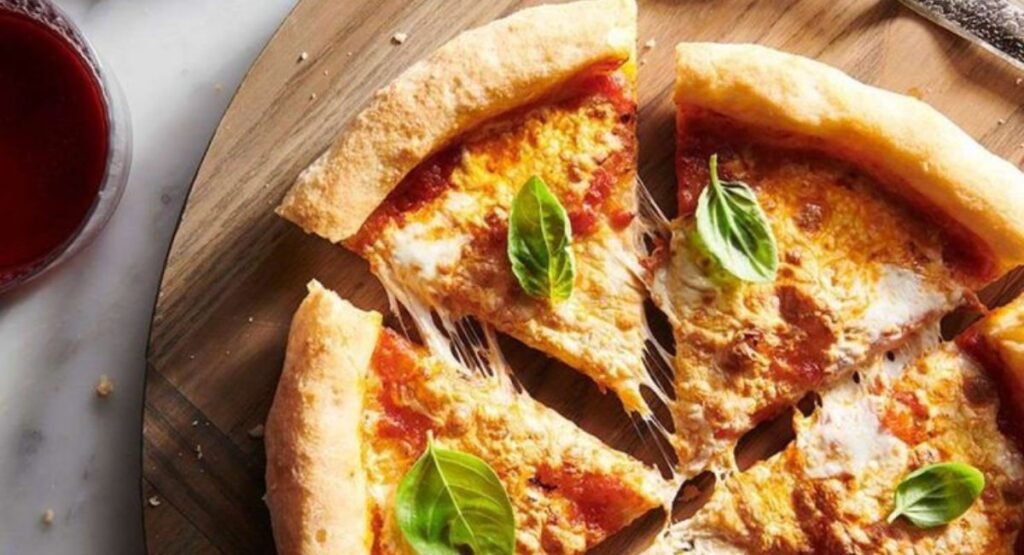
- Pizza crust (regular)
- Wheat-based sauces and gravies
- Soy sauce (often contains wheat)
- Malt (from barley)
Always read labels because gluten can hide in processed foods.
How to Build a Balanced Gluten-Free Food Diet
Eating gluten-free does not mean you should only eat packaged gluten-free products. For a healthy diet, focus on whole foods.
Key Elements of a Healthy Gluten-Free Plate
A balanced meal should include:
- Protein: chicken, fish, eggs, lentils
- Healthy carbs: rice, quinoa, sweet potatoes
- Healthy fats: olive oil, nuts, seeds, avocado
- Fiber: fruits, vegetables, legumes
Gluten-Free Snacks: Best Options for Everyday Life
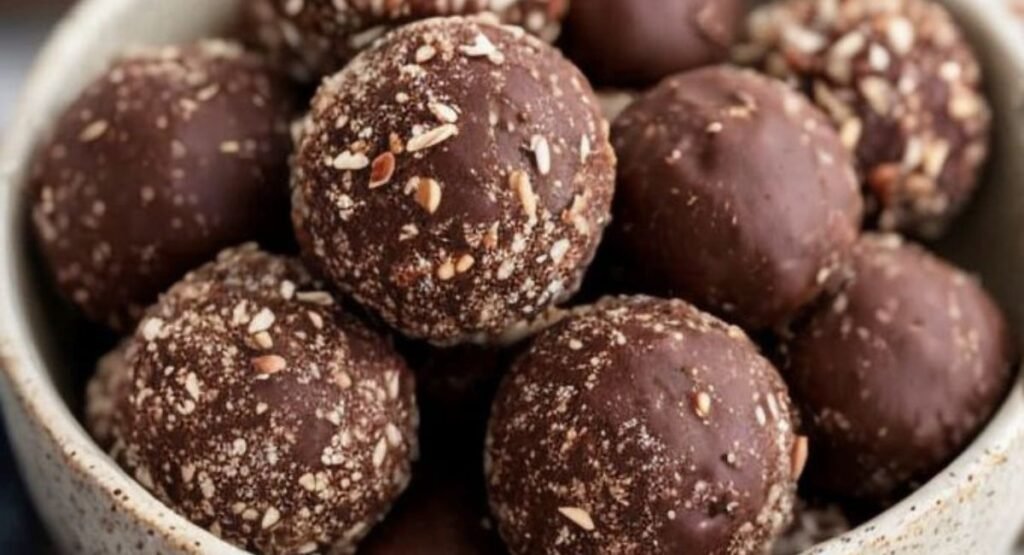
Healthy Gluten Free Snacks
Here are some healthy options:
- Fresh fruit with peanut butter
- Yogurt with honey and nuts
- Roasted chickpeas
- Rice cakes with avocado
- Nuts and seeds mix
- Gluten-free granola bars
- Popcorn (plain or lightly salted)
Store-Bought Gluten-Free Snacks
If you prefer packaged snacks, look for:
- Gluten-free crackers
- Gluten-free cookies
- Gluten-free pretzels
- Corn tortilla chips
- Protein bars labeled gluten-free
Homemade Gluten-Free Snack Ideas
Homemade snacks are often healthier and cheaper:
- Banana oat muffins (using gluten-free oats)
- Peanut butter energy balls
- Baked sweet potato fries
- Homemade trail mix
- Smoothies
Wheat-Free Food Alternatives for Daily Meals
Switching to wheat-free food doesn’t mean giving up your favorite meals.
Wheat-Free Alternatives
- Use rice flour or almond flour instead of wheat flour
- Choose gluten-free pasta made from rice or lentils
- Use lettuce wraps instead of tortillas
- Replace bread with corn tortillas or gluten-free bread
- Use quinoa instead of couscous
Wheat-Free Breakfast Ideas
- Omelet with vegetables
- Gluten-free oats with fruits
- Smoothie bowl
- Rice cakes with peanut butter
Wheat-Free Lunch and Dinner Ideas
- Grilled chicken with rice and salad
- Lentil soup with gluten-free bread
- Stir-fried vegetables with quinoa
- Fish with roasted potatoes
Hidden Gluten: Foods You Must Check Carefully

Even if something looks gluten-free, it may contain hidden gluten.
Common Hidden Sources of Gluten
- Sauces (soy sauce, teriyaki sauce)
- Salad dressings
- Processed meats (sausages, deli meat)
- Instant soups
- Flavored chips
- Candy
- Ice cream with cookie chunks
- Spices and seasoning mixes
Always choose products labeled gluten-free when possible.
Tips for Buying Gluten-Free Food
Shopping for gluten-free products becomes easy when you know what to do.
1. Read Ingredient Labels
Look for words like:
- wheat
- barley
- rye
- malt
- brewer’s yeast
2. Choose Certified Gluten-Free Products
Certified products are safer, especially for people with celiac disease.
3. Focus on Naturally Gluten-Free Foods
Fresh produce, meats, legumes, and grains are affordable and safe.
Gluten Free Food for Weight Loss : Is It Effective?

Many people believe gluten-free helps with weight loss. Gluten-free can support weight loss if you:
- Reduce processed foods
- Eat more vegetables and proteins
- Avoid sugary gluten-free snacks
But if you replace wheat products with high-calorie gluten-free cookies and breads, weight loss may not happen.
So yes, gluten-free can help weight loss, but only if the overall diet is healthy.
Common Mistakes People Make on a Gluten-Free Diet
Here are mistakes beginners often make:
- Eating too many processed gluten-free foods
- Not checking sauces and condiments
- Assuming wheat-free equals gluten-free
- Not eating enough fiber
- Ignoring cross-contamination
Cross-contamination happens when gluten-free food touches gluten-containing foods, like using the same toaster or cutting board.
FAQs.
1. What is gluten-free food?
Gluten-free food refers to foods that do not contain gluten, a protein found in wheat, barley, and rye.
2. Is wheat-free food always gluten-free?
No. Wheat-free food may still contain barley or rye, which have gluten. Always check labels.
3. What are the best gluten-free snacks for daily use?
Some best gluten-free snacks include popcorn, fruit, nuts, yogurt, rice cakes, gluten-free crackers, and roasted chickpeas.
4. Can I eat oats on a gluten-free diet?
Yes, but only certified gluten-free oats because regular oats may be contaminated with wheat during processing.
5. Is gluten-free food healthier than normal food?
Not always. Whole gluten-free foods are healthy, but processed gluten-free products can be high in sugar and calories.
Conclusion
Choosing gluten-free food can be life-changing for people with celiac disease, gluten intolerance, or wheat allergy. A gluten-free lifestyle doesn’t have to be difficult or boring. In fact, it can open the door to healthier eating habits by encouraging more whole foods such as fruits, vegetables, lean proteins, and gluten-free grains like rice and quinoa.
At the same time, it’s important to understand that wheat-free food is not always gluten-free, and many processed gluten-free products are not necessarily healthy. The best approach is to focus on natural foods and use packaged gluten-free items only when needed.
With the right planning, you can enjoy a wide variety of meals and delicious gluten-free snacks without feeling restricted. From homemade snacks to smart grocery choices, gluten-free living can be tasty, balanced, and easy to maintain.
If you want, I can also write a SEO optimized meta title, meta description, and headings for this article to help it rank faster on Google.