
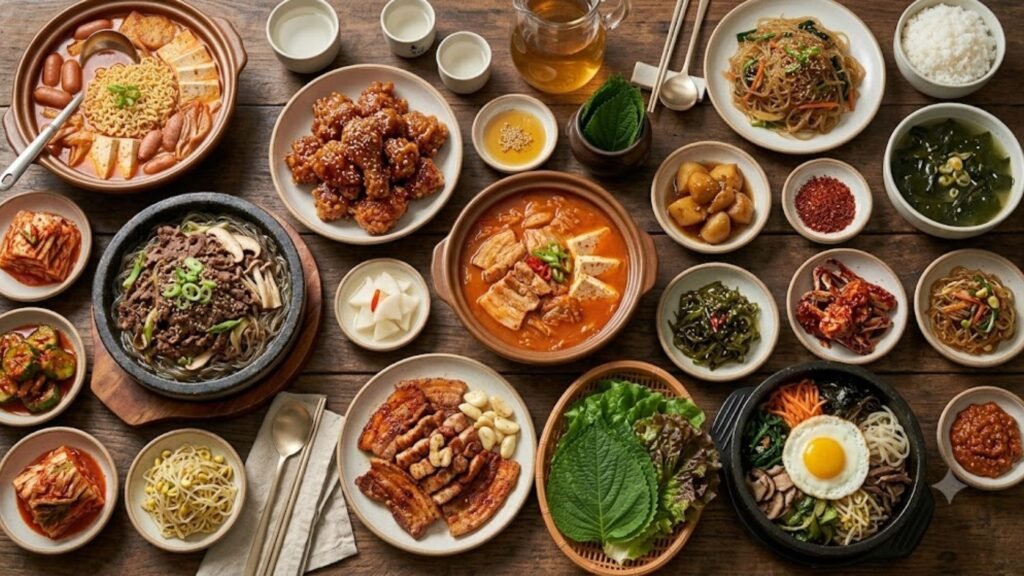
Korean food has taken the entire world by storm, and for very good reason. Furthermore, it delivers an extraordinary combination of bold flavors, vibrant colors, and deeply nourishing ingredients that keep people coming back for more. Whether you enjoy spicy kimchi, smoky grilled meats, or comforting rice bowls, Korean food offers a culinary adventure unlike anything else.
In addition, Korean food carries thousands of years of history, culture, and tradition in every dish. Consequently, eating Korean cuisine is never just about satisfying hunger it is about experiencing a rich and meaningful way of life that Koreans have passed down through countless generations.
This guide covers everything you need to know about Korean food from its ancient origins to its most popular dishes, impressive health benefits, vibrant culture, and the best ways to enjoy it. Therefore, whether you are a total beginner or a seasoned K fan, read on and dive deep into the world of Korean cuisine.
The History and Origins of Korean Food
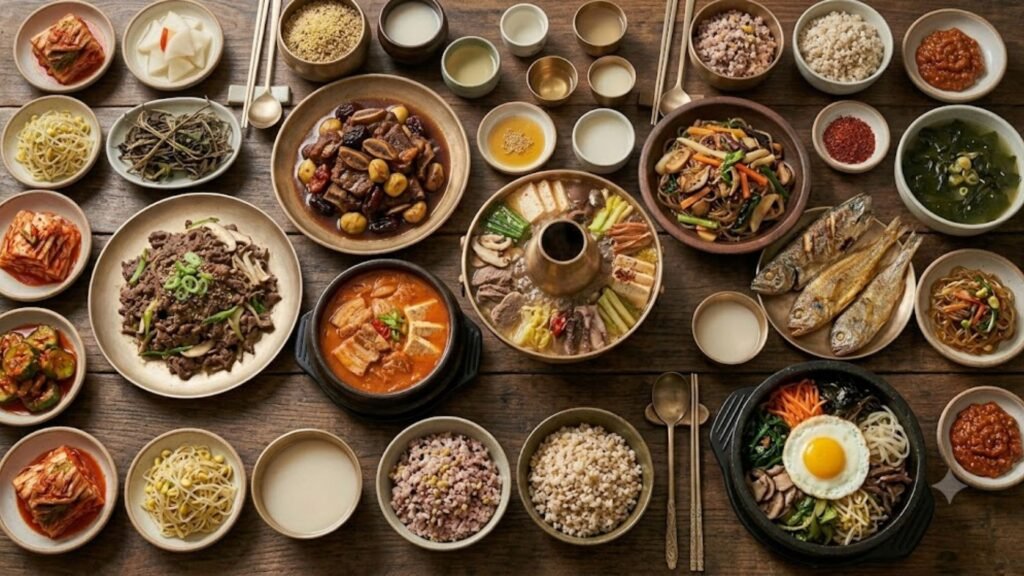
Korean food builds on a history that stretches back more than five thousand years. Ancient Koreans relied on rice, barley, millet, and fermented vegetables to survive harsh winters and unpredictable harvests. As a result, fermentation became the cornerstone of Korean cooking a tradition that lives on powerfully in dishes like kimchi, doenjang (soybean paste), and gochujang (red chili paste).
Furthermore, the Three Kingdoms period spanning Goguryeo, Baekje, and Silla shaped Korean culture significantly. During this era, Koreans developed sophisticated cooking techniques and began using soy-based sauces and fermented condiments as flavor foundations. In contrast to neighboring Chinese and Japanese cuisines, Korean developed its own distinct identity through unique spice blends, communal dining customs, and a deep respect for seasonal ingredients.
Moreover, the introduction of chili peppers from Portuguese traders in the 16th century transformed Korean food forever. Koreans adopted the chili pepper enthusiastically and wove it into the very heart of their cuisine. Consequently, the bold, spicy, and deeply savory flavors that define Korean today took their modern shape during this transformative period.
Most Popular Korean Food Dishes You Must Try
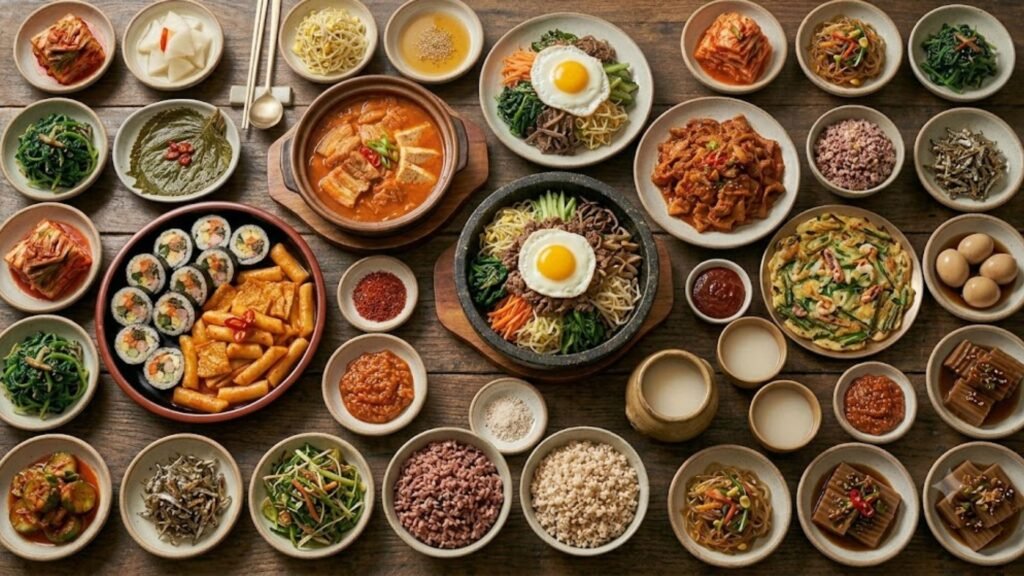
Korean food offers a spectacular range of dishes that appeal to every type of eater. For example, kimchi stands as the most iconic symbol of Korean cuisine. Koreans ferment napa cabbage with chili, garlic, ginger, and salted shrimp to create a tangy, spicy, and deeply complex condiment. Furthermore, Koreans serve kimchi at virtually every meal it functions as both a side dish and a key cooking ingredient.
Bibimbap and Bulgogi
Bibimbap ranks among the most beloved dishes in all of Korean food. Cooks arrange colorful vegetables, a fried egg, and seasoned meat over a bowl of warm rice, then drizzle gochujang sauce generously on top. Meanwhile, bulgogi thinly sliced marinated beef grilled over charcoal or a hot pan delivers a sweet, smoky, and utterly irresistible flavor. Both dishes showcase the Korean talent for balancing contrasting tastes and textures in a single bowl or plate.
Korean Fried Chicken and Tteokbokki
Korean fried chicken has conquered the global street food scene with its impossibly crispy double-fried coating and addictive sweet-spicy glaze. In addition, tteokbokki chewy rice cakes simmered in a fiery gochujang sauce stands as one of the most popular Korean street snacks enjoyed by people of all ages. Therefore, if you explore Korean for the first time, these two dishes provide an outstanding introduction to the cuisine’s bold personality.
Korean BBQ and Sundubu Jjigae
Korean BBQ transforms the simple act of eating into a social celebration. Diners grill marinated pork belly, beef short ribs, and spicy pork right at the table, then wrap the cooked meat in fresh lettuce leaves with garlic, ssamjang paste, and kimchi. Similarly, sundubu jjigae a silky soft tofu stew packed with seafood or meat and finished with a raw egg offers a warming, deeply flavorful experience that exemplifies the comfort side of Korean food.
Health Benefits of Korean Food
Korean food does not just satisfy your taste buds it also actively supports your health in powerful ways. First and foremost, kimchi and other fermented Korean foods contain billions of beneficial probiotics that strengthen gut health and improve digestion. Consequently, nutritionists and doctors worldwide now recommend fermented Korean staples as a natural way to maintain a healthy microbiome.
Furthermore, Korean places a strong emphasis on vegetables, lean proteins, and broths rather than heavy creams, butter, or processed ingredients. As a result, traditional Korean meals naturally deliver a healthy balance of fiber, vitamins, minerals, and antioxidants. For example, gochugaru Korean red pepper flakes contains capsaicin a compound that researchers link to improved metabolism and reduced inflammation.
In addition, Korean soups and stews consumed daily across Korea provide excellent hydration, collagen, and minerals that support skin health and immune function. Therefore, people who regularly eat Korean often report better energy levels, clearer skin, and improved overall well-being. Moreover, the low-calorie nature of many Korean side dishes makes the cuisine an excellent choice for weight management.
Korean Food Culture and Traditions
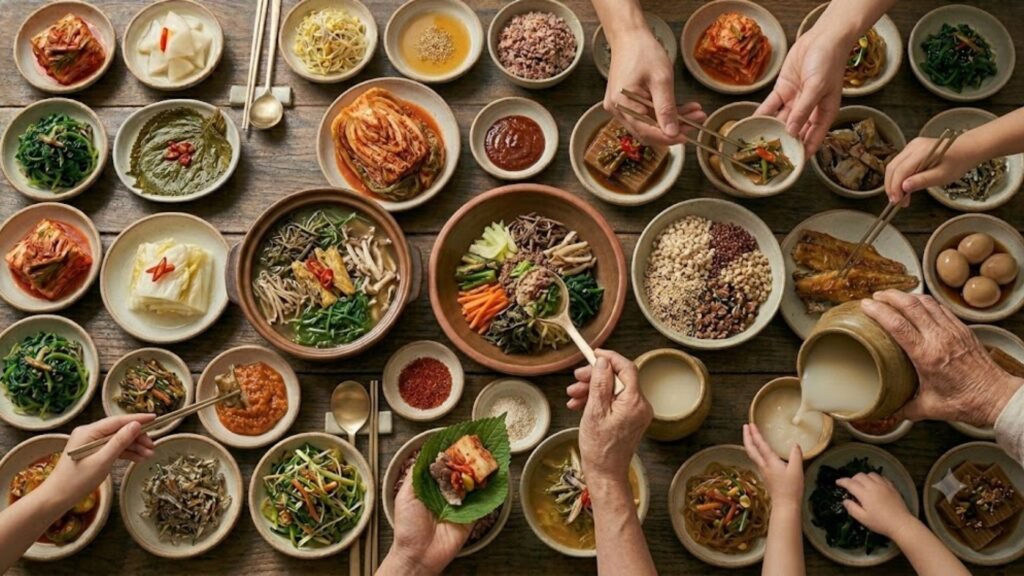
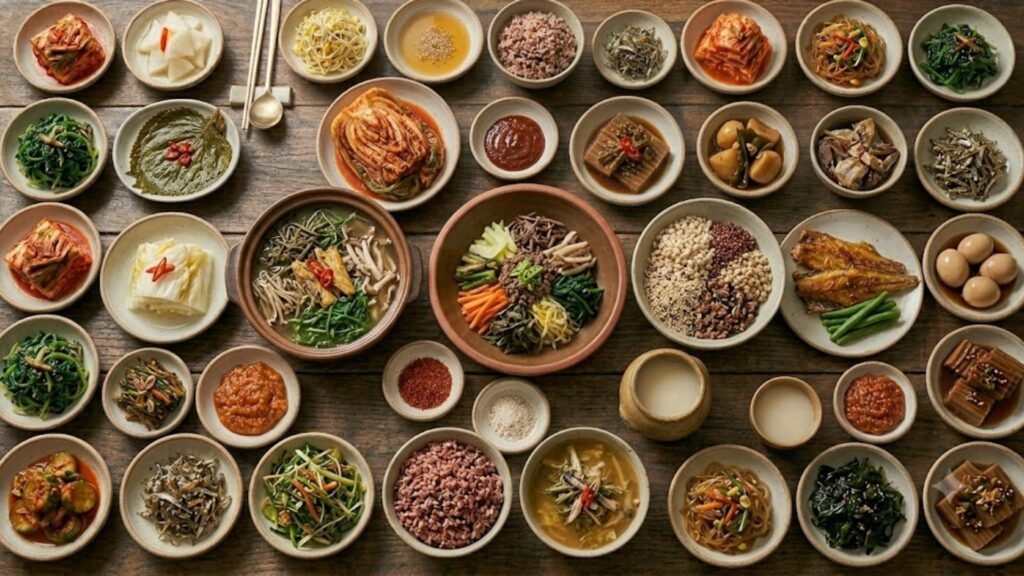
Korean food culture revolves around the concept of communal dining and deep respect for food as a source of nourishment and connection. For example, a traditional Korean table always features bap steamed rice and guk soup at the center, surrounded by an array of banchan small shared side dishes that everyone at the table enjoys together. Furthermore, the more banchan a host provides, the greater the expression of hospitality and care.
In addition, Korean food traditions connect deeply to seasonal rhythms and ancestral practices. Koreans prepare specific dishes for major holidays for instance, families make tteokguk rice cake soup on Lunar New Year to symbolize gaining a year of wisdom and good fortune. Similarly, chuseok Korean harvest festival brings families together to prepare and share songpyeon small rice cakes filled with sesame, honey, or red beans.
Moreover, kimjang the communal tradition of making and sharing large batches of kimchi before winter holds such deep cultural significance that UNESCO inscribed it on its Intangible Cultural Heritage list. Consequently, Korean food is not simply about eating; it functions as a living expression of community, identity, and intergenerational love.
Where to Find Authentic Korean Food
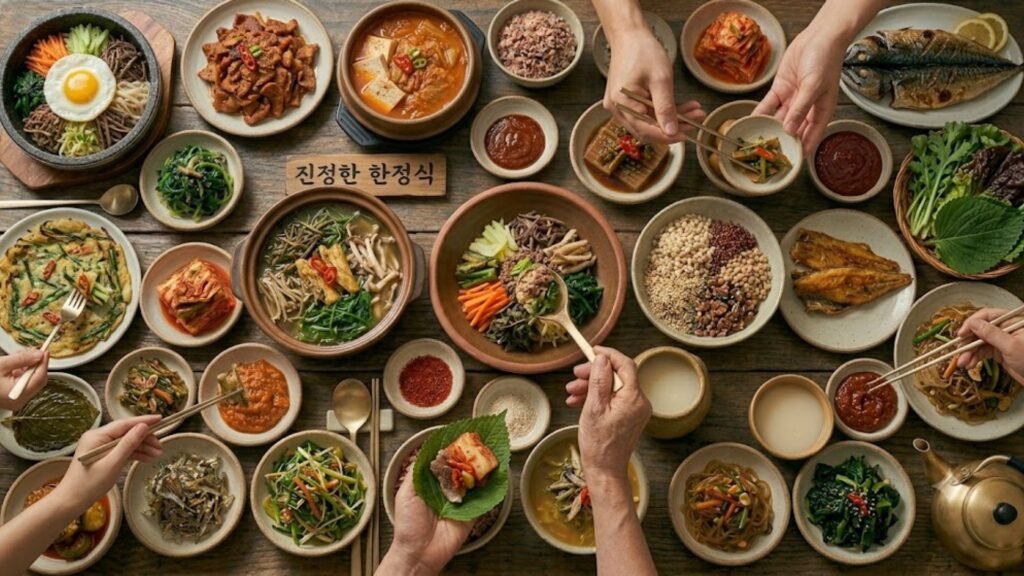
You can find authentic Korean food in more places around the world than ever before. However, traveling to South Korea itself offers the most immersive and genuine experience. Cities like Seoul, Busan, and Jeonju each develop their own distinct regional specialties that food lovers travel specifically to taste. For example, Jeonju stands as the undisputed capital of bibimbap, while Busan offers the freshest seafood-based Korean food in the country.
Furthermore, Korean communities in Los Angeles, New York, London, Sydney, and Toronto maintain strong culinary traditions through thriving Korean restaurants, grocery stores, and food markets. Therefore, even without a plane ticket, you can access genuinely authentic Korean in most major cities worldwide. In addition, the global rise of K-pop and Korean dramas has sparked a massive wave of interest in Korean culture among younger generations internationally.
Moreover, cooking Korean food at home has become easier thanks to widely available Korean ingredients at Asian supermarkets and online stores. Gochujang, doenjang, sesame oil, and Korean soy sauce now appear on shelves in many mainstream grocery stores globally. Consequently, home cooks everywhere can now recreate authentic Korean experiences in their own kitchens with minimal effort.
Conclusion
Korean food stands as one of the most exciting, flavorful, and health-promoting cuisines in the entire world. Furthermore, its unique combination of bold spices, fermented foods, fresh vegetables, and communal dining traditions gives it a character that no other cuisine quite matches. In addition, the growing global popularity of Korean reflects a worldwide recognition of its incredible taste and genuine nutritional value. Therefore, whether you visit a Korean restaurant tonight, order ingredients online, or plan a trip to Seoul, you will discover a food culture that nourishes your body, excites your palate, and warms your heart. Korean truly deserves every bit of the global love it receives.
FAQs
Q1: What is the most popular Korean food dish?
Kimchi is the most iconic Korean food dish, made from fermented cabbage seasoned with chili, garlic, and ginger, and served at virtually every Korean meal.
Q2: Is Korean food spicy?
Many Korean dishes use gochugaru or gochujang for heat, but Korean cuisine also offers plenty of mild and non-spicy options like doenjang jjigae, japchae, and galbi.
Q3: Is Korean food healthy?
Yes, Korean food is very healthy because it emphasizes fermented foods, fresh vegetables, lean proteins, and broths that support gut health, immunity, and overall well-being.
Q4: What are the staple ingredients in Korean food?
The essential staples of Korean include steamed rice, gochujang, doenjang, sesame oil, soy sauce, garlic, ginger, and a wide variety of seasonal vegetables.
Q5: Can I cook Korean food easily at home?
Absolutely — Korean uses straightforward techniques and ingredients that you can now find at most Asian supermarkets or order online, making home cooking very accessible.