
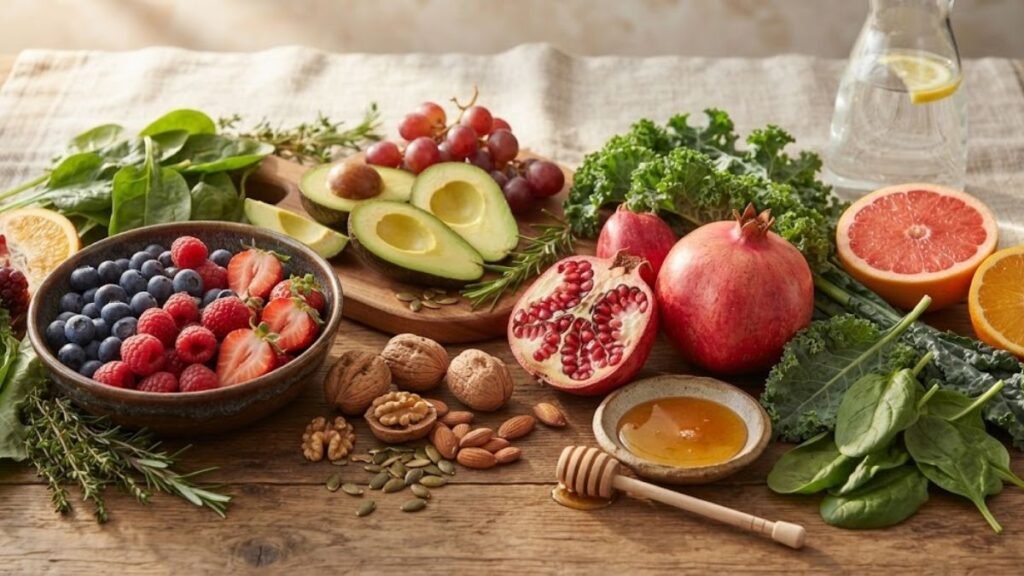
Your skin reflects what happens inside your body, and the foods for healthy skin you choose every day play a bigger role in that reflection than most people realize. While skincare products work on the surface, real change often starts on your plate. A diet filled with fresh produce, healthy fats, and lean proteins can support smoother texture, a brighter tone, and a more resilient complexion over time.
This guide walks through the nutrients your skin needs, the best foods to include, and simple ways to bring them into your daily meals without overhauling your entire diet.
What Makes Food Important for Healthy Skin?
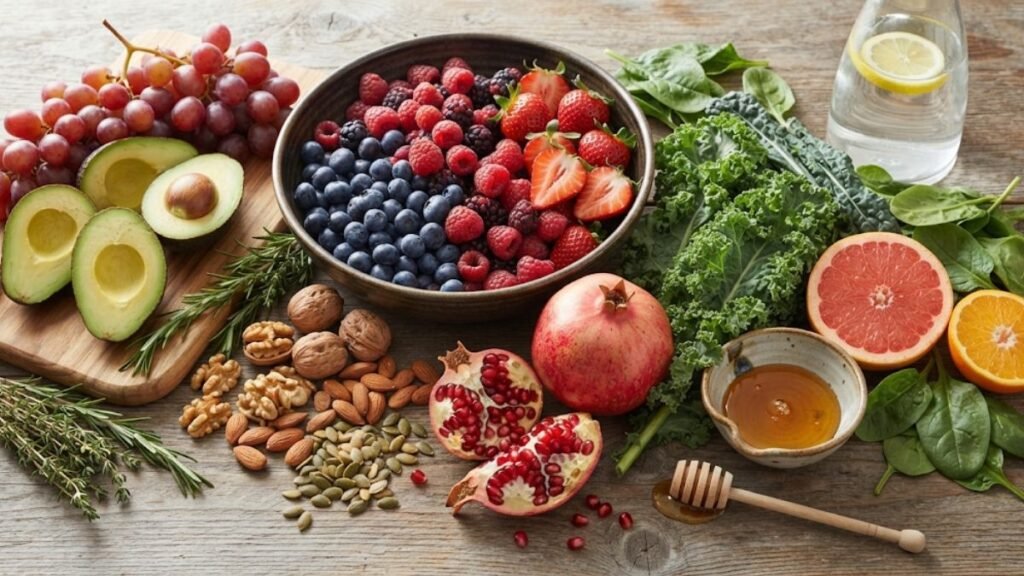
Skin is the body’s largest organ, and it renews itself constantly. New cells form beneath the surface and slowly replace older ones, a process that depends heavily on nutrients like vitamins A, C, and E, healthy fats, and antioxidants. When your diet lacks these building blocks, skin can look dull, dry, or more prone to irritation.
On the other hand, nutrient-dense foods help in several ways. Antioxidants fight everyday environmental stress from sun exposure and pollution. Healthy fats keep the skin barrier intact, which helps lock in moisture. Vitamin C supports collagen production, the protein responsible for firmness. And hydration, whether from water or water-rich foods, keeps skin cells plump and functioning properly.
In short, what you eat doesn’t just fuel your body. It shapes how your skin looks and feels from the inside out.
Foods for Healthy Skin

There isn’t one single miracle food that transforms skin overnight. Instead, a combination of colorful fruits, leafy vegetables, healthy fats, and quality protein sources works together to support skin health over weeks and months. Think of your plate as a daily investment rather than a quick fix.
The sections below break down specific food groups, along with practical examples you can start adding to your meals this week.
Fruits That Support Healthy Skin
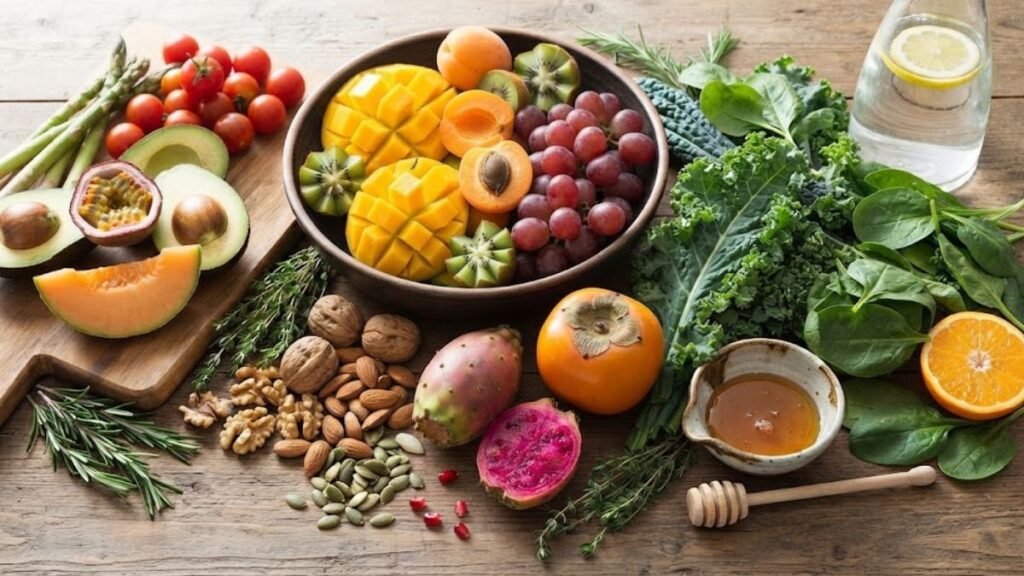
Fruits are among the easiest ways to boost your skin-friendly nutrient intake, thanks to their high water content and rich supply of vitamins.
- Oranges and citrus fruits are packed with vitamin C, which supports collagen synthesis and helps skin stay firm.
- Berries like blueberries and strawberries contain antioxidants that help protect skin cells from daily wear and tear.
- Papaya offers vitamin A and enzymes that support gentle, natural exfoliation.
- Avocado, technically a fruit, provides healthy monounsaturated fats that help maintain the skin’s natural barrier.
- Watermelon is over 90 percent water, making it a refreshing way to support hydration during warmer months.
Adding a variety of colorful fruits to your breakfast or snacks is a simple habit that pays off over time.
Vegetables for Healthy Skin
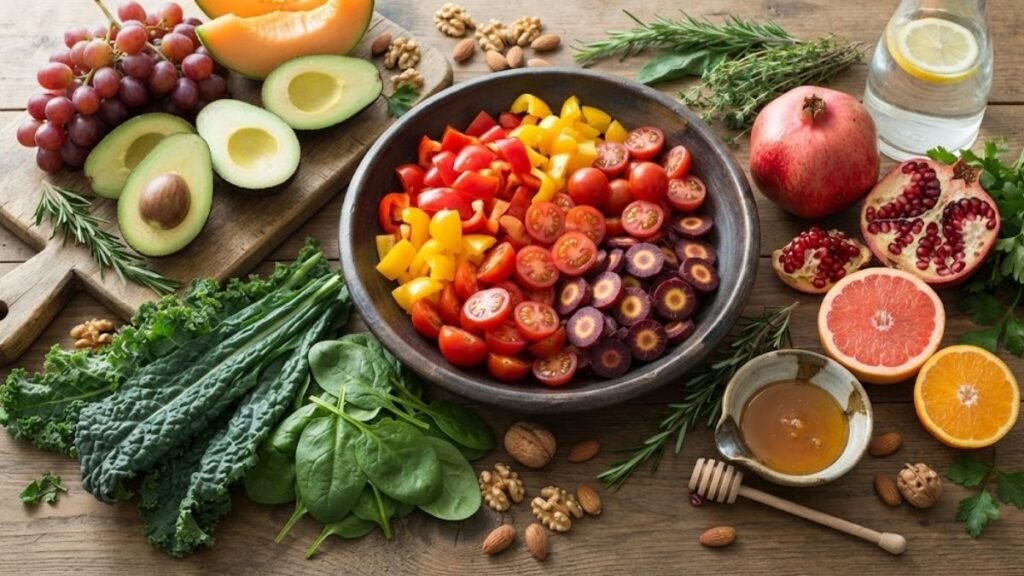
Vegetables bring a different set of nutrients to the table, particularly fiber, beta-carotene, and vitamin K.
- Sweet potatoes and carrots are rich in beta-carotene, which the body converts into vitamin A, supporting cell turnover.
- Spinach and kale provide iron, vitamin C, and antioxidants that support circulation and overall skin tone.
- Bell peppers are surprisingly high in vitamin C, often more than citrus fruits by weight.
- Broccoli contains vitamin E and zinc, both of which contribute to skin repair.
- Tomatoes offer lycopene, an antioxidant linked to protection against sun-related skin stress.
Try adding a serving of leafy greens or colorful vegetables to at least one meal each day.
Nuts and Seeds for Skin Health
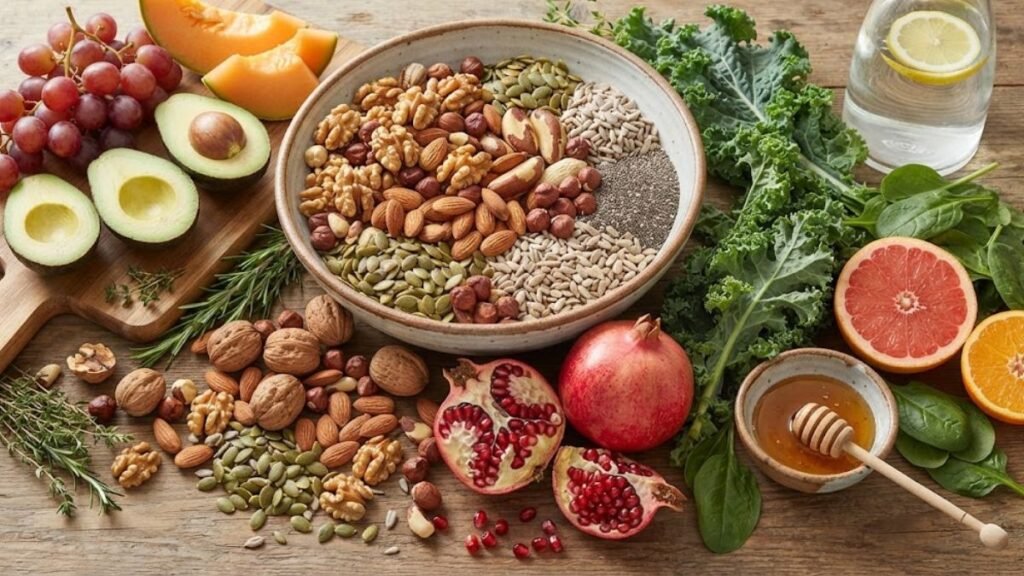
Nuts and seeds are compact sources of healthy fats and micronutrients that many people overlook.
- Almonds are rich in vitamin E, an antioxidant that helps protect skin from oxidative stress.
- Walnuts contain omega-3 fatty acids, which support the skin’s lipid barrier and help retain moisture.
- Chia seeds and flaxseeds are excellent plant-based sources of omega-3s and fiber.
- Sunflower seeds provide a good dose of vitamin E along with selenium.
A small handful of mixed nuts or a spoonful of seeds sprinkled on yogurt or oatmeal is an easy way to work these into your routine.
Protein-Rich Foods for Healthy Skin
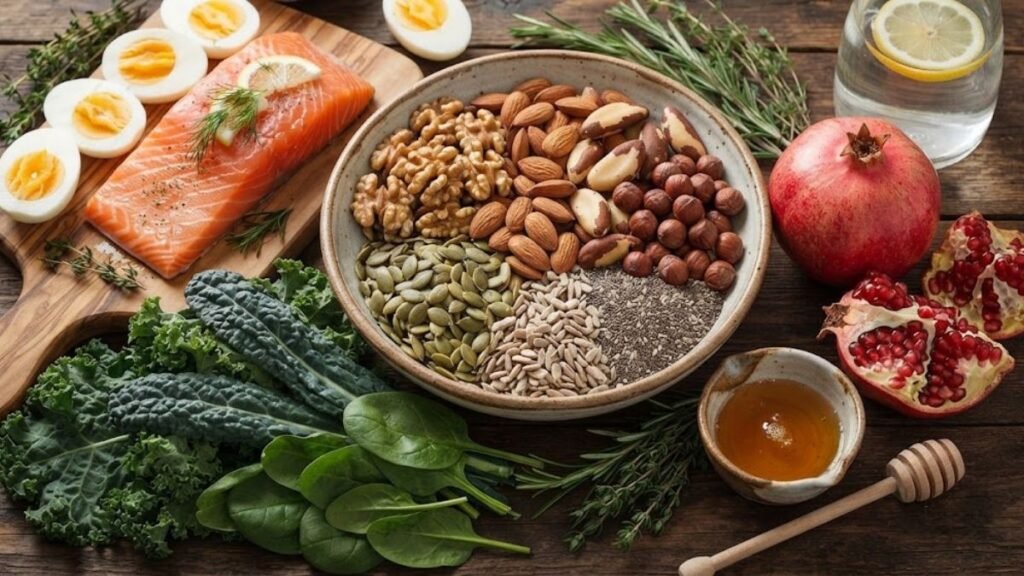
Protein provides the amino acids needed to build collagen and repair skin tissue, so it deserves a place in every meal.
- Fatty fish such as salmon, mackerel, and sardines supply omega-3 fatty acids alongside high-quality protein.
- Eggs contain protein, biotin, and selenium, all of which contribute to skin structure.
- Greek yogurt offers protein and probiotics that may support gut health, which is increasingly linked to skin clarity.
- Lentils and beans are excellent plant-based protein sources rich in zinc and iron.
- Lean poultry provides protein without excess saturated fat.
Balancing your plate with a protein source at each meal supports steady skin repair throughout the day.
Foods Rich in Vitamins and Antioxidants
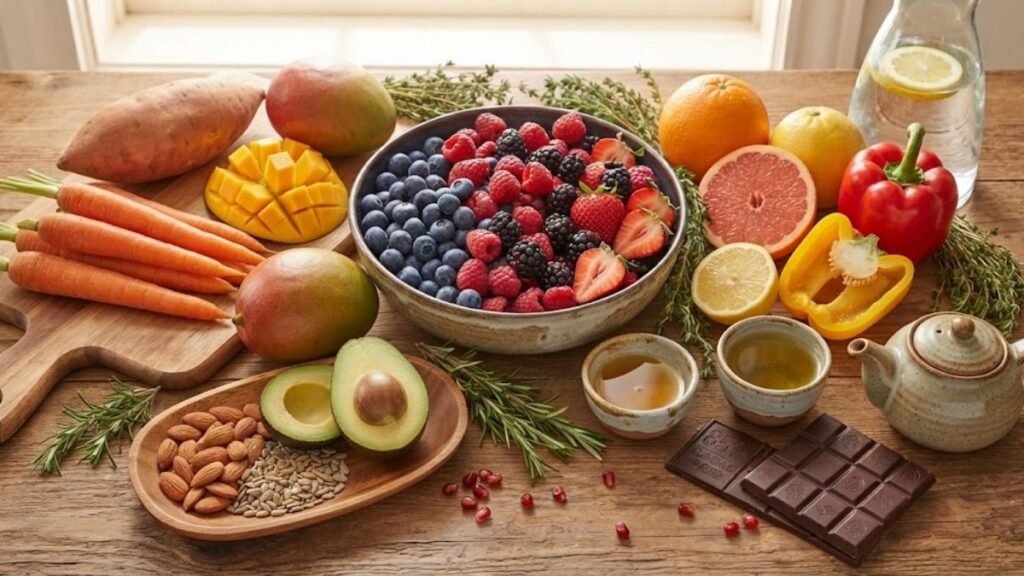
Certain foods stand out specifically for their vitamin and antioxidant content, making them worth highlighting on their own.
- Sweet potatoes, carrots, and mangoes for vitamin A
- Citrus fruits, strawberries, and bell peppers for vitamin C
- Almonds, sunflower seeds, and avocado for vitamin E
- Green tea and dark chocolate (in moderation) for polyphenols and antioxidants
Combining a variety of these foods throughout the week, rather than relying on just one or two, gives your body a broader range of protective compounds.
Hydrating Foods for Glowing Skin
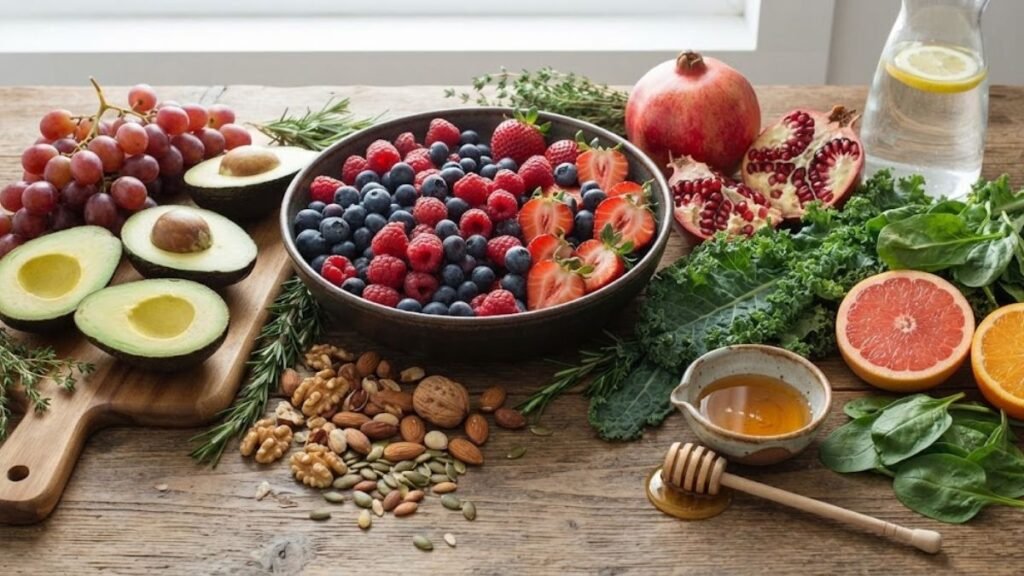
Water is essential, but food can also contribute meaningfully to daily hydration. Cucumbers, watermelon, oranges, celery, and zucchini all have high water content and provide vitamins alongside that hydration. Soups and broths are another comforting way to add fluids, especially during colder months when plain water feels less appealing.
Staying well hydrated supports skin elasticity and can help reduce the appearance of dryness, particularly when paired with a balanced diet.
Foods to Limit for Better Skin

Just as some foods support skin health, others may work against it when eaten in excess. It’s worth being mindful of the following:
- Highly processed snacks often contain refined sugars and unhealthy fats that offer little nutritional value.
- Sugary drinks and desserts can spike blood sugar levels, which some research links to skin issues over time.
- Fried and greasy foods may contribute to inflammation when eaten frequently.
- Excess alcohol can dehydrate the body, which may affect skin’s appearance.
Moderation matters more than complete avoidance. Enjoying these foods occasionally while prioritizing whole foods most of the time is a realistic, sustainable approach.
Simple Ways to Add Skin-Friendly Foods to Your Diet

Making dietary changes doesn’t need to feel overwhelming. Here are a few practical starting points:
- Start your day with fruit. Add berries or citrus to breakfast for an easy vitamin C boost.
- Snack on nuts and seeds instead of processed chips or crackers.
- Include a colorful vegetable with lunch and dinner, aiming for at least two different colors.
- Choose fatty fish twice a week when possible for omega-3 fatty acids.
- Keep water accessible throughout the day, and add hydrating fruits like watermelon as snacks.
- Swap sugary drinks for water or herbal tea most days of the week.
Small, consistent changes tend to be more sustainable than drastic diet overhauls, and they’re easier to stick with long term.
FAQs
1. How long does it take to see skin improvements from diet changes? Most people notice gradual changes over four to eight weeks, since skin cells take time to renew.
2. Can drinking more water alone improve skin? Water helps with hydration, but it works best alongside a balanced diet rich in vitamins and healthy fats.
3. Are supplements as effective as whole foods for skin health? Whole foods generally offer better nutrient absorption and additional benefits like fiber, which supplements can’t fully replicate.
4. Is dairy bad for skin? Dairy affects people differently, so it’s worth noticing how your own skin responds rather than following a blanket rule.
5. Can diet alone fix serious skin conditions? Diet can support overall skin health, but persistent or serious skin concerns should be discussed with a dermatologist.
Conclusion
Healthy skin starts with consistent, everyday choices rather than expensive products or quick fixes. Fruits, vegetables, nuts, seeds, and quality protein sources all bring something valuable to the table, from antioxidants that protect against daily stress to healthy fats that support the skin barrier. By focusing on foods for healthy skin and limiting processed options, you give your body the tools it needs to support a natural, lasting glow. Pair these habits with good hydration and patience, and the results are likely to show over time.