
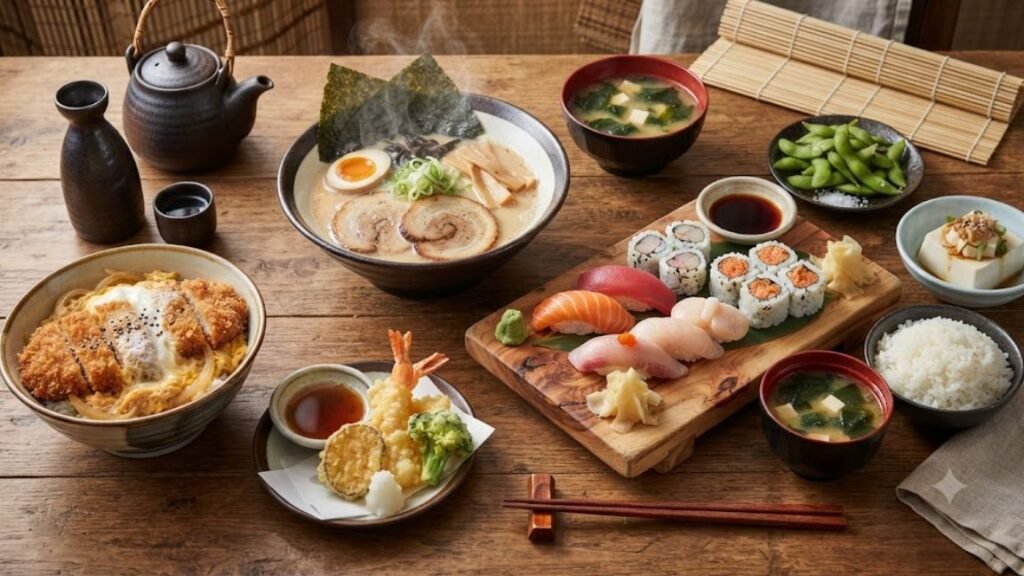
Japanese cuisine food stands as one of the most respected culinary traditions in the world. It combines fresh ingredients, precise techniques, and centuries of culture into every dish. From a simple bowl of miso soup to an elaborate sushi platter, this style of cooking tells a story of balance and respect for nature.
Millions of people around the globe now seek this cooking style for its taste and its health benefits. Restaurants in almost every major city serve sushi, ramen, and tempura. This guide walks you through the history, popular dishes, cooking methods, and cultural meaning behind this beloved food tradition.
The Rich History Behind Japanese Cooking
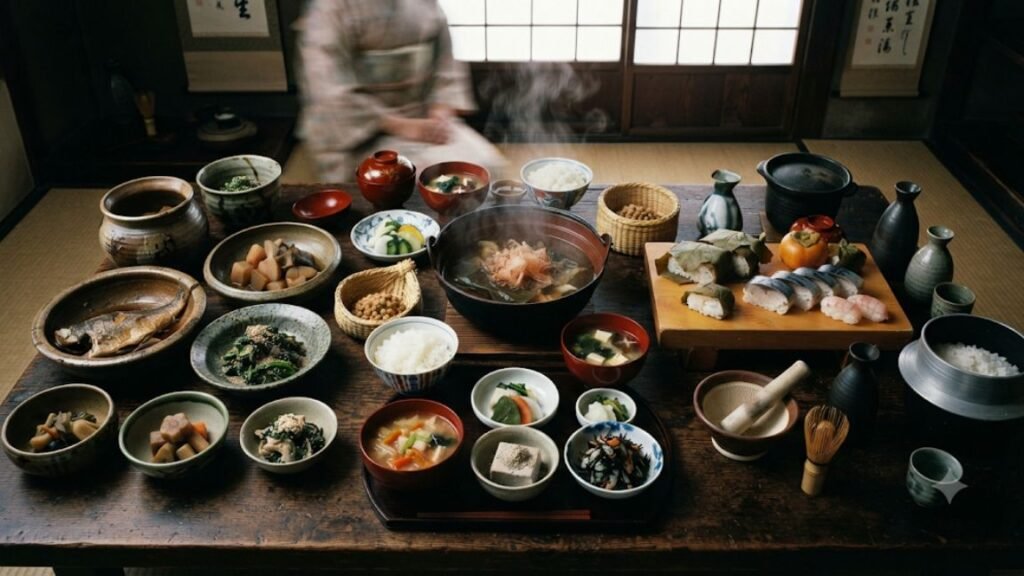
Japanese cooking traces its roots back thousands of years. Ancient farmers grew rice along the fertile plains of Japan. Rice became the foundation of nearly every meal and shaped the nation’s farming calendar for centuries.
Buddhist monks brought new cooking practices to the country during the sixth century. They avoided meat and focused on vegetables, tofu, and grains. This shift shaped the plant-based habits still visible in many traditional dishes today.
Trade with China and Korea introduced soy sauce, noodles, and tea. Local cooks adapted these imports and created their own unique versions. Regional differences emerged across the country over time. Coastal areas developed seafood-heavy menus. Mountain regions relied more on vegetables, mushrooms, and preserved foods.
The Edo period brought major growth to this food culture. Sushi stalls appeared on busy streets. Soba noodle shops opened in every neighborhood. Cooks refined their skills and turned simple meals into art forms.
Modern Japan continues this evolution today. Young chefs blend old techniques with new ideas. Fusion restaurants mix traditional flavors with international influences, yet the core principles of freshness and balance remain unchanged.
Popular Dishes You Should Know
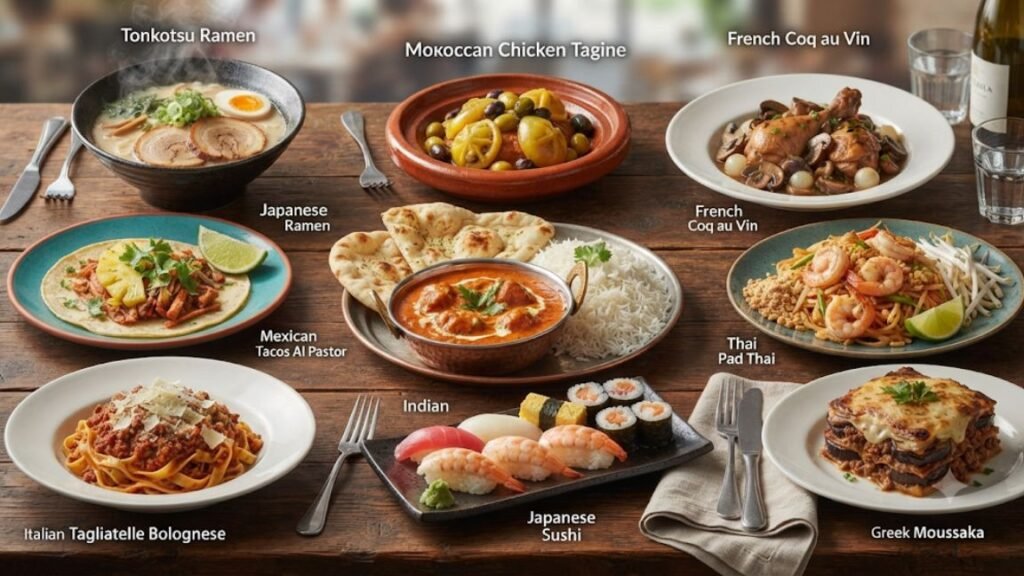
This cuisine offers an incredible variety of dishes. Each one carries its own history and preparation style.
Sushi
Sushi remains the most recognized dish across the globe. Chefs combine vinegared rice with fresh fish, vegetables, or egg. Nigiri, maki, and sashimi represent the three main styles. Each type requires years of training to master properly.
Ramen
Ramen brings together wheat noodles and a rich broth. Cooks simmer bones, vegetables, and seasonings for hours to build deep flavor. Toppings like pork slices, boiled eggs, and green onions complete the bowl. Every region in the country has its own ramen style.
Tempura
Tempura features vegetables or seafood coated in a light batter and fried until crisp. The technique demands precise oil temperature and quick timing. A skilled chef achieves a crunchy shell without any greasy texture.
Miso Soup
Miso soup appears at nearly every meal. Cooks blend fermented soybean paste with dashi stock. Tofu cubes, seaweed, and green onions often float inside the bowl. This dish delivers warmth and gut-friendly bacteria.
Udon and Soba
Udon noodles offer a thick, chewy bite. Soba noodles bring a nutty flavor from buckwheat flour. Both noodle types appear in hot broths or cold dipping sauces during summer months.
Okonomiyaki
This savory pancake mixes cabbage, batter, and various toppings like pork or seafood. Cooks grill it on a flat griddle and finish it with tangy sauce, mayonnaise, and dried bonito flakes.
Cooking Techniques That Define This Tradition
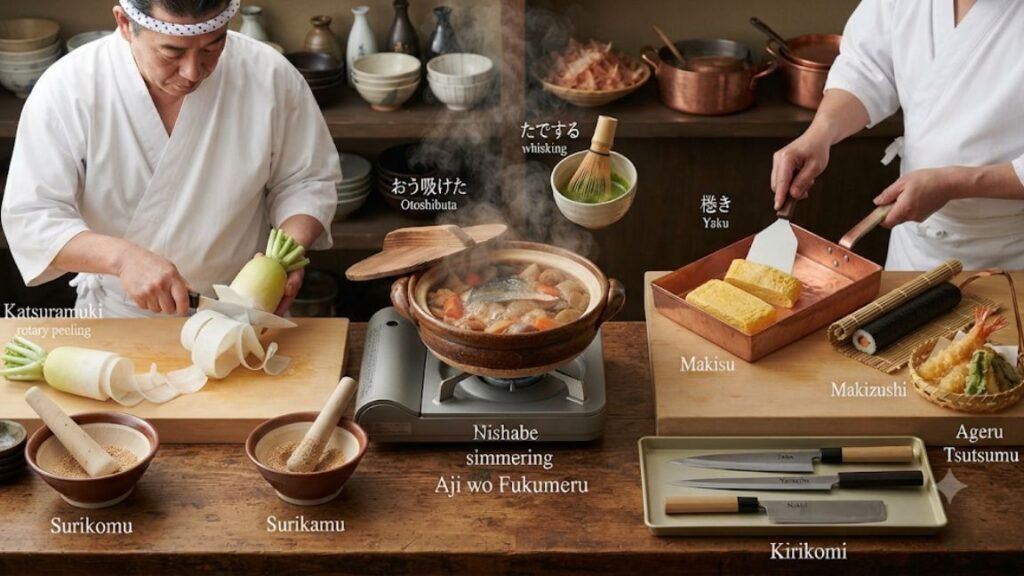
Traditional cooking relies on specific techniques passed down through generations. These methods highlight natural flavors instead of masking them with heavy sauces.
Umami Focus
Cooks build dishes around umami, the fifth taste. Ingredients like kombu, bonito flakes, and soy sauce create this deep savory quality. This focus separates the tradition from many other global cuisines.
Precision Knife Work
Chefs train for years to master knife skills. They cut fish, vegetables, and meat with exact precision. This attention affects texture, presentation, and even flavor release.
Minimal Seasoning
Recipes often use fewer spices than Western dishes. Cooks let the natural taste of fresh ingredients shine through. Salt, soy sauce, and mirin provide subtle enhancement rather than overpowering flavor.
Seasonal Ingredients
Seasonal eating plays a central role in this food culture. Chefs choose ingredients at their peak freshness. This practice, known as shun, ensures every dish tastes its best and supports sustainable farming.
Steaming and Simmering
Many recipes rely on gentle heat instead of frying or grilling. Steaming preserves nutrients and keeps textures light. Simmering allows broths and sauces to develop deep flavor without burning delicate ingredients.
Health Benefits Worth Knowing
This style of eating earns praise for its nutritional value. The traditional diet includes lean proteins, vegetables, and fermented foods.
Fish provides omega-3 fatty acids that support heart health. Seaweed delivers essential minerals like iodine and calcium. Fermented foods such as miso and natto boost gut bacteria and improve digestion.
Portion sizes in traditional meals tend to stay smaller than Western servings. This habit supports better weight management. Green tea, a common drink alongside meals, contains antioxidants that fight inflammation.
Many nutritionists point to Okinawa, a region in Japan, as proof of these benefits. Residents there show some of the longest life expectancies in the world. Their diet relies heavily on fish, vegetables, and small portions of rice.
Popular Drinks That Complement the Meal

Green tea sits at the center of daily drinking habits. Matcha, a powdered version, delivers a stronger flavor and a vibrant green color. People whisk it into a frothy drink during traditional tea ceremonies.
Sake, a rice-based alcoholic drink, often accompanies formal dinners. Brewers ferment polished rice with a special mold to create this smooth beverage. Warm or chilled sake pairs well with sashimi and grilled dishes.
Barley tea, known as mugicha, offers a caffeine-free option during hot summer months. Many households serve it cold alongside everyday meals.
Cultural Significance and Dining Etiquette
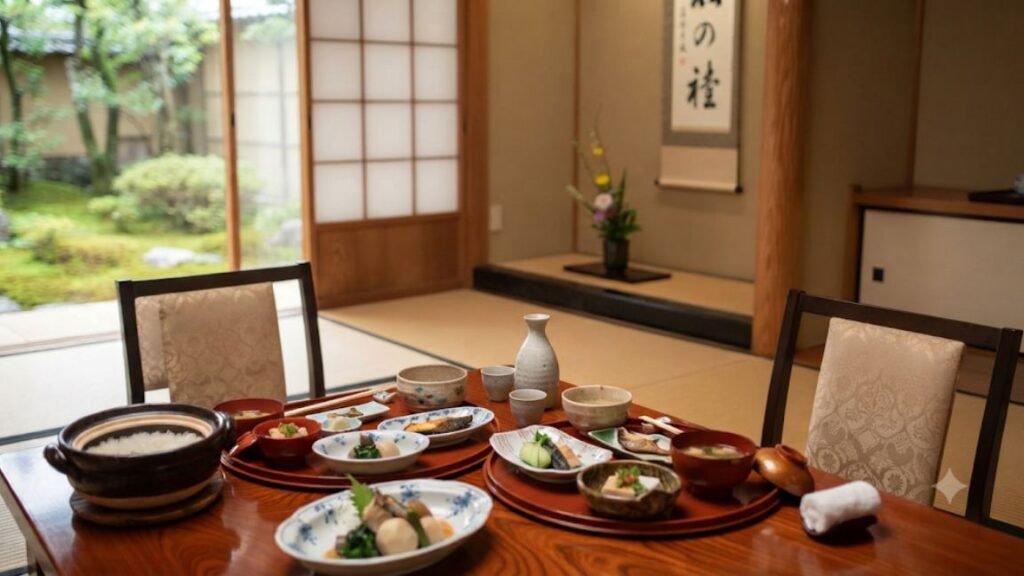
Food in Japan connects deeply to respect, gratitude, and mindfulness. Meals often begin with the phrase “itadakimasu,” which expresses thanks for the food.
Presentation matters as much as taste. Chefs arrange dishes to reflect the season and bring visual balance to the table. Colors, shapes, and plate choices all play a role in the dining experience.
Tea ceremonies showcase this cultural depth even further. Every movement during the ceremony carries meaning and purpose. Guests learn patience and mindfulness through this quiet ritual.
Family meals also hold strong value in Japanese society. Home cooking passes down recipes and traditions across generations. Grandparents teach grandchildren how to prepare miso soup or roll sushi by hand.
Simple etiquette rules guide the dining table too. Diners avoid sticking chopsticks upright in rice, since this gesture resembles a funeral ritual. Slurping noodles loudly signals enjoyment rather than rudeness, a habit that surprises many first-time visitors.
Final Thoughts
Japanese cuisine food offers far more than delicious meals. It represents centuries of tradition, careful technique, and deep respect for nature. From sushi counters to home kitchens, this food tradition continues to win hearts worldwide.
Try a new dish this week. Visit a local Japanese restaurant or attempt a recipe at home. You’ll discover why so many people consider this cuisine a true art form.
FAQs
What is the most popular Japanese dish?
Sushi remains the most popular and widely recognized dish from Japan.
Is Japanese cuisine food healthy?
Yes, it features lean proteins, vegetables, and fermented foods that support overall health.
What are the main ingredients in Japanese cooking?
Rice, soy sauce, miso, dashi, and fresh fish form the core ingredients in most recipes.
What makes Japanese cuisine food different from other Asian cuisines?
It emphasizes umami flavor, minimal seasoning, and precise preparation techniques over heavy sauces.
Can beginners cook Japanese food at home?
Yes, simple dishes like miso soup and teriyaki chicken work well for home cooks starting out.
Conclusion
Japanese cuisine food carries far more weight than a simple meal on a plate. It reflects centuries of tradition, careful technique, and deep respect for nature. Every dish, from a humble bowl of miso soup to an elegant sushi platter, tells a story of patience and craftsmanship.
This cooking style rewards curiosity. You gain fresh insight into health, culture, and history each time you try a new recipe or visit an authentic restaurant. Simple habits like using dashi, practicing knife skills, or choosing seasonal produce bring real change to your own kitchen.
Take the next step today. Book a table at your nearest Japanese restaurant or cook a traditional dish at home this weekend. You’ll understand quickly why this cuisine earns its place among the world’s most admired food traditions.