
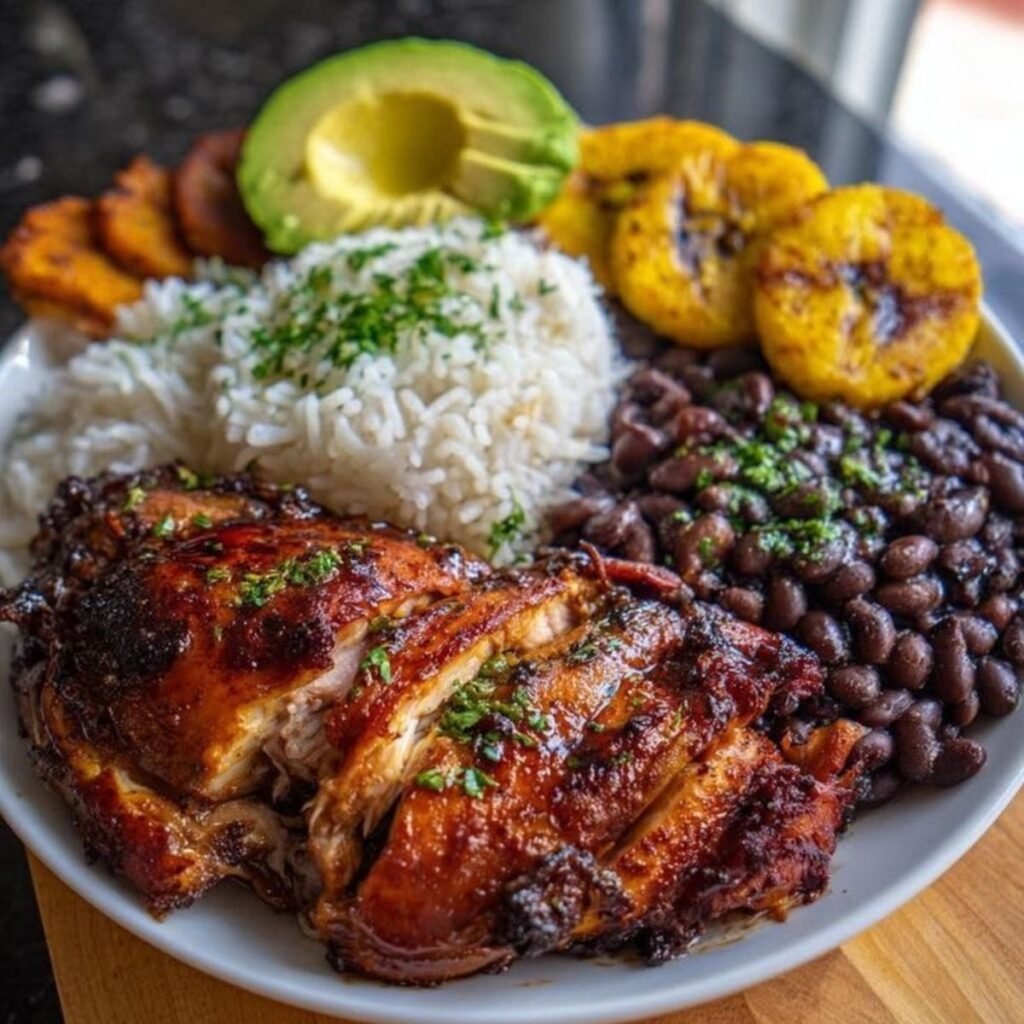
If you love bold flavors, hearty portions, and dishes that tell a story, Colombian food will absolutely win your heart. Colombia is a country of incredible diversity from its snow capped mountains and lush Amazon rainforests to its sun drenched Caribbean coast and that variety shows up beautifully on the plate. Furthermore, Gluten Free Food Colombian food is not just about ingredients; it reflects centuries of indigenous traditions, Spanish colonial influence, and African heritage. In addition, the country’s geography creates dozens of distinct microclimates, each producing unique crops, spices, and cooking traditions that make every regional meal feel like a new discovery.
Moreover, Colombian food has gained worldwide recognition in recent years, and for good reason. Every region in Colombia brings its own irreplaceable twist to the table, making the cuisine one of the most exciting and underrated in all of Latin America. Therefore, whether you are a seasoned food traveler or simply curious about new flavors, this complete guide covers everything you need to know about traditional Colombian food from iconic dishes and street snacks to beverages, desserts, and regional specialties.
The History Behind Colombian Food
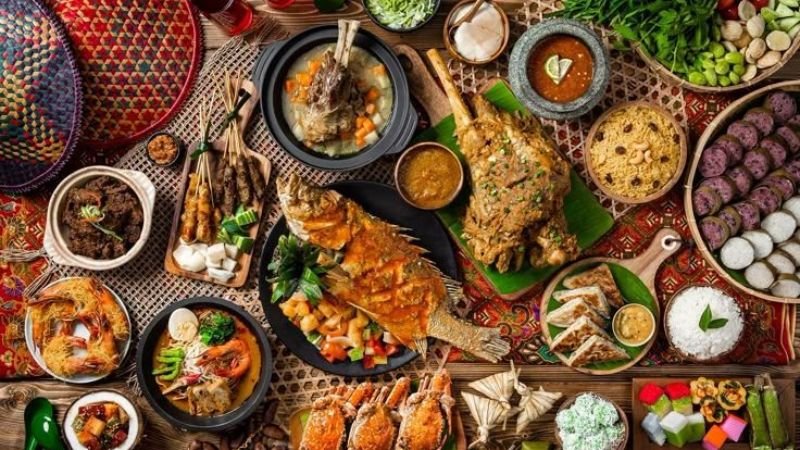
To truly understand Colombian food, you need to look at its roots. Indigenous communities like the Muisca and Tayrona cultivated corn, potatoes, and cassava long before Europeans arrived. Moreover, Spanish colonizers introduced beef, pork, rice, and wheat, which quickly became staples of Colombian cuisine. Additionally, African communities brought to Colombia’s coastal regions contributed plantains, coconut milk, and unique cooking techniques that still define coastal dishes today. As a result, Colombian food carries a rich, layered history in every bite. Therefore, when you eat a bowl of ajiaco or a plate of bandeja paisa, you taste hundreds of years of cultural exchange.
Most Popular Traditional Colombian Dishes
Colombian food features several iconic dishes that locals eat daily and visitors remember forever. In addition, these traditional Colombian dishes use simple ingredients but deliver complex, satisfying flavors.
Bandeja Paisa
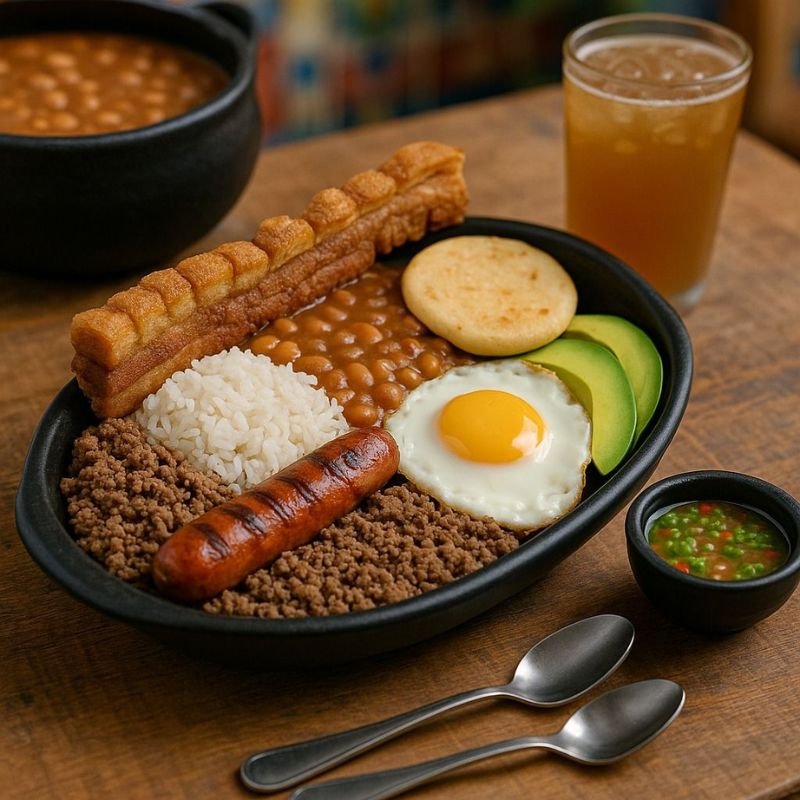
Bandeja paisa is arguably the most famous dish in all of Colombian food. It originates from the Antioquia region and arrives as a massive platter loaded with red beans, white rice, ground beef, chicharron, fried egg, avocado, plantain, and arepa. Furthermore, it represents the hearty appetite and hard-working spirit of the Paisa people. Consequently, restaurants across Colombia feature it as their signature dish.
Ajiaco
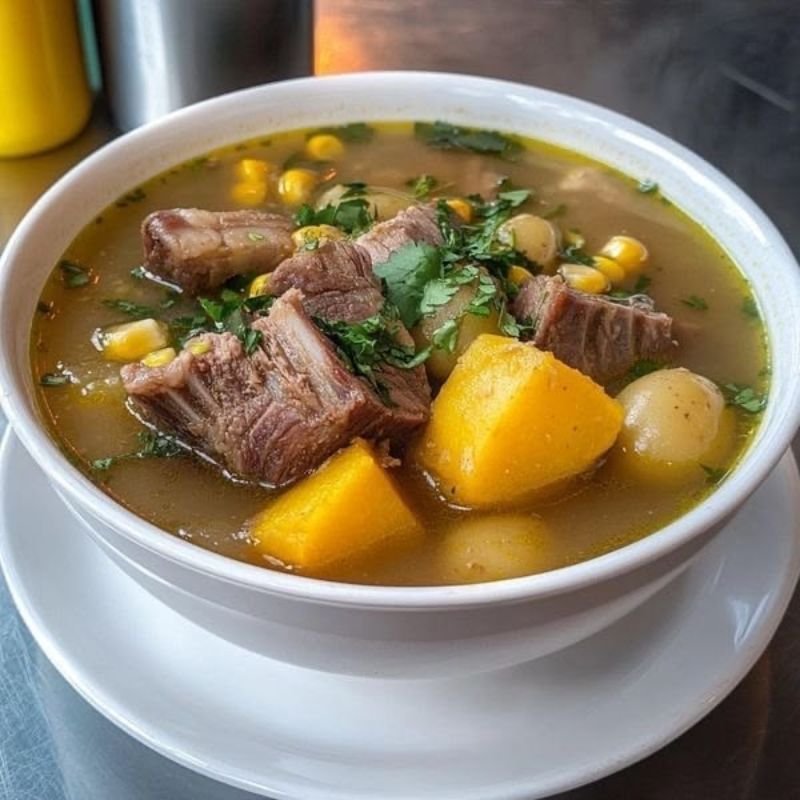
Ajiaco is a thick, warming chicken soup that Bogota residents consider their city’s signature dish. It combines three types of potatoes with corn on the cob and guasca herb. Moreover, cooks serve it with capers, cream, and avocado on the side. As a result, the soup delivers a creamy, earthy depth that no other Colombian recipe quite replicates.
Sancocho
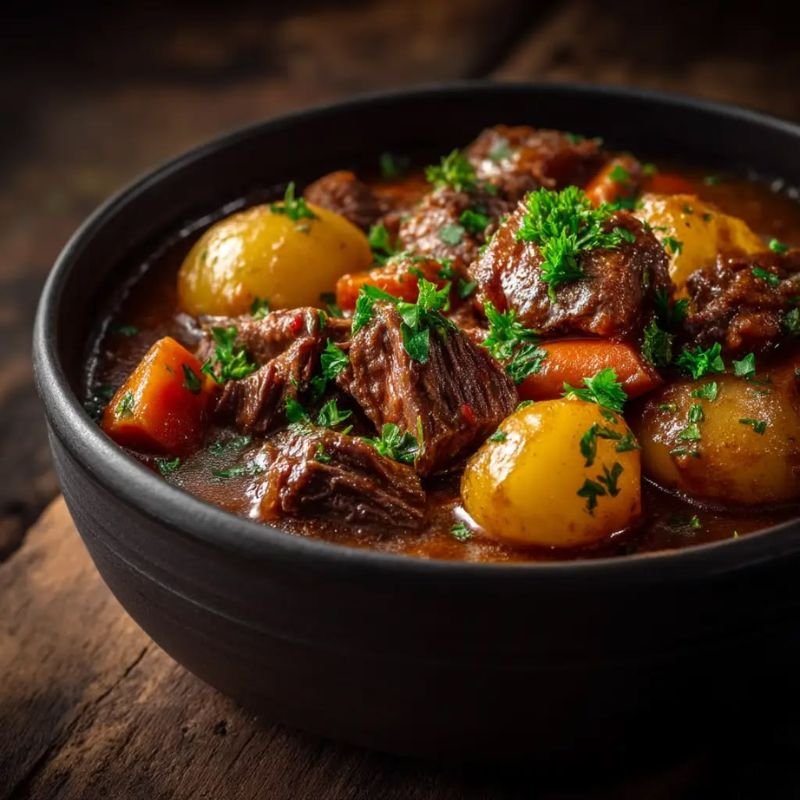
Sancocho is a hearty stew that families across Colombia make for Sunday gatherings and celebrations. Cooks add chicken, beef, or fish depending on the region, along with yuca, corn, and plantain. Additionally, they season it with cilantro, cumin, and garlic. Therefore, sancocho stands as a comfort food that brings people together around the table.
Colombian Street Food You Must Try
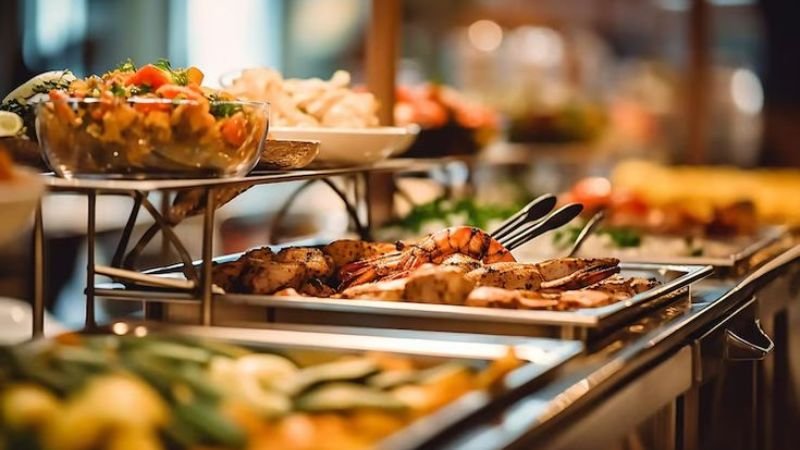
Colombian street food offers some of the most exciting eating experiences in the country. In fact, vendors serve these snacks on every corner, from Bogota’s busy plazas to Cartagena’s colorful streets.
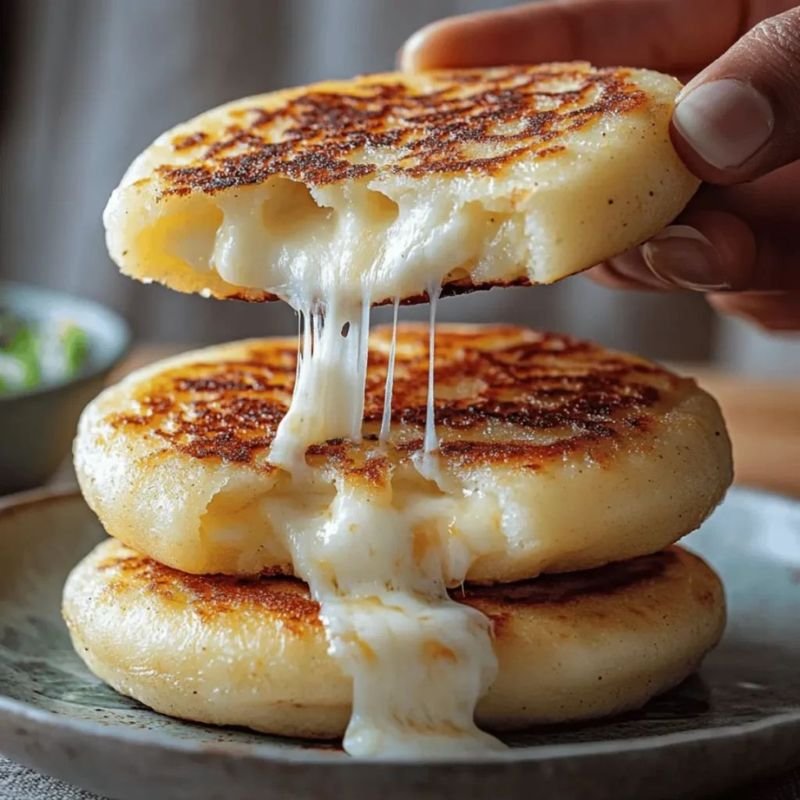
- Arepas Grilled corn cakes that vendors stuff with cheese, egg, or hogao sauce. They appear at breakfast, lunch, and dinner throughout Colombia.
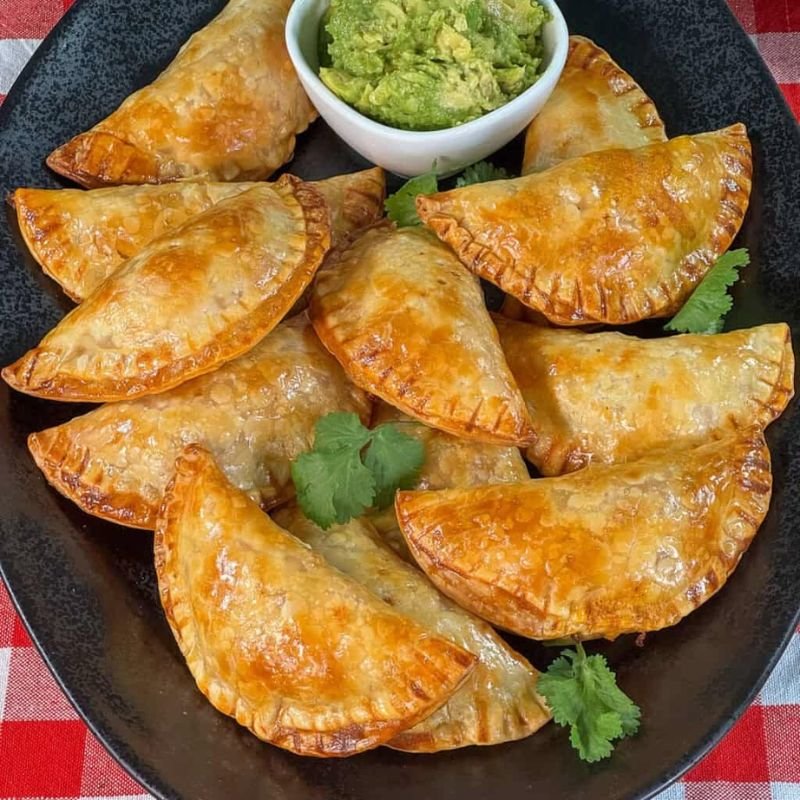
- Empanadas Deep fried pastry pockets filled with seasoned meat, potato, and rice. Street vendors serve them with aji hot sauce on the side Cuban Food A Complete Guide.
- Bunuelos Light, fried cheese balls that Colombians especially love during the Christmas season.
- Obleas Two thin wafers sandwiching arequipe (dulce de leche), jam, or cheese. Vendors assemble them fresh at their carts.
- Chuzos Meat skewers grilled over charcoal and served with potatoes and aji sauce.
Furthermore, trying Colombian street food is one of the best ways to connect with local culture without spending much money. However, always choose vendors with high turnover to ensure freshness.
Regional Varieties in Colombian Cuisine
One of the most fascinating aspects of Colombian cuisine is how dramatically it changes from region to region. For example, coastal areas rely heavily on seafood and coconut milk, while the interior Andean highlands favor hearty soups and grilled meats.
Coastal Colombian Food
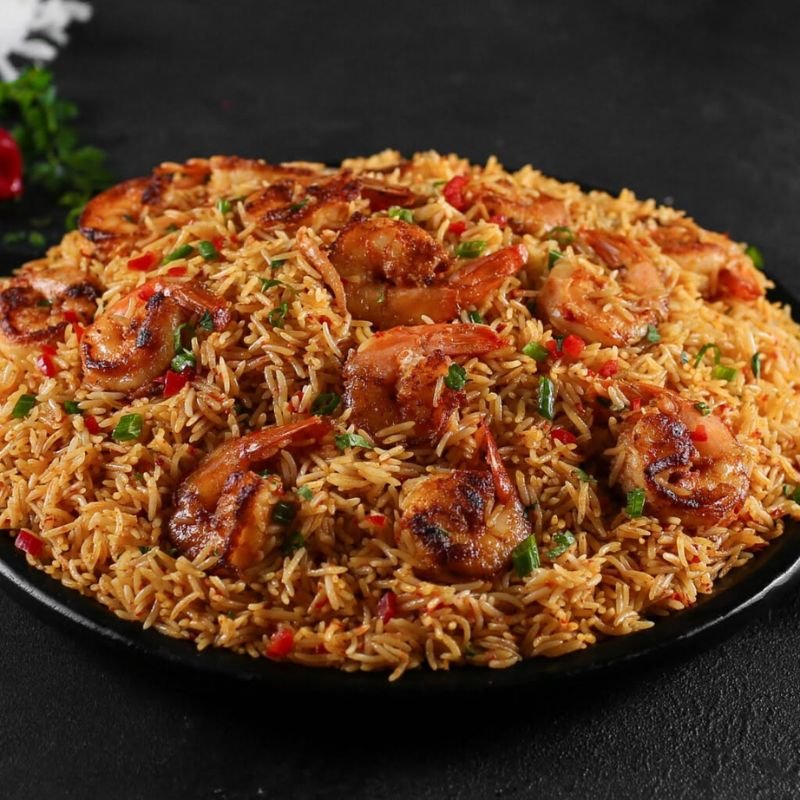
The Caribbean and Pacific coasts offer a completely different food of Colombia than the mountains. Cooks use coconut rice, fried fish, and ceviche as everyday staples. Moreover, the dish arroz con coco fragrant rice cooked in coconut milk appears at almost every coastal meal.
Andean Colombian Food
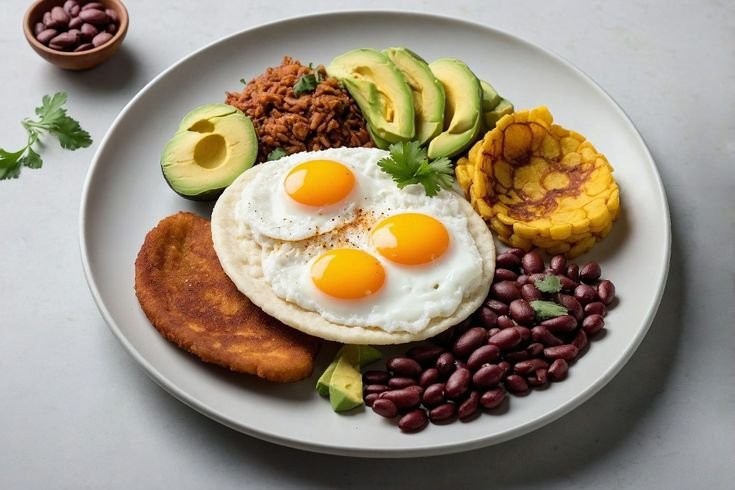
In the Andean region, the food of Colombia takes on a heartier character. Cities like Medellin and Bogota feature soups, stews, and grilled meats that fuel people through cool mountain temperatures. In addition, the Antioquia region produces some of the finest coffee in the world, and locals pair it with almojabanas at breakfast.
Amazonian Colombian Food
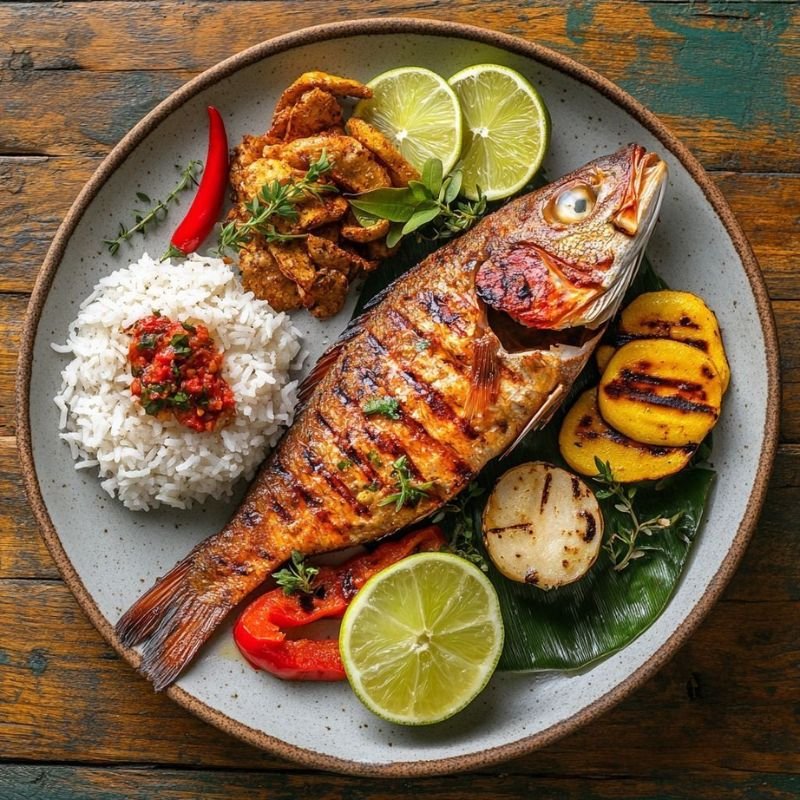
The Amazon region offers a wilder culinary experience. Indigenous communities prepare dishes using tropical fruits, river fish like pirarucu, and manioc based preparations. Furthermore, cooks roast these ingredients over open fires, preserving cooking techniques that date back thousands of years.
Colombian Breakfast Traditions

A traditional Colombian breakfast is filling, flavorful, and sets a strong tone for the day. Most mornings start with a hot mug of tinto strong black coffee alongside one or more of these items:
- Changua A milk and egg soup from Bogota, seasoned with cilantro and served with stale bread.
- Calentado Leftover rice and beans fried together the next morning, often served with egg and arepa.
- Pandebono A soft cheese bread roll baked fresh every morning and best enjoyed warm.
- Tamales Cornmeal dough stuffed with pork, chicken, or vegetables, wrapped in banana leaves and steamed slowly.
Therefore, a Colombian breakfast tells you a lot about the culture people value warmth, generosity, and starting the day with a real, satisfying meal.
Traditional Colombian Beverages
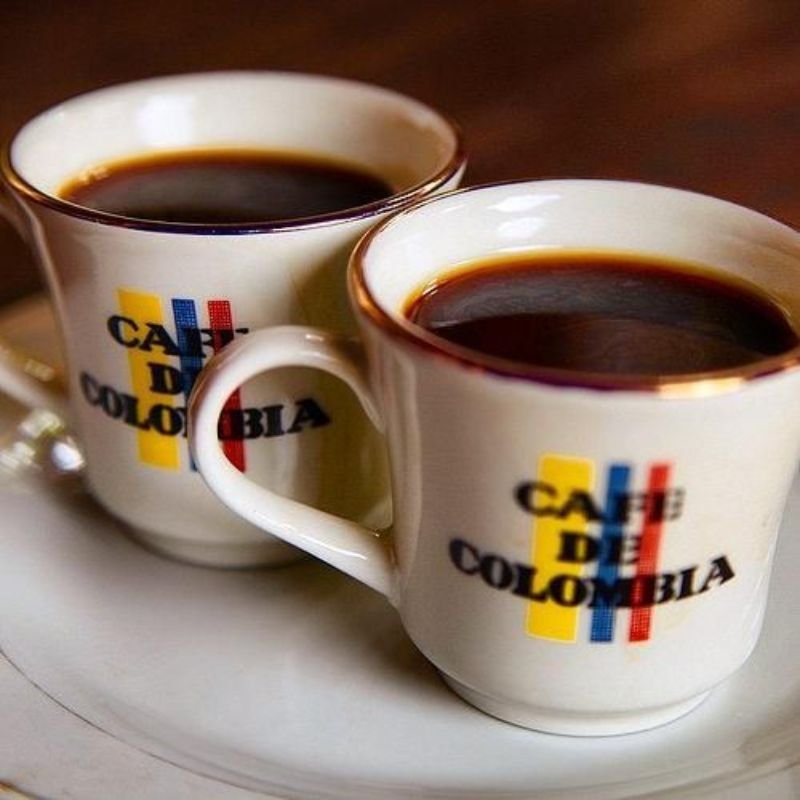
No exploration of Colombian food and culture is complete without tasting the country’s drinks. Colombia produces world class coffee, but its beverage culture goes far beyond that.
- Tinto Small cups of strong black coffee served throughout the day, often free at restaurants.
- Aguapanela Hot or cold water mixed with raw cane sugar, often with a squeeze of lime.
- Lulada A refreshing drink from Cali made with crushed lulo fruit, water, sugar, and lime.
- Chicha A fermented corn drink with indigenous roots, still found in rural and artisan markets.
- Ron Colombian rum from the Caribbean coast ranks among the best in South America Bolivian Food A Guide .
Moreover, fresh juices from tropical fruits like maracuya, guanabana, and tomate de arbol appear on every menu. Consequently, Colombia might be the best country in the world for fruit juice lovers.
Colombian Desserts and Sweets

Colombians love their sweets, and the dessert tradition runs deep across the country. In addition, many Colombian desserts use ingredients like arequipe, cheese, and tropical fruits in creative combinations.
- Arequipe Colombia’s version of dulce de leche: thick, creamy, and caramel flavored, eaten by the spoonful or spread on bread.
- Postre de natas A creamy milk pudding dessert made from the cream skimmed off boiling milk.
- Bocadillo A firm guava paste block often paired with fresh white cheese sweet meets salty perfectly.
- Torta de choclo A slightly sweet corn cake that bridges the line between bread and dessert.
Furthermore, during holidays like Christmas, Colombians prepare special sweets that families pass down through generations. Therefore, desserts in Colombian culture are not just food they carry memory, tradition, and love.
FAQs
Q1: What is Colombian food known for?
Colombian food is known for its bold flavors, hearty portions, and diverse regional ingredients across the country.
Q2: What is the most popular traditional Colombian dish?
Bandeja paisa is the most popular traditional Colombian dish, loaded with rice, beans, meat, egg, and arepa.
Q3: Is Colombian food spicy?
Colombian food is generally mild, and cooks serve spicy aji sauce on the side rather than mixing it into dishes.
Q4: What do Colombians eat for breakfast?
Colombians typically eat arepas, calentado, or changua soup for breakfast, always paired with strong black coffee.
Q5: What makes Colombian cuisine unique compared to other Latin American food?
Colombian cuisine is unique because it blends Andean, Caribbean, and Amazonian cooking styles all within one country.
Conclusion
Colombian food is a true celebration of diversity, history, and passion. From the mountain high comfort of bandeja paisa to the breezy coastal freshness of coconut rice and ceviche, every region brings something irreplaceable to the table. Moreover, Colombian food uses humble ingredients but transforms them into deeply satisfying meals that nourish both body and soul. Furthermore, the rich blend of indigenous, Spanish, and African culinary traditions makes every dish a story worth tasting. Therefore, whether you are a seasoned food traveler or simply someone who loves discovering new flavors, Colombian food always delivers a memorable and rewarding experience.
So, do not wait any longer start exploring Colombian food today. In addition, look for a local Colombian restaurant near you, try making arepas from scratch at home, or experiment with a fresh cup of authentic Colombian coffee. Above all, share these dishes with family and friends, because Colombian food tastes even better when you enjoy it together. Consequently, every bite you take brings you closer to one of the most vibrant and underrated food cultures in all of Latin America.