
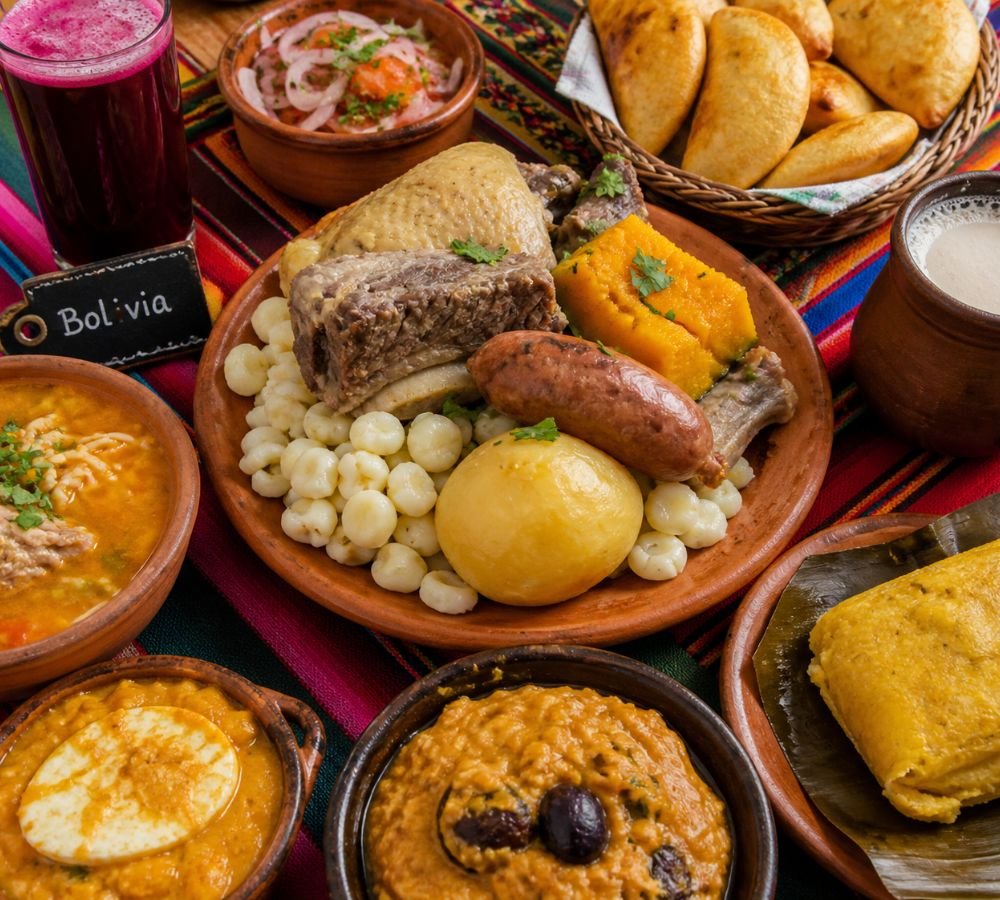
When you think of South American food, you probably imagine Brazilian churrasco or Peruvian ceviche. But let me introduce you to a hidden gem: Bolivian Food. This cuisine bursts with indigenous roots, colonial influences, and bold flavors. From the high Andes to the Amazon lowlands, Bolivian Food tells a story of tradition and community. In this guide, you will learn about the most iconic traditional Bolivian dishes, key ingredients, and where to start your culinary journey. Bolivian Food remains one of the continent’s most underrated treasures. Moreover, it offers something for every palate—hearty soups, savory pastries, and unique drinks. Therefore, get ready to explore the food of Bolivia like never before.
Why Bolivian Cuisine Stands Out in South America
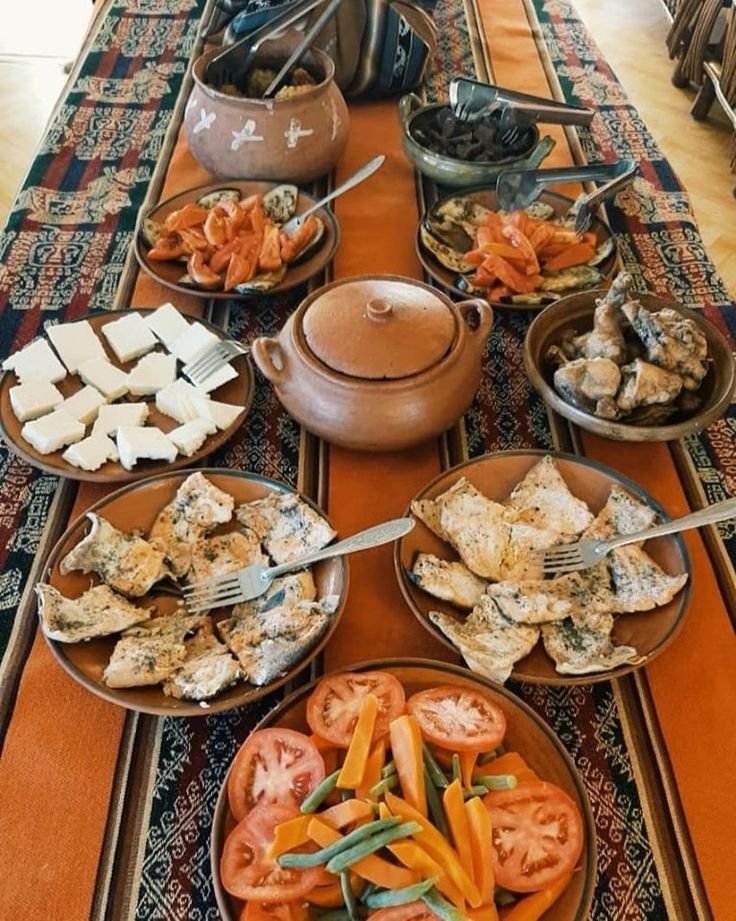
Columbian cooking methods, while integrating Spanish ingredients. Potatoes, corn, beans, and quinoa have grown here for thousands of years. As a result, the food feels ancient yet exciting. Furthermore, Bolivia’s geography creates three distinct culinary zones: the highlands (Altiplano), the warm valleys (Yungas), and the tropical lowlands. Each region adapts Bolivian Food to local crops and climates. You won’t find heavy cream or complex sauces. Instead, cooks rely on fresh herbs, spicy peppers, and fermented grains. This simplicity makes Bolivian Food both honest and addictive.
In addition, many traditional Bolivian dishes remain unchanged for centuries. Families pass down recipes orally from grandmothers to grandchildren. Therefore, eating Bolivian Food feels like tasting living history. No wonder food lovers now travel specifically to Bolivia for cooking classes and market tours.
Essential Ingredients That Define Bolivian Food
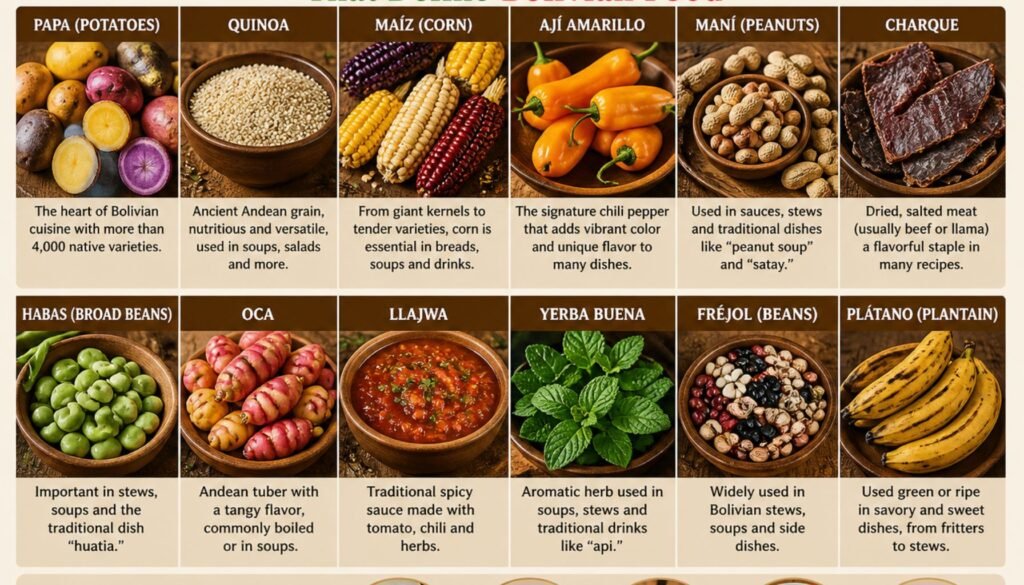
To understand Bolivian Food, you must know its building blocks. Here are the core ingredients:
Potatoes and Chuño
Bolivia grows over 200 varieties of potatoes. Locals also freeze-dry potatoes to create chuño. This ancient preservation method removes water using Andean night frosts. Chuño lasts for years and adds a unique texture to soups.
Corn (Maíz)
Corn appears in nearly every meal. Humintas (sweet corn cakes), api (thick corn drink), and mote (boiled corn kernels) are just a few examples. Bolivian Food uses white, yellow, and purple corn interchangeably.
Quinoa and Amaranth
These ancient grains provide protein and fiber. Andean people have cultivated quinoa for over 5,000 years. Bolivian recipes often serve quinoa in soups or as a side dish.
Aji Peppers
Aji amarillo, aji rocoto, and aji colorado bring heat and depth. Bolivian Food rarely burns your mouth; instead, it offers a warm, fruity spice. The famous llajwa sauce combines aji with tomatoes and herbs.
Llajwa (Spicy Sauce)
This fresh salsa uses locoto peppers, tomatoes, cilantro, and quinoa broth. Diners add llajwa to almost everything. It brightens heavy dishes and cuts through fats.
Herbs and Aromatics
Cilantro, oregano, mint, and huacataya (a local herb) appear often. These fresh greens keep Bolivian Food vibrant.
Traditional Bolivian Dishes You Must Try
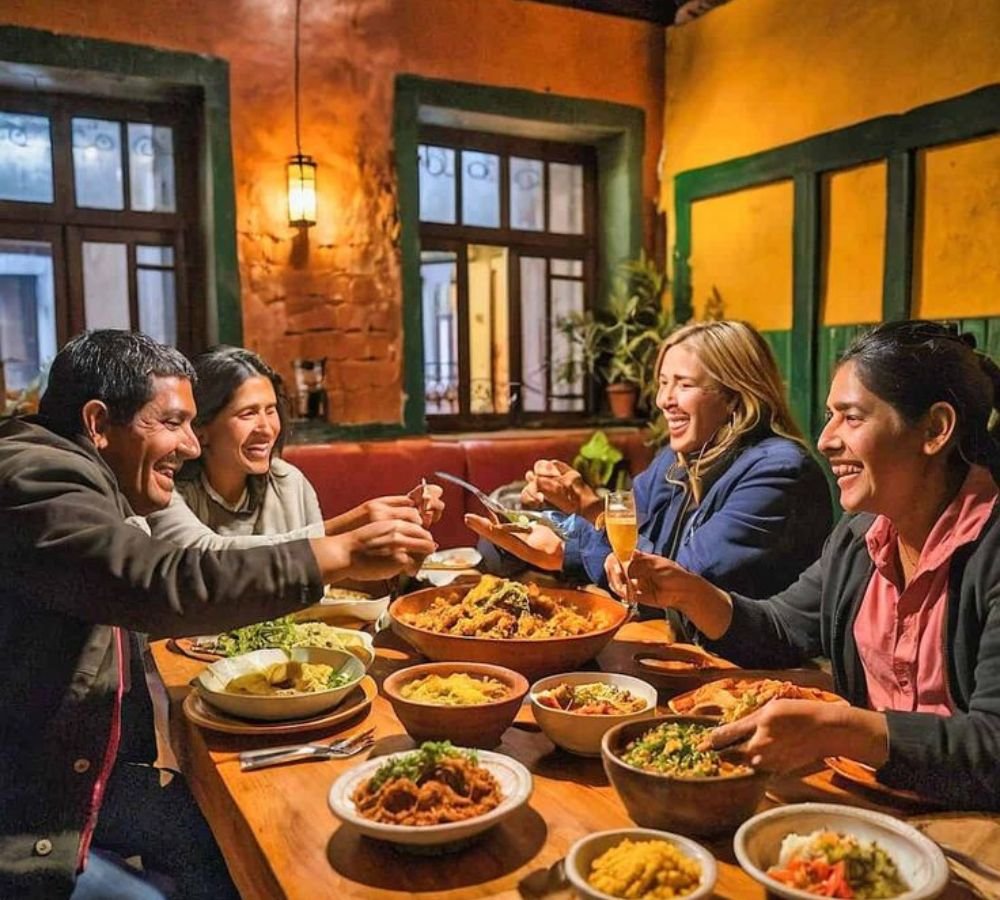
Let’s explore the heart of Bolivian Food: the main dishes. Each one tells a unique story.
Salteñas – The Famous Baked Empanada
Salteñas resemble empanadas but taste completely different. A slightly sweet, golden dough encloses a juicy filling of chicken or beef, potatoes, peas, olives, and hard-boiled egg. Furthermore, the filling includes a sweet-spicy gravy that makes salteñas famously messy to eat. Locals enjoy them as a mid-morning snack. Many say the best Bolivian Food experience starts with a salteña and a glass of fresh orange juice.
Silpancho – A Carnivore’s Delight
Silpancho comes from the Cochabamba region. This plate stacks layers: a thin, breaded beef cutlet sits on a bed of rice, then boiled potatoes, and finally a fried egg on top. A sprinkle of chopped onions and tomatoes finishes the dish. Traditional Bolivian dishes like silpancho show how simple ingredients create deep satisfaction. You will feel full for hours after eating it.
Pique Macho: The Ultimate Street Food
Named after a Bolivian soccer player’s nickname (“El Macho”), this platter overflows with sliced hot dogs, beef strips, sausages, onions, peppers, and French fries. Served on a large oval dish, diners pour llajwa sauce generously over everything. Pique Macho represents the fun, unpretentious side of Bolivian Food. People share it with friends and cold beer.
Sopa de maní Peanut Soup
Do not underestimate this creamy, nutty soup. Sopa de maní uses ground peanuts, beef broth, green beans, carrots, and pasta. Some versions add crushed potato or beef shanks. The result warms you like a blanket on a cold Andean night. The food of Bolivia includes many soups, but this one wins hearts worldwide.
Anticucho – Grilled Beef Heart
Vendors fire up grills at night to sell anticuchos. Skewers of marinated beef heart cook over hot coals. A thick, spicy peanut sauce accompanies the meat. The texture is tender, not tough. Anticucho proves that Bolivian Food does not waste any part of the animal. Serve it with boiled potatoes and aji sauce.
Humintas and Tamales
Both dishes use fresh corn dough. Hunters wrap sweet corn dough in corn husks and boil them. Some versions include cheese, sugar, or cinnamon. Tamales (called humintas saladas) are savory with chicken, olives, and eggs. These portable snacks fill markets across Bolivia. Bolivian recipes for humintas vary from family to family, but all taste like pure comfort.
Soups and Sides in Bolivian Cuisine
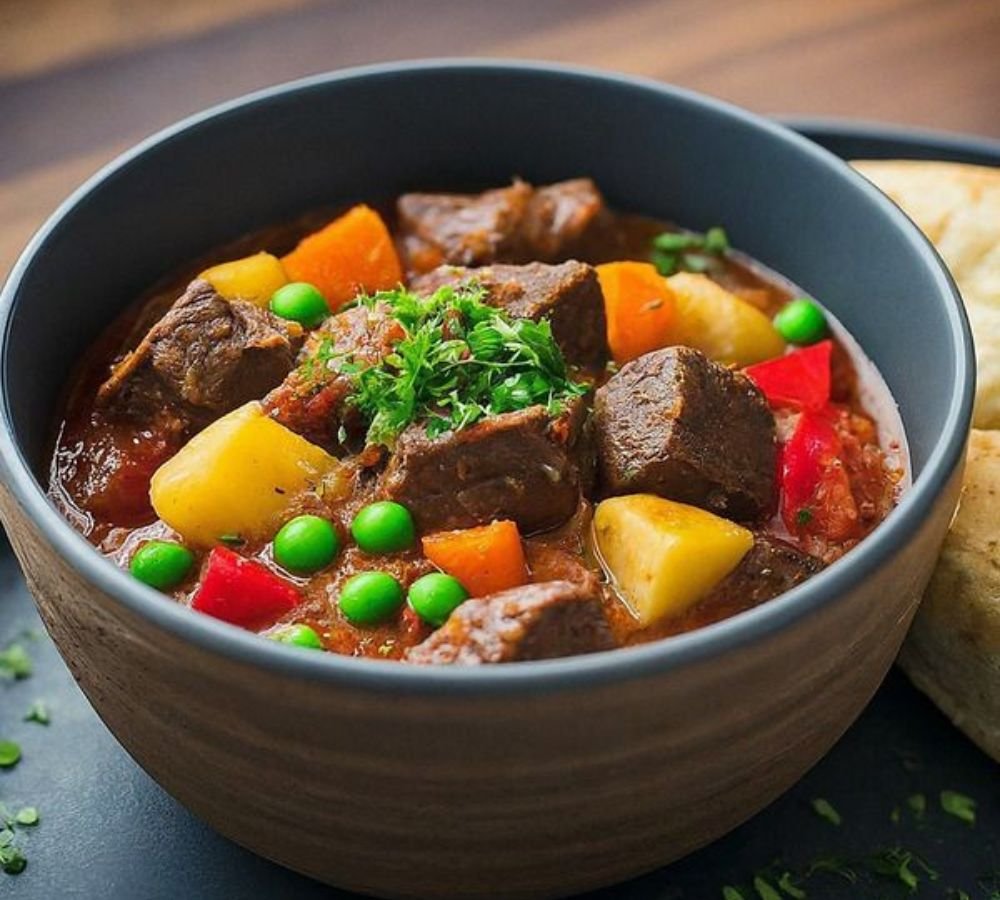
No meal in Bolivia feels complete without soup. Bolivian cuisine features at least a dozen iconic soups.
Chairo: A hearty highland soup made with chuño, beef, carrots, peas, and oregano. Many call it the national soup of Bolivia.
Lawas: Three variations exist—wheat lawa (a creamy wheat soup), rice lawa, and corn lawa. They often serve as a first course before lunch.
Chupe de Quinua: A thick quinoa soup with potatoes, cheese, milk, and herbs. Vegetarians love this option.
For sides, you will find:
- Mote (cooked hominy corn)
- Papas a la Huancaína (boiled potatoes with a spicy cheese sauce)
- Frijoles (seasoned black beans)
These sides complement any main Bolivian Food dish.
Bolivian Drinks to Pair With Your Meal

Bolivian Food pairs wonderfully with unique beverages.
Api Morado: A hot, thick purple corn drink sweetened with cinnamon and cloves. Vendors sell api with pastries in the morning.
Chicha: Fermented corn beer with a sour flavor. Breweries produce both non-alcoholic and alcoholic versions. Drinking chicha is a communal act.
Singani: Bolivia’s national spirit, distilled from Muscat grapes. Mix it with ginger ale and lime to make a Chuflay cocktail.
Mocochinchi: A cold, sweet drink made from dried peaches boiled with cinnamon, cloves, and sugar. It tastes like autumn in a glass.
Té de Coca: Coca leaf tea helps combat altitude sickness. It has a mild, grassy flavor.
Try these drinks alongside traditional Bolivian dishes for a complete experience.
Regional Variations: How Bolivian Food Changes by Area
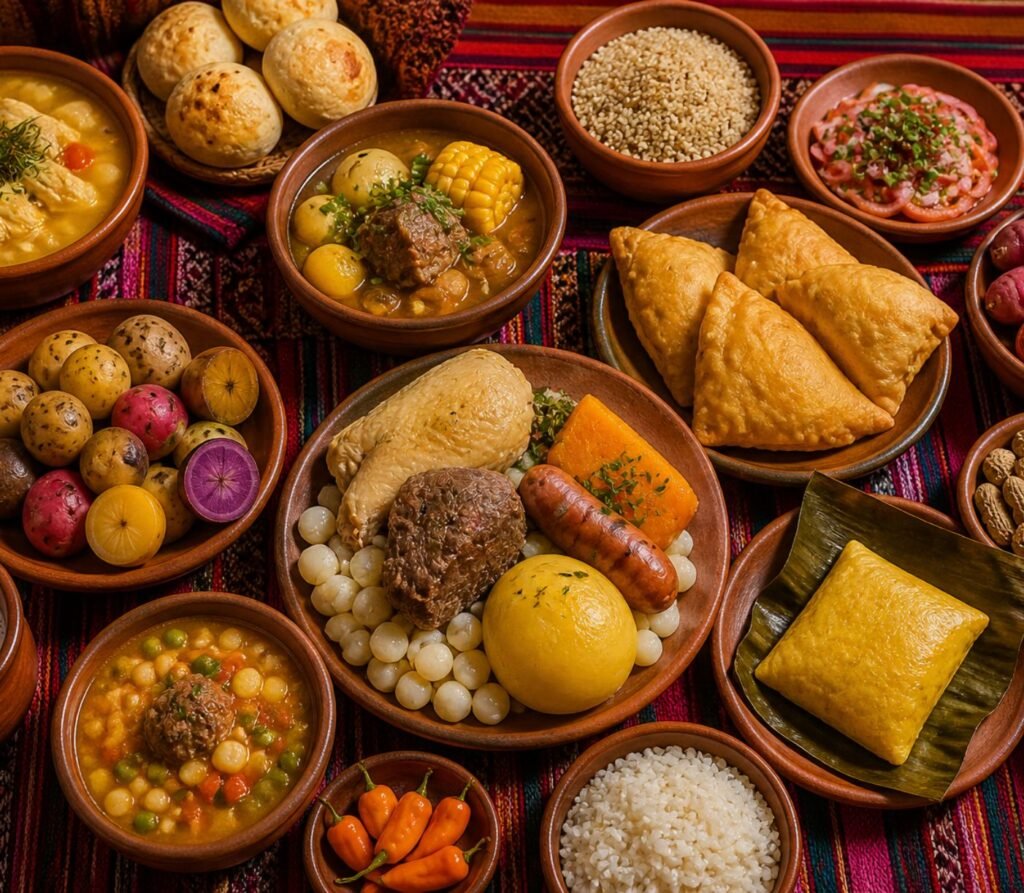
Bolivian Food varies dramatically by region. Let’s break it down.
Altiplano (Highlands – La Paz, Oruro, Potosí)
Cold temperatures demand calorie-dense foods. Think soups, stews, and dehydrated potatoes. Pachamanca (an earth oven dish) and Chairo soup dominate here. You also find roasted guinea pig (cuy) as a traditional protein.
Valles (Valleys – Cochabamba, Tarija, Chuquisaca)
This zone produces most of Bolivia’s fresh produce. Dishes here are lighter and use fresh herbs. Silpancho and Pique Macho come from this region. The valleys also grow grapes for singani production.
Llanos (Lowlands – Santa Cruz, Beni, Pando)
Tropical ingredients shine here. Yucca, plantains, rice, and river fish replace potatoes. Majao (rice with fried egg, plantain, and beef) and Sudado de Surubí (catfish stew) are local favorites. Bolivian Food in the lowlands tastes more like Amazonian cuisine than Andean.
No matter where you go, Bolivian Food welcomes you with warmth and authenticity.
Easy Bolivian Recipes to Try at Home
You do not need to travel to Bolivia to enjoy Bolivian Food. Here are two beginner-friendly Bolivian recipes.
Simple Llajwa Sauce
- 2 locoto peppers (or jalapeños)
- 2 ripe tomatoes
- ¼ cup fresh cilantro
- ¼ cup quinoa or vegetable broth
- Salt to taste
Blend all ingredients until smooth. Serve with grilled meats or on rice.
Quick Humintas (Sweet Corn Cakes)
- 4 cups fresh corn kernels (or frozen)
- ½ cup cornmeal
- ½ cup sugar
- 1 egg
- ¼ cup butter, softened
- Corn husks (soaked)
Blend corn, cornmeal, sugar, egg, and butter. Spoon mixture onto corn husks. Fold and tie. Steam for 35 minutes. Enjoy warm.
These recipes bring traditional Bolivian dishes into your kitchen with minimal effort.
Where to Find the Best Bolivian Food
If you visit Bolivia, do not miss these food destinations:
- Mercado Rodríguez (La Paz): Bustling market with salteñas, api, and anticuchos.
- La Cancha (Cochabamba): South America’s largest open-air market. Endless food stalls.
- Mercado Central (Sucre): Famous for chorizo and fresh juices.
- Street carts at night: Look for anticucho carts with red-checkered tablecloths.
Restaurants like Gustu (La Paz) offer high-end Bolivian Food using local ingredients. Nevertheless, street vendors serve the most authentic experiences.
FAQs
1. What is the most popular Bolivian Food dish?
Salteñas are the most popular and iconic Bolivian Food item nationwide.
2. Is Bolivian Food very spicy?
Most Bolivian Food is mild; you add spiciness yourself using llajwa sauce.
3. Does Bolivian Food include many vegetarian options?
Yes, dishes like humintas, lawas, and quinoa soups are naturally vegetarian.
4. What is a typical Bolivian breakfast?
A typical breakfast includes bread, cheese, jam, and a cup of api morado.
5. How does Bolivian Food differ from Peruvian food?
Bolivian Food uses less seafood and more potatoes, corn, and fermented grains than Peruvian food.
Conclusion
Bolivian Food offers something truly special: authenticity, history, and bold simplicity. Unlike other South American cuisines, it has not been heavily altered for global restaurants. Instead, Bolivian Food remains honest and rooted in local communities. From the high-altitude soups of the Altiplano to the tropical stews of the lowlands, every dish tells a story. Moreover, the growing interest in Bolivian recipes online shows that the world is finally waking up to this culinary treasure. Whether you try making humintas at home or book a flight to La Paz, start your journey with an open mind and an empty stomach. Bolivian Food will reward you with flavors you will never forget. So go ahead take that first bite.
m