

Australian traditional food tells the story of a continent shaped by ancient Indigenous knowledge, British settlement, and decades of migration. This unique blend of influences has created a cuisine that feels both familiar and distinctly its own. From meat pies at football matches to pavlova at Christmas dinners, these iconic dishes carry deep cultural meaning across the country.
Because Australia’s food history stretches back tens of thousands of years, its culinary identity runs far deeper than most people realize. Understanding Australian traditional food means exploring native ingredients, colonial recipes, and the everyday meals that continue to bring communities together. This guide walks through the origins, iconic dishes, and cultural significance behind this fascinating cuisine.
The Origins of Traditional Australian Dishes

This cuisine did not begin with European settlers. Indigenous Australians have lived on this land for more than 60,000 years, and their relationship with native ingredients forms the true foundation of the country’s food story. Bush tucker, which includes native plants, seeds, and animals, sustained Aboriginal communities long before colonization.
When British colonists arrived in the late 1700s, they brought their own recipes and farming methods. However, they also adapted to unfamiliar land and climate conditions. As a result, early Australian cooking blended British staples like meat and bread with locally available produce.
Later waves of migration added even more variety to the national menu. Italian, Greek, Chinese, and Vietnamese communities, among many others, introduced new flavors and techniques. Consequently, modern Australian cuisine reflects a rich mix of cultures while still honoring its traditional roots.
Why Australian Traditional Food Matters Today
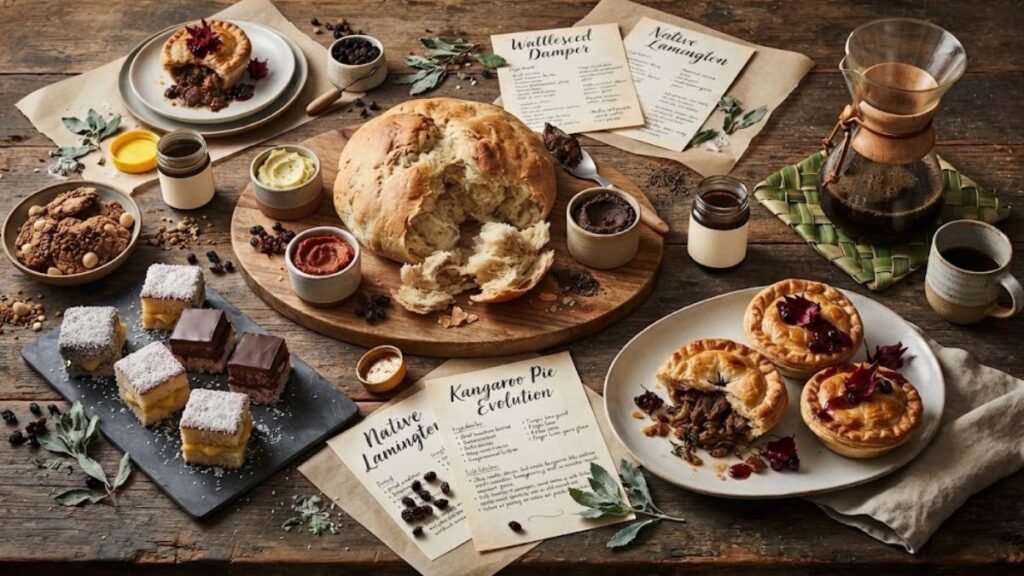
Food plays a central role in Australian identity. Many traditional dishes appear at national celebrations, sporting events, and family gatherings. Therefore, understanding these foods offers real insight into Australian values like community, resourcefulness, and casual hospitality.
Moreover, these traditional dishes connect modern Australians to their shared history. Even as international cuisines grow in popularity, classic dishes remain firmly rooted in everyday life across cities and rural towns alike.
Iconic Australian Food You Should Know

Several dishes stand out as symbols of Australian food culture. Each one carries its own story and continues to hold a place in modern menus.
The Australian Food Meat Pie
The meat pie ranks among the most iconic Australian dishes. This handheld pastry contains minced meat, gravy, and often vegetables, all wrapped inside a flaky crust. Australians commonly eat meat pies at sporting events, especially during football season.
Bakeries across the country compete to create the best version, and regional variations include curry pies and gourmet fillings. Despite these updates, the classic meat pie remains a beloved comfort food nationwide.
Sausage Rolls
Sausage rolls offer another example of famous Australian foods rooted in British tradition. These pastries wrap seasoned sausage meat inside puff pastry and bake until golden. People often serve them at parties, school lunches, and casual gatherings.
Because sausage rolls travel well and taste great at room temperature, they remain a practical choice for outdoor events and picnics.
Lamingtons
Lamingtons hold a special place among traditional Australian desserts. This simple sponge cake gets dipped in chocolate icing and rolled in desiccated coconut. Bakers sometimes slice the cake in half and add cream or jam in the middle.
Lamington Day, celebrated every July, honors this dessert with fundraising events and community bake sales across Australia.
Pavlova
Pavlova stands as a centerpiece dessert during holidays and celebrations. This meringue-based treat features a crisp outer shell and a soft, marshmallow-like center. Cooks typically top it with whipped cream and fresh fruit like strawberries, kiwi, or passionfruit.
Although Australia and New Zealand both claim credit for inventing pavlova, the dish remains firmly established as a staple dessert, especially during Christmas in summer.
Vegemite
Vegemite might be the most debated item on this list. This dark, salty spread made from yeast extract divides opinions among visitors, yet Australians grow up eating it on toast from an early age. Because of its strong flavor, first-time tasters often need a light touch to enjoy it properly.
Vegemite remains a pantry staple in most Australian households and represents a distinctly national taste that few other countries have adopted.
Anzac Biscuits
Anzac biscuits carry deep historical significance. Families originally baked these oat-based biscuits to send to soldiers overseas during World War I because the ingredients traveled well without spoiling. Made from oats, golden syrup, coconut, and butter, these biscuits offer a chewy texture and rich, caramel-like flavor.
Today, Australians bake Anzac biscuits every year around Anzac Day to honor military history and remember those who served.
Native Ingredients That Define Australian Food
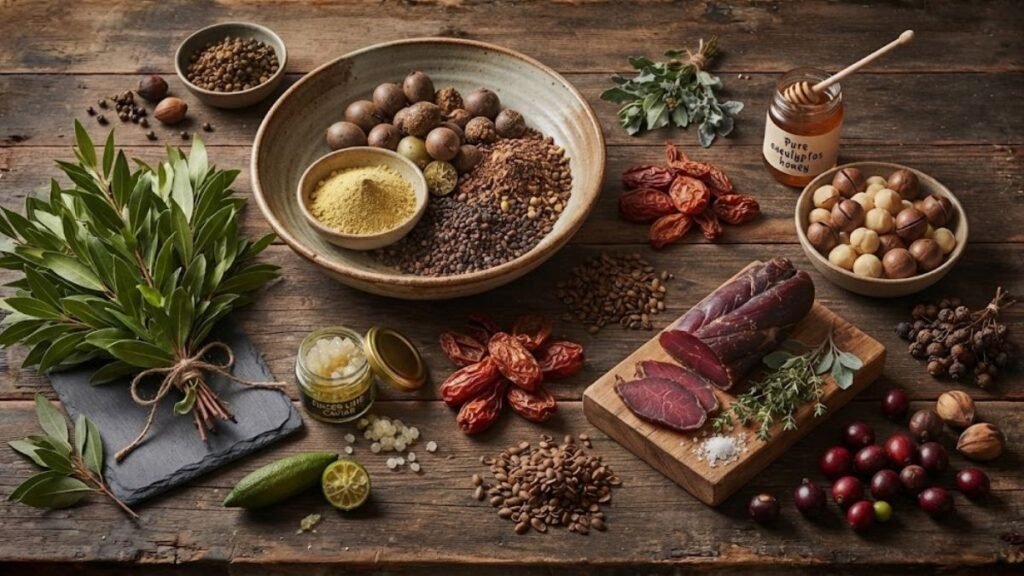
Australian native ingredients add a unique dimension to the country’s culinary identity. Chefs increasingly use bush tucker ingredients to create modern dishes that honor Indigenous food traditions.
Kangaroo Meat
Kangaroo meat offers a lean, flavorful protein source that has featured in Australian diets for thousands of years. Modern restaurants now serve kangaroo steaks, sausages, and burgers as a nod to native food heritage.
Macadamia Nuts
Macadamia nuts originated in Australia before becoming popular worldwide. These rich, buttery nuts appear in both sweet and savory Australian recipes, from cookies to crusted fish dishes.
Finger Lime
Finger lime, sometimes called “citrus caviar,” produces small pearl-like segments bursting with tangy juice. Chefs use this native fruit to add texture and flavor to seafood dishes, cocktails, and desserts.
Wattleseed
Wattleseed comes from native acacia plants and offers a nutty, coffee-like flavor. Bakers often roast and grind wattleseed for use in bread, ice cream, and other baked goods.
Other Famous Australian Foods Worth Trying

Beyond the most iconic dishes, several other famous Australian foods deserve recognition. These snacks and meals appear regularly in homes, bakeries, and casual restaurants across the country.
Damper
Damper is a simple soda bread that early settlers and stockmen cooked over open campfires. Made from flour, water, and a pinch of salt, this rustic bread required no yeast or fancy equipment. Families often serve damper today with butter and golden syrup as a nod to pioneering history.
Chiko Roll
The Chiko Roll emerged in the 1950s as a portable snack sold at football games and country shows. This deep-fried roll contains a filling of cabbage, barley, beef, and spices wrapped in a thick pastry skin. Although it is not particularly healthy, it remains a nostalgic favorite for many Australians.
Fairy Bread
Fairy bread is a beloved treat at Australian children’s birthday parties. Cooks spread butter or margarine on white bread, then cover it generously with rainbow sprinkles known locally as “hundreds and thousands.” This cheerful snack introduces young Australians to their food culture from an early age.
Chicken Parmigiana
Chicken parmigiana, affectionately called a “parma” or “parmi,” has become a pub food staple across the country. This dish features a crumbed chicken schnitzel topped with tomato sauce, ham, and melted cheese, usually served alongside chips and salad. Many pubs even host weekly “parma night” specials.
Image suggestion: A hearty chicken parmigiana served with chips — Alt text: “Traditional Australian food chicken parmigiana with chips”
Regional Variations Across Australia
This national cuisine varies slightly depending on the region. Coastal areas naturally emphasize fresh seafood, including barramundi, prawns, and oysters. Meanwhile, inland regions lean more heavily on beef, lamb, and native game meats.
Tropical regions in the north incorporate native fruits like davidson plum and Kakadu plum into local dishes. Southern regions, with their cooler climate, focus more on hearty stews, roasted meats, and baked goods.
Because Australia spans such a vast and diverse landscape, no single dish fully represents the entire country. Instead, this regional diversity adds depth and richness to the national food identity.
The Australian Food Barbecue Culture
No discussion of this national cuisine would be complete without mentioning the barbecue, often called a “barbie.” Australians frequently gather for outdoor barbecues featuring grilled sausages, steaks, and seafood.
This casual dining style reflects the relaxed, social nature of Australian culture. Family gatherings, public holidays, and beach outings often include a barbecue as the central event. Because the climate supports outdoor cooking for much of the year, barbecues remain a consistent part of everyday life.
Drinks That Complement Australian Food

Food is only part of the story. Beverages also play an important role in daily life and social gatherings across the country.
Australian Wine
Australia produces world-renowned wines, particularly from regions like the Barossa Valley and Hunter Valley. Shiraz stands out as the country’s signature red wine, while Australian Chardonnay and Riesling also enjoy strong reputations among wine enthusiasts.
Beer Culture
Beer holds a central place in Australian social life, especially during barbecues and sporting events. Local brands like VB, XXXX, and Carlton Draught remain popular choices, though craft breweries have grown significantly in recent years.
Flat White Coffee
Australians take coffee seriously, and the flat white is widely believed to have originated in Australia during the 1980s. This espresso-based drink, made with steamed milk and minimal froth, has since spread to cafes around the world.
How Australian Traditional Food Continues to Evolve
Modern Australian cuisine blends traditional dishes with global influences. Immigration has introduced new ingredients and cooking styles, while native Australian ingredients continue gaining recognition in fine dining.
Chefs across the country now experiment with fusion dishes that combine classic recipes with international techniques. For example, some restaurants incorporate wattleseed into desserts inspired by French pastry traditions. Others pair kangaroo meat with Asian-inspired sauces and spices.
This ongoing evolution shows that Australian traditional food is not static. Instead, it continues to grow while still honoring its historical roots and cultural significance.
Bringing Australian Traditional Food Into Your Kitchen
You do not need to visit Australia to enjoy these dishes at home. Many Australian traditional food recipes use accessible ingredients found in most grocery stores.
Start with something simple, like sausage rolls or Anzac biscuits, since both recipes require minimal specialty ingredients. From there, you can experiment with pavlova or explore native ingredients like macadamia nuts and finger lime if they are available locally.
Cooking these dishes at home offers a meaningful way to explore Australian culture, even from a distance. As you prepare each recipe, you gain a deeper appreciation for the history and stories behind these iconic foods.
Conclusion
Australian traditional food reflects a rich and layered history that spans Indigenous heritage, colonial influence, and decades of multicultural exchange. From the humble meat pie to the elegant pavlova, each dish tells a story about the people and land that shaped it.
As Australian cuisine continues to evolve, its traditional foundations remain firmly in place. Exploring these dishes offers more than just great flavor. It provides a genuine window into Australian identity and culture.
Try baking a batch of Anzac biscuits or hosting your own backyard barbecue this weekend. You will quickly understand why Australian traditional food continues to hold such a special place in hearts around the world.