
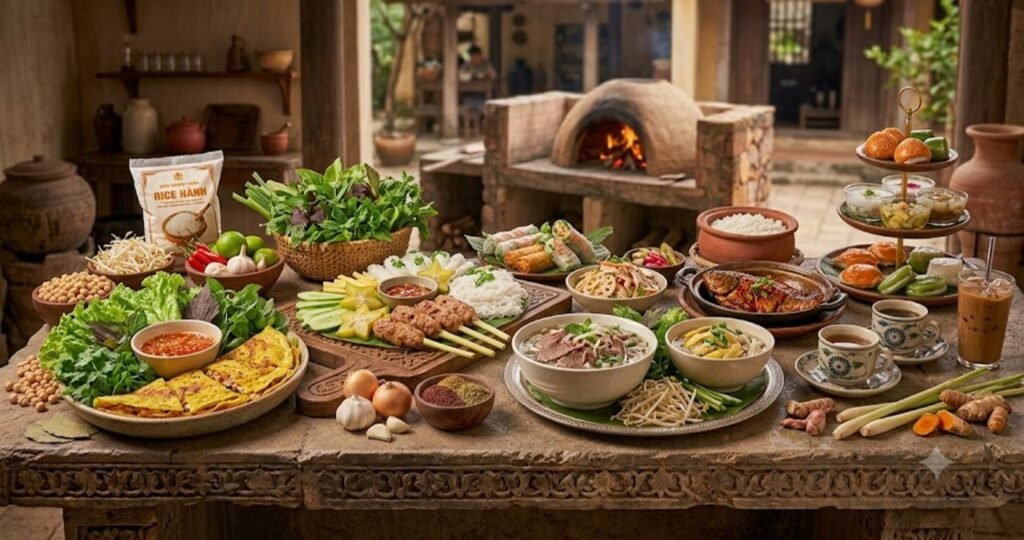
Vietnamese Food attracts food lovers around the world with its fresh ingredients, balanced flavors, and healthy cooking style. Instead of relying on heavy oils and rich sauces, Vietnamese cooks prepare meals with fresh herbs, crisp vegetables, fragrant broths, and natural seasonings. This approach creates light yet flavorful dishes that appeal to people of all ages. Ingredients such as basil, mint, cilantro, lemongrass, lime, and fish sauce give each recipe its distinctive taste. These fresh ingredients create vibrant flavors that food lovers instantly recognize and enjoy.
One of the biggest strengths of Vietnamese Food is its perfect balance of sweet, sour, salty, bitter, and umami flavors. Every meal combines fresh ingredients with simple cooking techniques to produce delicious and satisfying dishes. Popular favorites such as pho, banh mi, bun cha, fresh spring rolls, and banh xeo showcase the diversity of Vietnamese cuisine. Each dish highlights fresh herbs, quality ingredients, and traditional recipes that families have passed down for generations.
Vietnamese Food also reflects the country’s incredible geographic diversity. Northern Vietnam offers subtle and delicate flavors with simple seasonings and comforting soups. Central Vietnam features spicy dishes, bold flavors, and colorful regional specialties. Southern Vietnam serves sweeter dishes, tropical fruits, coconut-based recipes, and abundant seafood. Together, these regional traditions create a rich and diverse food culture that offers something for every taste.
In addition to its incredible flavors, Vietnamese Food provides many health benefits. Vietnamese cooks use lean proteins, fresh vegetables, herbs, and rice to prepare nutritious meals that are naturally balanced. They also prefer steaming, boiling, grilling, and quick stir-frying instead of deep-frying, which helps preserve nutrients while keeping dishes light and wholesome. Many traditional recipes contain fresh herbs that add vitamins, minerals, and natural antioxidants to everyday meals.
Whether you enjoy a steaming bowl of pho, a crispy banh mi, or fresh spring rolls, Vietnamese Food offers a memorable culinary experience. Its fresh ingredients, healthy cooking methods, regional diversity, and authentic flavors continue to attract millions of people worldwide. Today, Vietnamese Food stands among the world’s most respected cuisines because it combines tradition, nutrition, and exceptional taste in every dish.
The History Behind Vietnamese Food
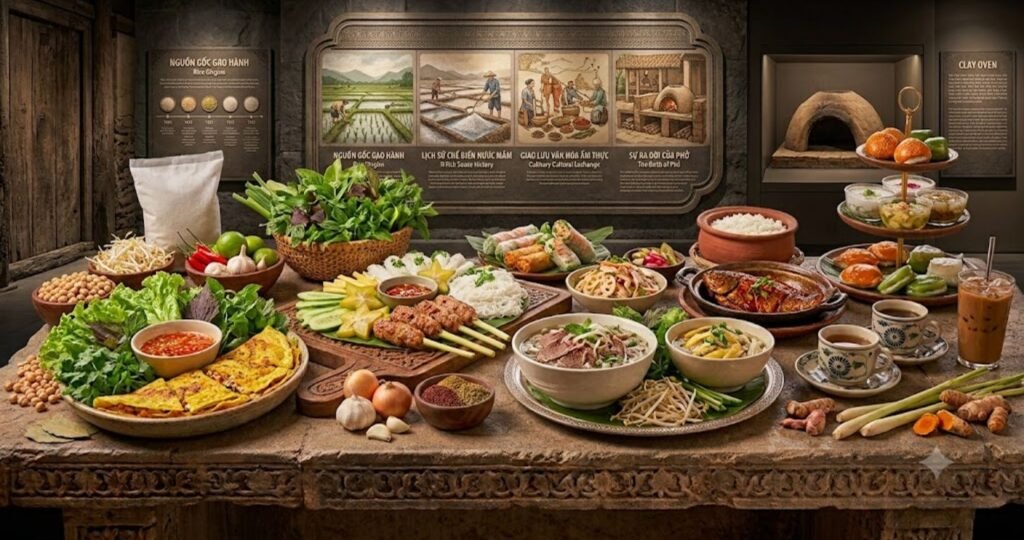
Vietnamese food carries thousands of years of history, cultural exchange, and culinary evolution in every bowl and plate. The earliest Vietnamese communities built their diets around rice cultivation, freshwater fish, and the abundant tropical produce of the Red River Delta. Furthermore, Vietnam's long coastline gave its people access to an extraordinary variety of seafood, which became a cornerstone of Vietnamese food across all regions of the country.
China influenced Vietnam for more than a thousand years, and this relationship left deep marks on Vietnamese food. Techniques such as stir-frying, the use of chopsticks, and the prominence of noodle dishes all entered Vietnamese food culture through this long historical connection. However, Vietnamese cooks adapted these influences with their own distinct touch, using lighter seasoning and far more fresh herbs than their Chinese counterparts. In addition, French colonial rule from the late 19th century to the mid-20th century introduced baguettes, pate, coffee culture, and dairy products into Vietnamese food. As a result, Vietnamese food today represents a uniquely layered cuisine that blends ancient Asian traditions with subtle French influences into something completely original and deeply satisfying.
Most Popular Vietnamese Food Dishes
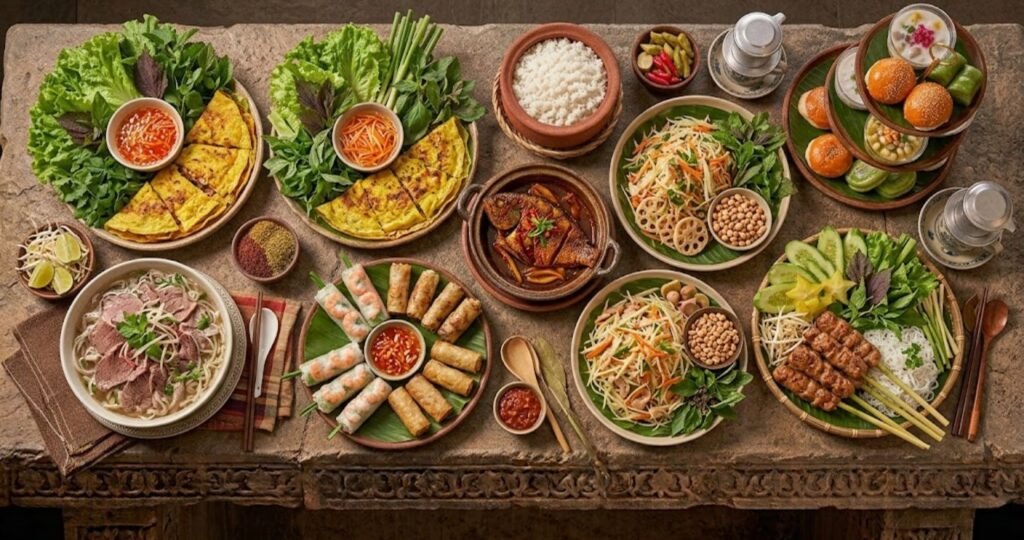
Vietnamese food offers a spectacular range of dishes that appeal to every kind of eater, from devoted meat lovers to enthusiastic vegetarians. In addition, most Vietnamese food dishes use an abundance of fresh herbs, crisp vegetables, and light sauces that make them feel nourishing rather than heavy. Here are five iconic Vietnamese food dishes that every food lover must experience.
Pho Vietnamese Food
Pho is the most iconic dish in all of Vietnamese food and a bowl of soup that has captured the imagination of food lovers across the entire world. Cooks prepare pho by simmering beef bones, charred onion, ginger, star anise, cinnamon, and cloves for many hours to create a deeply fragrant and crystal-clear broth. Furthermore, they serve the broth over flat rice noodles with thin slices of beef or chicken and a generous plate of fresh accompaniments including bean sprouts, Thai basil, lime wedges, and sliced chilies. In addition, diners customize their own bowl of pho by adding fish sauce, hoisin, and chili sauce to suit their personal taste. Therefore, pho perfectly captures the soul of Vietnamese food — patient craftsmanship, fresh ingredients, and a dish that warms the body and the spirit at the same time.
Banh Mi Vietnamese Food
Banh mi is the most famous sandwich in Vietnamese food and a delicious product of the country's French colonial history. Bakers produce a crispy, airy baguette using a blend of wheat and rice flour, which creates the light and shatteringly crisp crust that defines authentic banh mi. Furthermore, vendors fill the bread with pork belly, Vietnamese cold cuts, pate, pickled daikon and carrot, fresh cilantro, sliced jalapeno, and a spread of mayonnaise. In addition, banh mi carts and shops operate on street corners throughout every city in Vietnam, offering one of the most satisfying and affordable Vietnamese food experiences imaginable. As a result, banh mi has become a globally recognized Vietnamese food icon, appearing on street food menus and restaurant lists in cities from Paris to New York.
Goi Cuon Fresh Spring Rolls Vietnamese Food
Vietnamese FoodGoi cuon, or fresh spring rolls, represent the light, healthy, and refreshing side of Vietnamese food at its very best. Cooks prepare goi cuon by rolling cooked shrimp, pork slices, rice vermicelli noodles, lettuce, mint, and fresh herbs tightly inside translucent rice paper wrappers. Furthermore, the finished rolls have a beautiful appearance the colorful fillings show clearly through the delicate wrapper, making goi cuon one of the most visually appealing dishes in all of Vietnamese food. In addition, diners dip goi cuon into a rich peanut hoisin sauce or a tangy fish sauce dipping sauce that elevates the fresh, clean flavors of the roll perfectly. Therefore, goi cuon proves that Vietnamese food achieves extraordinary deliciousness through simplicity, freshness, and an instinctive understanding of flavor balance.
Bun Bo Hue Vietnamese Food
Bun bo Hue is one of the most boldly flavored noodle soups in all of Vietnamese food and a dish that serious food lovers consider even more complex than pho. Cooks from the central Vietnamese city of Hue prepare this fiery soup by simmering beef and pork bones with lemongrass, shrimp paste, and dried chilies to create a broth that delivers deep, spicy, and intensely savory flavors. Furthermore, they serve the broth over thick round rice noodles with slices of beef, pork, and Vietnamese pork sausage, then garnish the bowl with fresh banana blossom, bean sprouts, mint, and lime. In addition, bun bo Hue reflects the bold and sophisticated culinary traditions of central Vietnam, a region historically associated with royal cuisine and refined cooking techniques. As a result, bun bo Hue offers a Vietnamese food experience that is more intense, complex, and unforgettable than almost anything else in the cuisine.
Banh Xeo Sizzling Crepes Vietnamese Food
Banh xeo, which translates as "sizzling cake," is one of the most fun and festive dishes in all of Vietnamese food. Cooks prepare banh xeo by pouring a rice flour batter seasoned with turmeric and coconut milk into a very hot pan, creating the loud sizzling sound that gives the dish its memorable name. Furthermore, they fill the crispy crepe with shrimp, pork belly, bean sprouts, and green onions before folding it in half and serving it with a large pile of fresh lettuce leaves and herbs. In addition, the traditional way to eat banh xeo involves tearing pieces of the crispy crepe, wrapping them in lettuce with herbs, and dipping the bundle into a sweet and tangy nuoc cham dipping sauce. Therefore, banh xeo delivers a uniquely interactive and joyful Vietnamese food experience that brings diners together around the table in the most delightful way.
Key Ingredients Used in Vietnamese Food
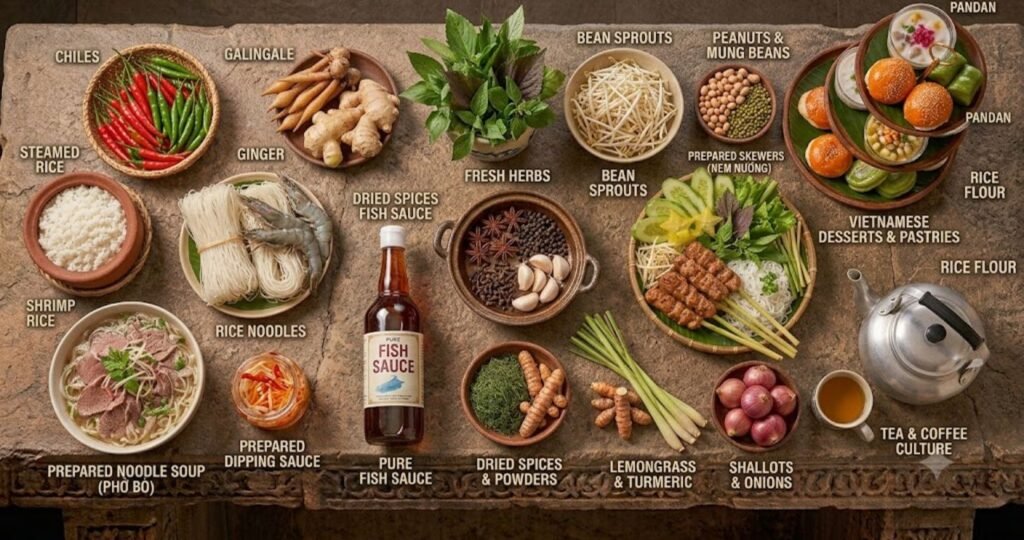
Understanding the key ingredients of Vietnamese food helps explain why its dishes taste so distinctively fresh, aromatic, and beautifully balanced. Furthermore, many of these ingredients work together in combinations that create flavor profiles unlike anything else in world cuisine.
Fish sauce stands as the single most important seasoning in Vietnamese food, providing the deep, savory umami backbone that underlies almost every dish in the cuisine. Cooks use fish sauce in marinades, dipping sauces, soups, and stir-fries across all regions of the country. In addition, fresh herbs play a uniquely prominent role in Vietnamese food mint, Thai basil, cilantro, perilla, and sawtooth herb appear not just as garnishes but as essential flavor components that diners add generously to their own bowls and plates. Moreover, rice in all its forms steamed white rice, rice noodles, rice paper, and rice flour forms the absolute foundation of Vietnamese food and appears at virtually every meal.
Lemongrass, galangal, ginger, and star anise bring warmth and fragrance to Vietnamese food soups and braises. Furthermore, lime juice and fresh chilies add bright acidity and gentle heat that balance the richness of meat dishes throughout Vietnamese food culture. In addition, bean sprouts, fresh cucumber, pickled vegetables, and shredded banana blossom provide crunch and freshness that give Vietnamese food its signature lightness. As a result, Vietnamese food achieves its extraordinary flavor depth not through richness or complexity of technique but through an inspired and artful layering of fresh, natural ingredients.
Why Vietnamese Food Is Famous Worldwide
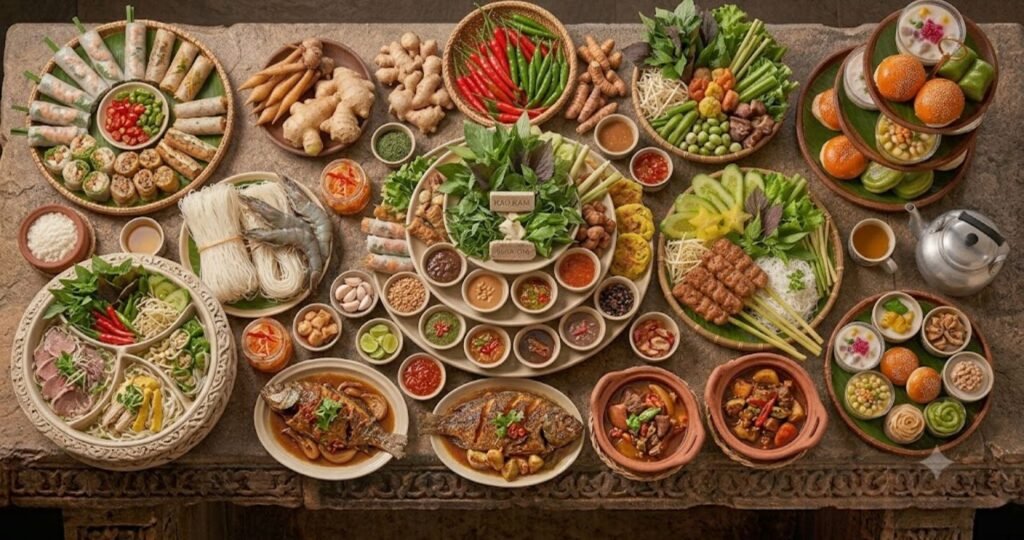
Vietnamese food has earned global fame for several compelling and well-deserved reasons. First, its flavor profile appeals immediately and powerfully to a remarkably wide range of palates — the combination of savory, sour, sweet, and fresh elements in Vietnamese food creates an experience that almost everyone finds irresistible. Furthermore, Vietnamese food is widely recognized as one of the healthiest cuisines in the world, relying on fresh vegetables, lean proteins, rice-based carbohydrates, and minimal processed fats. As a result, health-conscious food lovers have embraced Vietnamese food with tremendous enthusiasm across every continent.
In addition, the Vietnamese diaspora has played a powerful role in spreading Vietnamese food culture to cities worldwide. Vietnamese restaurants operate in virtually every major city across North America, Europe, Australia, and beyond, giving millions of people regular access to authentic Vietnamese food. Moreover, the rise of food travel and culinary tourism has brought thousands of visitors to Vietnam specifically to experience its extraordinary street food culture firsthand. Therefore, cities like Hanoi, Ho Chi Minh City, and Hoi An have become internationally celebrated destinations for anyone who takes Vietnamese food seriously.
Furthermore, Vietnamese food photographs beautifully, and its colorful, fresh, and visually stunning dishes perform exceptionally well on social media platforms. Consequently, images of steaming pho bowls, translucent spring rolls, and sizzling banh xeo consistently attract massive online audiences who then seek out Vietnamese food in their own cities. As a result, Vietnamese food continues to grow in global popularity and cultural influence year after year.
Where to Find Authentic Vietnamese Food
Vietnam itself offers the ultimate Vietnamese food experience, and every city and region in the country delivers its own distinct take on the cuisine. Hanoi in the north is the spiritual home of pho and bun cha, while Ho Chi Minh City in the south serves a more diverse and internationally influenced Vietnamese food scene. Furthermore, the ancient town of Hoi An has earned an international reputation as one of the world's greatest street food destinations, drawing food travelers from every corner of the globe with its extraordinary Vietnamese food offerings.
However, you do not need to travel to Vietnam to enjoy excellent Vietnamese food. In addition, Vietnamese restaurants operate in virtually every major city worldwide, from small family-run noodle shops to upscale modern restaurants that reinterpret classic Vietnamese food dishes with fine dining flair. Moreover, many supermarkets and Asian grocery stores now stock essential Vietnamese food ingredients including rice noodles, fish sauce, rice paper, and fresh herbs, making home cooking more accessible than ever. Therefore, you can recreate authentic Vietnamese food in your own kitchen with relatively little effort and expense.
For those who want to deepen their Vietnamese food knowledge further, cooking classes in Vietnam and abroad offer hands-on experiences that teach the techniques and traditions behind the cuisine. Furthermore, countless Vietnamese food blogs, cookbooks, and YouTube channels provide detailed guidance for home cooks at every skill level. As a result, genuine Vietnamese food flavors are within reach for anyone willing to explore this magnificent cuisine.
FAQs
Q1: What is the most famous Vietnamese food dish?
A: Pho is the most famous Vietnamese food dish, celebrated worldwide for its deeply fragrant broth, silky rice noodles, and customizable fresh herb toppings.
Q2: Is Vietnamese food healthy?
A: Yes, Vietnamese food is widely considered one of the healthiest cuisines in the world because it emphasizes fresh herbs, lean proteins, rice-based carbohydrates, and minimal processed fats.
Q3: Is Vietnamese food spicy?
A: Vietnamese food ranges from mild to moderately spicy depending on the dish and region, with fresh chilies served on the side so diners control their own heat level.
Q4: What is the most important ingredient in Vietnamese food?
A: Fish sauce is the most important seasoning in Vietnamese food, providing the deep savory umami flavor that forms the backbone of almost every dish in the cuisine.
Q5: Where can I find Vietnamese food restaurants near me?
A: You can find Vietnamese food restaurants near you by searching "Vietnamese food" or "Vietnamese restaurant" on Google Maps, Yelp, or TripAdvisor.
Conclusion
Vietnamese food is a cuisine that stands in a class of its own — fresh, fragrant, deeply flavorful, and rooted in a profound respect for natural ingredients and time-honored tradition. Furthermore, from the soul-warming depths of pho and bun bo Hue to the light crunch of goi cuon, the street food joy of banh mi, and the festive sizzle of banh xeo, Vietnamese food consistently delivers experiences that linger in the memory long after the last bite. In addition, the global rise of Vietnamese food shows clearly that its appeal transcends every cultural boundary with remarkable ease.
Moreover, as more food lovers around the world discover Vietnamese food, this extraordinary cuisine continues to earn the international recognition and admiration it has always deserved. Therefore, whether you visit a Vietnamese restaurant in your city, cook a classic recipe at home, or travel to Vietnam to experience the cuisine at its most authentic, you are participating in one of the world's most rewarding and beautiful food cultures. As a result, now is the perfect time to explore and fall completely in love with everything that Vietnamese food has to offer.