
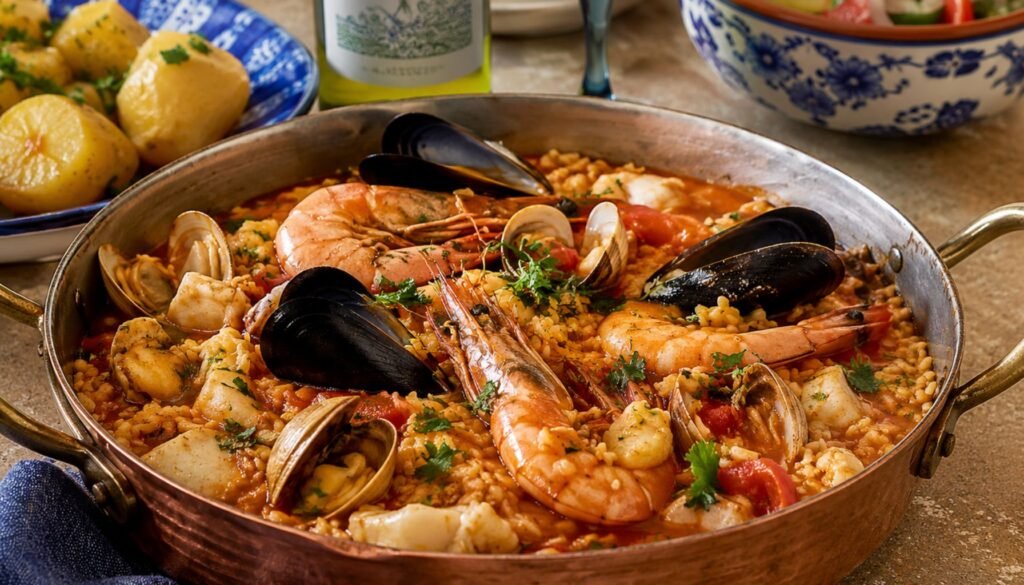
If you love bold flavors, rich history, and food that truly tells a story, then Portuguese food belongs at the top of your culinary bucket list. Portugal sits at the edge of Europe, and its cuisine reflects centuries of seafaring adventure, trade, and culture. From the sun-soaked shores of the Algarve to the cobblestone streets of Lisbon, Portuguese food offers something unforgettable for every type of food lover. Furthermore, it remains one of the most underrated cuisines in the world, and that makes it even more exciting to explore. In this guide, you will discover the history, the most iconic dishes, the cultural traditions, and some practical tips to enjoy authentic Portuguese food wherever you are in the world.
History of Portuguese Food
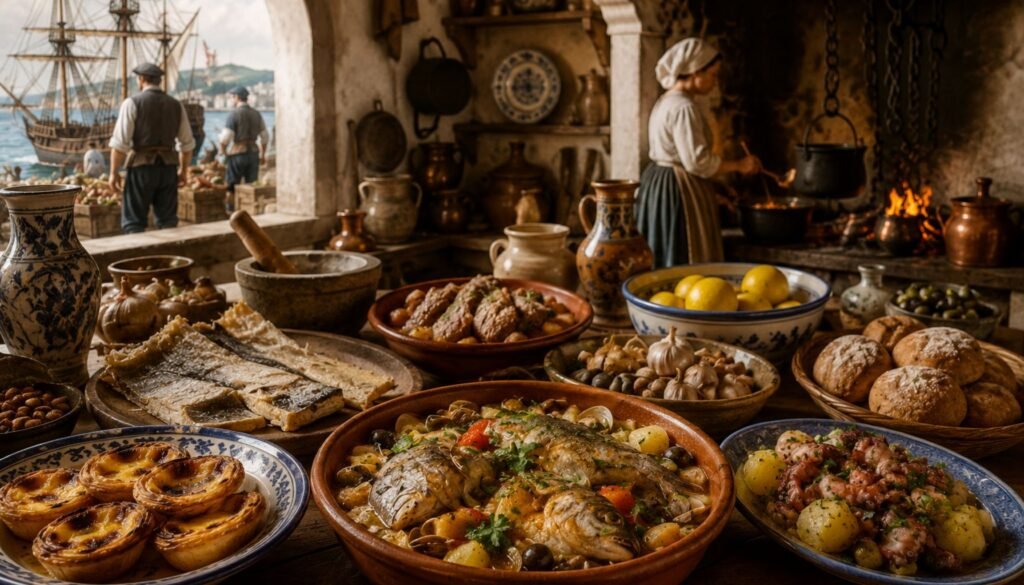
Portuguese food has a long and fascinating history that stretches back over a thousand years. The Moors, Romans, and Visigoths all left their mark on the Iberian Peninsula, and their influences shaped the foundation of Portuguese cuisine. However, the most defining chapter came during the Age of Exploration in the 15th and 16th centuries. Portuguese sailors traveled the globe and brought back spices, ingredients, and cooking techniques that permanently transformed the way people from Portugal eat and cook.
In addition, Portugal’s trade routes connected it to Africa, Brazil, India, and the Far East. As a result, traditional Portuguese dishes began to feature bold spices like cinnamon, cloves, and paprika. The country also developed a deep relationship with the sea, which explains why food from Portugal so heavily features fish and seafood. Meanwhile, the fertile land of the Alentejo region contributed olives, wine, and hearty legumes to the national table. Together, all of these influences created a cuisine that is diverse, soulful, and deeply satisfying.
Most Popular Portuguese Food Dishes
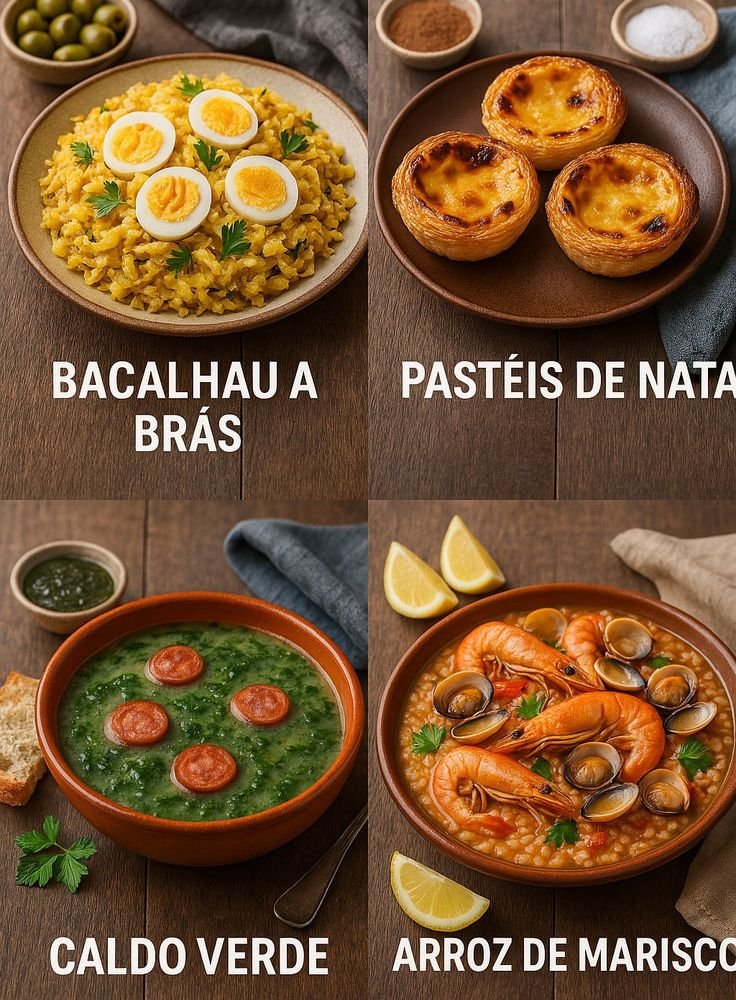
No guide to Portuguese food is complete without a deep dive into the dishes that define the country’s culinary identity. Portugal has hundreds of regional specialties, but a few dishes stand out as absolute must tries. These iconic recipes represent the heart and soul of Portuguese cuisine and continue to delight food lovers around the world.
Bacalhau (Salt Cod)
Bacalhau, or salted cod, stands as the undisputed king of Portuguese food. The Portuguese famously say they have over 365 ways to prepare bacalhau, one for every day of the year. Cooks across Portugal bake it, fry it, grill it, and mix it with potatoes, eggs, and olive oil to create dishes of extraordinary depth. Most importantly, bacalhau is not just a meal it is a cultural symbol. You will find it on the table at Christmas, Easter, and virtually every family celebration in Portugal.
Pastéis de Nata
Pastéis de nata are small, creamy egg custard tarts that have become one of the most famous exports of Portuguese food worldwide. Monks at the Jerónimos Monastery in Lisbon originally created these flaky pastries in the 18th century. Today, bakeries across Portugal sell them fresh from the oven, dusted with cinnamon and powdered sugar. Furthermore, you can now find pastéis de nata in cities across the globe, from London to Macau a testament to the global reach of traditional Portuguese dishes.
Caldo Verde
Caldo verde, which translates to “green broth,” is a simple yet deeply comforting soup that every Portuguese family knows and loves. Cooks make it with thinly shredded kale, potatoes, olive oil, garlic, and slices of chouriço sausage. This dish originates from the Minho region in northern Portugal and has since become a staple of Portuguese food culture nationwide. Therefore, you can now find pastéis de nata in cities across the globe, from London to Macau, a testament to the global reach of traditional Portuguese dishes.
Caldo Verde
Caldo verde, which translates to “green broth,” is a simple yet deeply comforting soup that every Portuguese family knows and loves. Cooks make it with thinly shredded kale, potatoes, olive oil, garlic, and slices of chouriço sausage. This dish originates from the Minho region in northern Portugal and has since become a staple of Portuguese food culture nationwide. Therefore, whenever you visit Portugal, make sure you try a warm bowl of caldo verde, especially on a cool evening.
Francesinha
If you travel to Porto, you absolutely must try the francesinha one of the boldest and most indulgent creations in all of Portuguese food. This hearty sandwich layers ham, sausage, and steak between thick slices of bread, then covers everything in a rich tomato-and-beer sauce, topped with melted cheese. In addition, most restaurants serve it alongside a heap of crispy fries. The francesinha is unapologetically big, messy, and absolutely delicious. It perfectly captures the spirit of Porto’s vibrant food scene.
Portuguese Food Culture and Traditions
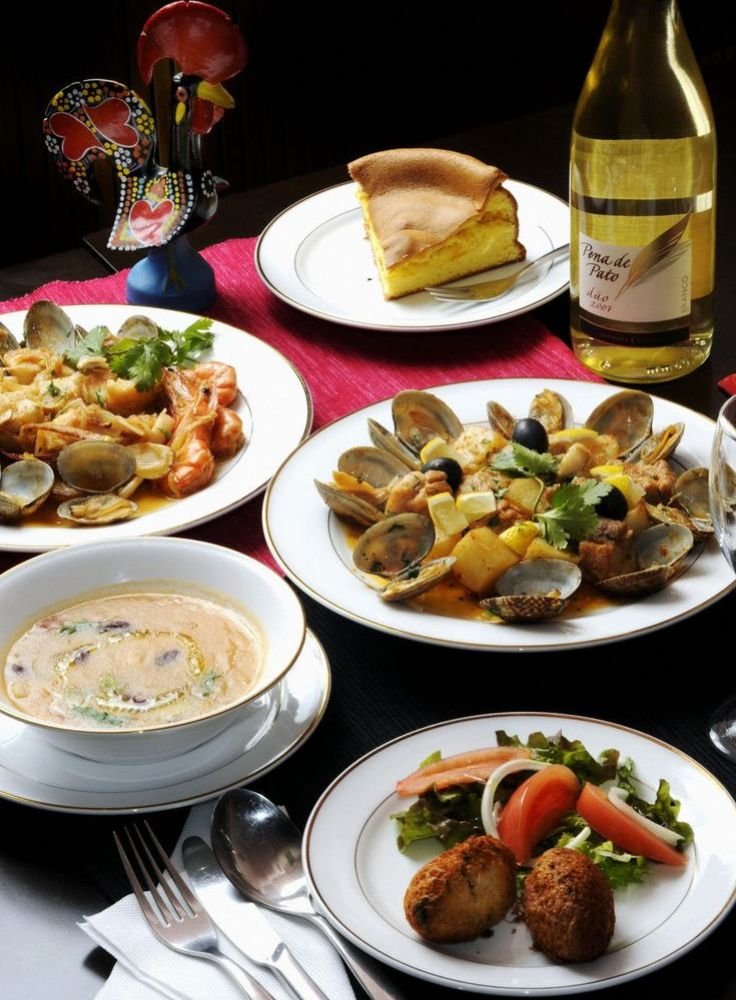
Food in Portugal is more than just sustenance; it is a way of life. The Portuguese take enormous pride in their culinary heritage, and mealtimes bring families and communities together in a meaningful way. Lunch remains the most important meal of the day for many Portuguese families, often lasting two hours and featuring multiple courses. Moreover, restaurants across the country still practice the tradition of serving “couvert,” a selection of bread, olives, cheese, and butter before the main meal arrives.
Wine also plays a central role in Portuguese food culture. Portugal produces some of the world’s most distinctive wines, including the famous port wine from the Douro Valley and the refreshing vinho verde from the Minho region. In addition, the country’s pastelarias, small bakeries and cafes serve as daily gathering spots where locals sip espresso and enjoy freshly baked pastries. These traditions reflect a culture that views eating as a joyful, social, and deeply intentional act. As a result, Lisbon’s food culture has especially gained international recognition for its warmth and authenticity.
Portuguese Food Around the World
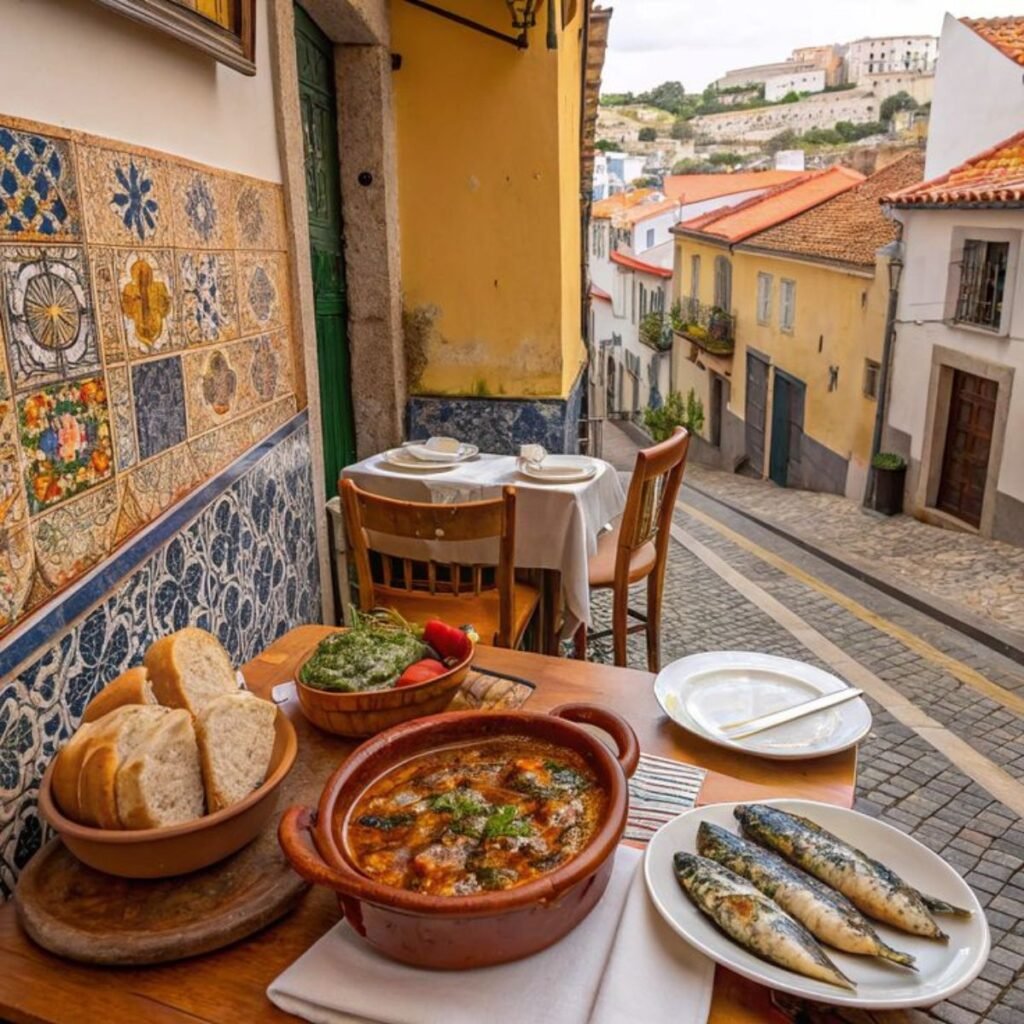
Portuguese food has traveled far beyond the borders of Portugal, leaving its mark on cuisines across multiple continents. Brazil, which Portugal colonized in the 16th century, shares many culinary traditions with its former ruler, including a love of rice, beans, and pork-based dishes. Similarly, the former Portuguese territories of Goa in India and Macau in China developed fascinating fusion cuisines that blend Portuguese recipes with local spices and cooking styles.
Furthermore, large Portuguese communities in countries like France, Switzerland, Canada, and the United States have established bakeries, restaurants, and supermarkets that bring the flavors of home to the diaspora. In cities like Newark in New Jersey and Toronto in Canada, you can find entire neighborhoods dedicated to food from Portugal. Therefore, no matter where you live, there is a good chance that authentic Portuguese cuisine is closer than you think.
Tips for Trying Authentic Portuguese Food
Whether you plan to visit Portugal or simply want to explore Portuguese food in your own city, a few smart strategies will help you get the most authentic experience possible. First, seek out restaurants that locals actually frequent rather than tourist traps near major landmarks. Authentic Portuguese cuisine rarely requires a flashy menu or heavy marketing the food speaks for itself.
Second, explore beyond the capital. While Lisbon food is exceptional, cities like Porto, Braga, and Évora each offer their own distinct regional specialties that you simply cannot find anywhere else. In addition, visit local markets like the Mercado da Ribeira in Lisbon or the Mercado do Bolhão in Porto to taste fresh, seasonal ingredients at their peak. Moreover, do not shy away from trying unfamiliar dishes some of the most rewarding meals in Portuguese food culture involve ingredients that might seem unusual at first. Finally, always pair your meal with a glass of Portuguese wine or a shot of ginjinha, the country’s beloved cherry liqueur. Most importantly, eat slowly, enjoy the company, and embrace the Portuguese way of savoring every bite.
Conclusion
Portuguese food represents one of the world’s most exciting and soulful culinary traditions. From the humble bowl of caldo verde to the crispy perfection of a pastel de nata, every dish carries centuries of history, culture, and passion. Furthermore, Portuguese cuisine continues to evolve and inspire chefs around the globe while staying true to its roots. Whether you explore it in the streets of Lisbon, in a diaspora restaurant abroad, or through Portuguese recipes you try at home, this cuisine will always reward you with honest, bold, and deeply satisfying flavors. Therefore, do not wait start your Portuguese food journey today and discover why food lovers everywhere are falling in love with Portugal’s remarkable culinary heritage.
FAQs
Q1 What is the most famous Portuguese food dish?
A Bacalhau, or salt cod, is the most iconic dish in Portuguese food culture, prepared in hundreds of different ways across the country.
Q2 What makes Portuguese food different from Spanish food?
A Portuguese food relies more heavily on salt cod, chouriço, olive oil, and Atlantic seafood, while using fewer spices than its Spanish neighbor.
Q3 Is Portuguese food healthy to eat regularly?
A Yes, traditional Portuguese food features plenty of fresh fish, legumes, olive oil, and vegetables, making it one of the healthier Mediterranean-style diets.
Q4 Where can I find authentic Portuguese food outside Portugal?
A You can find authentic Portuguese food in cities like Toronto, Newark, Paris, and London, which all have thriving Portuguese communities and restaurants.
Q5 What is the best dessert in Portuguese food culture?
A Pastéis de nata the creamy, flaky egg custard tarts from Lisbon — are widely considered the most beloved dessert in Portuguese food