
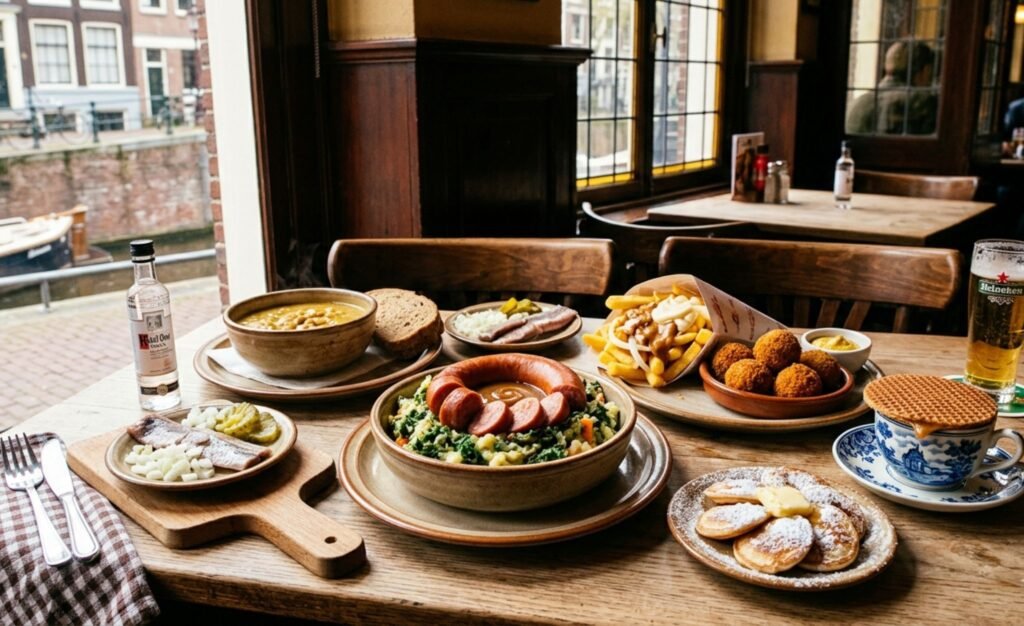
If you love exploring new cultures through food, Dutch food will completely win your heart. The Netherlands has a rich culinary tradition that blends hearty home-cooked meals, bold street snacks, and surprisingly sweet treats. Moreover, Dutch cuisine reflects the country’s history, geography, and warm community spirit. Whether you plan to visit Amsterdam or simply want to cook something new at home, this guide gives you everything you need to know about Dutch food.
What Makes Dutch Food So Special?
To begin with, Dutch food stands out because of its honest, no-nonsense approach. The Dutch believe in simple, filling, and flavorful meals. They use fresh, local ingredients, especially dairy, potatoes, vegetables, and fish. In fact, the Netherlands is one of the world’s biggest exporters of cheese and vegetables, so it makes perfect sense that these ingredients appear in almost every traditional dish.
Furthermore, Dutch food culture is deeply connected to community and comfort. Families gather around the table for warm, hearty dinners. Street vendors sell quick bites to busy city workers. And bakeries fill neighborhoods with the smell of fresh pastries every morning. As a result, Dutch food feels both simple and deeply satisfying.
Popular Dutch Dishes You Must Try
Stamppot — The Ultimate Comfort Meal
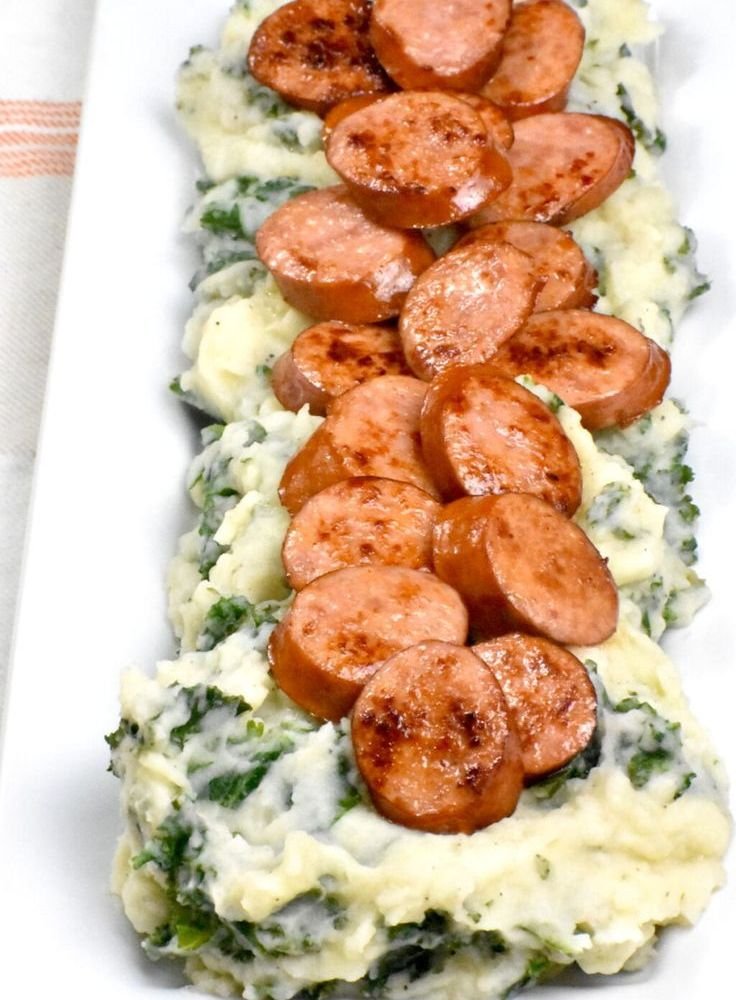
Stamppot is arguably the most iconic dish in all of Dutch food. It combines mashed potatoes with vegetables like kale, sauerkraut, or carrots and onions. Then, cooks add a smoked sausage called rookworst on top. On cold winter evenings, the Dutch eat stamppot as their go-to comfort food. Moreover, every Dutch family has their own slightly different version of this dish, which makes it feel personal and homely.
Erwtensoep Tick Dutch Pea Soup
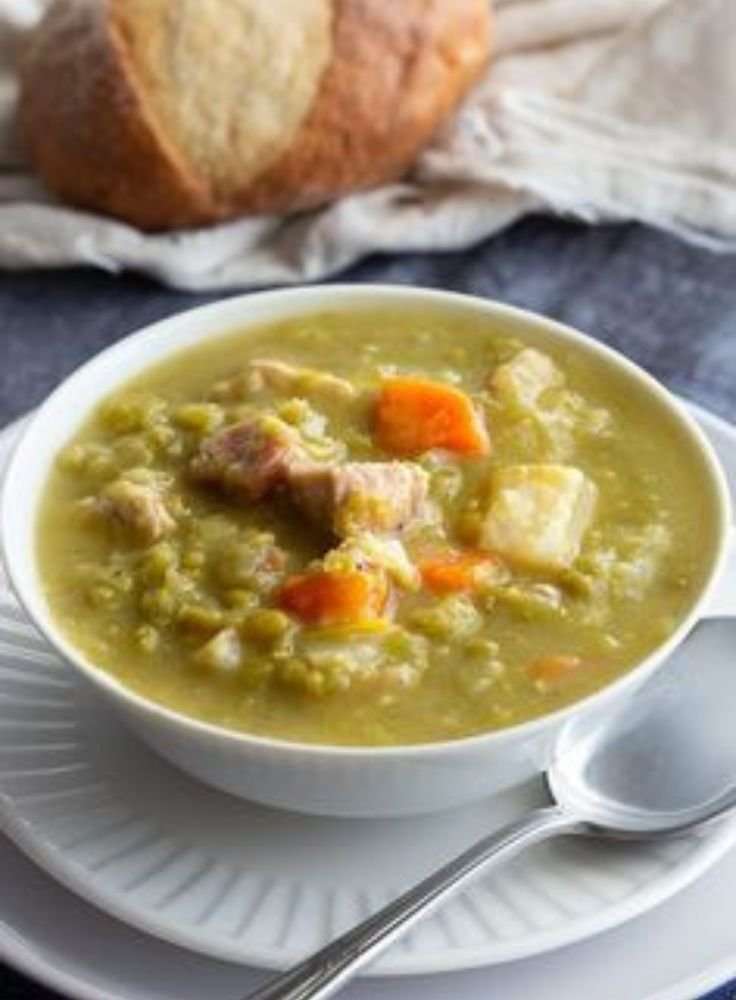
Erwtensoep, or “snert,” is a thick and hearty pea soup that the Dutch love during winter. Cooks prepare it with split peas, pork, celery, leeks, and smoked sausage. The result is an incredibly rich and warming dish. In fact, traditional Dutch cooks say the soup tastes even better on the second day. Furthermore, you often find erwtensoep at outdoor skating events on frozen Dutch canals, a perfect combination of cold weather and hot food.
Hutspot A Dish with History
Hutspot is another beloved potato dish in Dutch food culture. It consists of mashed potatoes, carrots, and onions. The Dutch actually celebrate this dish on October 3rd every year in the city of Leiden, connecting it to a historical event from 1574. As a result, hutspot is more than just a meal; it carries cultural and national pride. Additionally, many Dutch people add butter and gravy to make it even richer.
Dutch Street Food Quick, Tasty, and Everywhere
Haring The Famous Raw Herring
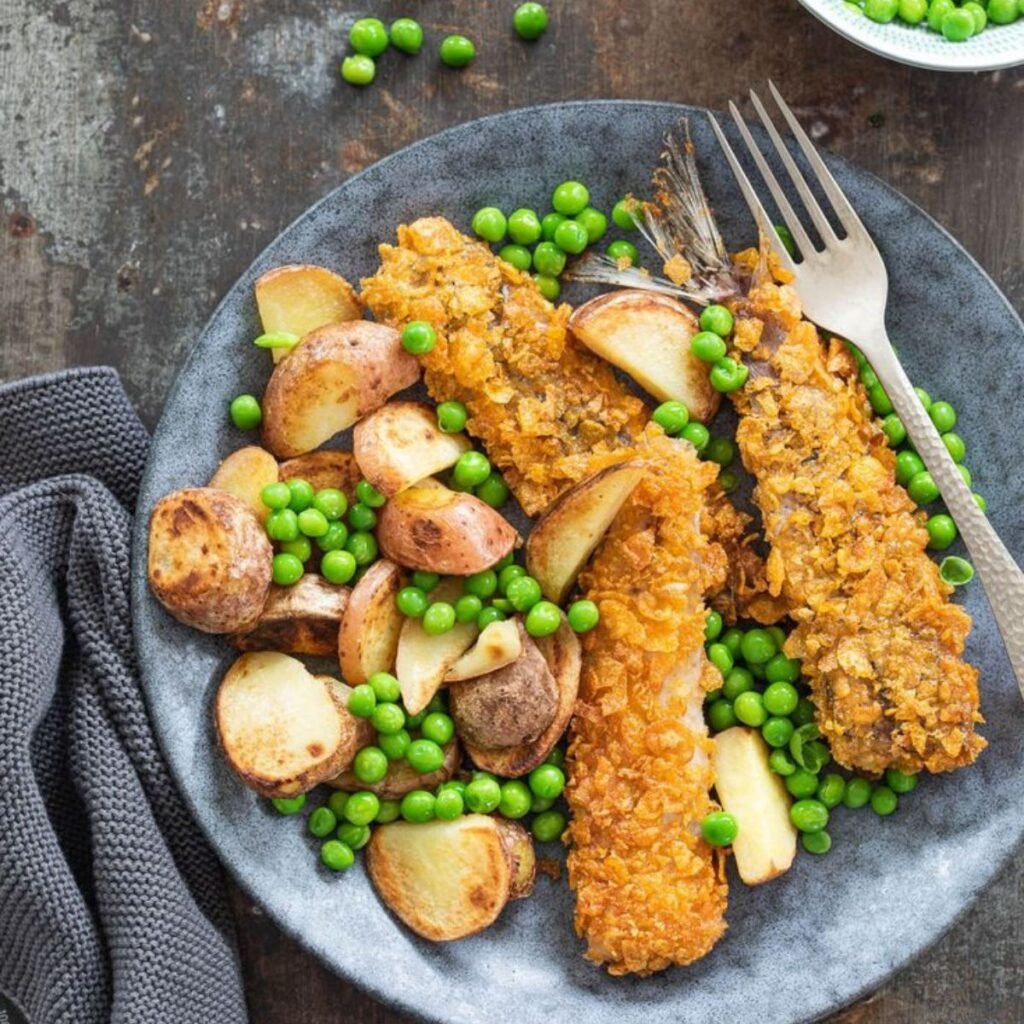
If you visit the Netherlands, you simply cannot skip haring. Dutch street vendors sell raw herring fillets with chopped onions and pickles. You can eat it the traditional way, holding the fish by the tail and lowering it into your mouth, or in a bread roll. Moreover, the Dutch enjoy haring especially in late spring when the first catch of the season, called “Hollandse Nieuwe,” arrives. The fish tastes mild, slightly salty, and absolutely fresh.
Bitterballen The Perfect Snack
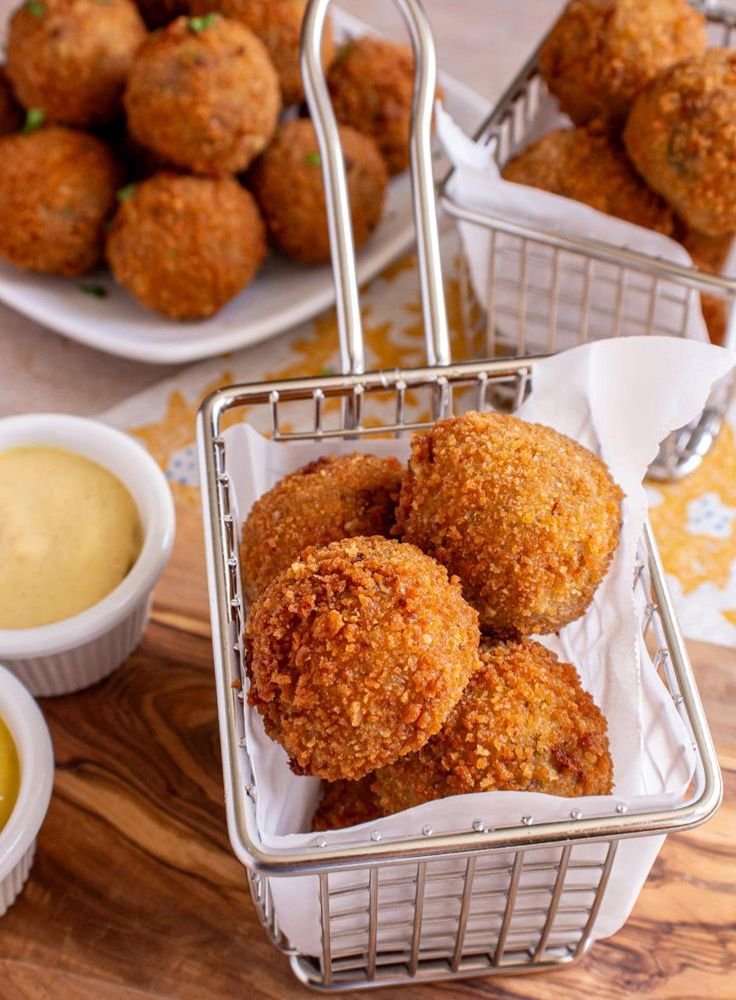
Bitterballen are small, round, deep-fried snacks that you find at almost every Dutch bar and café. Inside, they contain a creamy mixture of beef ragout, herbs, and seasoning. On the outside, a golden, crispy breadcrumb coating gives them a satisfying crunch. Furthermore, Dutch people always serve bitterballen with mustard for dipping. In fact, many tourists say bitterballen quickly become their favorite part of Dutch food culture.
Frites Dutch-Style Fries
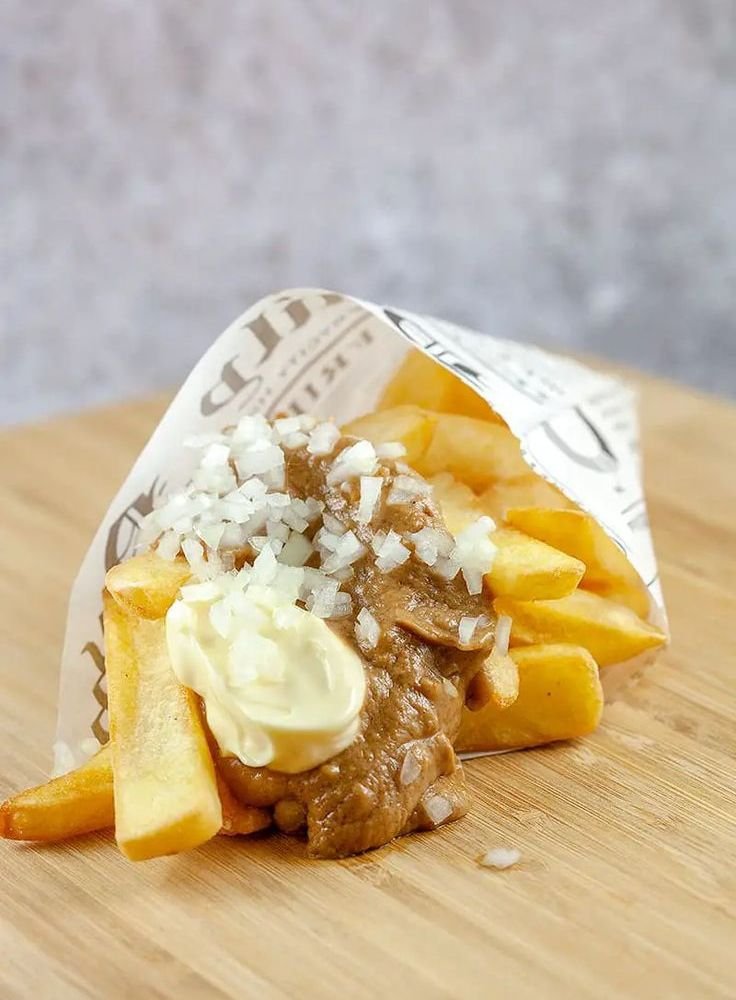
The Dutch take their fries very seriously. They fry potatoes twice to achieve an incredibly crispy outside and soft inside. Most importantly, they top their frites with a thick mayonnaise called fritessaus. You can also order them with peanut sauce or ketchup. However, fritessaus remains the most popular choice by far. Street food stands called fritkot or snackbar sell frites all across the Netherlands.
Dutch Food and Its Love for Dairy
Gouda and Edam Cheese
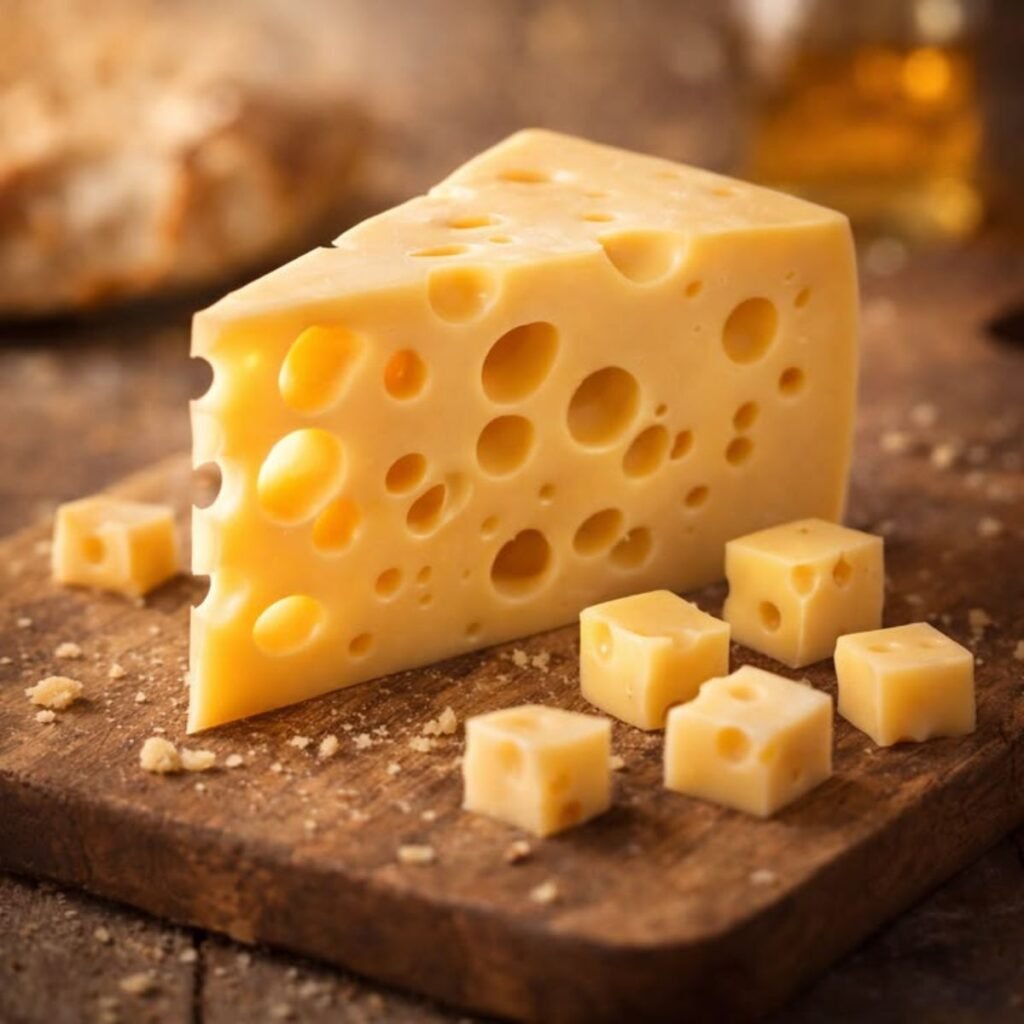
The Netherlands produces some of the world’s most famous cheeses. Gouda and Edam are both Dutch originals, and the Dutch eat them daily. Moreover, Dutch cheese markets, especially the one in Alkmaar, attract thousands of tourists every year. You can find cheese in every Dutch household, from breakfast sandwiches to afternoon snacks. In addition, Dutch cheese comes in many varieties: young, aged, smoked, or flavored with cumin seeds.
Dutch Stroopwafels
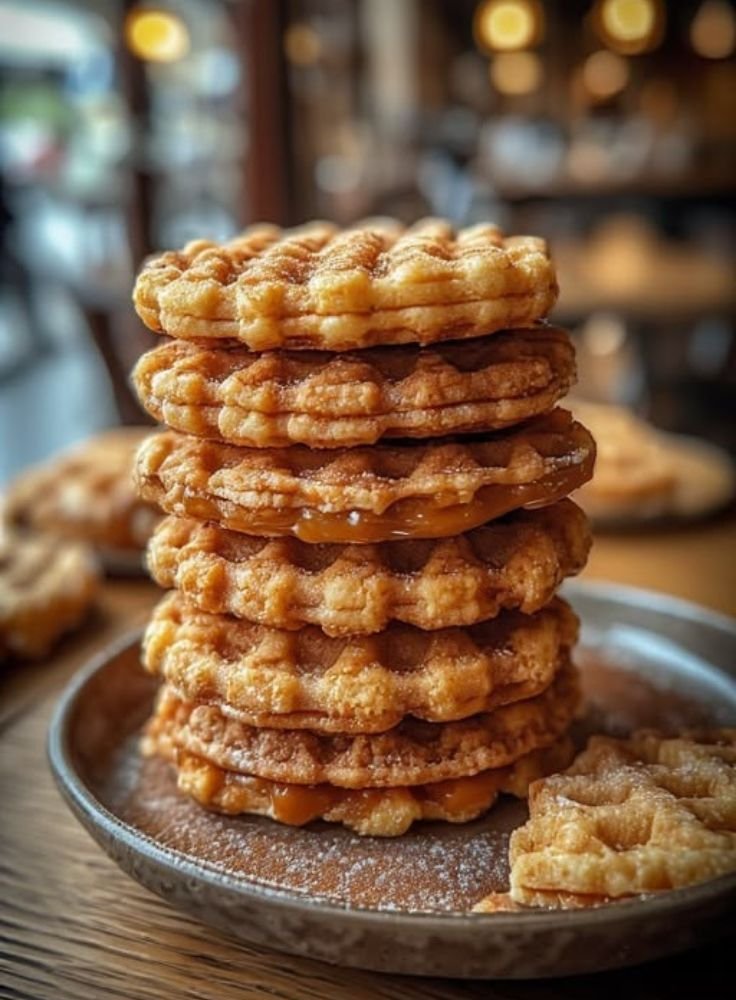
Stroopwafels deserve their own spotlight in any article about Dutch food. A stroopwafel consists of two thin waffle layers with a sticky caramel syrup filling in between. Bakeries in Gouda invented stroopwafels in the early 19th century. Today, the Dutch eat them by placing the stroopwafel on top of a hot cup of coffee or tea, letting the steam soften the caramel filling. Furthermore, stroopwafels now sell worldwide, making them one of the most internationally recognized Dutch treats.
Dutch Desserts and Sweet Treats
Poffertjes Mini Dutch Pancakes

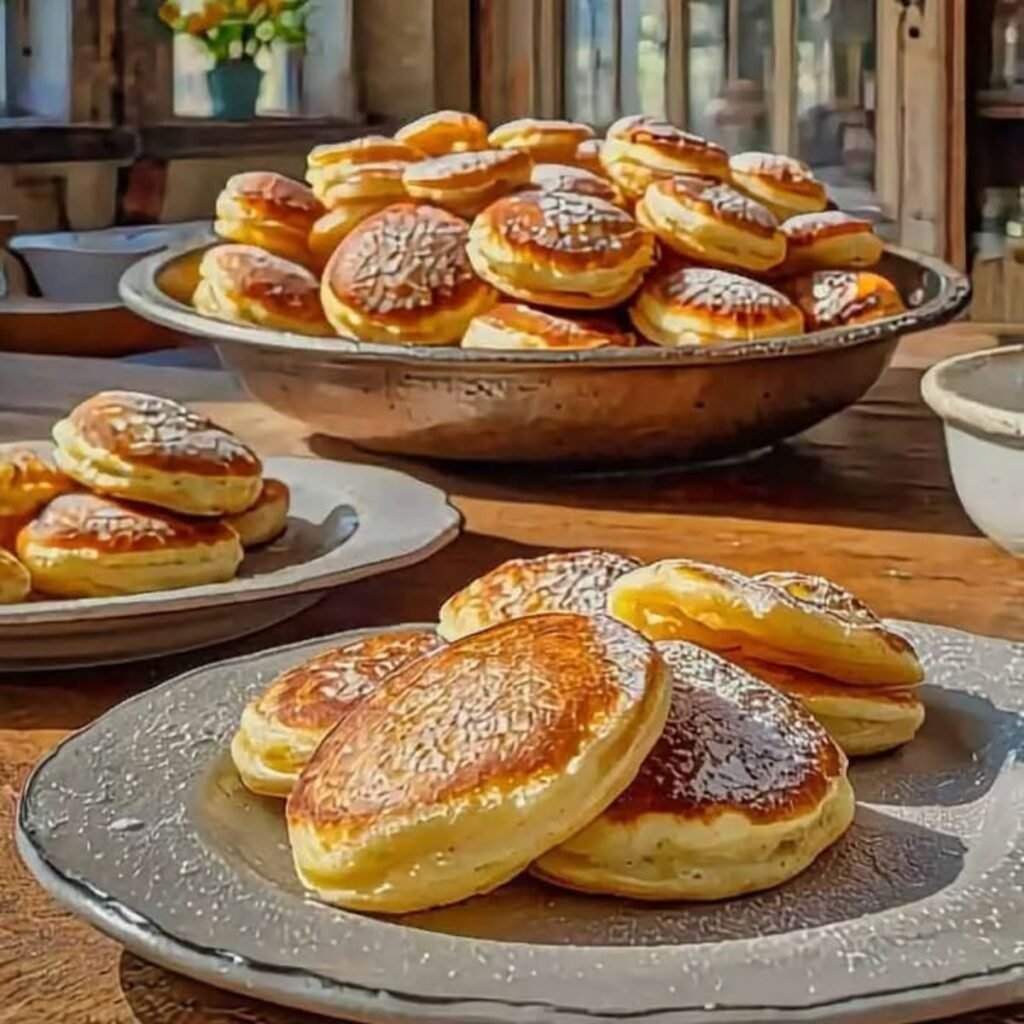
Poffertjes are small, fluffy, and utterly delightful. These mini pancakes appear at fairs, markets, and restaurants all across the Netherlands. Cooks use a special pan with small round molds to make them perfectly shaped. Then, they serve poffertjes with a generous dusting of powdered sugar and a pat of butter. Moreover, children and adults alike love poffertjes they are one of those Dutch foods that bring instant joy.
Oliebollen Dutch New Year’s Treat
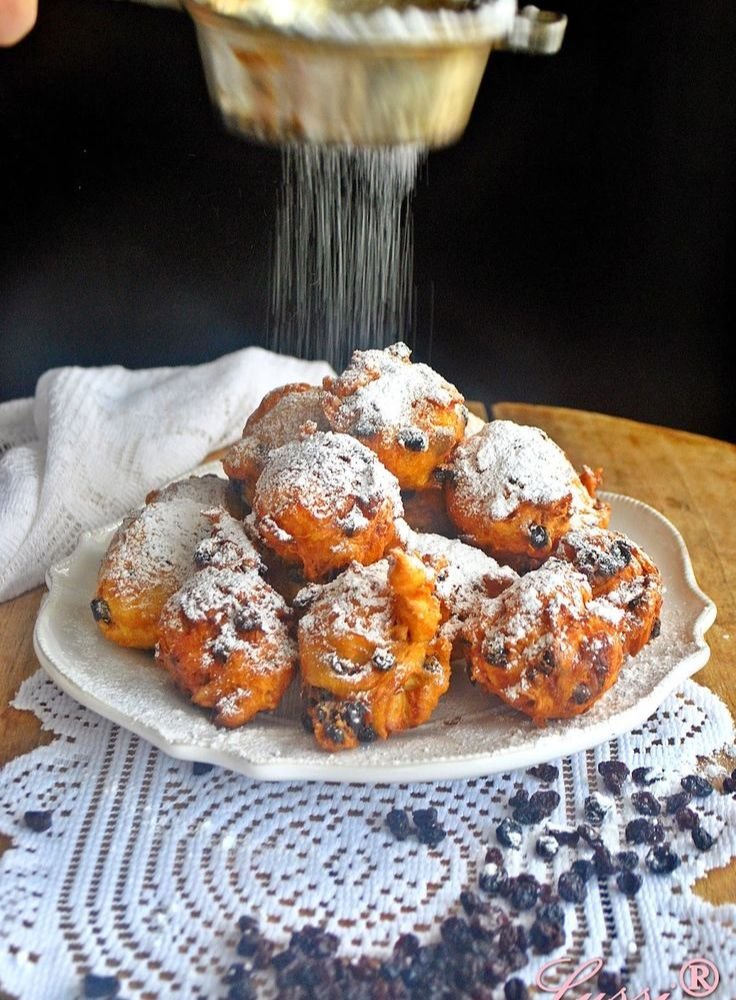
Oliebollen are deep-fried dough balls that the Dutch eat on New Year’s Eve. They resemble donuts but have a slightly denser texture. Most recipes include raisins inside the dough. Street vendors and market stalls sell oliebollen from December onward, and the smell of frying dough fills the Dutch winter air. As a result, oliebollen carry a strong sense of celebration and tradition in Dutch culture.
Speculaas Spiced Dutch Biscuits
Speculaas are thin, crispy spiced biscuits that the Dutch traditionally eat around Sinterklaas on December 5th. They contain a blend of cinnamon, nutmeg, cloves, and ginger. However, today you find speculaas year-round in Dutch grocery stores and bakeries. Furthermore, speculaas spread a paste made from ground speculaas biscuits has become incredibly popular across Europe.
Dutch Food Culture and Dining Habits
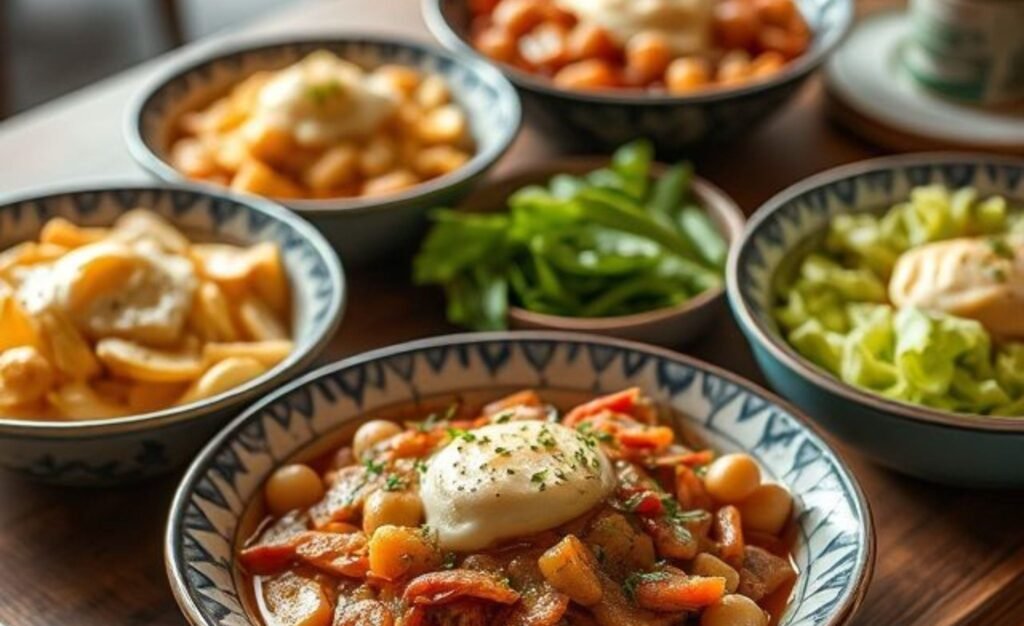
The Dutch approach food with a practical and unpretentious mindset. For example, a typical Dutch lunch is simple bread with cheese, ham, or peanut butter. They save the bigger, more elaborate meals for dinner. In addition, the Dutch have a strong coffee culture. Most Dutch people drink several cups of coffee throughout the day, often paired with a cookie or a small sweet treat.
Furthermore, the Dutch place great importance on gezelligheid a word that roughly means coziness and togetherness. Sharing food with family and friends creates this feeling. As a result, Dutch dinner tables often feel warm, relaxed, and full of conversation. On the other hand, fast food and takeaway have also grown popular in the Netherlands, especially among younger generations.
If you want to explore more about visiting the Netherlands, check out [internal link: Netherlands travel tips] for useful advice on travel, culture, and more.
Dutch Food Around the World
Dutch food has traveled far beyond the Netherlands. Stroopwafels now sit on supermarket shelves in the United States, Australia, and Asia. Dutch cheese exports reach over 100 countries. Moreover, Indonesian-Dutch fusion cuisine a legacy of Dutch colonial history remains deeply popular in the Netherlands itself. Dishes like rijsttafel, a spread of Indonesian dishes served together, show how Dutch food culture absorbed global influences over centuries.
FAQs
Q: What is the most popular traditional Dutch food?
Stamppot is one of the most beloved traditional Dutch dishes, combining mashed potatoes with vegetables and smoked sausage.
Q: Is Dutch food healthy?
Dutch food includes many vegetables, dairy products, and fish, making it relatively balanced and nutritious overall.
Q: What do Dutch people eat for breakfast?
Most Dutch people eat bread with cheese, chocolate sprinkles called hagelslag, or peanut butter for breakfast.
Q: Where can I try authentic Dutch food?
You can try authentic Dutch food at traditional Dutch restaurants, street food markets, and local bakeries throughout the Netherlands.
Q: Are stroopwafels really Dutch?
Yes, stroopwafels originated in Gouda, Netherlands, in the early 1800s and remain one of the most iconic Dutch treats worldwide.