
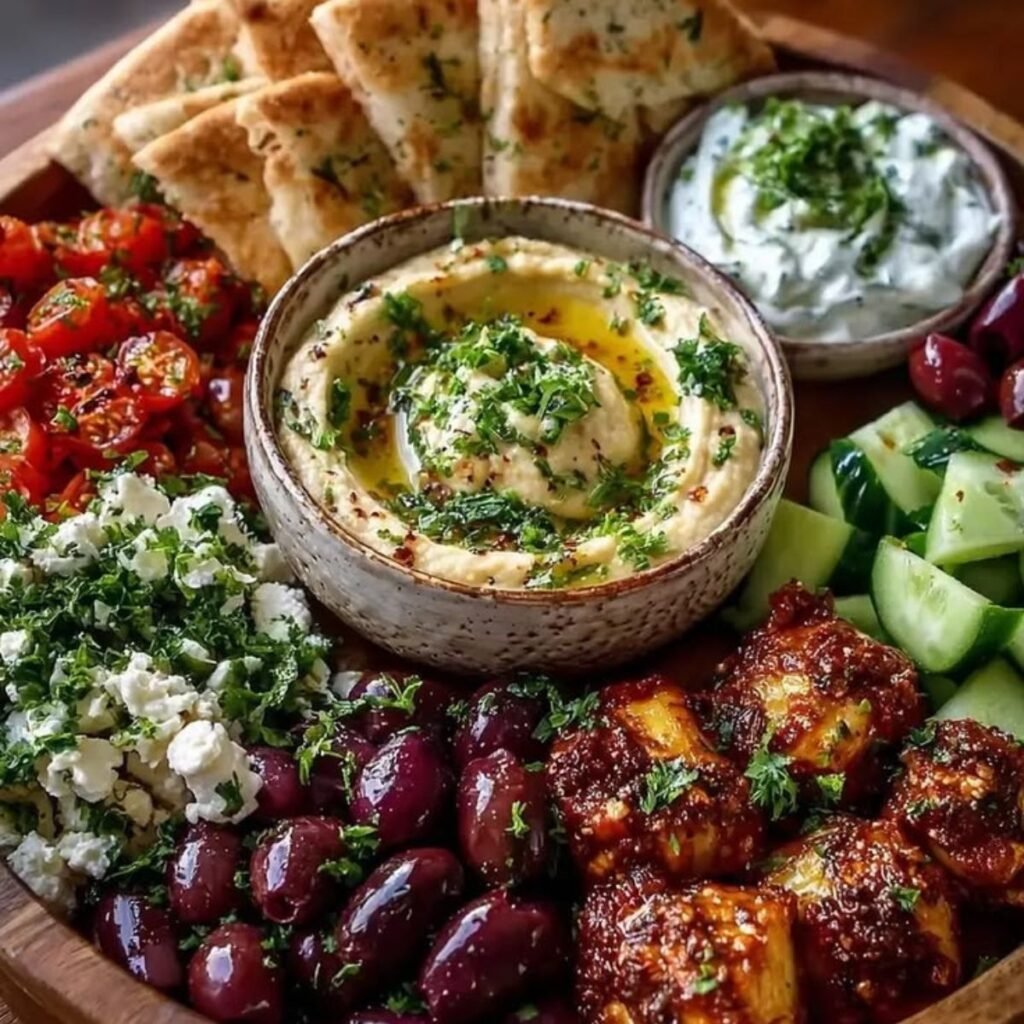
Mediterranean Food is more than just a style of cooking; rather, it represents a complete way of life deeply rooted in history, culture, and wellness. Originally emerging from countries surrounding the Mediterranean Sea, this cuisine is widely celebrated for its fresh ingredients, vibrant flavors, and impressive health benefits. Furthermore, it has gained global recognition not only for its rich taste but also for its proven connection to longevity and heart health. As a result, it is increasingly recommended by nutrition experts as one of the healthiest and most sustainable dietary patterns worldwide.
At the center of this culinary tradition lies the Mediterranean diet, a balanced eating pattern inspired by the traditional diets of Greece, Italy, and other Mediterranean regions. This diet emphasizes whole foods, healthy fats, fresh vegetables, fruits, whole grains, and lean proteins. Among all cuisines, Greek food stands out as one of the most influential and authentic expressions of cooking.
What Is Mediterranean Food ,

The refers to the traditional cuisines of countries bordering the Mediterranean Sea, including Greece, Italy, Spain, France, Turkey, Morocco, and parts of the Middle East. While each region has its own unique dishes, they all share common ingredients and cooking principles.
At its core, Mediterranean cuisine focuses on simplicity, freshness, and balance. In fact, meals are carefully prepared using seasonal ingredients, minimal processing, and traditional cooking techniques such as grilling, roasting, and slow cooking. Moreover, this approach ensures that the natural flavors of the ingredients remain rich and authentic. As a result, Mediterranean cuisinenot only tastes delicious but also retains its nutritional value. In addition, the use of fresh herbs, olive oil, and wholesome ingredients further enhances both flavor and health benefits. Therefore, this style of cooking is widely appreciated for its ability to combine taste with nutrition in a natural and satisfying way.
Common Characteristics of Mediterranean food
- Heavy use of olive oil as the primary fat.
- Abundance of fresh vegetables and fruits.
- Whole grains such as wheat, barley, and rice.
- Legumes like lentils, chickpeas, and beans.
- Lean proteins, especially fish and seafood.
- Moderate consumption of dairy, mainly cheese and yogurt.
- Limited intake of red meat and processed foods.
Core Principles of the Mediterranean Diet.
- Plant-Based Foods as the Foundation.
Vegetables, fruits, whole grains, nuts, seeds, and legumes form the base of the Mediterranean diet. These foods are rich in fiber, vitamins, and antioxidants. - Healthy Fats Over Unhealthy Fats.
Olive oil replaces butter and refined oils. This healthy fat is known for its heart-protective properties. - Regular Consumption of Fish and Seafood.
Fish such as salmon, sardines, and tuna are eaten several times a week, providing omega-3 fatty acids. - Moderate Dairy Intake.
Cheese and yogurt, especially traditional varieties, are consumed in moderation. - Limited Red Meat and Sweets.
Red meat is eaten occasionally, while sweets and sugary foods are reserved for special occasions. - Mindful Eating and Lifestyle.
Meals are enjoyed slowly, often with family and friends, emphasizing social connection and balance.
Health Benefits of Mediterranean cuisine,
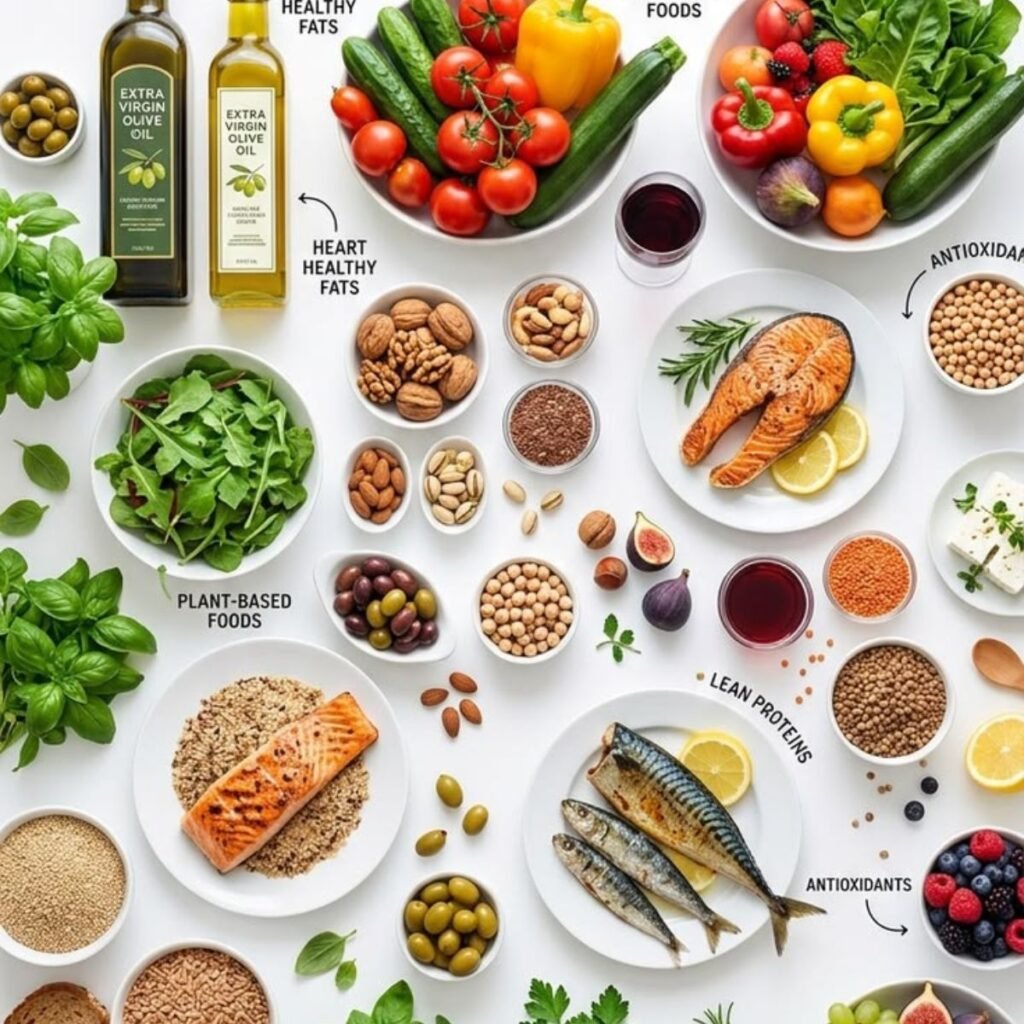
One of the main reasons Mediterranean cuisine has gained worldwide popularity is its strong association with numerous health benefits. In fact, scientific studies consistently show that people who follow the Mediterranean diet tend to live longer, healthier, and more active lives. Moreover, this dietary pattern has been linked to a lower risk of heart disease, stroke, diabetes, and even certain types of cancer. Additionally, the emphasis on fresh vegetables, fruits, whole grains, legumes, nuts, and healthy fats, such as olive oil, helps reduce inflammation and supports overall wellness. For example, regular consumption of olive oil and fatty fish provides essential omega-3 fatty acids that promote heart and brain health. Furthermore, the Mediterranean diet encourages balanced meals and mindful eating habits, which not only improve digestion but also foster a positive relationship with food. As a result, it is widely recommended by nutrition experts and healthcare professionals as one of the healthiest and most sustainable dietary patterns worldwide, making it suitable for people of all ages and lifestyles.
Heart Health
Mediterranean cuisine, is widely known for supporting heart health. Olive oil, fish, nuts, and vegetables help reduce bad cholesterol levels and lower the risk of heart disease and stroke.
AWeight Management.
Because Mediterranean cuisine is rich in fiber and healthy fats, it promotes fullness and reduces overeating. The Mediterranean diet is often recommended for sustainable weight loss.
Diabetes Prevention.Whole grains, legumes, and healthy fats help regulate blood sugar levels, reducing the risk of type 2 diabetes.
Brain Health.
Regular consumption of omega-3 fatty acids, antioxidants, and vitamins found may help improve cognitive function and reduce the risk of neurodegenerative diseases.
Anti-Inflammatory Benefits.
Many Mediterranean ingredients, such as olive oil, tomatoes, leafy greens, and herbs, have anti-inflammatory properties that support overall wellness.
Greek Food: The Heart of Mediterranean Cuisine
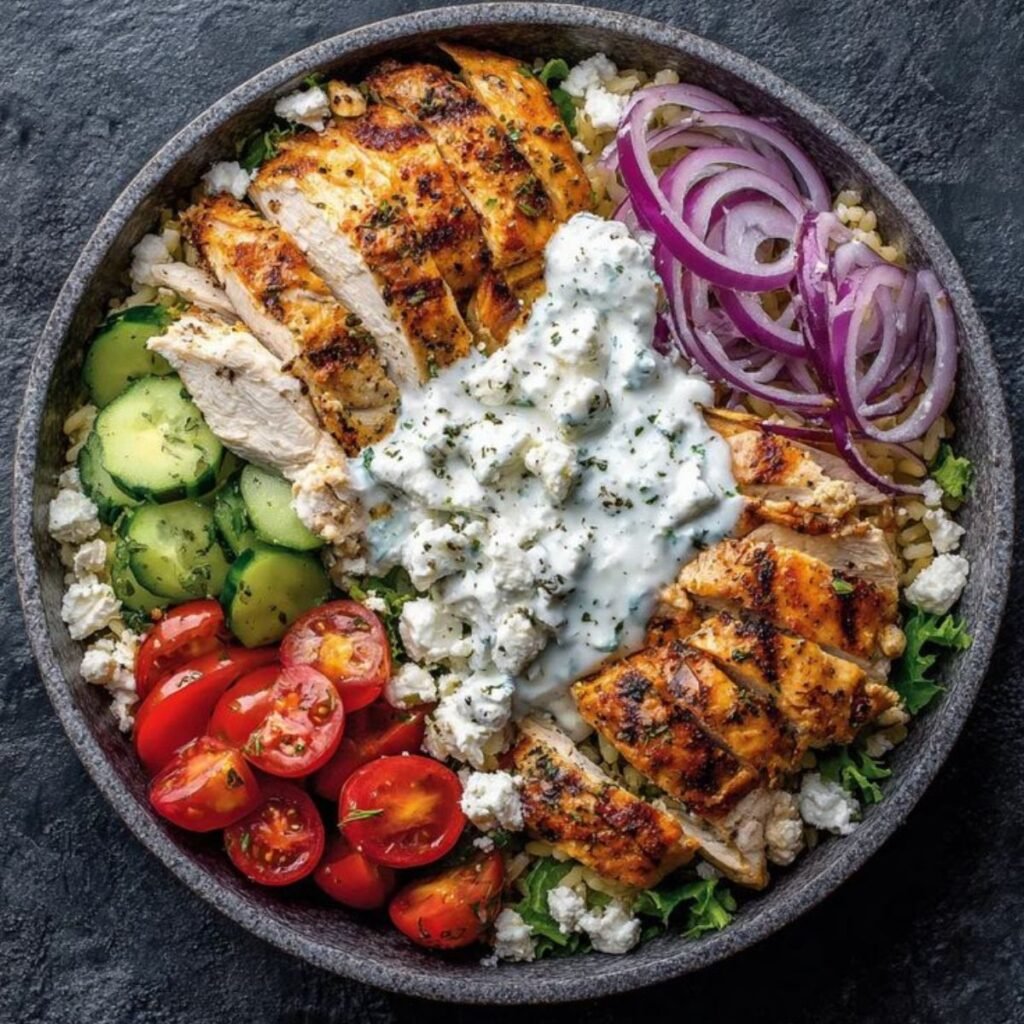
Greek food is considered one of the purest forms of Mediterranean cuisine,. Rooted in ancient traditions, Greek cuisine reflects the country’s geography, climate, and cultural history.
Key Ingredients in Greek Food
- Extra virgin olive oil
- Fresh vegetables like tomatoes, cucumbers, and eggplants
- Herbs such as oregano, thyme, and dill
- Legumes including lentils and chickpeas
- Seafood and fresh fish
- Cheese, especially feta
- Yogurt.
Greek food is known for its simplicity, allowing high-quality ingredients to shine without heavy sauces or artificial flavors.
Popular Greek Dishes in Mediterranean Food.
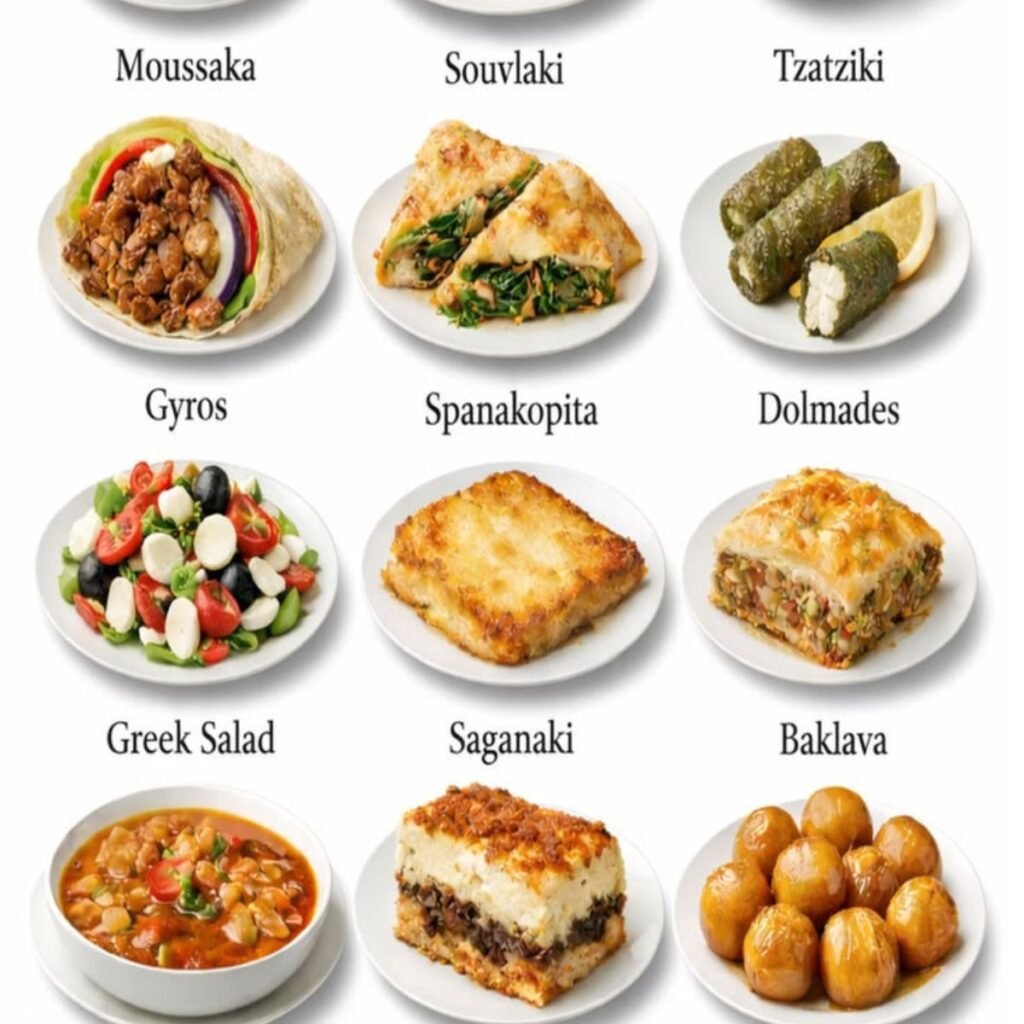
Greek food has contributed many iconic dishes to the cuisine. These dishes are not only delicious but also align perfectly with the principles of the Mediterranean diet.
Greek Salad (Horiatiki).
Made with tomatoes, cucumbers, olives, onions, feta cheese, and olive oil, Greek salad is a classic example of fresh Mediterranean food.
Moussaka.
A layered dish made with eggplant, minced meat, tomatoes, and béchamel sauce, moussaka is a comforting and flavorful Greek specialty.
Souvlaki.
Grilled meat skewers, often served with pita bread, vegetables, and yogurt-based sauces, are a popular street food in Greece.
Tzatziki.
A refreshing sauce made with yogurt, cucumber, garlic, and olive oil, tzatziki is commonly paired with grilled meats and vegetables.
Lentil Soup (Fakes).
This traditional Greek soup is rich in plant-based protein and perfectly fits the Mediterranean diet.
Mediterranean Food vs Modern Diets.
Compared to many modern diets that rely heavily on processed foods and refined sugars, Mediterranean food offers a more natural and balanced approach to eating.
| Aspect | Mediterranean Food | Modern Diets | |
| Ingredients | Whole, natural | Highly processed | |
| Fats | Healthy fats | Trans & refined fats | |
| Sugar | Minimal | High |
This is why nutritionists often recommend the Mediterranean diet over restrictive or fad diets.
Mediterranean Food as a Lifestyle.
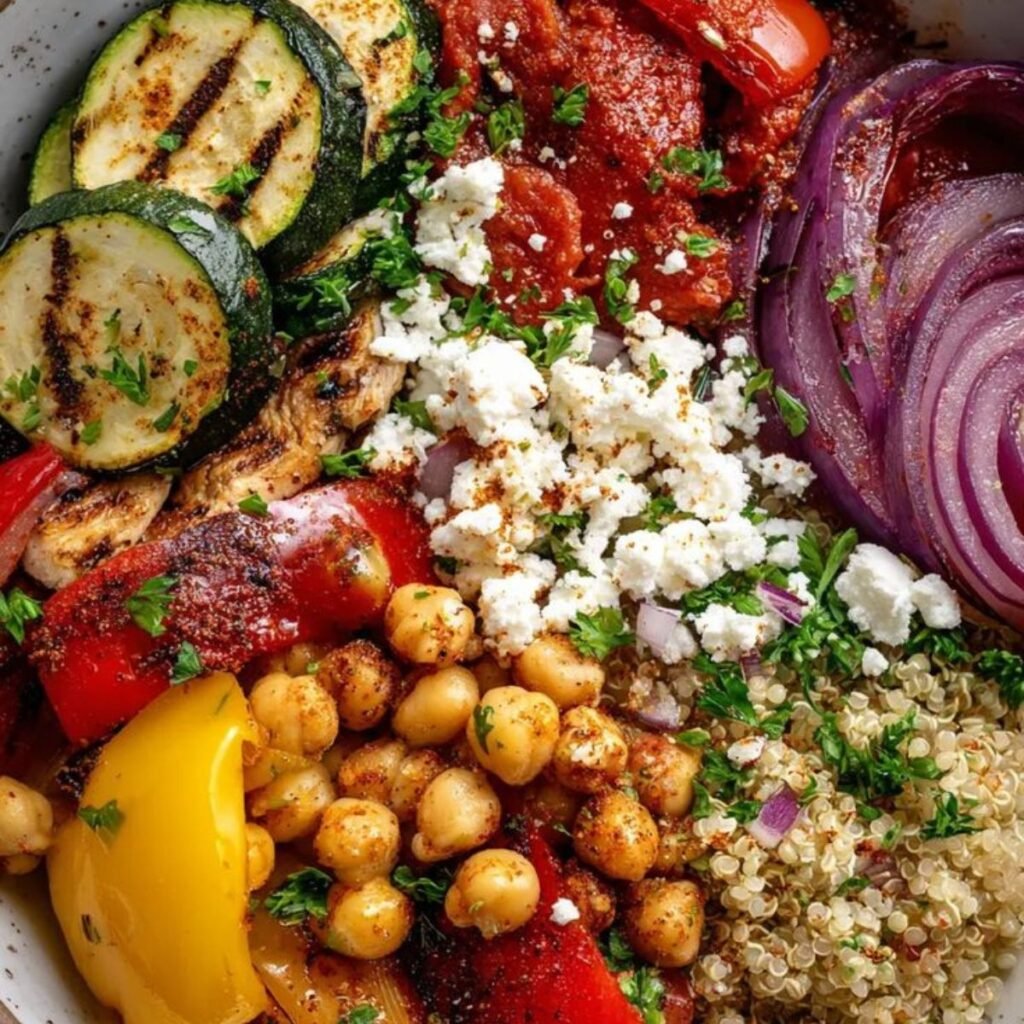
Mediterranean food is deeply connected to lifestyle habits that promote overall well being. Physical activity, social meals, and mindful eating are all part of the Mediterranean way of life.
People in Mediterranean regions often walk daily, cook meals at home, and enjoy food with loved ones. These habits contribute significantly to their health and happiness.
How to Start Eating Mediterranean Food.

Transitioning to Mediterranean food does not require drastic changes. Small adjustments can make a big difference.
Simple Tips:
- Replace butter with olive oil.
- Eat more vegetables at every meal.
- Include fish twice a week.
- Choose whole grains over refined grains.
- Add Greek food staples like yogurt and feta cheese.
Conclusion.
These dish is a timeless and nourishing way of eating that combines flavor, tradition, and health. Rooted in centuries-old practices, it emphasizes fresh ingredients, balanced meals, and mindful living. The diet offers a flexible and sustainable approach to nutrition, making it suitable for people of all ages. embarking on a healthy diet Greek food plays a central role in cuisine, showcasing how simple ingredients can create deeply satisfying and healthy meals. From olive oil and vegetables to seafood and herbs, Greek food embodies the true essence of Mediterranean food.By emb racing its food, you are not just choosing better meals — you are adopting a lifestyle that promotes longevity, well-being, and enjoyment of food in its most natural form.
(FAQs).
1. What is Mediterranean food?
These dishes refer to traditional cuisines from countries around the Mediterranean Sea, focusing on fresh ingredients, healthy fats, and balanced meals.
2. Is the Mediterranean diet good for weight loss?
Yes, the Mediterranean diet supports healthy weight loss by promoting whole foods, fiber, and healthy fats that keep you full longer.
3. How is Greek food connected to Mediterranean cuisine
?
Greek food is one of the most influential cuisines within Greek food
, sharing core ingredients like olive oil, vegetables, fish, and herbs.
4. Can vegetarians follow the Mediterranean diet?
Absolutely. The Mediterranean diet includes many plant-based foods such as vegetables, legumes, whole grains, nuts, and seeds.
5. What makes Greek food
healthy?
Greek food is rich in antioxidants, healthy fats, and nutrients while being low in processed food.