

Macros Food Guide for a Balanced Diet
Macros Food Guide is the foundation of any balanced diet, helping you fuel your body with the right proportions of protein, carbohydrates, and fats. In simple terms, this Macros Food Guide explains how essential nutrients support your energy and overall health. By learning how to build macro balanced meals and track the ideal protein, carbs, and fat ratio, you can achieve your fitness goals, whether it’s weight loss, muscle gain, or simply healthier eating habits.
In addition, this Macros Food Guide helps you make smarter food choices in your daily routine. As a result, the Macros Food Guide makes meal planning easier and more effective. In this guide, we’ll break down everything you need to know, from the best foods to eat to practical tips for meal planning.
Macros Food Guide: What Are Macro Foods?
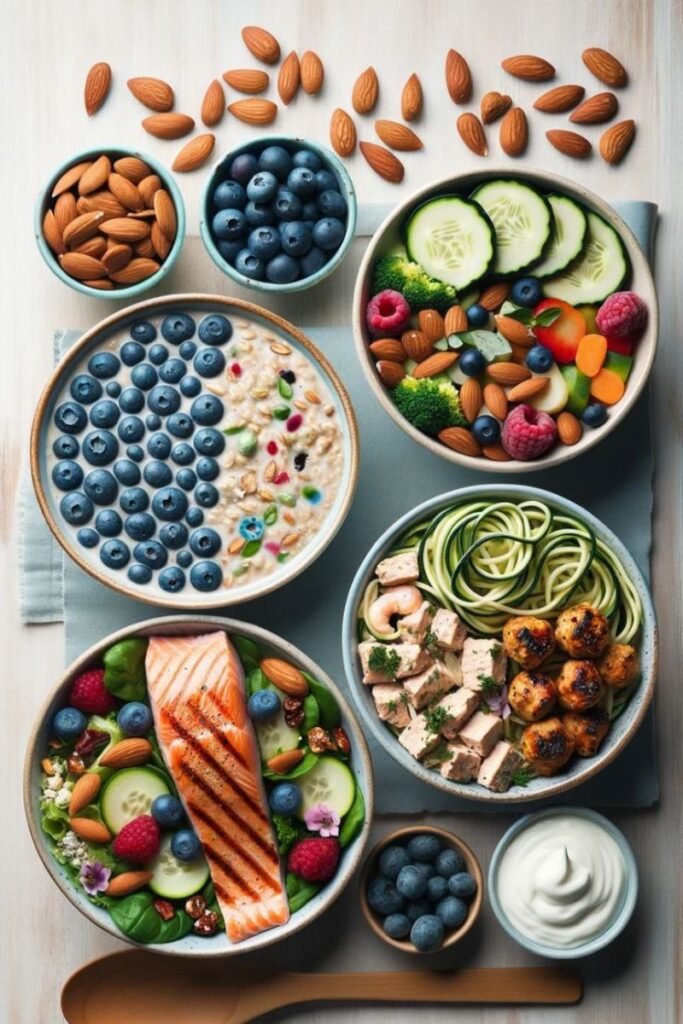
Macro foods refer to foods categorized based on their macronutrient content: protein, carbohydrates, and fats. In fact, these nutrients are essential for daily body functions. Moreover, each macronutrient provides energy in a different way. As a result, your body is able to perform multiple functions efficiently. Therefore, understanding macro foods is important for a balanced diet. In addition, they play a key role in maintaining overall health and wellness.
1. Protein in Macros Food Guide
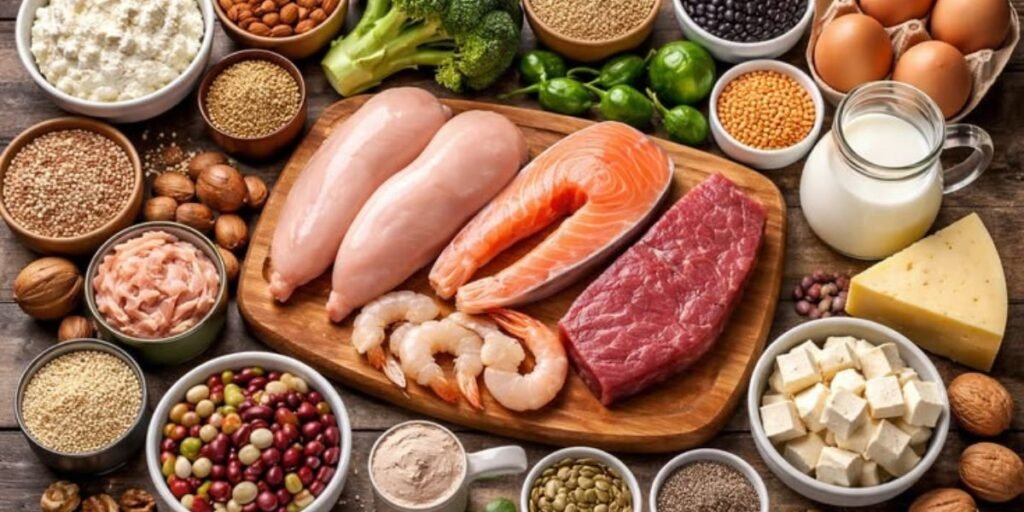
Protein is important for building and repairing muscles. It also helps you stay full for longer. As a result, you may eat less during the day. In addition, it supports your metabolism and helps your body recover faster.
Examples of protein-rich macro foods:
- Chicken breast
- Eggs
- Fish
- Lentils
- Greek yogurt
2. Carbohydrates in Macros Food Guide
Carbohydrates are the body’s primary energy source. In fact, they play a vital role in keeping your body active. Moreover, they fuel your brain and muscles throughout the day. As a result, you feel more energetic and focused. Therefore, including enough carbohydrates in your diet is essential. In addition, they support better physical and mental performance.
Examples:
- Rice
- Whole grains
- Fruits
- Vegetables
- Oats
3. Healthy Fats in Macros Food Guide
Healthy fats support brain health, hormone production, and nutrient absorption. In fact, they are essential for overall body function. Moreover, they help your body absorb important vitamins. As a result, your brain and hormones work more efficiently. Therefore, including healthy fats in your diet is very important. In addition, they play a key role in long-term health and energy balance..
Examples:
- Avocados
- Nuts
- Seeds
- Olive oil
- Fatty fish
Macros Food Guide: Why It Is Important for Daily Nutrition

Understanding macro foods helps you:
- Control weight effectively
- Improve energy levels
- Build muscle and burn fat
- Maintain balanced nutrition
Unlike restrictive diets, macro tracking allows flexibility. As a result, you can enjoy your favorite foods as long as they fit your macro goals. In addition, this approach makes dieting more sustainable. Therefore, you are more likely to stay consistent over time.
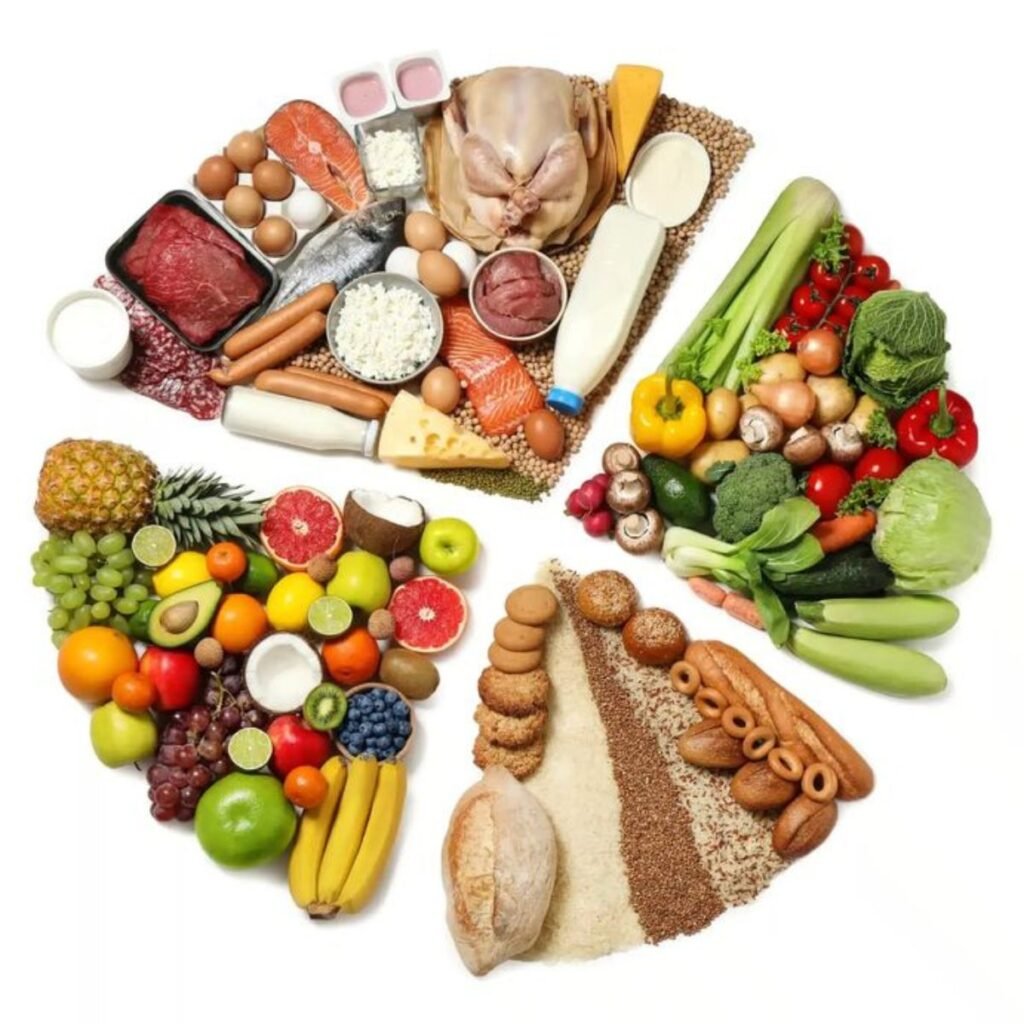
Macros Food Guide to Understanding Macro Balanced Meals
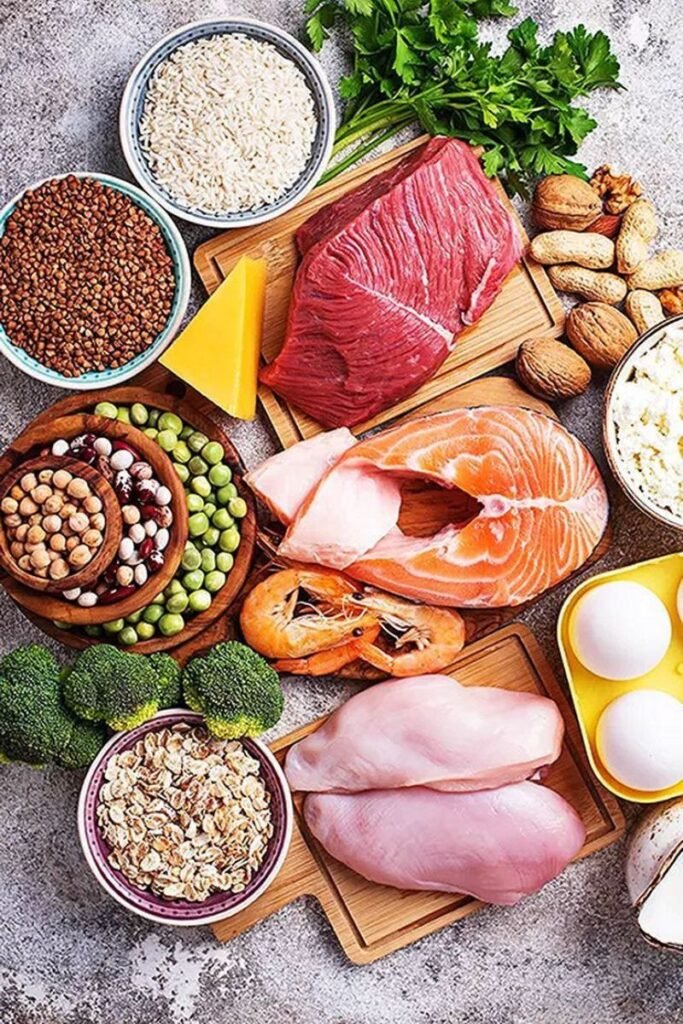
The protein, carbs, and fat ratio refers to how your daily calorie intake is divided among macronutrients. In fact, this ratio is very important for balanced nutrition. Moreover, it helps you understand how much of each nutrient your body needs. As a result, you can plan your meals more effectively. Therefore, following the right ratio supports better health and fitness goals. In addition, it makes it easier to track macros food accurately
Protein Carbs Fat Ratio in Macros Food Guide
Common Ratios:
- Weight Loss:
40% protein, 30% carbs, 30% fat - Muscle Gain:
30% protein, 50% carbs, 20% fat - Maintenance:
30% protein, 40% carbs, 30% fat
Your ideal ratio depends on:
- Age
- Gender
- Activity level
- Fitness goals
Balancing this ratio is key to creating effective macro-balanced meals.
Macros Food Guide: How Macro Balanced Meals Improve Health
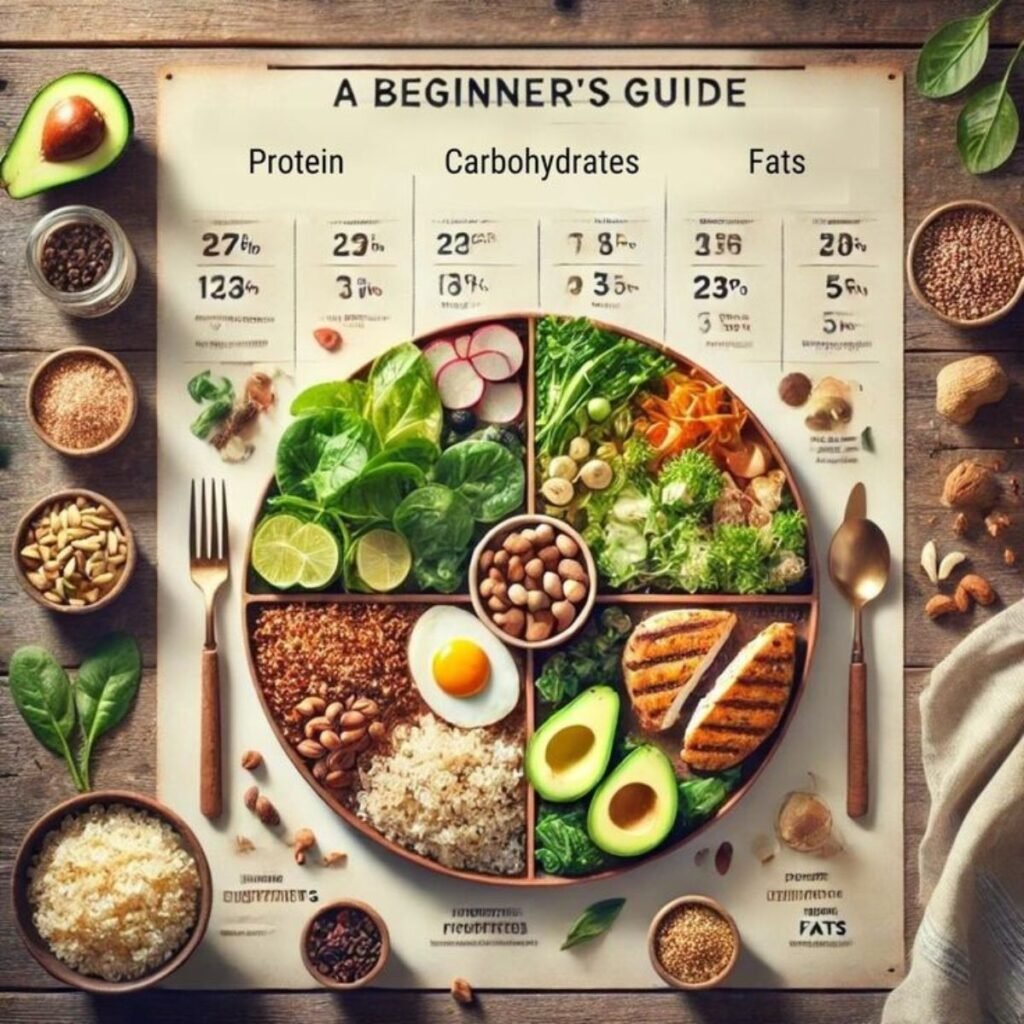
Macro-balanced meals contain the right proportion of protein, carbohydrates, and fats in a single meal. In fact, this balance is essential for proper nutrition. Moreover, it helps your body function efficiently. As a result, you experience better energy levels throughout the day. Therefore, including macro-balanced meals in your diet supports overall health. In the long run, it also promotes a sustainable and balanced lifestyle.
Example of a Macro Balanced Meal:
- Grilled chicken (protein)
- Brown rice (carbs)
- Avocado (fat)
- Vegetables (fiber + nutrients)
These meals help:
- Maintain steady energy levels
- Prevent overeating
- Support overall health
Macros Food Guide for Protein Carbs Fat Ratio Planning
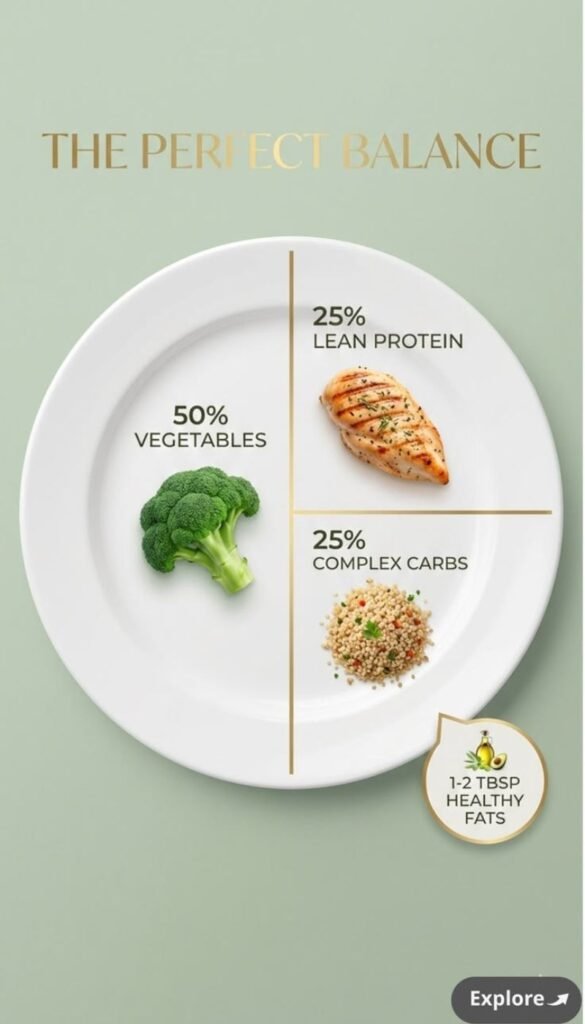
Creating macro-balanced meals doesn’t have to be complicated. Follow this simple structure:
Step 1: Choose a Protein Source
Start with lean protein like:
- Chicken
- Fish
- Eggs
- Tofu
Step 2: Add Healthy Carbs
Include complex carbs such as:
- Whole grains
- Sweet potatoes
- Fruits
Step 3: Include Healthy Fats
Add small portions of:
- Nuts
- Seeds
- Oils
Step 4: Add Vegetables
Vegetables provide fiber, vitamins, and minerals.
Macros Food Guide: Best Foods to Eat
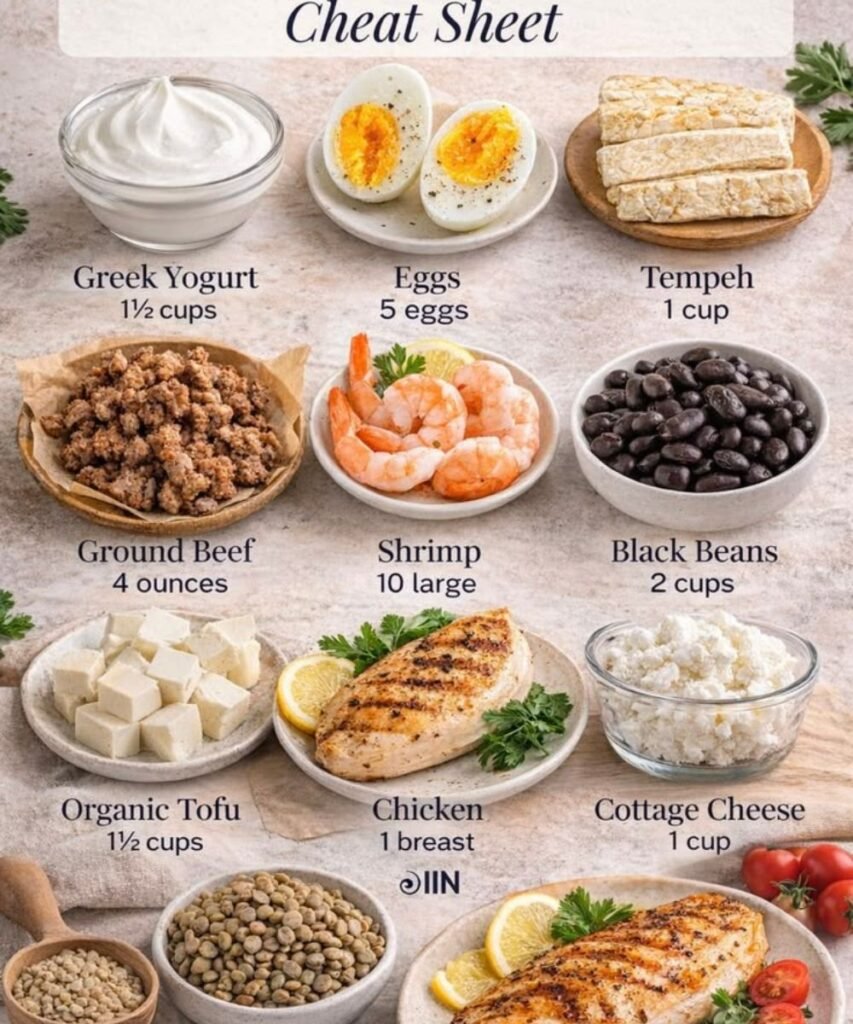
High Protein Macros Food for Muscle Growth
- Chicken breast
- Turkey
- Eggs
- Cottage cheese
- Lentils
Healthy Carbs and Fats in Macros Food
- Brown rice
- Oats
- Quinoa
- Fruits
- Almonds
- Walnuts
- Olive oil
- Avocado
Macros Food Guide for Weight Loss
If your goal is weight loss, focus on:
- High protein intake
- Moderate carbs
- Healthy fats
Tips:
- Prioritize lean protein
- Avoid processed foods
- Stick to your protein, carbs, and fat ratio
Macros Food for Muscle Gain
For muscle building:
- Increase protein intake
- Consume more carbs for energy
- Maintain healthy fats
Tips:
- Eat after workouts
- Include protein in every meal
- Track macros consistently
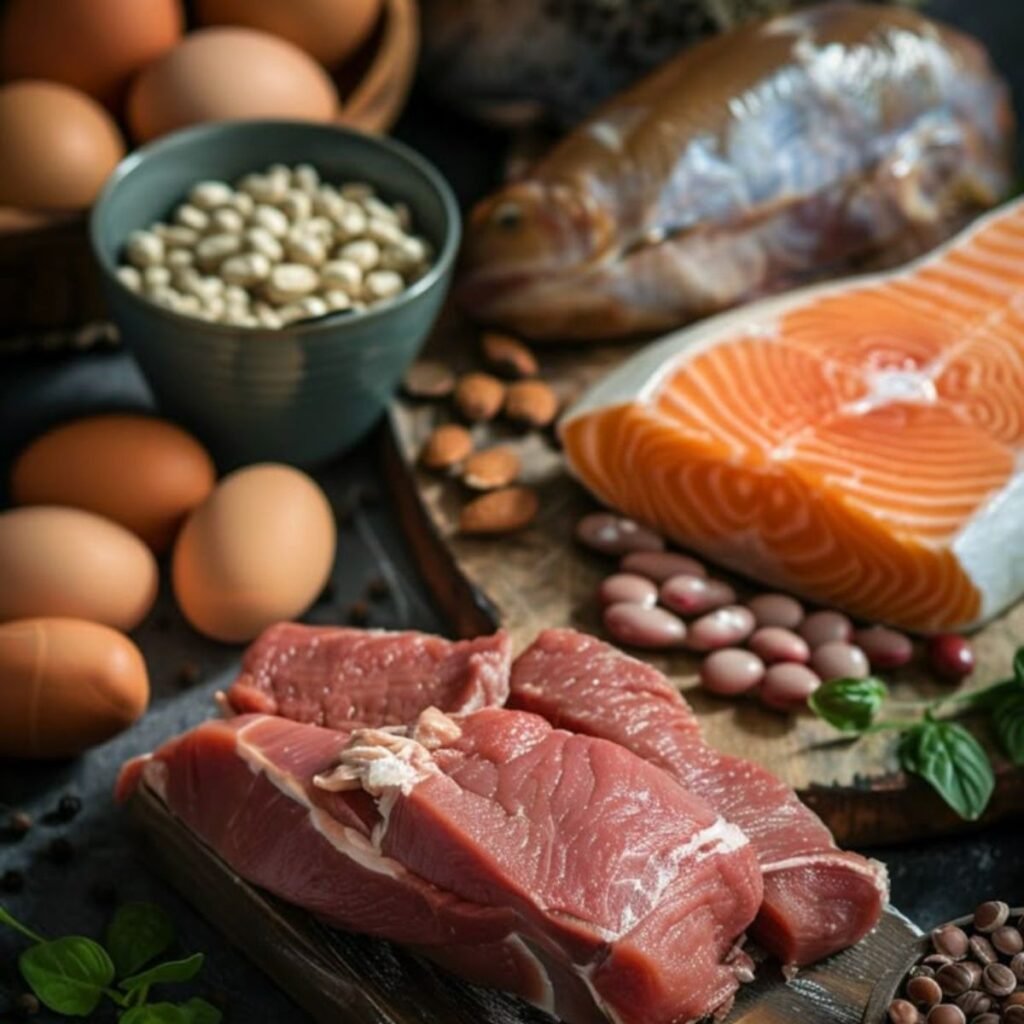
High Protein Macros Food for Muscle Growth
1. Better Energy Levels
Balanced meals prevent energy crashes.
2. Improved Digestion
A mix of nutrients supports gut health.
3. Sustainable Dieting
No food is completely restricted.
4. Enhanced Fitness Results
Supports both fat loss and muscle gain.
Healthy Carbs and Fats in Macros Food Diet
1. Ignoring Portion Sizes
Even healthy macros food can lead to weight gain if overeaten. Therefore, portion control is essential. In addition, monitoring your intake helps maintain balance. As a result, you can avoid excess calories and stay on track with your goals.
2. Skipping Meals
This disrupts your protein, carbs, and fat ratio.
3. Not Tracking Macros
Tracking helps maintain consistency.
4. Overeating One Macronutrient
Balance is key for macro-balanced meals.
Beginners Meal Planning
Breakfast
- Oatmeal with peanut butter and eggs
Lunch
- Grilled chicken with brown rice and vegetables
Snack
- Greek yogurt with nuts
Dinner
- Salmon with quinoa and salad
Simple Tips to Build Macro Balanced Meals Daily
You can track macros by:
- Using mobile apps
- Reading nutrition labels
- Measuring portion sizes
Consistency is more important than perfection. In fact, small consistent efforts lead to better results over time. Therefore, you should focus on progress instead of being perfect.
Tips for Beginners
- Start simple
- Focus on whole foods
- Learn your protein, carb, and fat ratios
- Plan meals in advance
- Stay consistent
FAQs
1. What is macro food?
Consistency is more important than perfection. In fact, small consistent efforts lead to better results over time. Moreover, these efforts help build strong habits. As a result, you become more disciplined and focused. Therefore, you should focus on progress instead of being perfect. In the long run, consistency always brings better success.
2. What is a good protein, carb, and fat ratio?
A common ratio is 40% protein, 30% carbs, and 30% fat, but it depends on your goals.
3. Are macro-balanced meals good for weight loss?
Yes, they help control calories while ensuring proper nutrition.
4. Do I need to track macros every day?
It’s helpful, especially in the beginning, but not mandatory long-term.
5. Can I eat carbs while following a macro food plan?
Absolutely, carbs are essential for energy and should be included in your diet. In fact, they are the body’s main source of fuel. Moreover, carbs support brain function and daily activities. As a result, you feel more active and energized. Therefore, including carbs in your meals is important for overall health.
6. Is macro food better than calorie counting?
Macro foods provide a more balanced approach by focusing on nutrient quality, not just calories. In fact, this approach improves overall nutrition. Moreover, it helps you make healthier food choices. As a result, your body gets the nutrients it needs to function properly. Therefore, focusing on macro foods can lead to better long-term health. In the long run, this method supports a sustainable and healthy lifestyle.
7. How do I start eating macro-balanced meals?
Begin by including protein, carbs, and fats in every meal in proper portions.
Conclusion
Understanding macros food is a powerful step toward achieving your health and fitness goals. In fact, it helps you make smarter nutrition choices. Moreover, by focusing on the right balance of protein, carbohydrates, and fats, you can fuel your body efficiently. As a result, your energy levels improve throughout the day. Therefore, this balanced approach supports long-term health and fitness. In the long run, it helps you stay consistent and achieve sustainable results.
Creating macro-balanced meals ensures you’re not only meeting your calorie needs but also nourishing your body with essential nutrients. When you align your diet with the correct protein, carbs, and fat ratio, you unlock better energy, improved performance, and long-term success.
The key is consistency, not perfection. In fact, staying consistent leads to better results over time. Therefore, you should start small and make gradual changes. In addition, building habits that fit your lifestyle makes the process easier. As a result, you are more likely to stay committed. Over time, macros food will become second nature, and eventually, it will help you live a healthier and more balanced life.