
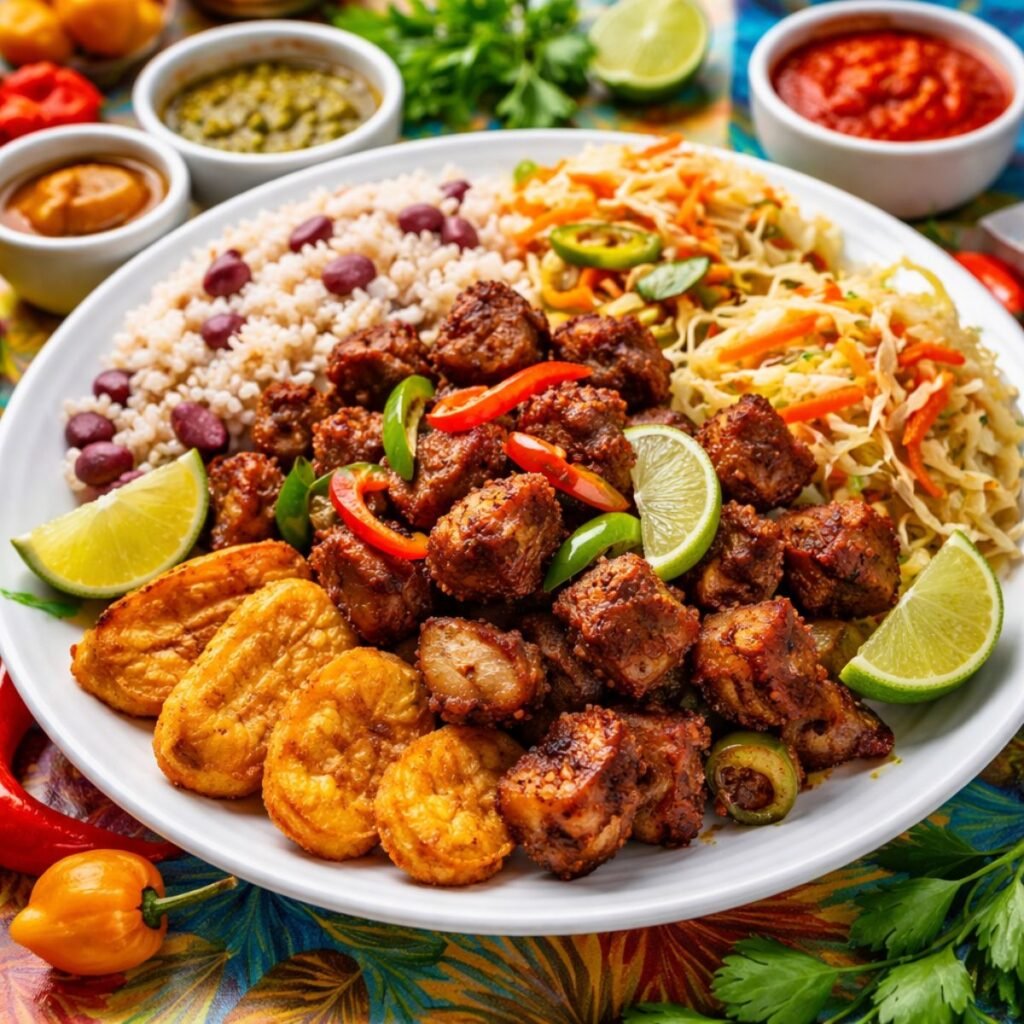
Caribbean Haitian food is a vibrant and deeply rooted culinary tradition that reflects the history, culture, and resilience of Haiti. Known for its bold flavors, aromatic spices, and unique cooking techniques, Haitian cuisine stands out as one of the most distinctive in the Caribbean region. Influenced by African, French, Spanish, and indigenous Taíno cultures, Haitian food offers a rich blend of tastes that appeal to food lovers around the world.
At the heart of Haitian Caribbean cuisine is a commitment to fresh ingredients, slow cooking methods, and a balance of flavors spicy, savory, tangy, and sometimes slightly sweet. Whether it’s crispy fried pork, flavorful rice dishes, or hearty soups, Caribbean Creole cuisine from Haiti delivers an unforgettable culinary experience.
This article will take you deep into the world of Caribbean Haitian food, exploring its history, popular dishes, ingredients, cooking methods, and cultural significance.
The Origins of Caribbean Haitian Cuisine
Haitian Caribbean cuisine has a fascinating history shaped by centuries of cultural blending. The roots of this cuisine trace back to:
- African influence: Enslaved Africans brought cooking techniques, spices, and staple foods like rice and beans.
- As a result, as a former French colony, Haiti inherited culinary styles such as sauces, marinades, and refined cooking methods.
- Spanish and indigenous influence: Early settlers and native populations contributed ingredients like cassava, maize, and tropical fruits.
This fusion created what is now recognized as Caribbean Creole cuisine, a flavorful and diverse food tradition that is both rustic and sophisticated.
Key Characteristics of Caribbean Haitian Food
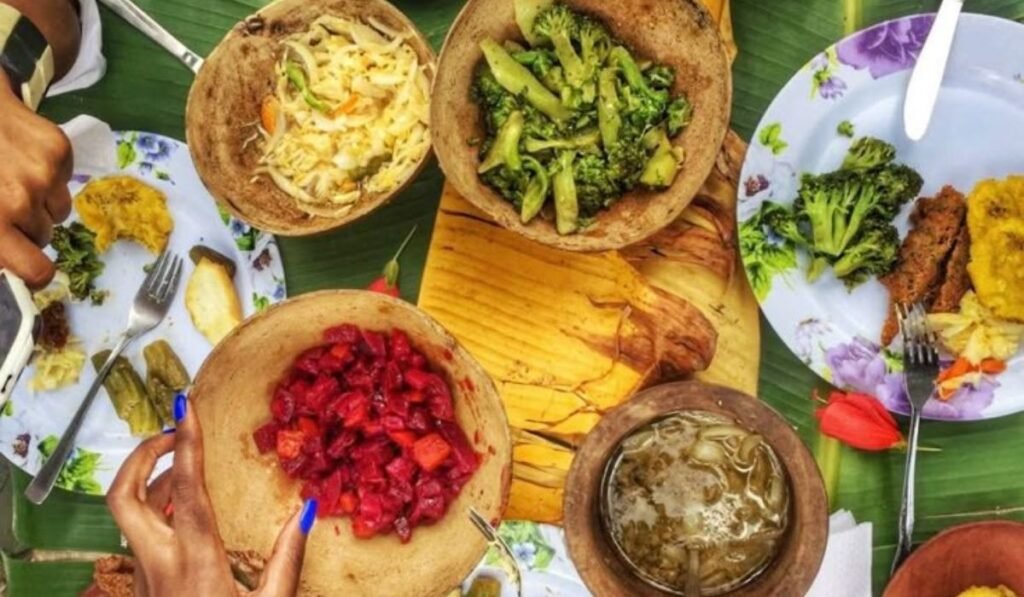
Caribbean Haitian food is known for several defining features:
1. Bold and Spicy Flavors
Haitian dishes often include a mix of herbs and spices like thyme, parsley, garlic, cloves, and Scotch bonnet peppers. These ingredients create deep, layered flavors.
2. Use of Epis (Haitian Seasoning Base)
Epis is a green seasoning blend made from herbs, garlic, peppers, and oil. It is the foundation of most Haitian dishes and gives them their signature taste.
3. Fresh and Local Ingredients
From plantains and yams to fresh seafood and tropical fruits, Haitian cooking relies heavily on locally sourced ingredients.
4. Slow Cooking Techniques
Many dishes are marinated for hours and cooked slowly to enhance flavor and tenderness.
Popular Dishes in Haitian Caribbean Cuisine
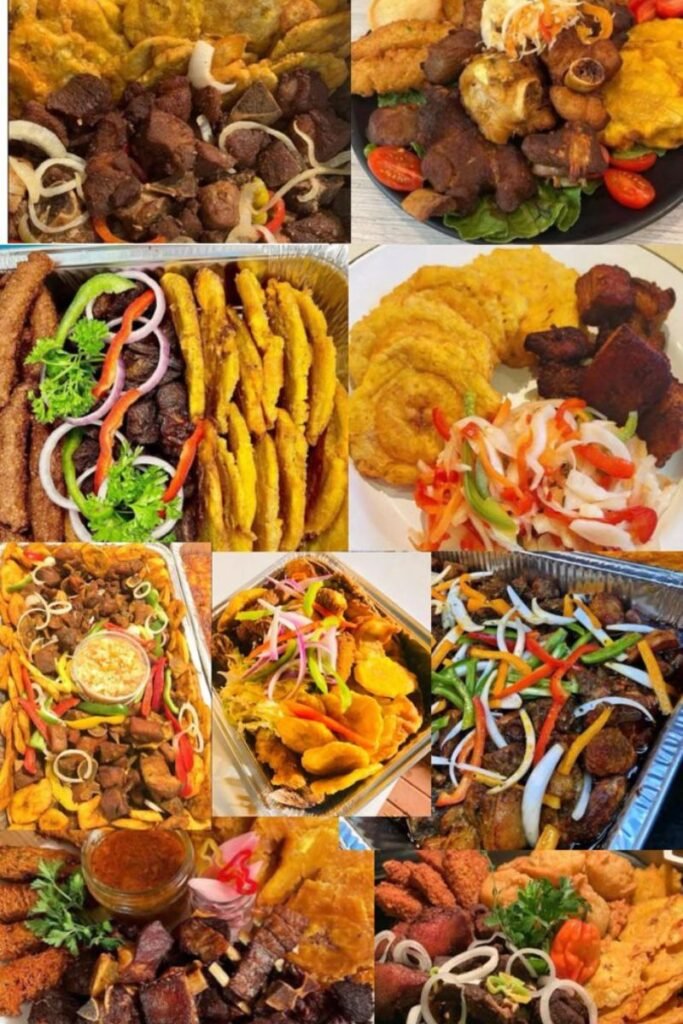
Griot (Fried Pork)
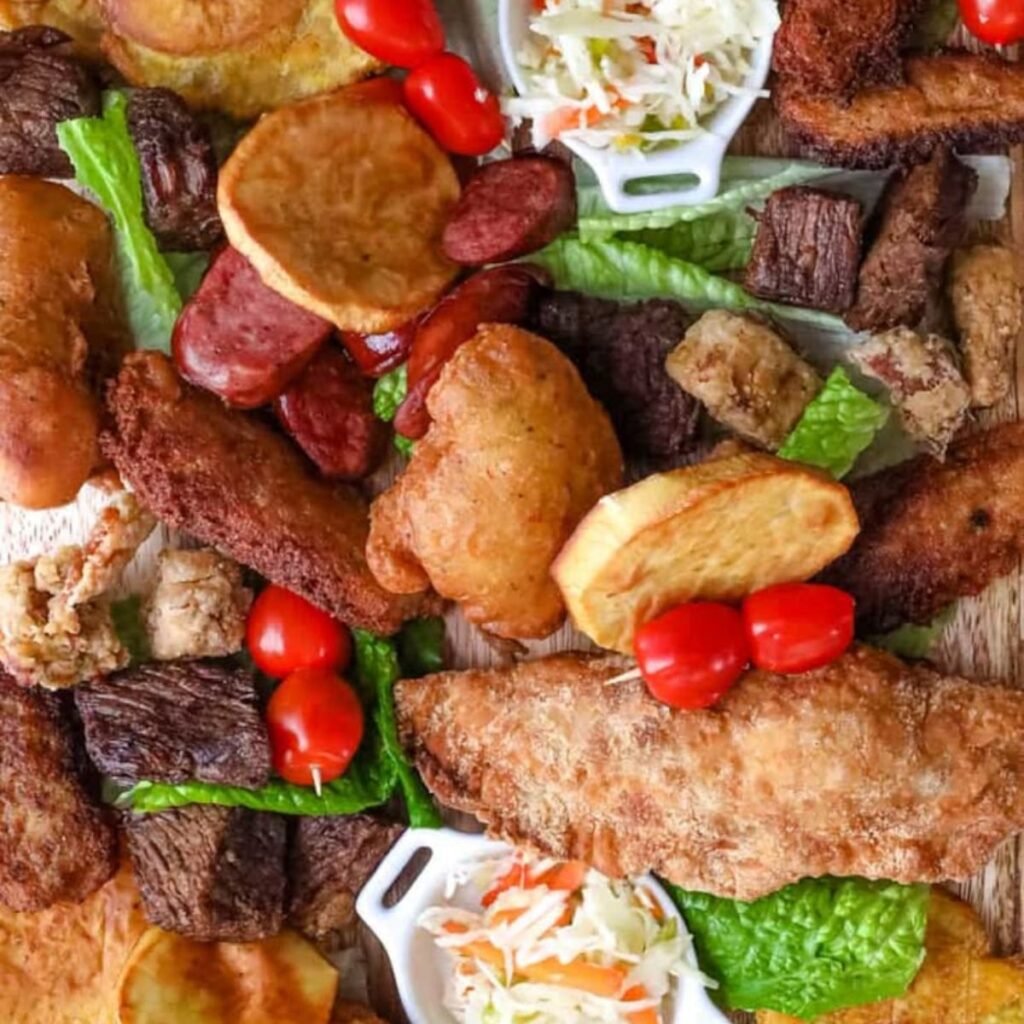
One of the most iconic dishes in Caribbean Haitian food, griot consists of marinated pork that is boiled and then fried until crispy. It is often served with pikliz, a spicy pickled vegetable slaw.
Diri ak Djon Djon (Black Mushroom Rice)
This unique dish uses dried black mushrooms that give the rice a deep, earthy flavor and dark color. It is a staple in Haitian households.
Soup Joumou
Traditionally eaten on New Year’s Day, this pumpkin soup symbolizes freedom and independence. It is rich, hearty, and packed with vegetables and meat.
Tassot
Tassot is fried meat, usually goat or beef, seasoned and cooked to perfection. It’s crispy on the outside and tender inside.
Plantains (Bannann Peze)
Fried plantains are a common side dish. They are crispy, slightly sweet, and pair well with savory meals.
Essential Ingredients in Caribbean Creole Cuisine
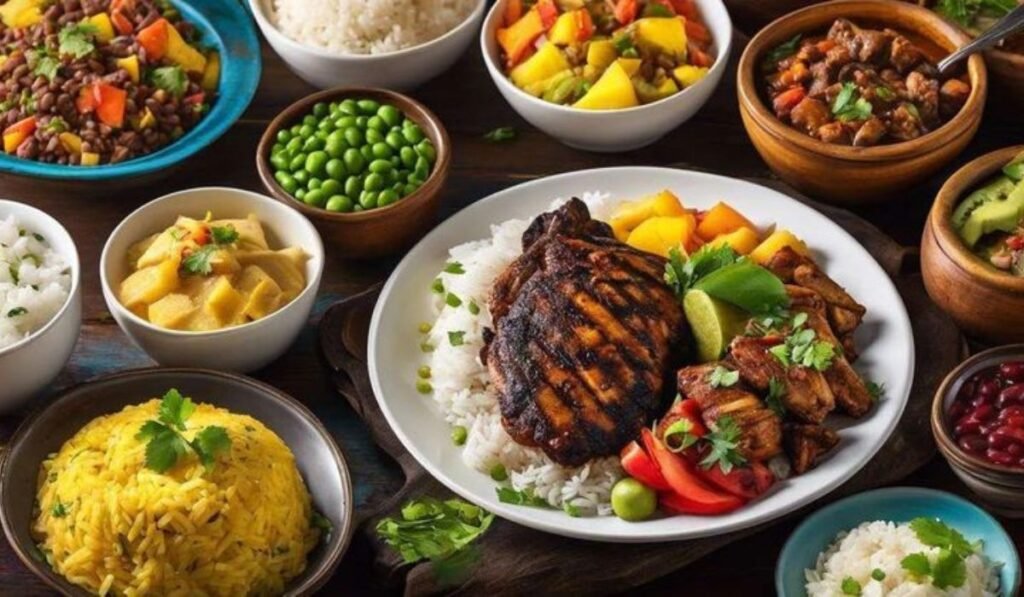
Haitian Caribbean cuisine depends on a variety of essential ingredients:
- Rice and beans – staple foods
- Plantains – used in many forms
- Scotch bonnet peppers – for heat
- Garlic and onions – flavor base
- Thyme and parsley – key herbs
- Lime juice – used for marination
- Seafood and meats – protein sources
These ingredients come together to create the rich and complex flavors that define Caribbean Haitian food.
Cooking Techniques in Haitian Cuisine
Marination
Meat is often marinated overnight using epis and citrus juices, ensuring deep flavor.
Frying
Frying is a popular technique, especially for dishes like griot and tassot.
Stewing
Many dishes are slow-cooked in sauces to develop rich flavors.
Boiling
Soups and rice dishes often involve boiling with herbs and spices.
Cultural Importance of Caribbean Haitian Food
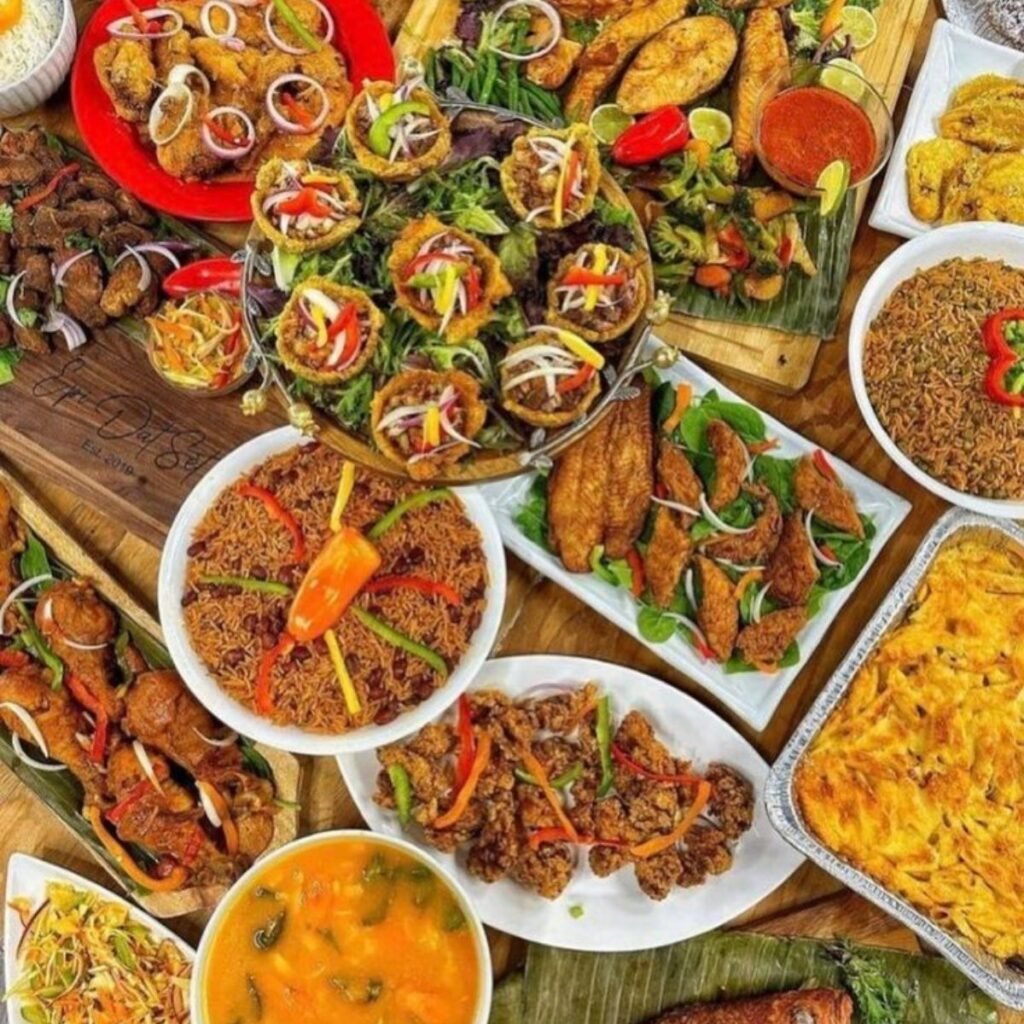
Food in Haiti is more than just sustenance—it is a cultural expression. Haitian Caribbean cuisine plays a central role in:
Family Gatherings
Meals are often shared among family members, emphasizing unity and tradition.
Celebrations and Festivals
Special dishes are prepared during holidays and important events.
Religious and Historical Significance
Certain foods, like Soup Joumou, hold deep historical meaning tied to Haiti’s independence.
Caribbean Haitian Food vs Other Caribbean Cuisines
While Caribbean Creole cuisine shares similarities across islands, Haitian food stands out due to:
- Strong French influence
- Unique seasoning blends like epis
- Distinct dishes not found elsewhere
- Rich historical symbolism
Compared to Jamaican or Cuban cuisine, Haitian food often uses less sugar and more herbal depth.
Health Benefits of Haitian Caribbean Cuisine
Despite its rich flavors, Caribbean Haitian food can be quite nutritious:
- Fresh vegetables provide vitamins and minerals
- Lean meats and seafood offer protein
- Natural spices have anti-inflammatory properties
- Balanced meals include carbs, protein, and fats
When prepared with less oil, many dishes can be part of a healthy diet.
Tips for Cooking Haitian Caribbean Cuisine at Home
If you want to try making Caribbean Haitian food:
- Start with simple recipes like rice and beans
- Learn how to make epis
- Use fresh herbs and spices
- Don’t rush the cooking process
- Experiment with traditional dishes
Cooking Haitian Caribbean cuisine at home is a rewarding experience that introduces you to new flavors and techniques.
The Global Rise of Caribbean Haitian Food
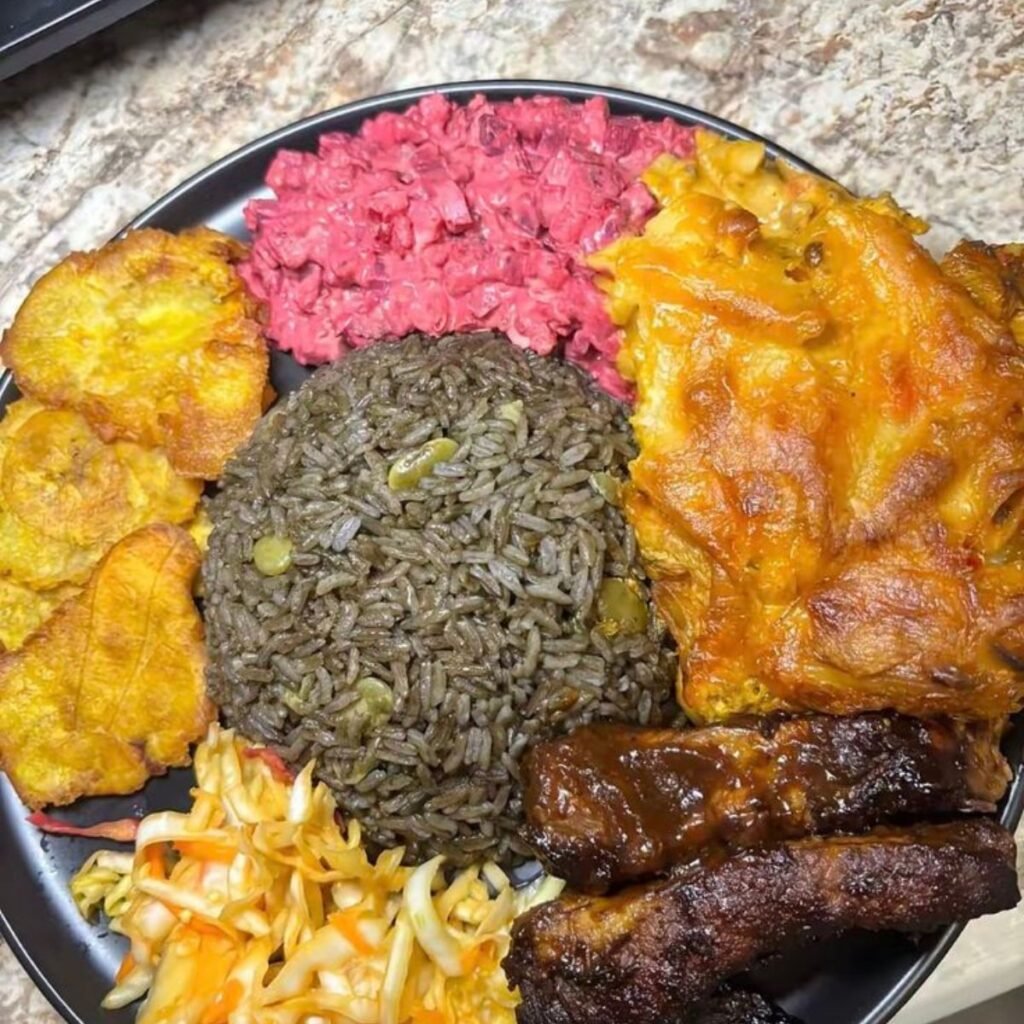
In recent years, Caribbean Haitian cuisine has gained international recognition. Haitian restaurants are opening worldwide, and food enthusiasts are exploring this rich culinary tradition.
Social media and food blogs have also played a significant role in showcasing Haitian dishes to a global audience.
FAQs
1. What is Caribbean Haitian food?
Caribbean Haitian food refers to the traditional cuisine of Haiti, characterized by bold flavors, spices, and a blend of cultural influences.
2. What makes Haitian Caribbean cuisine unique?
Its use of epis seasoning, strong herbal flavors, and French-African culinary fusion make it distinct.
3. Is Haitian food spicy?
Yes, many dishes include spicy peppers, but the heat level can vary.
4. What is the most popular Haitian dish?
Griot is one of the most popular and widely recognized dishes.
5. What is Caribbean Creole cuisine?
It is a fusion of different cultural cooking styles in the Caribbean, including African, European, and indigenous influences.
Conclusion
Caribbean Haitian food is a celebration of culture, history, and flavor. From its rich origins to its modern-day popularity, Haitian Caribbean cuisine continues to captivate food lovers around the world. With its bold spices, unique dishes, and deep cultural significance, it stands as a powerful example of Caribbean Creole cuisine.
Ultimately, whether you are tasting griot for the first time or cooking a traditional Haitian meal at home, this cuisine offers an unforgettable experience. Exploring Caribbean Haitian food is not just about eating it’s about connecting with a vibrant culture and appreciating the artistry behind every dish.