
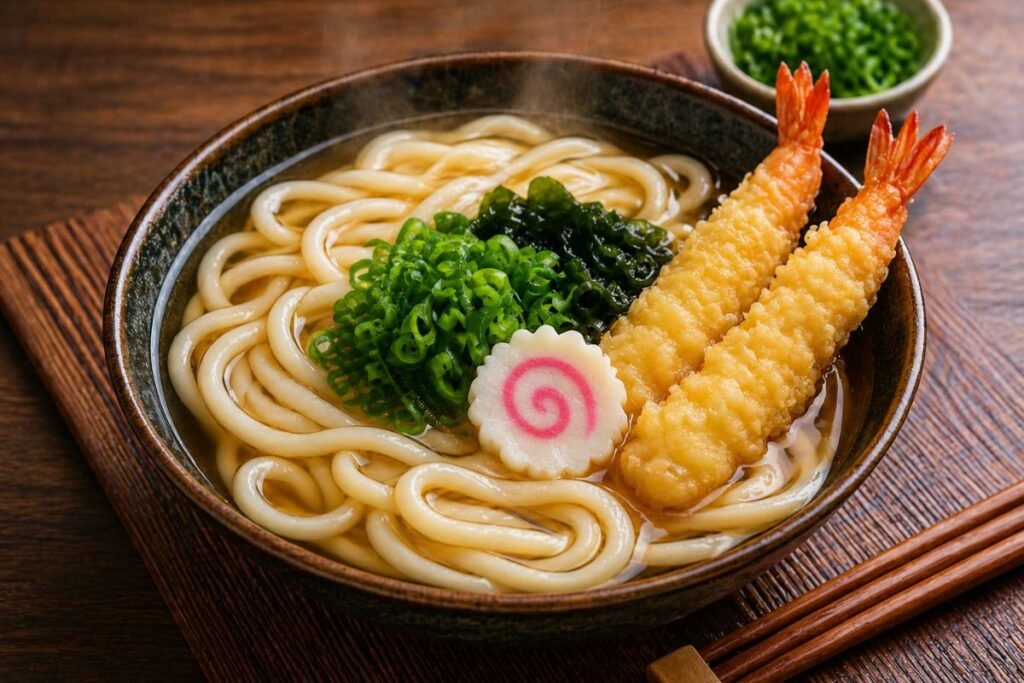
Japanese Udon Noodles offer a comforting taste, chewy texture, and endless serving options. These thick wheat noodles have become popular worldwide because they pair well with rich broths, fresh vegetables, and savory toppings. Moreover, they suit every season since you can enjoy them hot or cold. Whether you love Japanese cuisine or want to try something new, this guide will help you understand, cook, and enjoy these classic noodles with confidence.
What Are Japanese Udon Noodles?
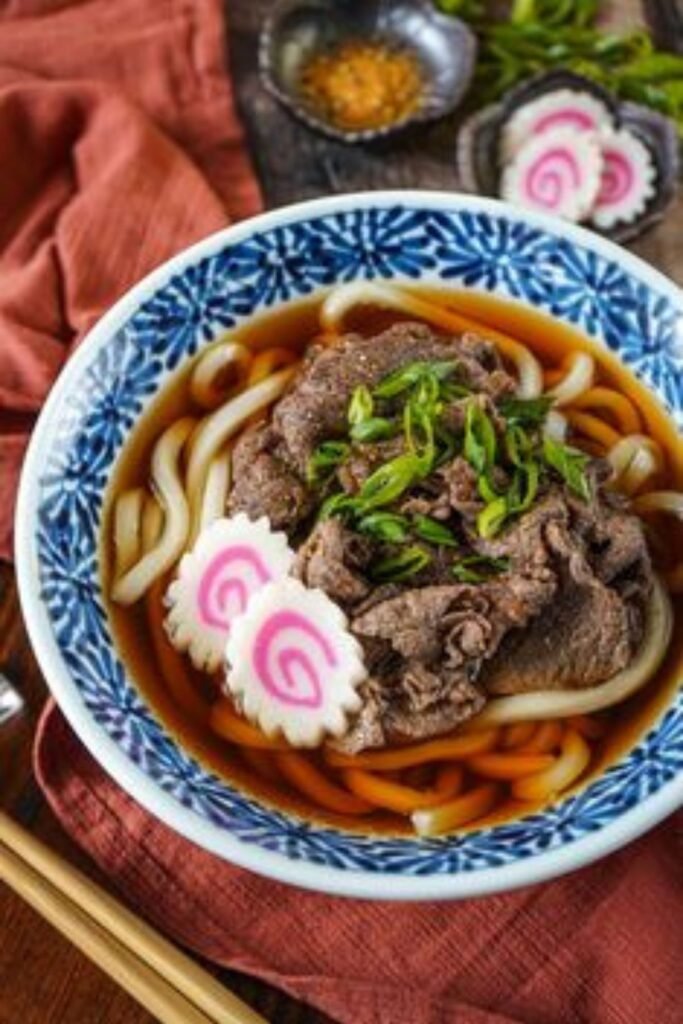
These thick noodles are made mainly from wheat flour, water, and salt. They have a soft yet chewy texture that makes every bite satisfying. Traditionally, people serve them in flavorful broth, stir-fry them with vegetables, or chill them with dipping sauce.
These noodles stand out because they absorb flavors very well. Therefore, they work beautifully in many recipes.
History of Japanese Udon
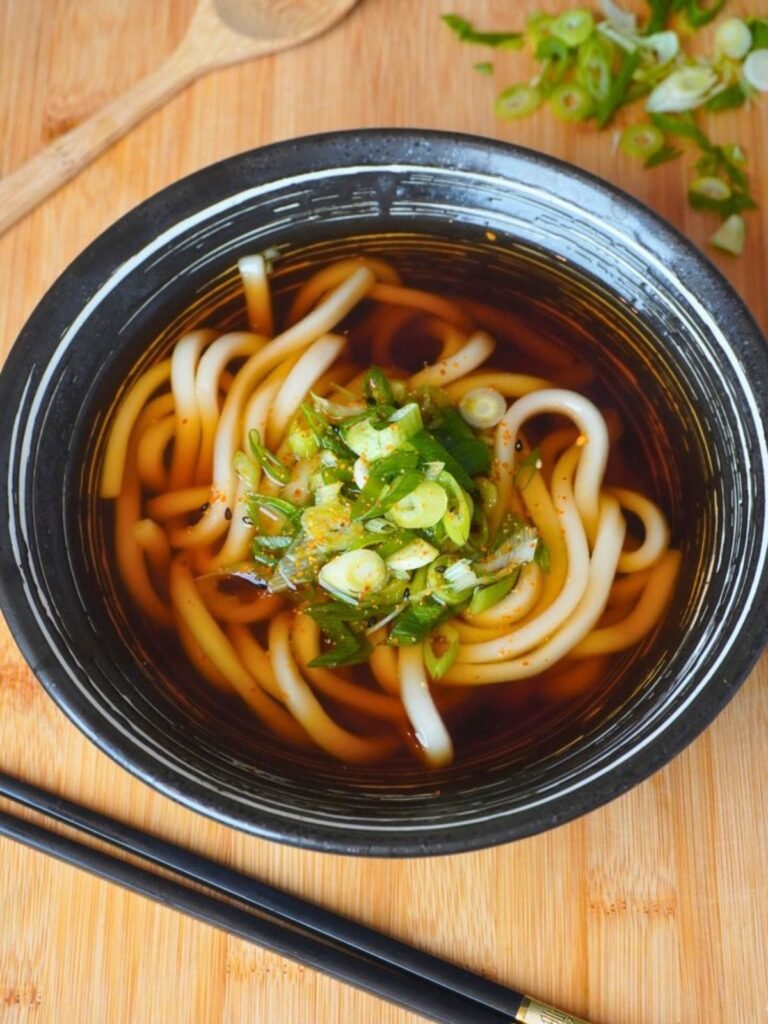
Japan has enjoyed udon for centuries. Many food historians believe wheat noodles arrived from China and later evolved into a unique Japanese dish. Over time, each region created its own udon style.
For example:
- Sanuki Udon from Kagawa has a firm texture
- Kansai Udon often uses lighter broth
- Miso Udon includes a rich fermented flavor
Today, people across the world enjoy these noodles in homes and restaurants.
Why Japanese Udon Are So Popular
People love this for many reasons.
Soft Yet Chewy Texture of Japanese Udon Noodles
They feel satisfying and hearty in every bite.
Quick Cooking Time of Japanese Udon Noodles
Fresh udon cooks fast, which saves time.
Great Flavor Pairing of Japanese Udon Noodles
They match broth, meat, seafood, tofu, and vegetables.
Seasonal Flexibility of Japanese Udon Noodles
You can eat them hot in winter and cold in summer.
Health Benefits
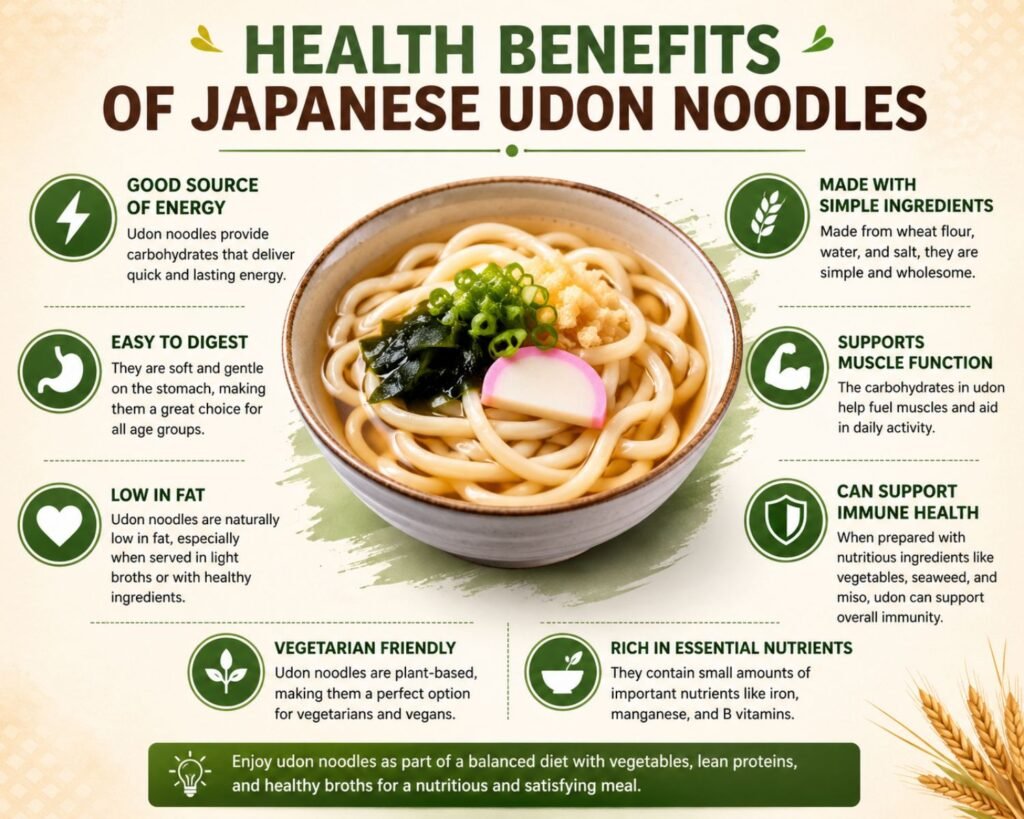
It can fit into a balanced diet when you serve them with healthy ingredients.
1. Good Energy Source
They contain carbohydrates that give quick energy.
2. Low-Fat Base Food
Plain udon noodles are naturally low in fat.
3. Easy to Digest
Their soft texture often feels gentle on the stomach.
4. Flexible for Healthy Meals
Add lean protein and vegetables for better nutrition.
5. Filling and Satisfying
They can help control hunger when portioned well.
How to Make at Home
It making at home feels rewarding and fun.
Ingredients
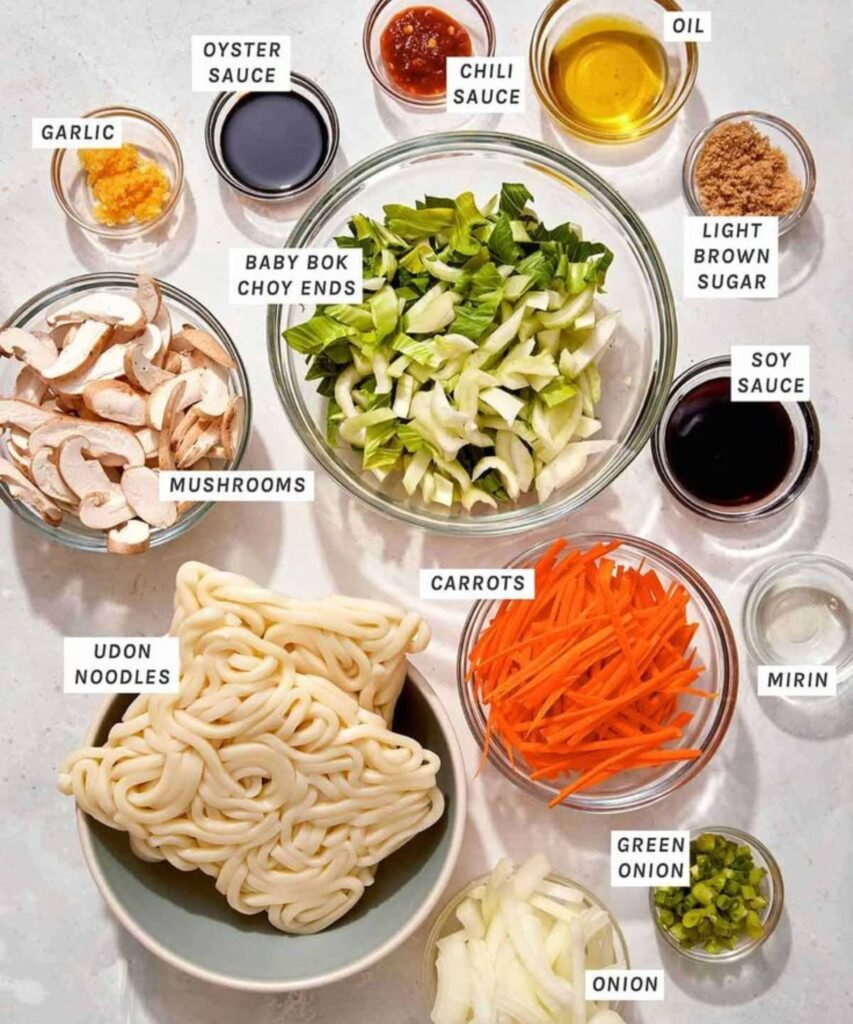
- 2 cups wheat flour
- 1/2 cup water
- 1 teaspoon salt
Steps
1. Mix the Dough
Combine flour, water, and salt until a rough dough forms.
2. Knead Well
Knead until smooth and firm.
3. Rest the Dough
Let it rest for 30 minutes.
4. Roll and Cut
Roll flat and cut into thick strips.
5. Boil the Noodles
Cook in boiling water for 8 to 10 minutes.
6. Rinse and Serve
Rinse lightly, then add broth or sauce.
Best Ways to Serve Noodles
These noodles offer many serving styles.
Hot Soup Style
Serve in broth with scallions and mushrooms.
Stir-Fried Style
Cook with vegetables, soy sauce, and chicken.
Cold Summer Style
Chill noodles and serve with dipping sauce.
Curry Style
Use thick Japanese curry sauce for a rich flavor.
Seafood Style
Top with shrimp, fish cake, or crab.
Common Mistakes to Avoid
Cooking becomes easier when you avoid common mistakes.
Overcooking the Noodles
They lose texture and become too soft.
Using Weak Broth
Good broth creates better flavor.
Skipping Rinse Step
Rinsing removes excess starch.
Overloading Toppings
Too many toppings can hide the noodle taste.
Poor Seasoning Balance
Always taste before serving.
Tips for Better Japanese Udon Noodles
- Use fresh ingredients
- Choose quality soy sauce
- Add seasonal vegetables
- Serve immediately for the best texture
- Balance salty and savory flavors
Conclusion
They bring comfort, flavor, and variety to any meal. They cook quickly, pair with many ingredients, and suit every season. Moreover, they work well for beginners and experienced cooks alike. If you want a delicious and satisfying dish, these noodles deserve a place in your kitchen.
FAQs
1. What are Japanese Udon Noodles made from?
They are usually made from wheat flour, water, and salt.
2. Are Japanese Udon Noodles healthy?
Yes, they can be healthy with vegetables and lean protein.
3. Can I eat Japanese Udon Noodles cold?
Yes, many people enjoy them cold in summer.
4. How long do Japanese Udon Noodles take to cook?
Fresh udon often cooks in about 8 to 10 minutes.
5. Do Japanese Udon Noodles contain eggs?
Traditional udon noodles usually do not contain eggs.