
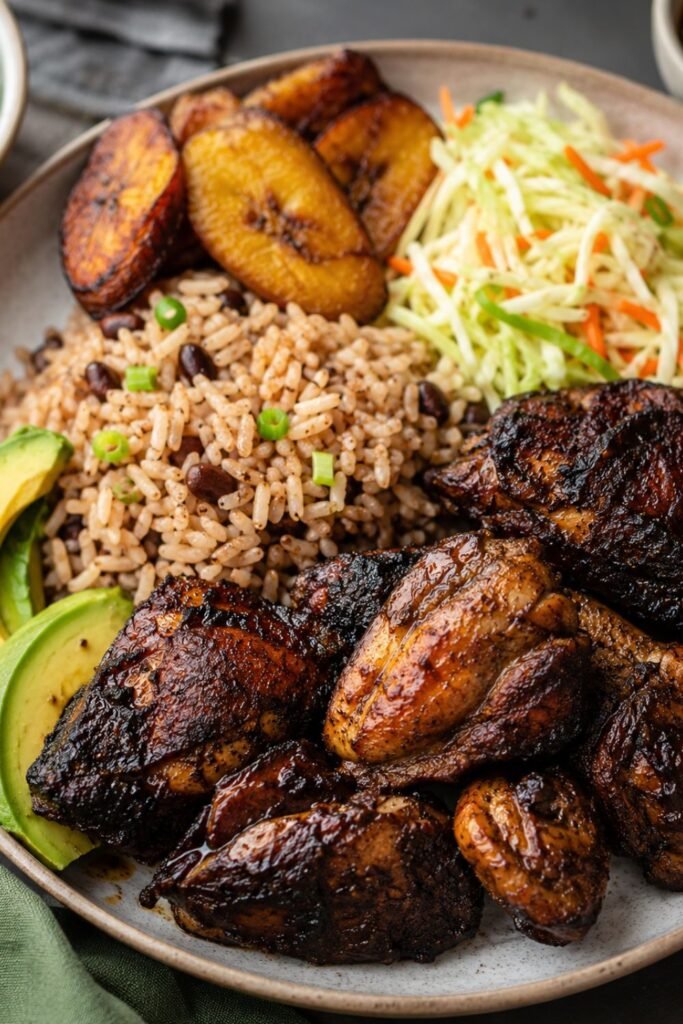
Have you ever tasted something so bold and flavorful that it stopped you in your tracks That is exactly what Jamaican Food does to every person who tries it for the first time. Furthermore, this Caribbean cuisine carries centuries of culture, history, and passion in every single bite. In this guide, you will discover the most popular Jamaican dishes, their history, key ingredients, and why food lovers around the world absolutely crave them.
The Rich History Behind Jamaican Food

Jamaican Food did not develop overnight. Instead, it grew through centuries of cultural blending. The indigenous Taíno people first introduced local ingredients like cassava, sweet potatoes, and tropical fruits. Moreover, when African enslaved people arrived, they brought cooking techniques and spices that completely transformed the island’s cuisine.
In addition, Spanish and British colonial influences added new layers of flavor. As a result, Jamaican dishes became a powerful mix of African, European, and indigenous traditions. Therefore, every meal you eat in Jamaica tells a story of survival, creativity, and cultural pride.
Top Must-Try Jamaican Dishes
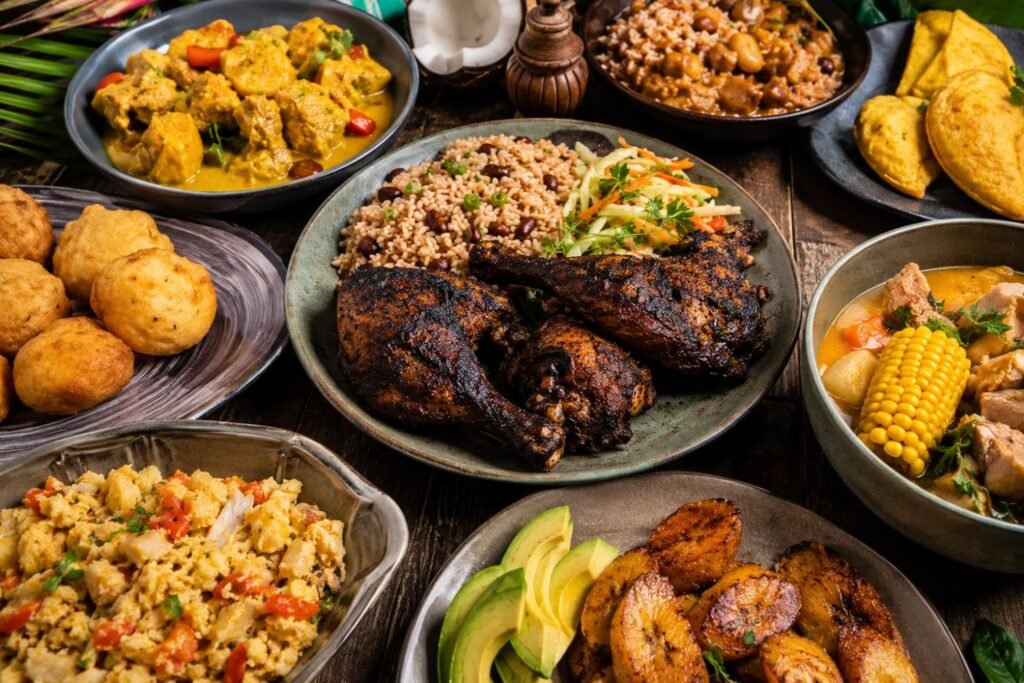
Jerk Chicken The King of Caribbean Cuisine
No conversation about Jamaican Food is complete without jerk chicken. Cooks marinate the chicken in a spicy blend of scotch bonnet peppers, allspice, thyme, and garlic. Furthermore, they slow-cook it over pimento wood, which gives it a deep, smoky flavor that nobody can resist.
Jerk chicken is not just food it is a Jamaican tradition. In addition, jerk seasoning works wonderfully on pork, fish, and even vegetables. Therefore, whether you prefer meat or plant-based meals, jerk flavor has something incredible to offer you.
Ackee and Saltfish The National Dish of Jamaica
Ackee and saltfish holds the title of Jamaica’s official national dish. Cooks combine the bright yellow ackee fruit with salted codfish, onions, tomatoes, and scotch bonnet peppers. Moreover, they sauté everything together in oil, creating a savory, satisfying meal that Jamaicans enjoy most at breakfast.
However, you must cook ackee correctly because the unripe fruit contains natural toxins. As a result, most countries import canned ackee to ensure safety. Nevertheless, when you prepare it the right way, ackee and saltfish delivers an unforgettable taste experience.
Key Ingredients That Define Jamaican Food
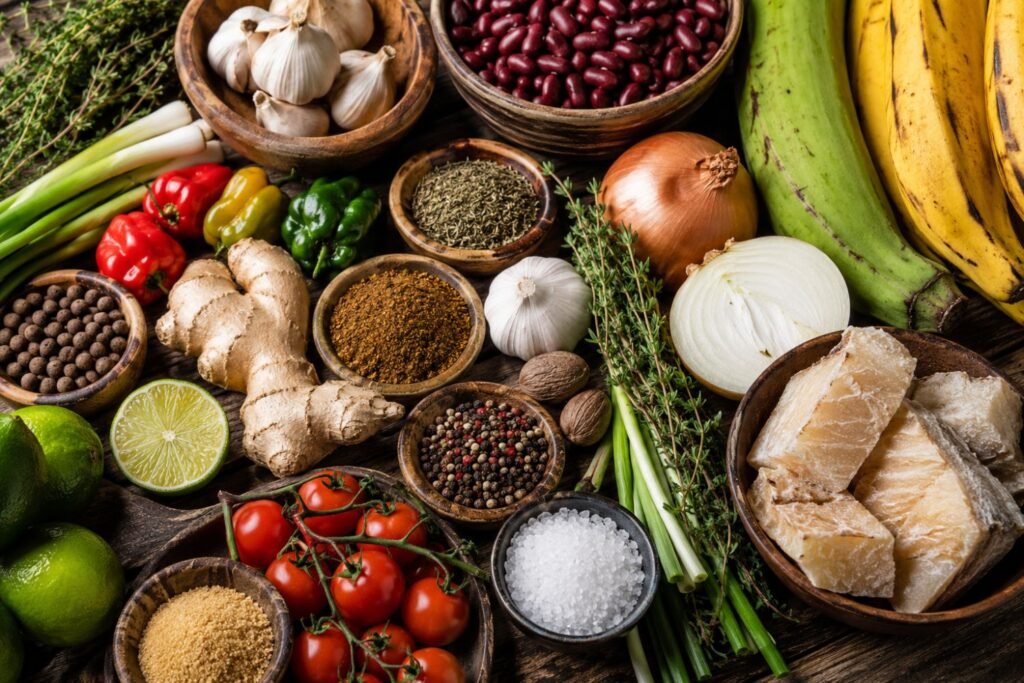
Understanding Jamaican Food means understanding its core ingredients. Furthermore, these ingredients appear in almost every traditional recipe you will find on the island.
Scotch Bonnet Peppers These small but fiery peppers bring intense heat and a fruity sweetness to Jamaican dishes. In addition, they appear in jerk seasoning, pepper sauces, and stews.
Allspice (Pimento) Jamaicans call it pimento, and it is a cornerstone spice in their cuisine. Moreover, it gives jerk seasoning its warm, complex flavor.
Coconut Milk Cooks use coconut milk in rice and peas, soups, and desserts. Therefore, it adds a rich creaminess that balances out the heat of scotch bonnet peppers beautifully.
Fresh thyme goes into nearly every savory Jamaican recipe. As a result, it creates an earthy, herbal base that ties all the other flavors together.
Popular Jamaican Side Dishes and Comfort Foods

Rice and Peas
Rice and peas is the most beloved side dish in all of Jamaican Food culture. Cooks prepare it with kidney beans or gungo peas, coconut milk, thyme, and garlic. Furthermore, Jamaicans serve it alongside almost every main course, especially on Sundays and holidays.
Festival and Bammy
Festival is a slightly sweet fried dumpling that pairs perfectly with jerk chicken or fried fish. In addition, bammy is a flatbread made from cassava that the Taíno people introduced centuries ago. Therefore, both dishes connect modern Jamaican cuisine directly to its ancient roots.
Callaloo
Callaloo is a leafy green vegetable similar to spinach. Cooks sauté it with onions, garlic, tomatoes, and scotch bonnet peppers. Moreover, it serves as both a side dish and a filling for breakfast meals across the island.
Jamaican Beverages and Sweet Treats
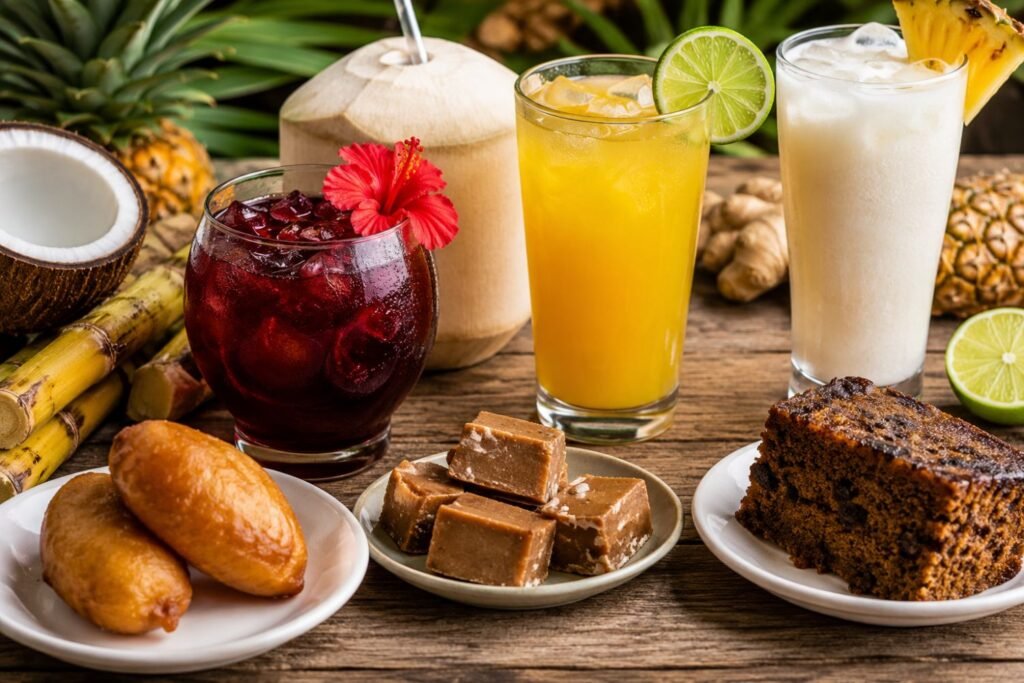
Jamaican Food culture also includes some of the most refreshing drinks and desserts in the Caribbean. Furthermore, these beverages and sweets reflect the island’s tropical environment perfectly.
Rum Punch Jamaica produces some of the finest rum in the world. In addition, Jamaican rum punch combines rum, fruit juice, and spices into a vibrant tropical drink.
Sorrel Drink Jamaicans make this festive drink from dried hibiscus petals, ginger, and spices. Moreover, it holds a special place at Christmas celebrations across the island.
Jamaican Rum Cake This rich, dense cake soaks in dark rum and bursts with dried fruits. Therefore, it remains one of the most popular desserts and holiday gifts in Jamaican culture.
Blue Mountain Coffee: Jamaica’s Blue Mountain region produces some of the most expensive and sought-after coffee beans in the world. As a result, coffee lovers everywhere consider it a premium Caribbean experience worth every cent.
Why the World Loves Jamaican Food
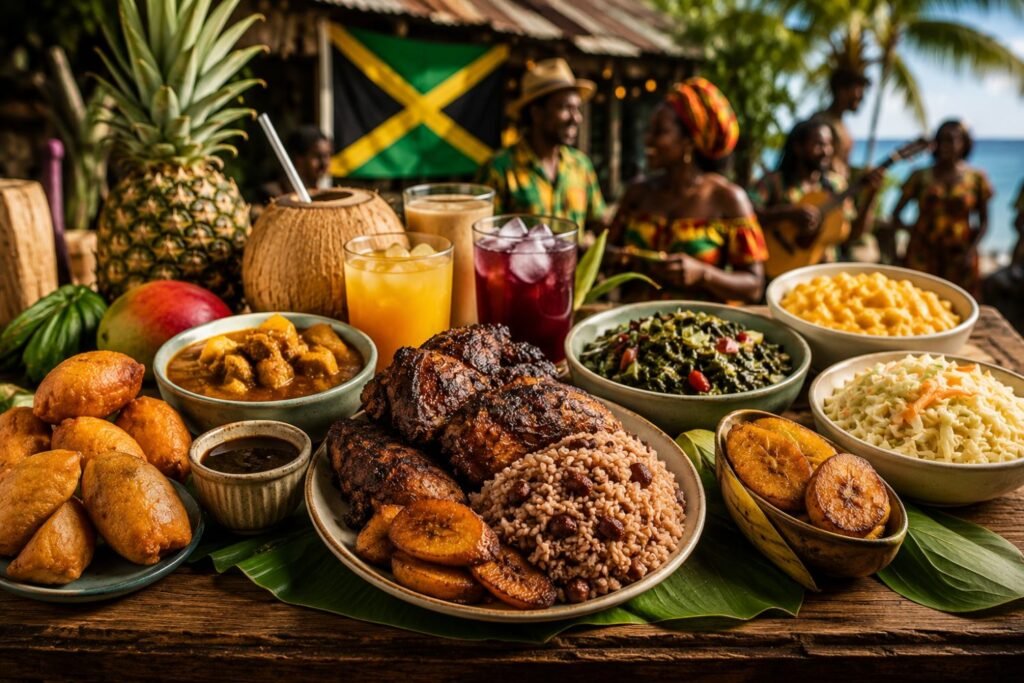
Jamaican Food has captured the hearts of food lovers on every continent. Furthermore, Jamaican restaurants now operate in major cities like London, New York, Toronto, and Tokyo. So what makes this cuisine so universally appealing?
First, the bold use of spices creates flavors that people simply cannot forget. In addition, Jamaican cooking balances heat with sweetness and richness in a way that feels exciting yet comforting. Moreover, the dishes carry genuine cultural stories, and people connect emotionally with food that has real history behind it.
As a result, Jamaican Food continues to grow in global popularity every single year. Therefore, whether you visit Jamaica, cook at home, or find a local Caribbean restaurant, you owe it to yourself to explore this incredible cuisine.
How to Cook Jamaican Food at Home
You do not need to travel to Jamaica to enjoy authentic Jamaican flavors. Furthermore, most key ingredients are available in Caribbean grocery stores or online retailers worldwide.
Start with a simple jerk chicken recipe. First, blend scotch bonnet peppers, allspice, thyme, garlic, ginger, brown sugar, and soy sauce into a smooth marinade. Then coat your chicken pieces generously and let them marinate overnight. Moreover, grill them on high heat for that signature smoky char. Serve alongside rice and peas and a slice of festival for a complete, authentic Jamaican meal.
In addition, try making a simple ackee and saltfish using canned ackee if fresh is unavailable. As a result, you will enjoy an authentic Jamaican breakfast experience right in your own kitchen.
FAQs
Q1. What is the most popular Jamaican Food?
Jerk chicken is the most popular and internationally recognized dish in Jamaican cuisine.
Q2. What is the national dish of Jamaica?
Ackee and saltfish is the official national dish of Jamaica.
Q3. Is Jamaican Food very spicy?
Jamaican Food uses scotch bonnet peppers, so it can be quite spicy, but you can adjust the heat level to your preference.
Q4. What makes Jamaican Food unique compared to other Caribbean cuisines?
Its bold combination of African, indigenous, and colonial influences creates a distinct flavor profile found nowhere else in the Caribbean.
Q5. Can I cook Jamaican Food at home without special equipment?
Yes, you can cook most Jamaican dishes using a standard kitchen grill, stovetop, and ingredients from any Caribbean grocery store.
Conclusion
Jamaican Food is more than just a meal it is a vibrant, living culture on a plate. Furthermore, every dish tells a story of resilience, creativity, and community. Whether you start with jerk chicken or explore the national dish of ackee and saltfish, you will quickly understand why Caribbean cuisine earns such passionate devotion around the world. Therefore, do not wait any longer; dive into the bold, beautiful world of Jamaican Food today and let your taste buds discover something truly extraordinary.