
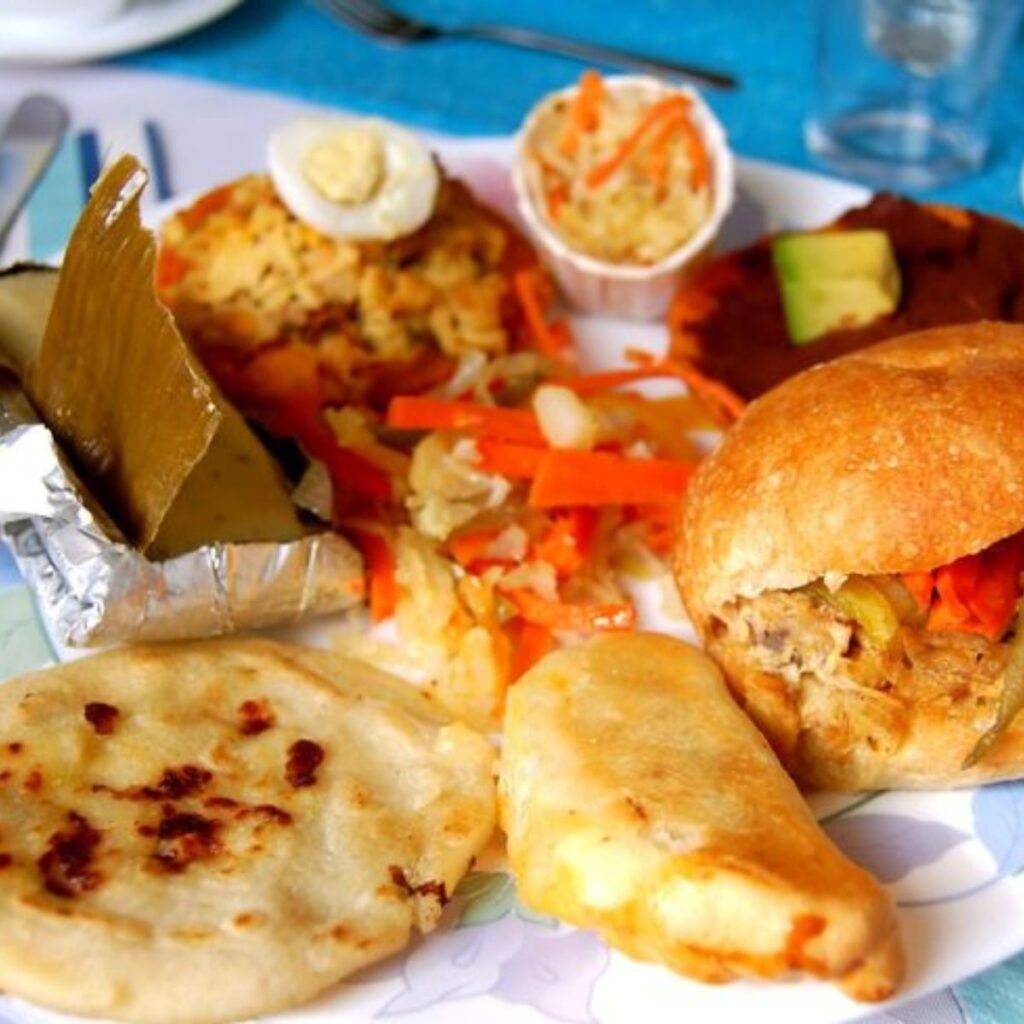
Salvadoran food tells a story. Every dish carries the heart of a small but mighty country in Central America. El Salvador may be the smallest nation on the continent, but its cuisine stands tall among the best in the world. Furthermore, the flavors are bold, the ingredients are fresh, and the recipes have survived generations of proud cooking traditions.
Most people discover Salvadoran food through one iconic dish, the pupusa. However, the cuisine goes far beyond that single plate. In addition, it blends indigenous Mayan roots with Spanish colonial influences to create something truly unique. Therefore, if you love exploring world cuisines, Salvadoran food deserves a top spot on your list.
This guide walks you through the most popular dishes, key ingredients, cultural significance, and tips for enjoying authentic Salvadoran meals. As a result, by the end of this article, you will feel ready to cook, order, or explore this incredible food culture with confidence.
What Makes Salvadoran Food So Special
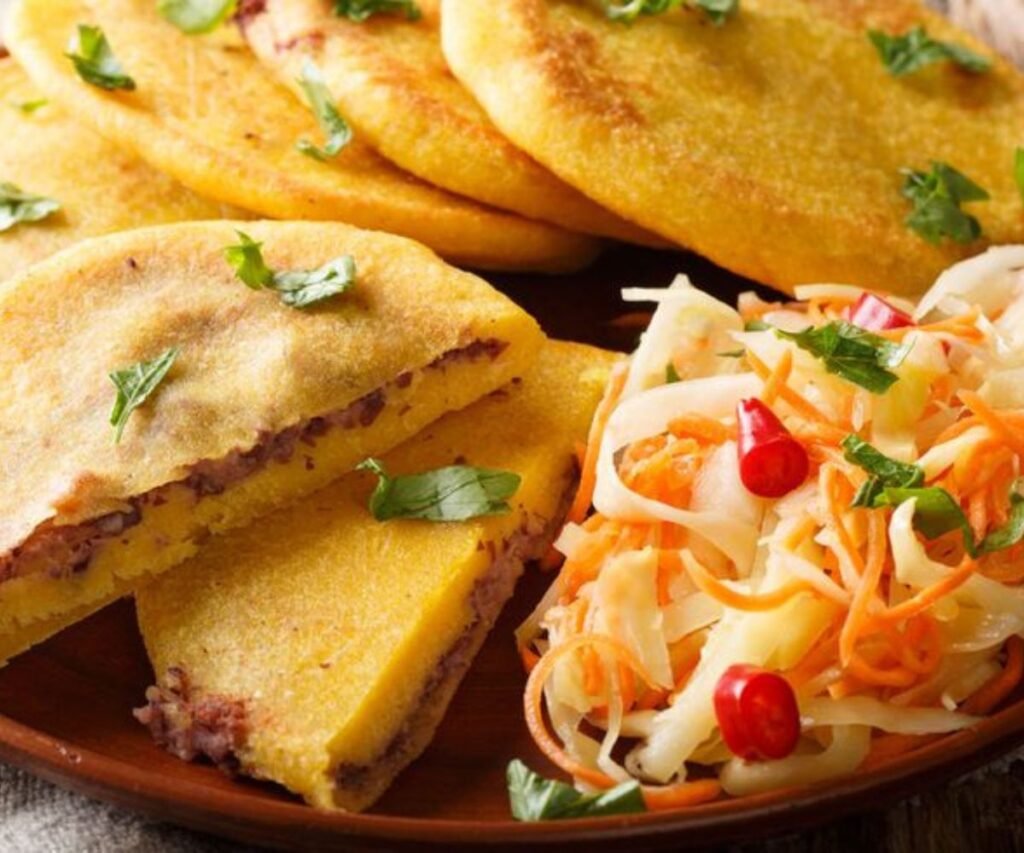
Salvadoran food stands out because it keeps things simple yet deeply flavorful. Cooks rely on fresh, locally grown ingredients. For example, corn, beans, plantains, and tropical fruits form the base of most meals. Additionally, the cuisine avoids heavy spices but delivers rich taste through slow cooking and quality ingredients.
Furthermore, food in El Salvador connects deeply to family and community. Families gather around the table to share meals and stories. On the other hand, street food culture also thrives there, where vendors sell hot, fresh dishes at every corner. Therefore, Salvadoran food works both as comfort food at home and as a lively street experience.
Traditional Favorites Loved by Locals
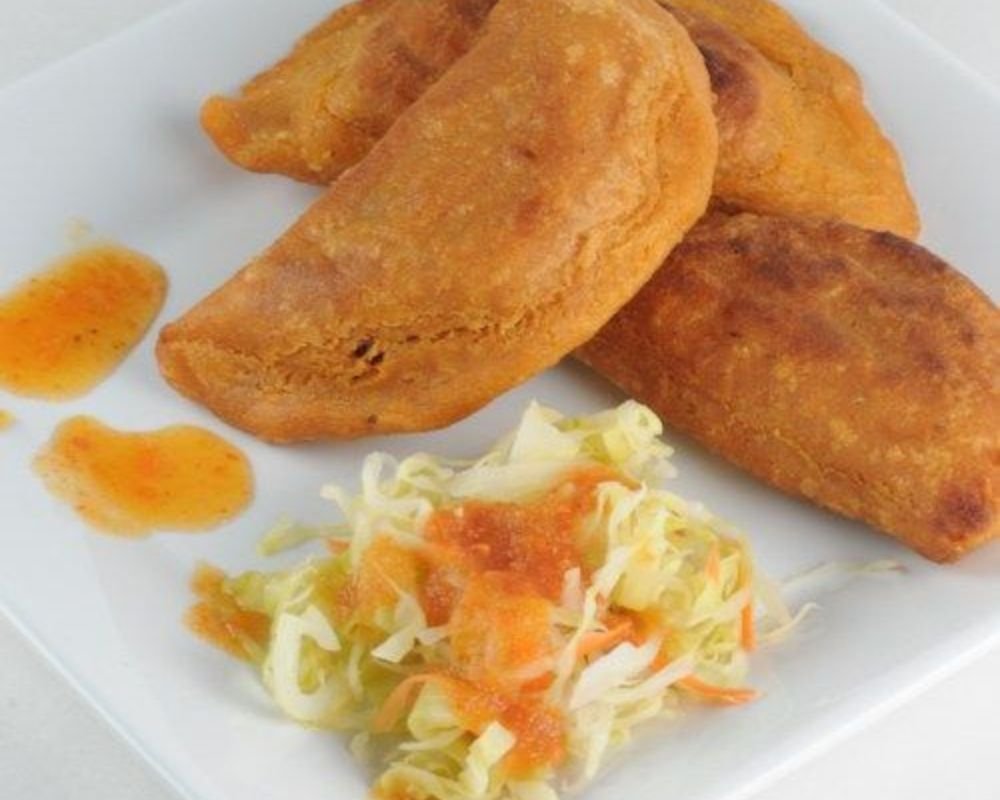
Pupusas The Heart of Salvadoran Food
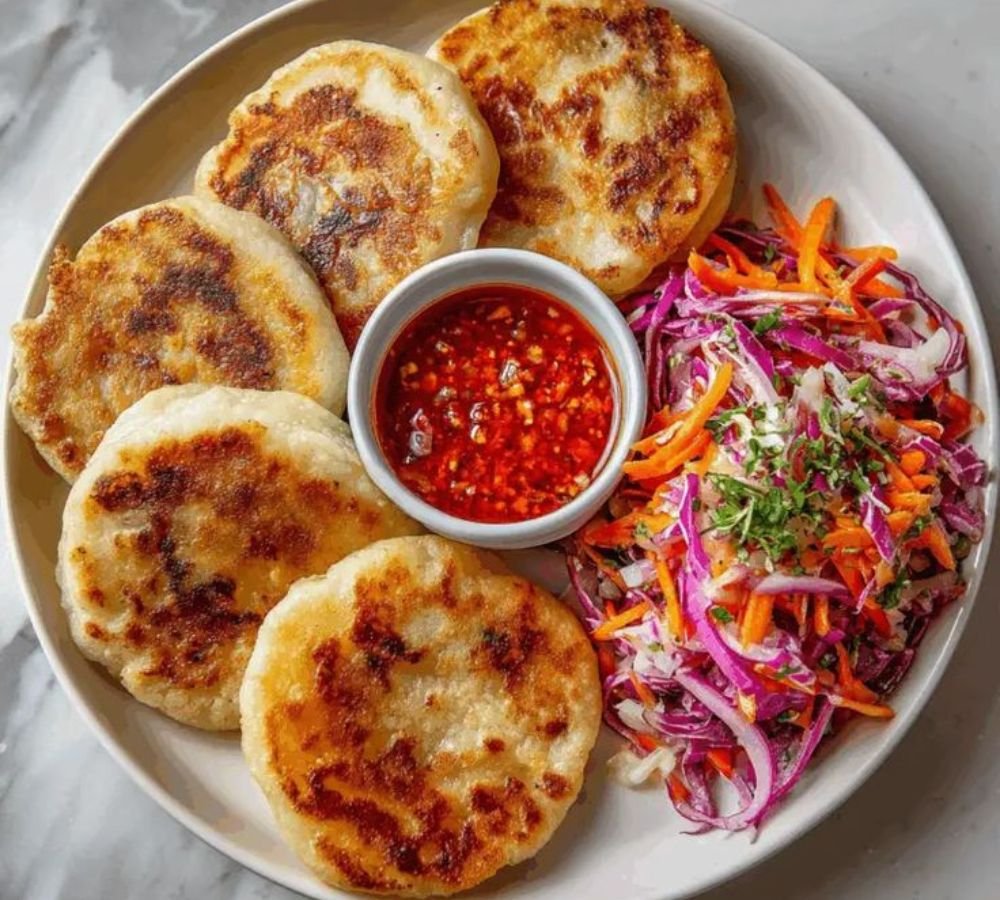
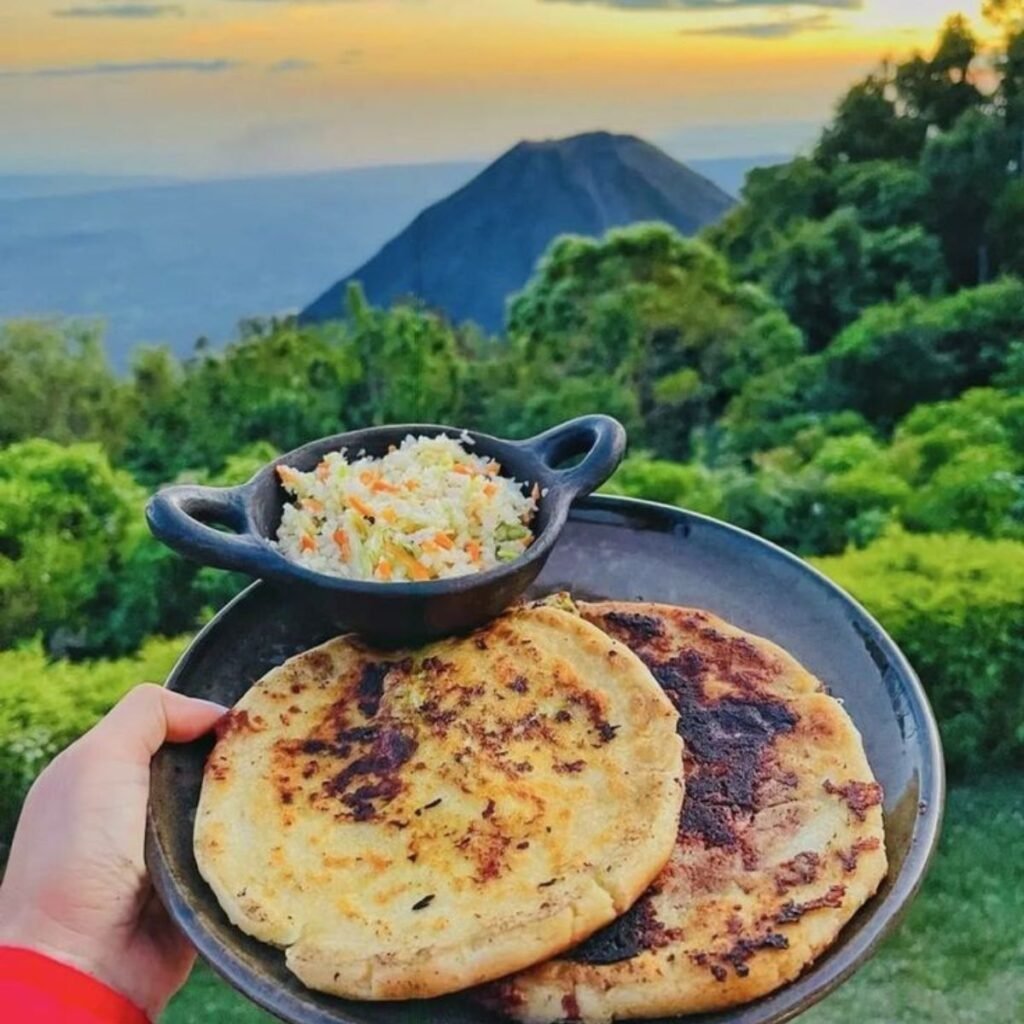
Pupusas top every list when people talk about Salvadoran food. These thick, handmade corn tortillas come stuffed with fillings like cheese, beans, pork, or a mix of all three. Additionally, cooks griddle them until the outside turns golden and slightly crispy. Furthermore, people always eat pupusas with curtido, a tangy pickled cabbage slaw, and a mild tomato salsa on the side.
In fact, pupusas hold such cultural importance that El Salvador celebrates National Pupusa Day every second Sunday of November. Therefore, they are not just food they are a national symbol.
Yuca Frita
Yuca frita gives you crispy fried cassava root served with chicharrón (fried pork) and curtido on the side. Additionally, some vendors serve it with a drizzle of lemon juice for extra brightness. This dish works perfectly as a street snack or a hearty appetizer. Furthermore, the crunchy texture and savory pork make it deeply satisfying.
Sopa de Pata
Sopa de pata ranks among the most beloved comfort foods in El Salvador. Cooks prepare this rich soup using cow’s feet, tripe, yuca, corn, and plantains. In addition, they slow-cook everything for hours to build a deep, hearty broth. As a result, the soup becomes thick, nourishing, and full of flavor. However, its bold ingredients make it an adventurous choice for first-time tasters.
Tamales Salvadoreños
Salvadoran tamales differ from Mexican tamales in important ways. For example, cooks here wrap them in banana leaves instead of corn husks. The masa (corn dough) turns softer and moister as a result of this wrapping method. Furthermore, they stuff the tamales with chicken or pork, along with potatoes, peppers, and olives. Therefore, each bite delivers a complex and satisfying combination of flavors.
Riguas
Riguas are fresh corn cakes that cooks grill directly on a comal (flat griddle). In addition, they mix the fresh corn with cheese before grilling, which gives them a slightly sweet and savory flavor. Furthermore, riguas make an excellent breakfast or snack. On the other hand, they also pair well as a side dish alongside soups and stews.
Key Ingredients in Salvadoran Food
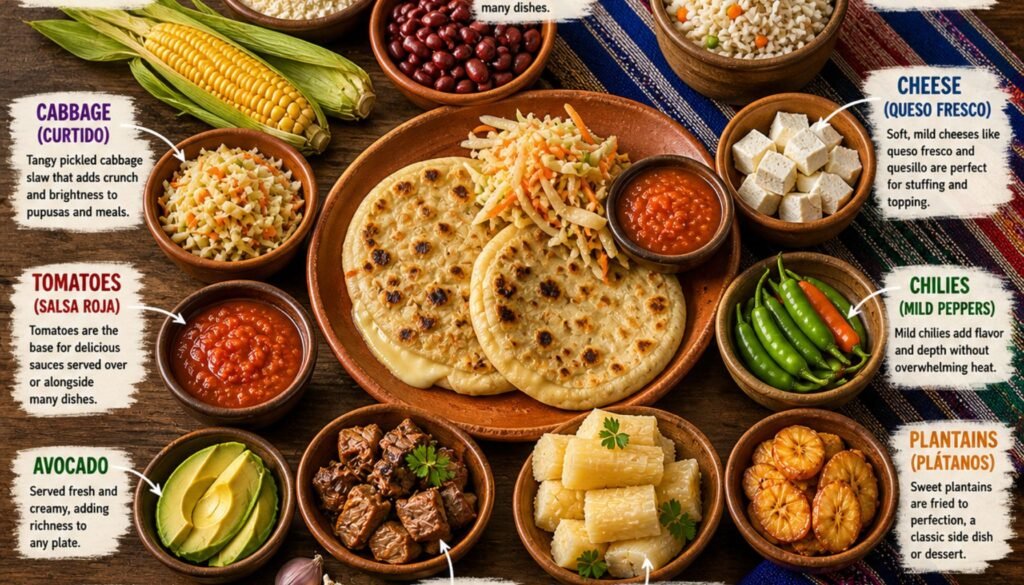
Understanding the core ingredients helps you appreciate what makes this cuisine so distinctive. Here are the staples that Salvadoran cooks use most:
- Corn is the foundation of pupusas, tamales, riguas, and many more dishes
- Black beans Used as a filling, a side, or a base for sauces
- Plantains are eaten fried, boiled, or baked at every meal of the day
- Loroco, a native edible flower with a unique earthy flavor, is commonly used in pupusas
- Yuca (cassava) Fried, boiled, or added to soups
- Chicharrón: Crispy fried pork that adds texture and richness to many dishes
- Crema: A thick, slightly tangy cream used as a topping on many plates
Furthermore, Salvadoran cooks often finish dishes with fresh lime juice and chopped cilantro. As a result, the meals feel bright and balanced even when they are rich and hearty.
Salvadoran Food and Its Cultural Roots
Salvadoran food draws from two powerful sources the indigenous Pipil and Lenca peoples, and Spanish colonizers who arrived in the 16th century. Therefore, the cuisine reflects centuries of cultural blending. For example, corn-based dishes like pupusas and tamales come directly from indigenous traditions. Additionally, ingredients like rice, pork, and certain spices arrived with Spanish settlers.
Furthermore, Salvadoran food culture emphasizes hospitality. Hosts always offer food to guests as a sign of warmth and respect. In addition, religious celebrations, weddings, and community festivals always feature traditional dishes at their center. Therefore, food acts as a connector — it brings people, history, and culture together on a single plate.
How to Enjoy Salvadoran Food at Home
You do not need to travel to El Salvador to enjoy its cuisine. Additionally, many Salvadoran restaurants operate across the United States, Canada, and Europe. Therefore, finding authentic dishes near you is easier than ever.
If you prefer cooking at home, start with pupusas. Here is a simple approach:
- Mix masa harina with water until you get a soft dough
- Flatten a small ball of dough in your palm
- Add a spoonful of cheese or beans in the center
- Close the dough around the filling and press flat
- Cook on a hot griddle for 3 to 4 minutes per side
Furthermore, serve your homemade pupusas with store-bought curtido or make your own by pickling shredded cabbage with vinegar, oregano, and a pinch of salt. As a result, you get an authentic Salvadoran experience right in your own kitchen.
Salvadoran Food: A Cuisine Worth Celebrating
Salvadoran food deserves far more global recognition than it currently receives. In addition, its simplicity, depth of flavor, and cultural richness make it one of Central America’s greatest culinary treasures. Furthermore, every dish carries a story of indigenous traditions, colonial history, family bonds, and national pride.
Therefore, whether you visit a Salvadoran restaurant, attend a food festival, or try cooking at home, embrace this cuisine with an open mind and an empty stomach. As a result, you will discover flavors that stay with you long after the last bite. Try Salvadoran food today — your taste buds will thank you for it.
(FAQs)
Q1: What is the most famous Salvadoran food?
Pupusas are the most famous dish thick stuffed corn tortillas eaten with curtido and tomato salsa.
Q2: Is Salvadoran food spicy?
No, Salvadoran food is generally mild and focuses on fresh, natural flavors rather than heat.
Q3: What do Salvadorans eat for breakfast?
A typical Salvadoran breakfast includes eggs, beans, fried plantains, crema, and fresh cheese.
Q4: What is loroco in Salvadoran food?
Loroco is a native Central American edible flower used as a filling in pupusas for its earthy flavor.\
Q5: Can I find Salvadoran food outside of El Salvador?
Yes, Salvadoran restaurants operate in many cities across the United States, Canada, and Europe.