
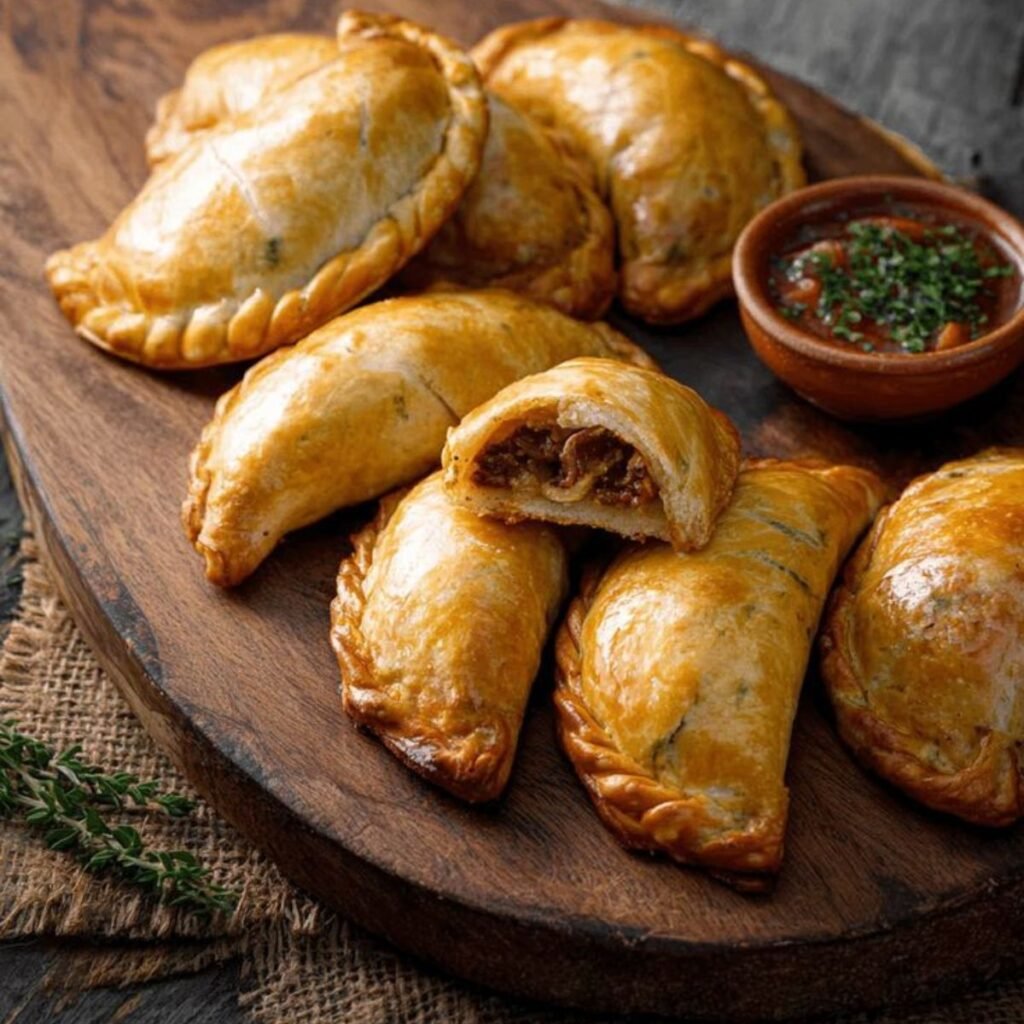
Have you ever tasted something so rich and satisfying that it stays with you for days? That is exactly what Argentinian food does to everyone who tries it. Argentina sits at the southern tip of South America, and its cuisine reflects centuries of cultural blending, open grasslands, Portuguese Food: A Complete Guide and a deep love for cooking. Furthermore, the country draws heavily from European immigration particularly Italian and Spanish influences which adds incredible depth to its food scene. Whether you are a food traveler, a home cook, or simply curious, Argentinian food offers something truly special. In this guide, you will discover the history, the most popular dishes, the dining culture, the health benefits, and simple ways to recreate these flavors at home.
The History Behind Argentinian Food
Argentinian food did not develop overnight. Instead, it grew slowly over hundreds of years through a fascinating mix of cultures. The indigenous peoples of Argentina first introduced corn, potatoes, and local herbs to the land. Then, in the 16th century, Spanish colonizers arrived and brought cattle, wheat, and new cooking techniques. As a result, beef became the cornerstone of Argentine cuisine.
In the late 19th and early 20th centuries, waves of Italian, German, and Middle Eastern immigrants arrived in Argentina. Each group left a permanent mark on the local food culture. Italians introduced pasta and pizza, which Argentinians later made their own. Meanwhile, Middle Eastern settlers contributed dishes like empanadas and stuffed pastries. Therefore, what you eat in Argentina today is truly a mosaic of global flavors rooted in local soil.
Most Popular Argentinian Foods You Must Try
Argentina has a remarkable lineup of dishes that food lovers simply cannot miss. In addition to being delicious, these dishes tell stories about the people who created them. Here are the top ones you should try first.
Asado The Heart of Argentinian Food

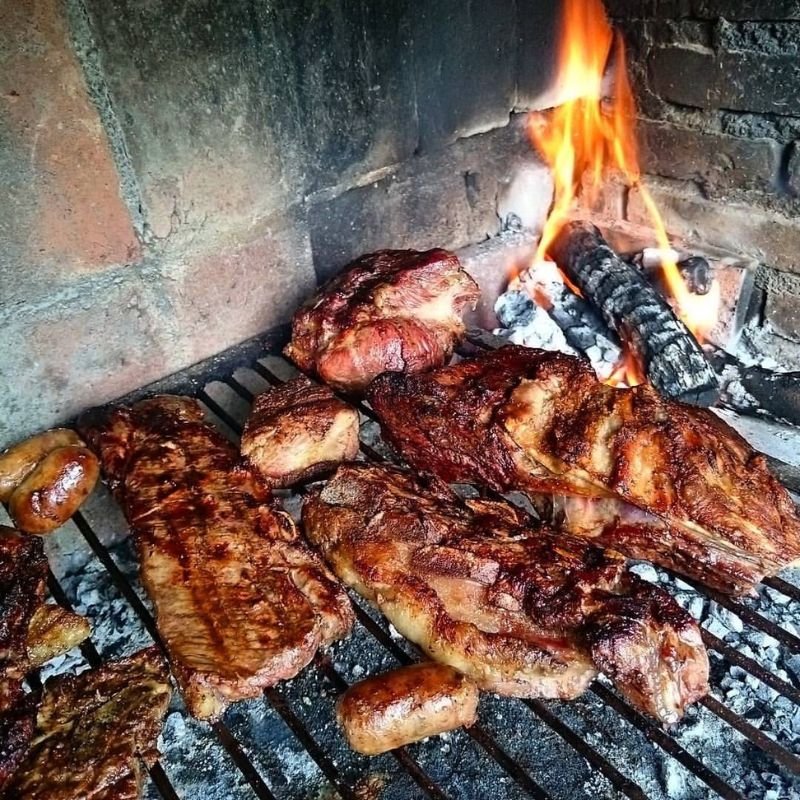
Traditional Food Hanukkah Asado is more than just a barbecue it is a social ritual that Argentinians take very seriously. A skilled grill master, called a parrillero, selects different cuts of beef, pork ribs, and sausages, then slow cooks them over wood or charcoal for hours. However, the magic is not just in the meat it is in the patience and care that go into every piece. Furthermore, asado brings families and friends together every weekend across the country, turning a simple meal into a celebration.
Empanadas Argentina’s Favorite Snack
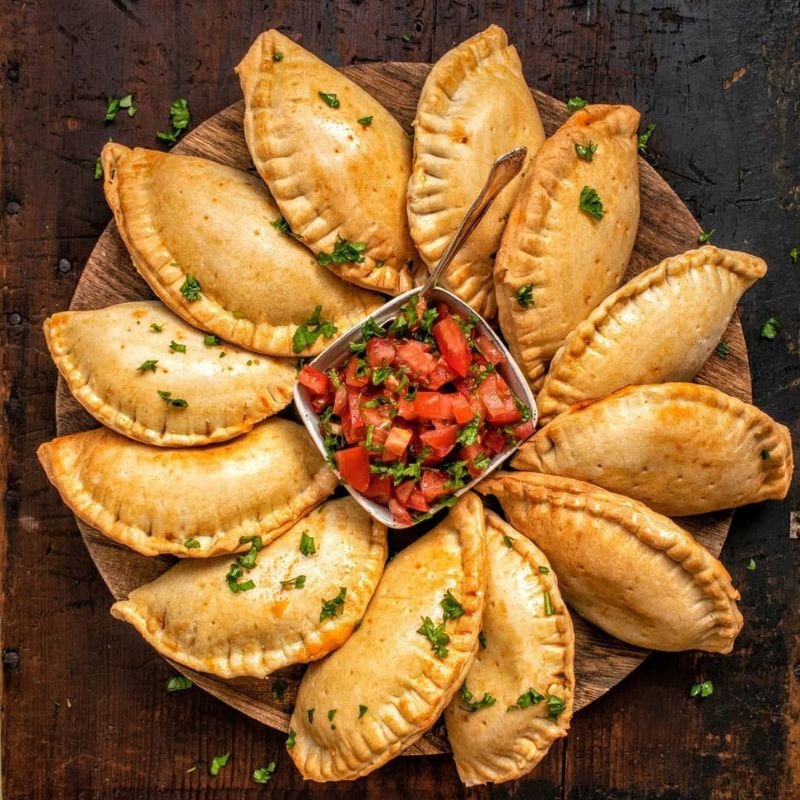
Empanadas are golden, half moon pastries stuffed with spiced ground beef, olives, onions, and hard boiled eggs. Furthermore, each region of Argentina puts its own spin on the filling. For example, Salta style empanadas are smaller and spicier, while Buenos Aires versions are larger and milder. You can bake or fry them either way, they disappear fast from any table.
Chimichurri The Legendary Sauce
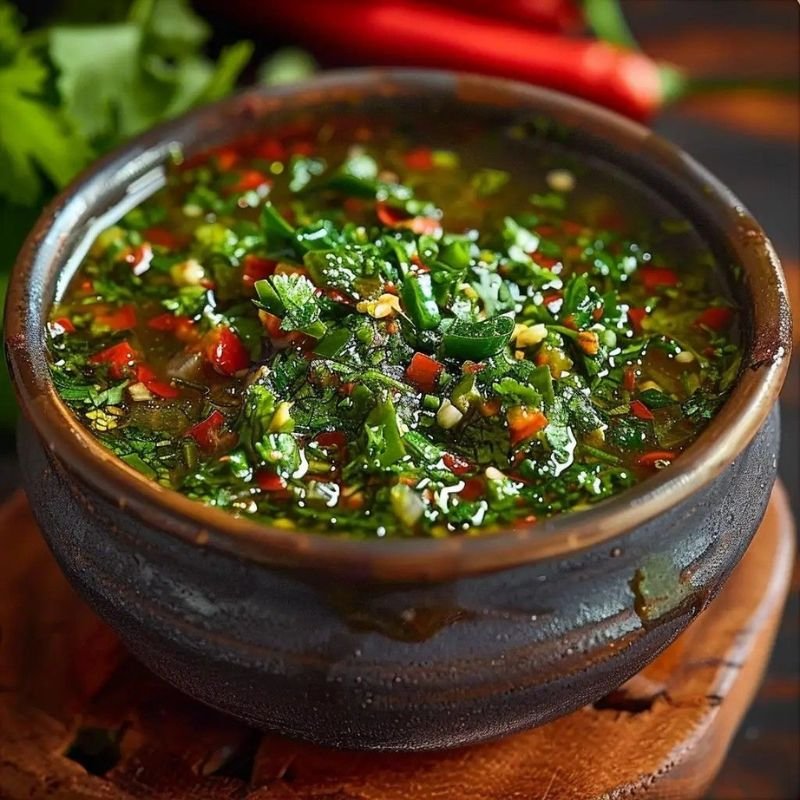
No discussion of Argentinian food is complete without chimichurri. This vibrant green sauce combines fresh parsley, garlic, olive oil, oregano, and red wine vinegar. In addition, some cooks add a pinch of chili flakes for heat. Argentinians drizzle it generously over grilled meats, and it instantly elevates every bite. You can also use it as a marinade or dipping sauce for bread and vegetables.
Dulce de Leche Sweet National Pride

Argentinians have a deep love for dulce de leche, a thick caramel-like spread made by slowly cooking sweetened milk. Therefore, you will find it in almost every dessert spread on toast, layered in cakes, swirled into ice cream, or sandwiched between cookies called alfajores. It is rich, creamy, and completely addictive. In addition, many Argentinian children grow up eating dulce de leche as an everyday treat.
Milanesa A Beloved Classic
Milanesa is a breaded and fried beef or chicken cutlet that Argentinians eat almost daily. It came from the Italian cotoletta alla milanese but evolved into something uniquely Argentine. Moreover, many families serve it with mashed potatoes or in a toasted bread roll for a quick and satisfying meal. Next time you visit an Argentine restaurant, order it with a side of chimichurri you will not regret it.
Argentinian Food Culture and Dining Traditions

In Argentina, food is never just about eating it is about connection. Families gather for long Sunday lunches that stretch well into the afternoon. Furthermore, dinner rarely starts before 9 p.m., which surprises many visitors from other parts of the world. Argentinians treat mealtimes as sacred social events rather than quick fuel stops.
The asado tradition stands at the center of Argentine social life. However, hosting an asado is not simply grilling meat it is an act of generosity and pride. The host spends hours preparing the fire, selecting cuts, and ensuring every guest feels welcomed. In addition, mate a traditional herbal drink shared in a gourd with a metal straw flows freely at every social gathering throughout the day.
Moreover, Argentinians celebrate many key holidays and festivals around food. On national days, streets fill with the smell of grilled meat and the sound of laughter. Therefore, if you ever visit Argentina, say yes to every asado invitation it is one of the most genuine cultural experiences the country offers.
Health Benefits of Traditional Argentinian Food
Many people associate Argentinian food with red meat, but the cuisine offers a wide range of nutritious options. First, chimichurri is packed with antioxidants from fresh parsley and garlic, both of which support heart health and immunity. Colombian Food A Complete Guide Furthermore, grass fed Argentine beef contains higher levels of omega 3 fatty acids compared to grain fed alternatives, making it a smarter protein choice.
Argentinian cuisine also includes a variety of legumes, vegetables, and fermented foods. In addition, the country produces high quality olive oil, which is a staple in cooking and dressings. Locro a hearty stew made with corn, beans, and squash provides a powerful dose of fiber, vitamins, and minerals. Therefore, when you approach Argentinian food with balance and variety, you can enjoy it as part of a wholesome, nutritious diet.
How to Make Argentinian Food at Home

You do not need a professional kitchen or expensive ingredients to enjoy Argentinian food at home. In fact, many iconic dishes use simple pantry staples that you probably already own. Here is how you can get started right away.
First, try making chimichurri. Blend one cup of fresh parsley, four garlic cloves, three tablespoons of red wine vinegar, half a cup of olive oil, one teaspoon of oregano, and salt to taste. Next, let it rest for 30 minutes before serving. The flavors develop beautifully as the sauce sits, so patience truly pays off here.
For empanadas, buy ready made pastry discs from a Latin grocery store. Then fill each one with cooked ground beef, diced onions, chopped olives, and a pinch of cumin. Fold the edges and press them with a fork to seal tightly. Finally, bake them at 200°C for 20 minutes until golden. Your kitchen will smell absolutely incredible.
Moreover, making dulce de leche at home is easier than most people think. Simply place a sealed can of sweetened condensed milk in a pot of boiling water for two to three hours. However, always keep the can fully submerged to avoid accidents. Once cooled, open the can to reveal thick, golden caramel that you can spread on anything.
Conclusion
Argentinian food is a celebration of culture, history, and human connection on every plate. From the smoky richness of asado to the flaky goodness of empanadas and the sweet comfort of dulce de leche, every dish tells a story. Furthermore, the dining traditions of Argentina remind us that food is always more than what we eat it is how we gather, share, and express care for one another. In addition, the health benefits and global influences make Argentinian food both exciting and accessible to anyone worldwide. Therefore, whether you visit Argentina or recreate these dishes at home, you will carry a piece of its vibrant food culture with you always. Start with chimichurri this weekend and let the flavors of Argentina take over your kitchen.
FAQs
Q: What is the most popular dish in Argentinian food?
Asado a slow grilled barbecue of various beef and pork cuts is the most iconic and widely loved dish in Argentine cuisine.
Q: Is Argentinian food spicy?
Argentinian food is generally mild, with bold flavors coming from fresh herbs, garlic, and chimichurri rather than hot spices.
Q: What do Argentinians eat for breakfast?
Argentinians typically eat a light breakfast of medialunas, toast with dulce de leche, and a cup of coffee or mate.
Q: Is Argentinian food healthy?
Yes, Argentinian food can be very healthy when balanced, as it includes grass fed beef, fresh herbs, olive oil, and nutrient rich vegetables and legumes.
Q: What makes Argentinian food different from other South American cuisines? Argentinian food stands out due to its strong European influence especially Italian and Spanish traditions combined with a powerful grilling culture built around high quality beef.