
If you love bold flavors, rich history, and incredibly diverse cuisine, then Brazilian food is something you absolutely need to explore. Brazil is the largest country in South America, and its food reflects that incredible size and variety. From the smoky grills of the south to the spicy seafood stews of the northeast, Brazilian food is a celebration on a plate. Furthermore, it blends African, Indigenous, Portuguese, and immigrant influences into something truly unique. Whether you are a home cook or a food lover, this guide will take you through everything you need to know about Brazilian cuisine the dishes, the ingredients, the regions, and how to bring it all into your own kitchen.
History and Culture Behind Brazilian Food
Brazilian food did not come from one single place it grew from centuries of cultural mixing. Indigenous peoples of Brazil first introduced cassava, corn, and tropical fruits as foundational ingredients. Then, Portuguese colonizers arrived in the 1500s and brought olive oil, garlic, and new cooking techniques. Additionally, African slaves brought by the Portuguese introduced new spices, palm oil, and cooking traditions that now define some of Brazil’s most iconic dishes.
Moreover, waves of Italian, German, Japanese, and Arab immigrants added even more layers to Brazilian cuisine. As a result, today’s Brazilian food scene is one of the most diverse and exciting in the world. In fact, Brazil’s food culture is so rich that UNESCO has recognized some of its culinary traditions as part of the country’s intangible cultural heritage. Therefore, when you eat Brazilian food, you are tasting centuries of human history in every bite.
“Brazilian cuisine is not just food it’s a living story of the people who shaped this incredible country.”
Most Popular Brazilian Food Dishes You Must Try
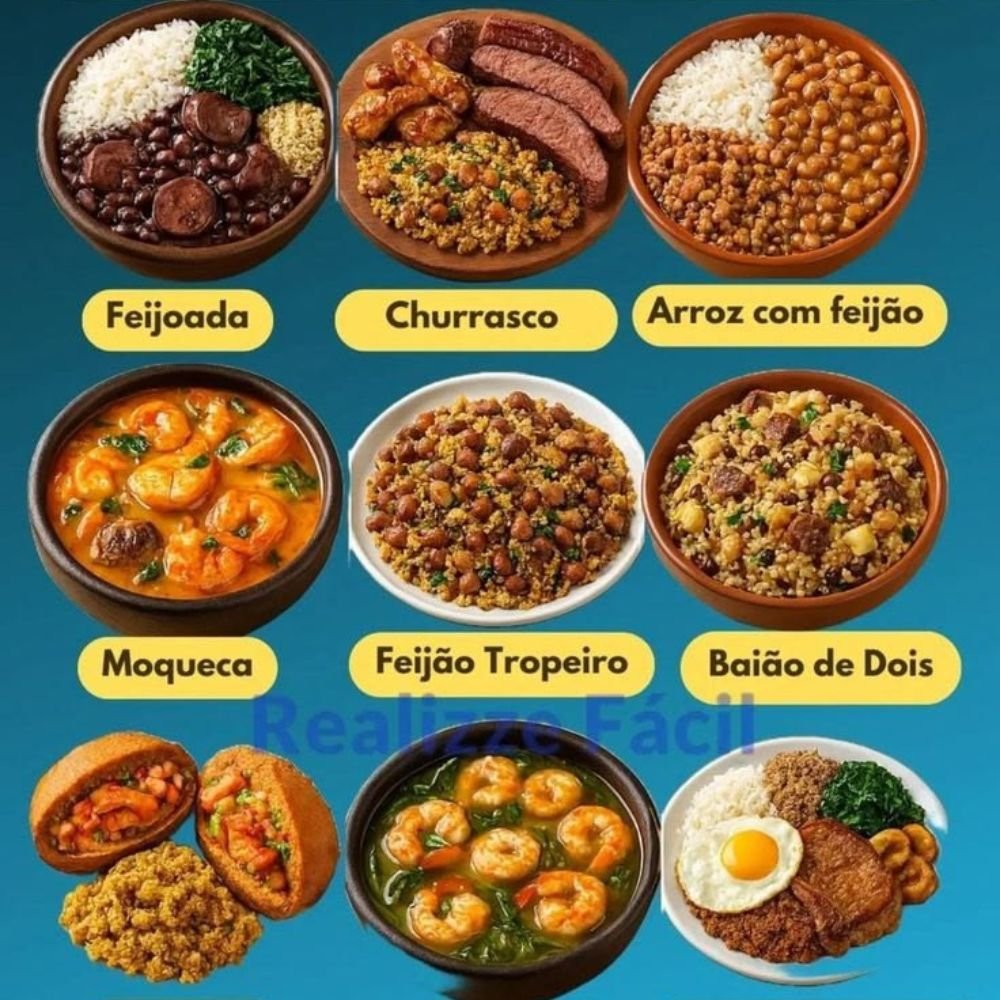
Brazil has dozens of iconic dishes, but some stand above the rest. Here are the most beloved examples of Brazilian food that you simply must try at least once.
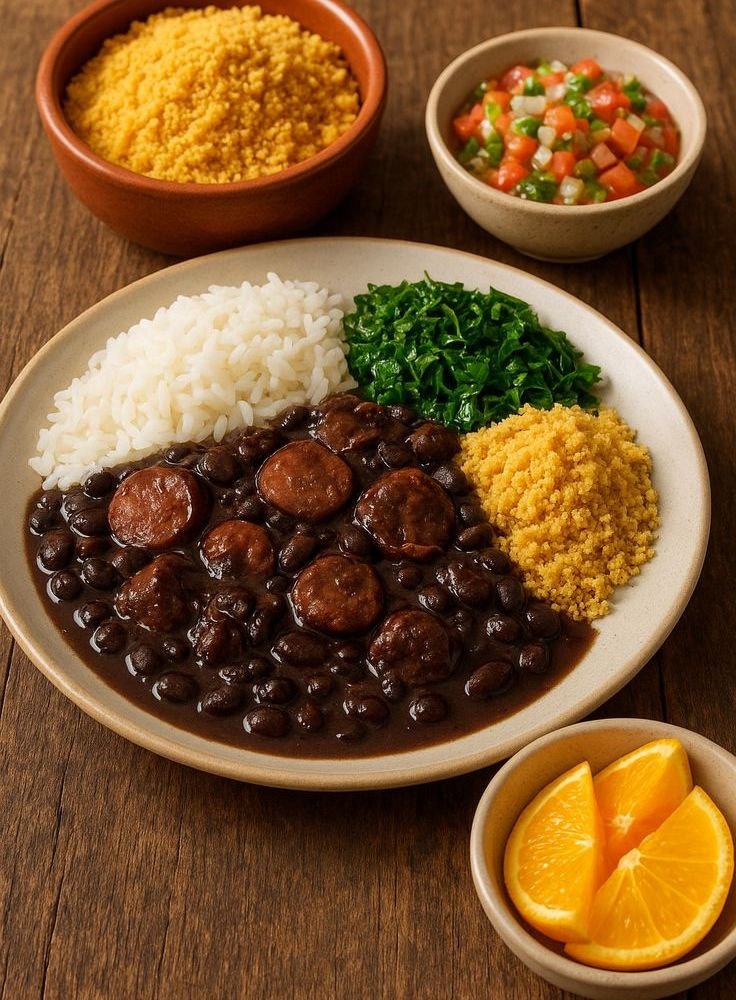
Traditional Feijoada served with rice, farofa, and orange slices
alt=”Brazilian food traditional feijoada dish served with rice and beans”
Feijoada
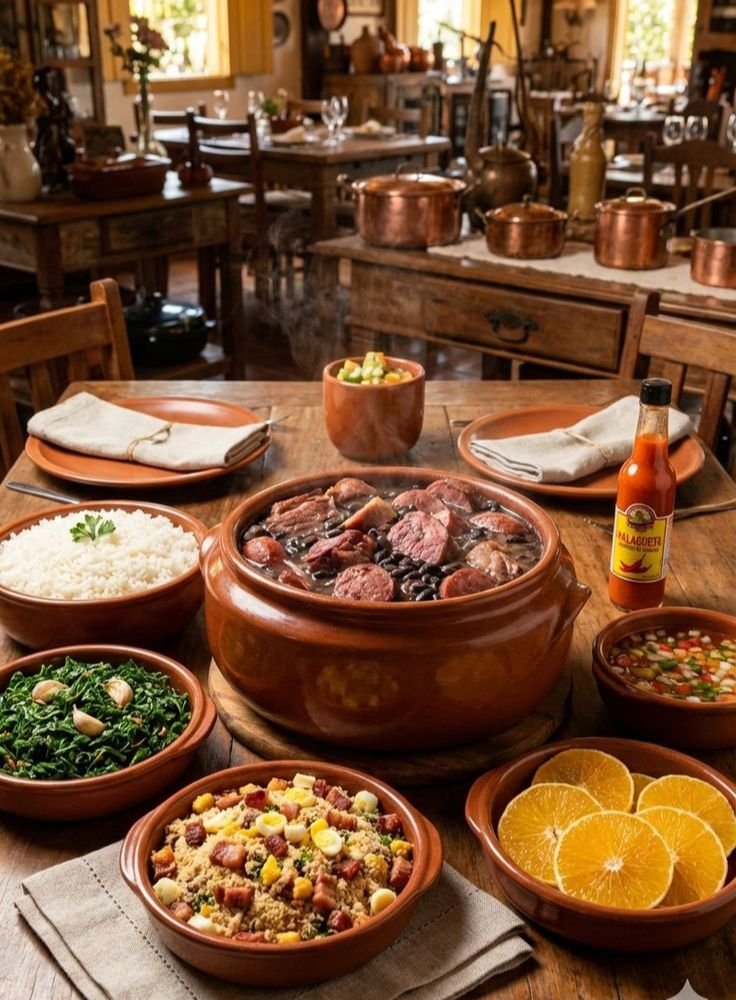
Feijoada is the national dish of Brazil, and for good reason. This hearty black bean stew combines slow-cooked pork cuts, sausage, and dried beef into a deeply flavorful meal. Additionally, people typically serve it with white rice, sautéed collard greens, farofa (toasted cassava flour), and fresh orange slices. Brazilians traditionally enjoy feijoada on Wednesdays and Saturdays with family and friends. The result is a warm, communal experience that captures everything beautiful about Brazilian food culture.
Churrasco
Churrasco is Brazil’s legendary barbecue tradition. However, it is much more than just grilled meat. Brazilian pitmasters skewer large cuts of beef, pork, lamb, and chicken, then slowly roast them over open wood-fire or charcoal. In fact, the churrascaria restaurant format where servers bring endless cuts to your table became a global phenomenon. Furthermore, the seasoning is remarkably simple: coarse salt and the high heat of the grill do all the work, letting the meat’s natural flavor shine through.
Churrasco Brazilian grilled skewer meats over open fire
alt=”Brazilian food churrasco grilled meat on skewers over open fire”
Pão de Queijo
Pão de queijo, or Brazilian cheese bread, is one of the most addictive snacks in the world. Bakers make these small, round rolls using tapioca flour and Minas cheese, which creates a chewy inside and a crispy golden outside. Moreover, pão de queijo is naturally gluten-free, which makes it popular worldwide. Therefore, you will find it at breakfast tables, snack bars, and bakeries all across Brazil every single day.
Coxinha
Coxinha is Brazil’s most popular street food snack. Vendors shape shredded chicken filling inside a teardrop-shaped dough, coat it in breadcrumbs, and deep-fry it to golden perfection. Additionally, the name “coxinha” means “little thigh” in Portuguese, referencing its distinctive shape. In fact, Brazilians eat coxinha at parties, school cafeterias, and roadside stalls it is everywhere and absolutely delicious.
Açaí Bowl
The açaí bowl started in Brazil long before it became a global health food trend. Brazilians blend frozen açaí berries into a thick, creamy purple smoothie and top it with granola, banana, and honey. Furthermore, açaí grows natively in the Amazon region, so Brazilians consume it as both a light meal and an energy-boosting snack. As a result, açaí bowl culture became a major part of Brazilian beach and fitness culture.
Brazilian Food Ingredients That Define the Cuisine
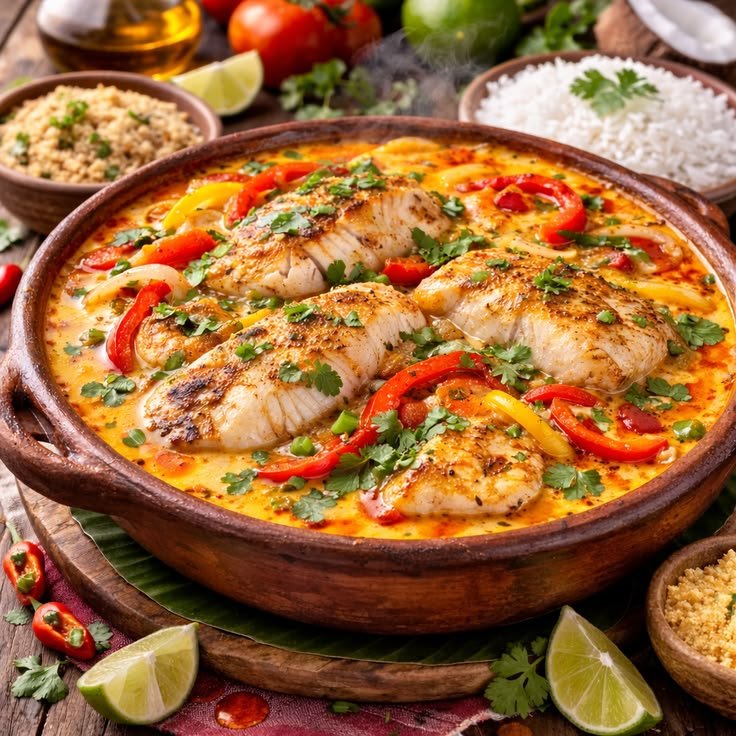
Understanding Brazilian food starts with understanding its key ingredients. These staples appear in recipes across the entire country:
- Cassava (Mandioca) — Brazil’s most essential starch, used in bread, flour, fries, and porridge
- Black Beans — the base of feijoada and a daily staple alongside rice
- Palm Oil (Dendê) — a rich, orange oil from African tradition used heavily in Bahian cooking
- Coconut Milk — adds creamy sweetness to northeastern stews and seafood dishes
- Tapioca Flour — the key ingredient in pão de queijo and tapioca crepes
- Malagueta Chili — Brazil’s most common hot pepper, used in sauces and marinades
- Farofa — toasted cassava flour that Brazilians sprinkle over rice, beans, and grilled meats
- Hearts of Palm — a creamy vegetable used in salads, pies, and side dishes
In addition, fresh tropical fruits like mango, papaya, guava, and passion fruit play a major role in Brazilian desserts, juices, and snacks. Moreover, Brazil’s coffee culture is world-famous — the country produces some of the finest coffee beans globally, and Brazilians drink strong, sweet espresso throughout the day.
Brazilian Street Food and Snacks
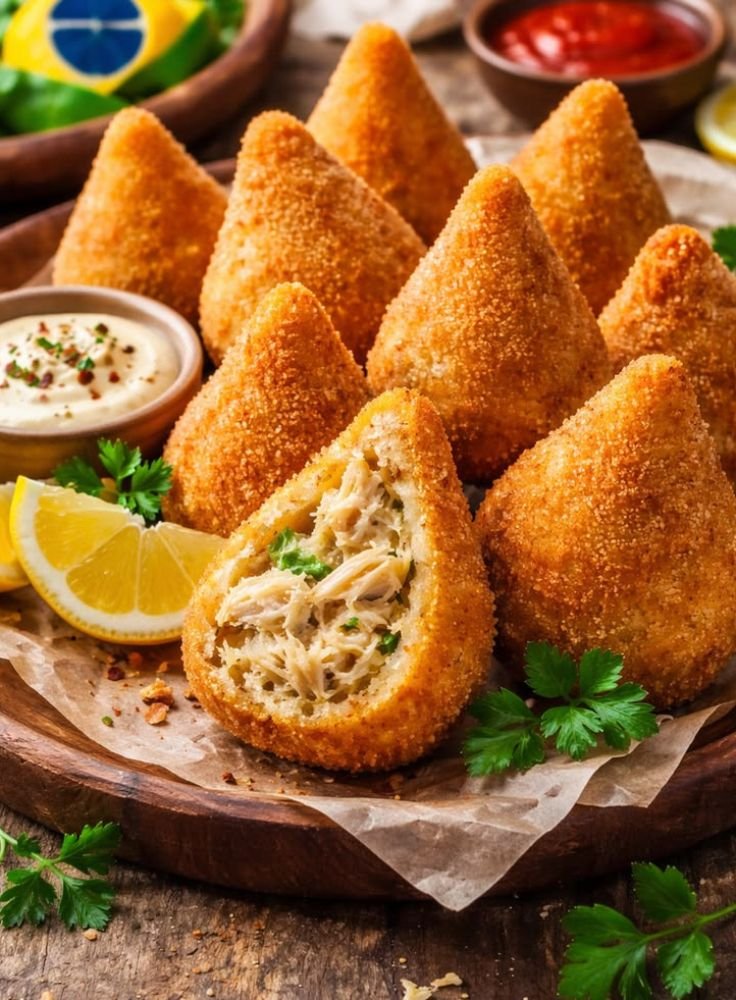
Brazilian street food is lively, affordable, and deeply satisfying. Furthermore, street vendors across Brazil serve some of the country’s most authentic flavors. Here are the top street foods you should know:
- Pastel thin, crispy pastry pockets filled with cheese, meat, or shrimp, fried fresh to order
- Tapioca Crepes soft tapioca pancakes stuffed with coconut, cheese, or Nutella a northeastern specialty
- Acarajé black-eyed pea fritters fried in palm oil, filled with shrimp paste and hot sauce an Afro-Brazilian classic from Bahia
- Brigadeiro Brazil’s most loved dessert, a rich chocolate truffle rolled in sprinkles, found at every birthday party
- Espetinho small grilled meat skewers sold by street vendors, seasoned and charred over open coals
Meanwhile, fresh fruit juice bars (suquerias) serve blended tropical juices on almost every city corner. As a result, hydration and snacking go hand in hand in Brazilian street culture.
Brazilian Food and Its Regional Varieties
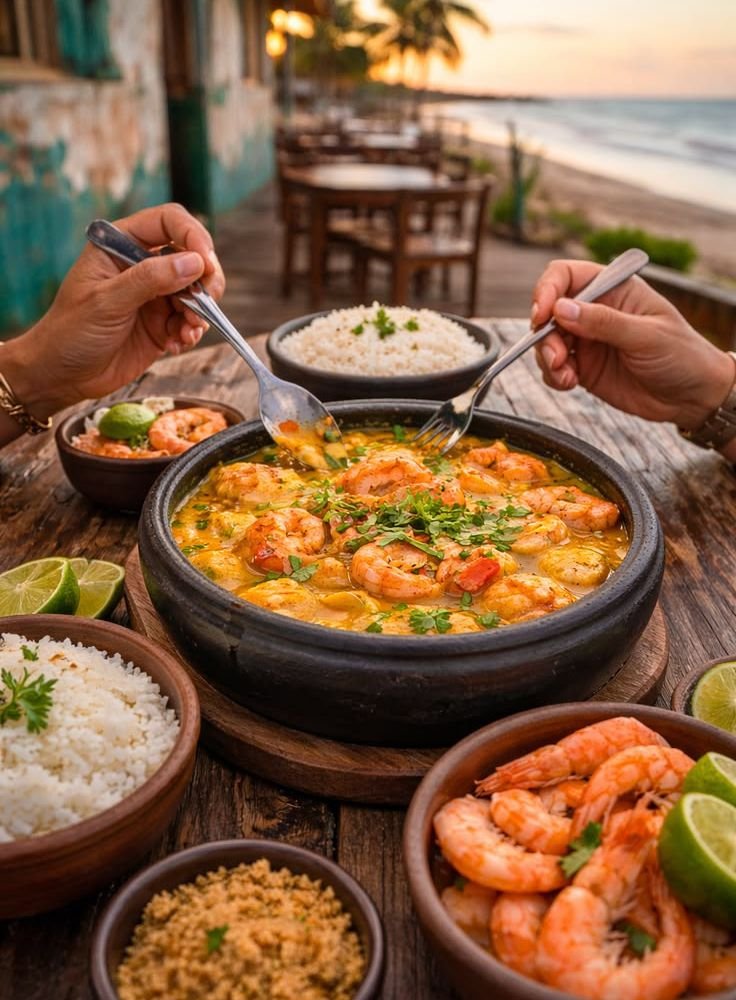
Brazil is a continent-sized country, so Brazilian food varies dramatically from one region to the next. Each area brings its own unique flavors and traditions:
Northeast (Nordeste)
Spicy, African-influenced. Famous for acarajé, moqueca stew, and vatapá shrimp paste.
South (Sul)
Strong European heritage. Best known for churrasco culture and hearty German-Brazilian dishes.
Amazon (Norte)
Indigenous flavors dominate. Features river fish, açaí, tucupi sauce, and tacacá soup.
São Paulo (Sudeste)
Urban melting pot. Italian, Japanese, and Lebanese influences shape the city’s vibrant food scene.
Center-West (Centro-Oeste)
Cattle country. Simple, hearty meals of grilled meats, beans, and pequi fruit.
In fact, some food researchers argue that Brazil actually contains multiple distinct cuisines within its borders. Therefore, a single trip across Brazil becomes a remarkable culinary journey.
How to Cook Brazilian Food at Home
You do not need to travel to Brazil to enjoy authentic Brazilian food. In addition, most Brazilian ingredients are now available at Latin grocery stores and major supermarkets worldwide. Here are some simple steps to get started:
- Start with pão de queijo tapioca flour and cheese are the only key ingredients, and the recipe takes under 30 minutes
- Make brigadeiro for dessert you only need condensed milk, cocoa powder, butter, and chocolate sprinkles
- Try a basic feijoada use canned black beans and smoked sausage for a quick weeknight version
- Grill churrasco-style marinate beef in coarse salt and garlic, then sear over the highest possible heat
- Blend an açaí bowl frozen açaí packs are now available in most health food stores globally
Furthermore, Brazilian cooking rewards patience and generosity. Brazilians cook for large groups and take pride in feeding everyone well. Moreover, the flavors improve when you cook low and slow feijoada, for example, tastes much better after several hours of simmering. As a result, cooking Brazilian food becomes a social event in itself, just as it is in Brazil.
Conclusion
Brazilian food is truly one of the great cuisines of the world. It carries the stories of Indigenous peoples, African traditions, European settlers, and global immigrants all in one rich and evolving table. Furthermore, whether you explore it through smoky churrasco, comforting feijoada, crispy coxinha, or a creamy açaí bowl, every dish reveals something meaningful about Brazil’s culture and people. In addition, the regional diversity means there is always something new to discover. Therefore, do not just read about Brazilian food cook it, taste it, and share it with the people you love. After all, that is exactly how Brazilians have always enjoyed it.
FAQs
Q: What is the most popular Brazilian food?
A: Feijoada, a slow-cooked black bean and pork stew, is the most iconic Brazilian food nationwide.
Q: Is Brazilian food spicy?
A: Some dishes are mildly spicy, but most Brazilian food focuses on savory, smoky, and hearty flavors.
Q: What do Brazilians eat for breakfast?
A: Brazilians typically eat pão de queijo, fresh bread, fruit, and strong sweet coffee for breakfast.
Q: What is a traditional Brazilian street food?
A: Coxinha — a crispy shredded-chicken pastry — is Brazil’s most popular and widely loved street food snack.
Q: Can I make Brazilian food at home without special ingredients?
A: Yes — brigadeiro, churrasco, and açaí bowls use simple ingredients available in most grocery stores.