
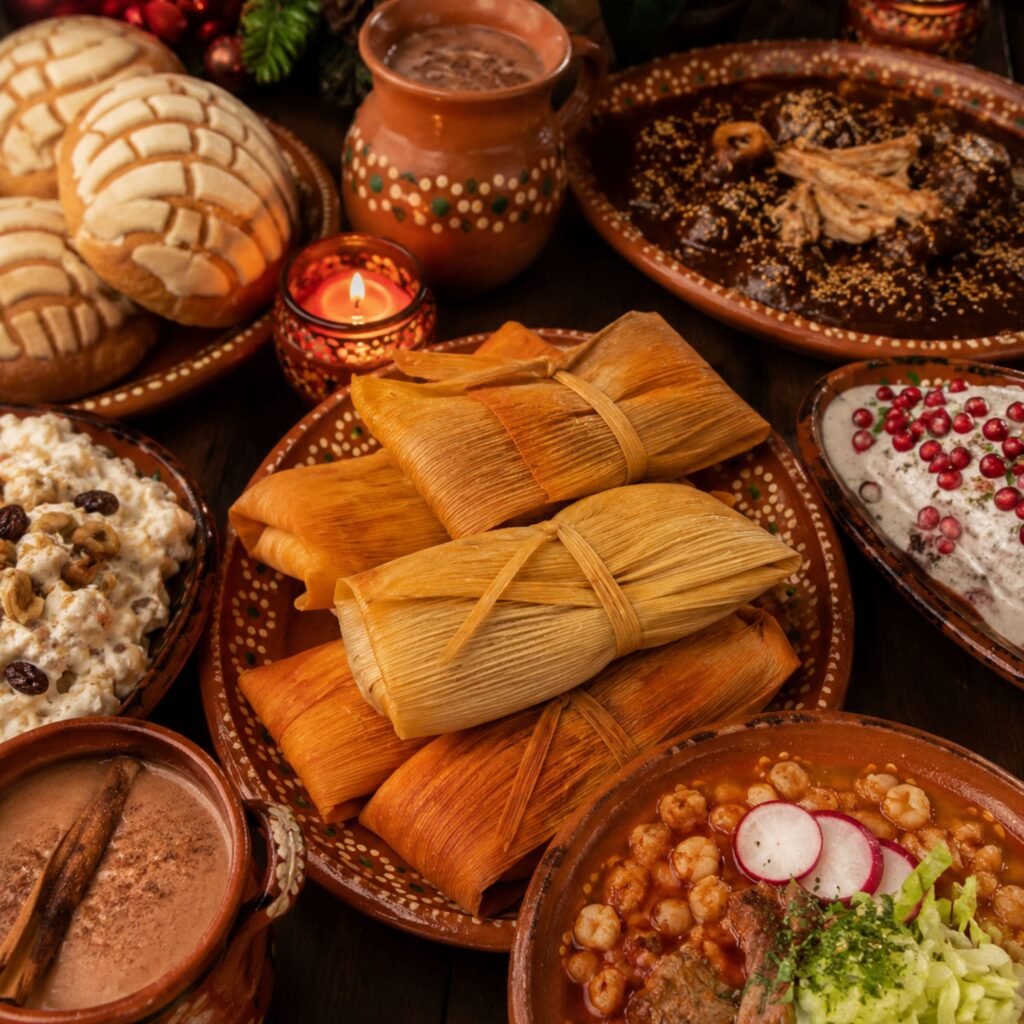
In this guide: Everything you need to know about Mexican Christmas Food from tamales and bacalao to ponche navideño, buñuelos, and more. Celebrate Nochebuena with the flavors that matter most.
Few things capture the magic of the holiday season quite like Mexican Christmas Food. Every December, families across Mexico gather around tables loaded with dishes that carry generations of tradition, flavor, and warmth. Whether it is the comforting aroma of freshly steamed tamales or the sweet perfume of a simmering pot of ponche navideño, the food defines the celebration just as much as the candles and carols do.
The Heart of Nochebuena: Why Food Matters
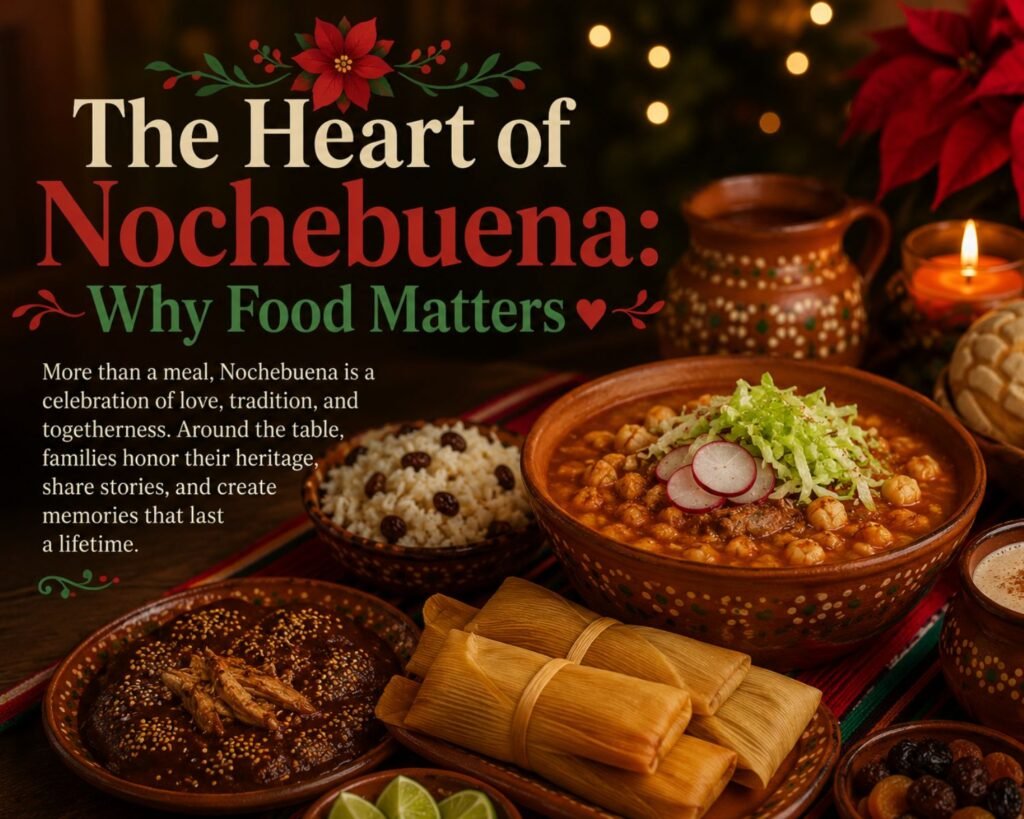
Nochebuena is not just a date on the calendar it is a full sensory experience. Families begin preparing days in advance, soaking dried chiles, grinding spices, and wrapping tamales in banana leaves or corn husks. The act of cooking itself becomes a ritual of love and togetherness.
In addition, food on Nochebuena carries deep symbolic meaning. Tamales for Christmas, for instance, trace their roots back to pre-Hispanic Mesoamerica, where indigenous communities prepared them for feasts and ceremonies. When Spanish missionaries arrived, they blended those traditions with Catholic observances, creating the rich holiday culture Mexico celebrates today.
Most importantly, Nochebuena recipes vary by region. In Oaxaca, you will find mole negro on the table. In Veracruz, seafood dominates. However, a few dishes appear on nearly every Mexican Christmas table from Monterrey to Mexico City and those are the ones we explore below.
Tamales: The Undisputed Star of Mexican Christmas Food
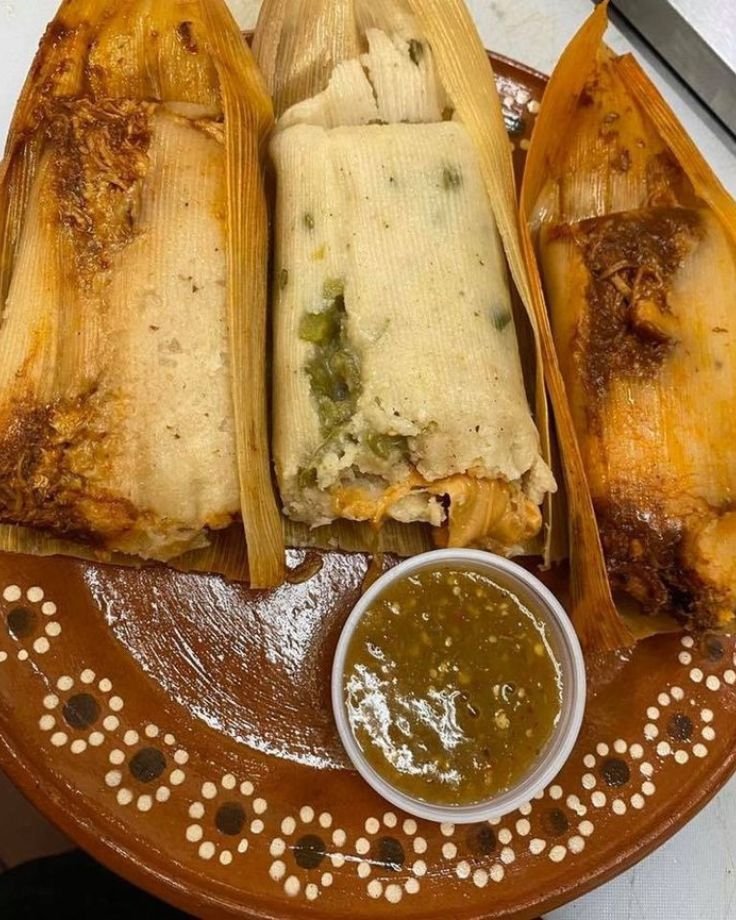
If you ask any Mexican family to name their most essential holiday dish, tamales will almost always come first. Families make tamales in batches of dozens sometimes hundreds and the preparation becomes a full-day family event called a tamalada. Everyone pitches in: spreading masa, adding fillings, folding husks, and stacking them in a large steamer pot.
Popular Tamale Fillings for Christmas
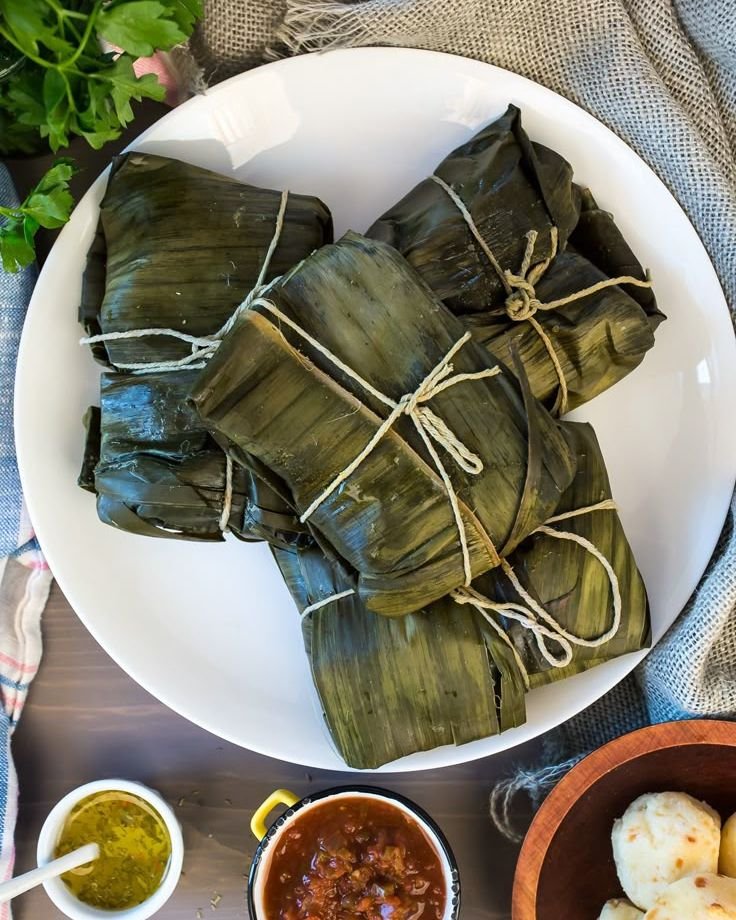
The variety of tamale fillings across Mexico is astonishing. Some of the most popular include:
- Red chile with pork a classic, deeply savory filling flavored with ancho and guajillo chiles
- Green chile with chicken tangy tomatillo salsa with tender shredded chicken
- Rajas con queso strips of roasted poblano peppers with melted cheese
- Sweet tamales made with raisins, cinnamon, and a hint of vanilla, often pink or purple in color
As a result of their cultural significance, tamales for Christmas have become a symbol of home for millions of Mexican families living abroad. Many people travel great distances or ship homemade tamales cross-country just to share this dish during the holidays.
Bacalao a la Vizcaína: A Spanish Legacy on the Mexican Table
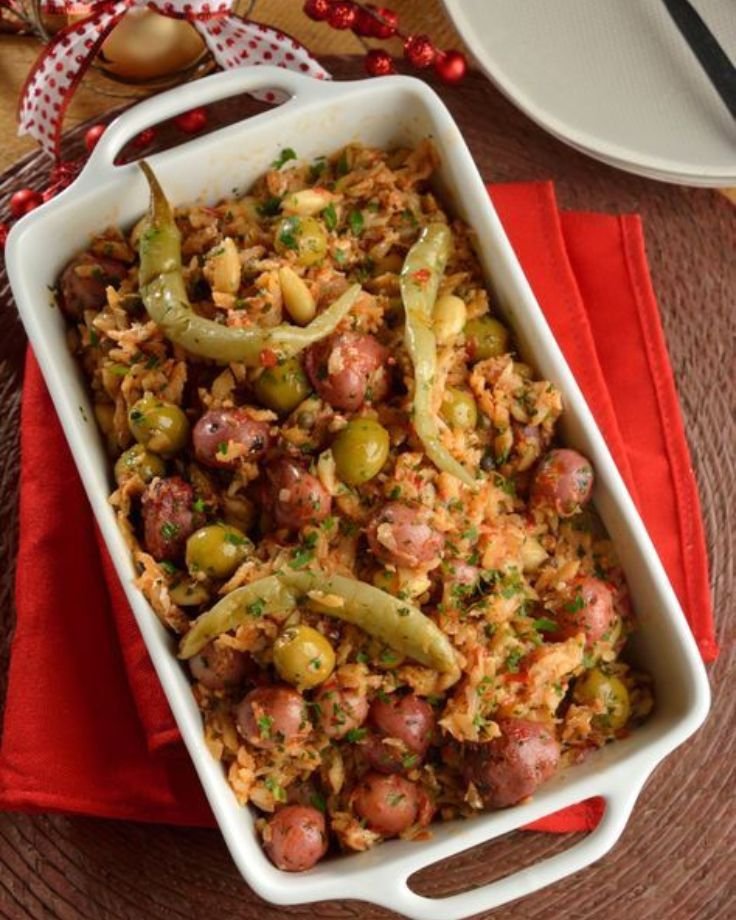
Another cornerstone of traditional Mexican Christmas dishes is bacalao a la vizcaína a slow-simmered stew of salt-dried cod, tomatoes, olives, capers, and mild peppers. Spanish colonizers introduced bacalao (salted cod) to Mexico centuries ago, and Mexican cooks made it their own.
Preparing bacalao takes patience. Cooks soak the dried fish in water for up to 48 hours to remove excess salt, then flake it before simmering it in a rich tomato-based sauce. The result is a boldly flavored, satisfying dish that pairs beautifully with warm bolillos or white rice. For many Mexican families, Christmas dinner is simply not complete without a pot of bacalao at the center of the table.
Romeritos: A Uniquely Mexican Holiday Dish
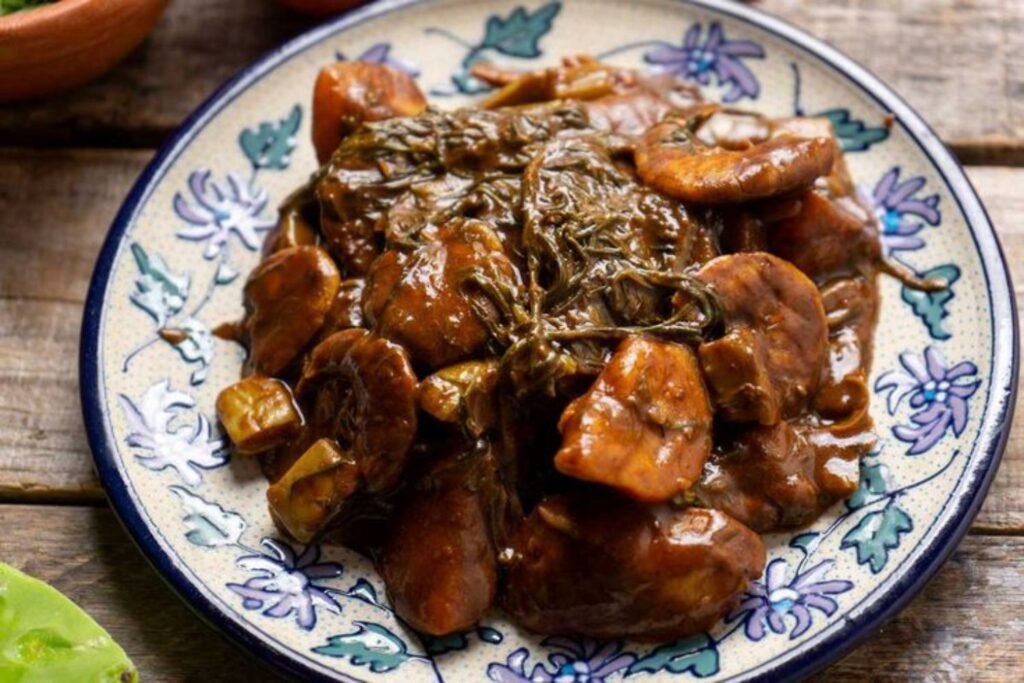
One dish that surprises many first-time visitors to a Mexican Christmas table is romeritos. These are tender shoots of a herb called seepweed a plant with slender, needle-like leaves cooked in a mole sauce and typically served with shrimp patties and nopales (cactus paddles).
The dish has pre-Hispanic origins and remains deeply tied to the Catholic practice of eating meatless meals during certain holy days. However, many families now serve romeritos as a full holiday course rather than a Lenten dish. Its earthy, complex flavors make it one of the most distinctive examples of Mexican holiday food.
Tamales
Steamed masa parcels with savory or sweet fillings the ultimate Christmas staple.
Bacalao
Salt-dried cod stewed in tomatoes, olives, and caper a colonial-era classic.
Romeritos
Seepweed shoots in mole with shrimp cakes and nopales uniquely Mexican
Buñuelos
Crispy fried fritters drizzled with piloncillo syrup the holiday dessert.
Pozole
Hearty hominy soup with chicken or pork warming and deeply satisfying.
Ponche
Warm spiced fruit punch brewed with tejocotes and cinnamon sticks.
Pozole: The Warming Bowl of the Season
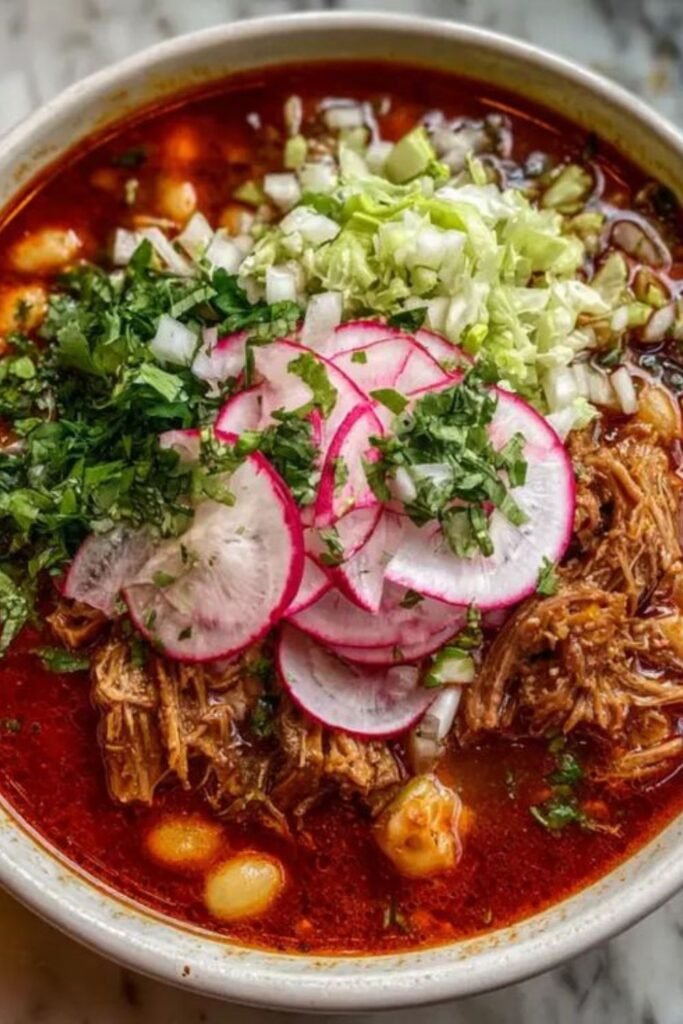
Pozole is a soul-warming soup that many Mexican families serve on Christmas Eve alongside tamales. Cooks prepare it with hominy corn (dried maize kernels treated with an alkaline solution) and slow-simmered pork or chicken in a rich broth flavored with dried chiles, garlic, and oregano.
Diners customize their bowls with toppings like shredded cabbage, diced onion, dried oregano, lime juice, tostadas, and a drizzle of chile sauce. Furthermore, pozole comes in three regional varieties: red (rojo), green (verde), and white (blanco). Each one carries a different flavor profile, but all three belong firmly in the tradition of Mexican Christmas food.
Ponche Navideño The Drink of Posadas
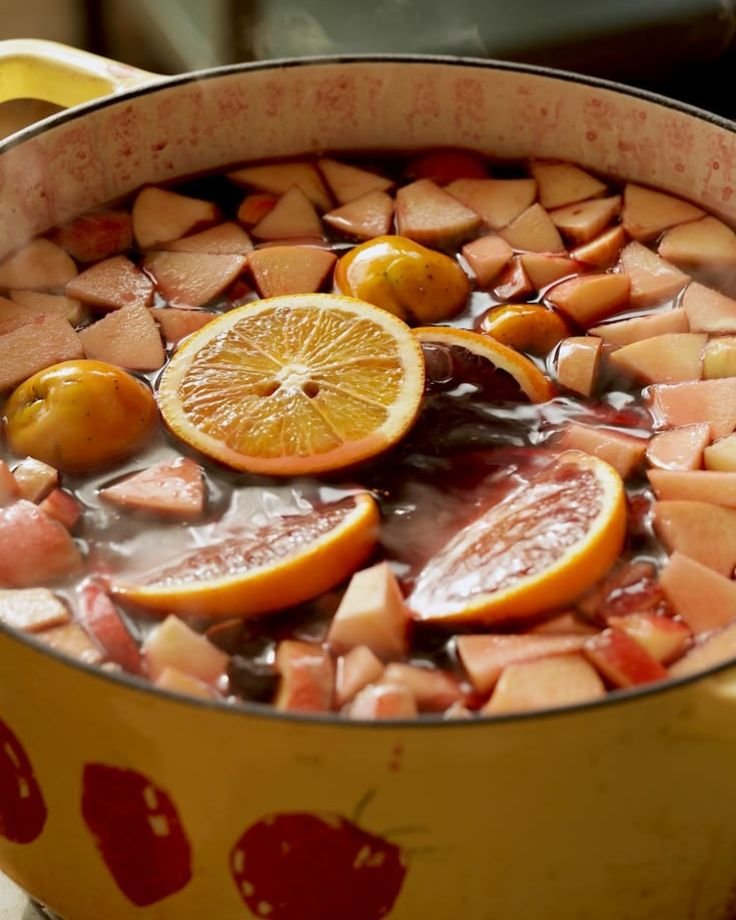
No celebration of Mexican Christmas food is complete without a mug of ponche navideño. This warm, fragrant fruit punch fills Mexican homes throughout December, especially during the nine nights of posadas the traditional processions that reenact Mary and Joseph’s search for shelter.
Cooks brew ponche navideño in a large clay pot with tejocotes (a small, tart Mexican fruit), guavas, sugar cane, dried prunes, hibiscus, cinnamon sticks, cloves, and tamarind. The liquid simmers for hours, filling the kitchen with a spiced, floral aroma. Adults sometimes spike their cups with a splash of rum or brandy a version called ponche con piquete.
Atole Creamy Warmth in a Cup
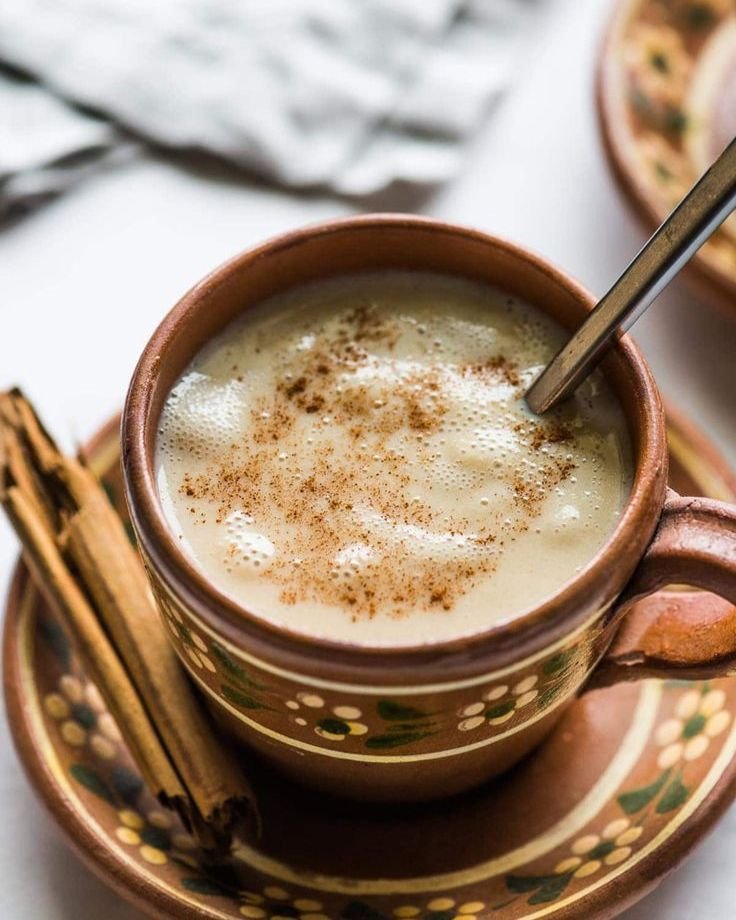
Atole is a thick, warm beverage made from masa harina (corn dough), water or milk, sugar, and cinnamon. It pairs perfectly with tamales and appears at nearly every Nochebuena gathering. Chocolate atole, known as champurrado, is especially popular with children. In addition, vendors sell it at street markets and Christmas fairs throughout Mexico in December.
Buñuelos The Crispy Christmas Sweet
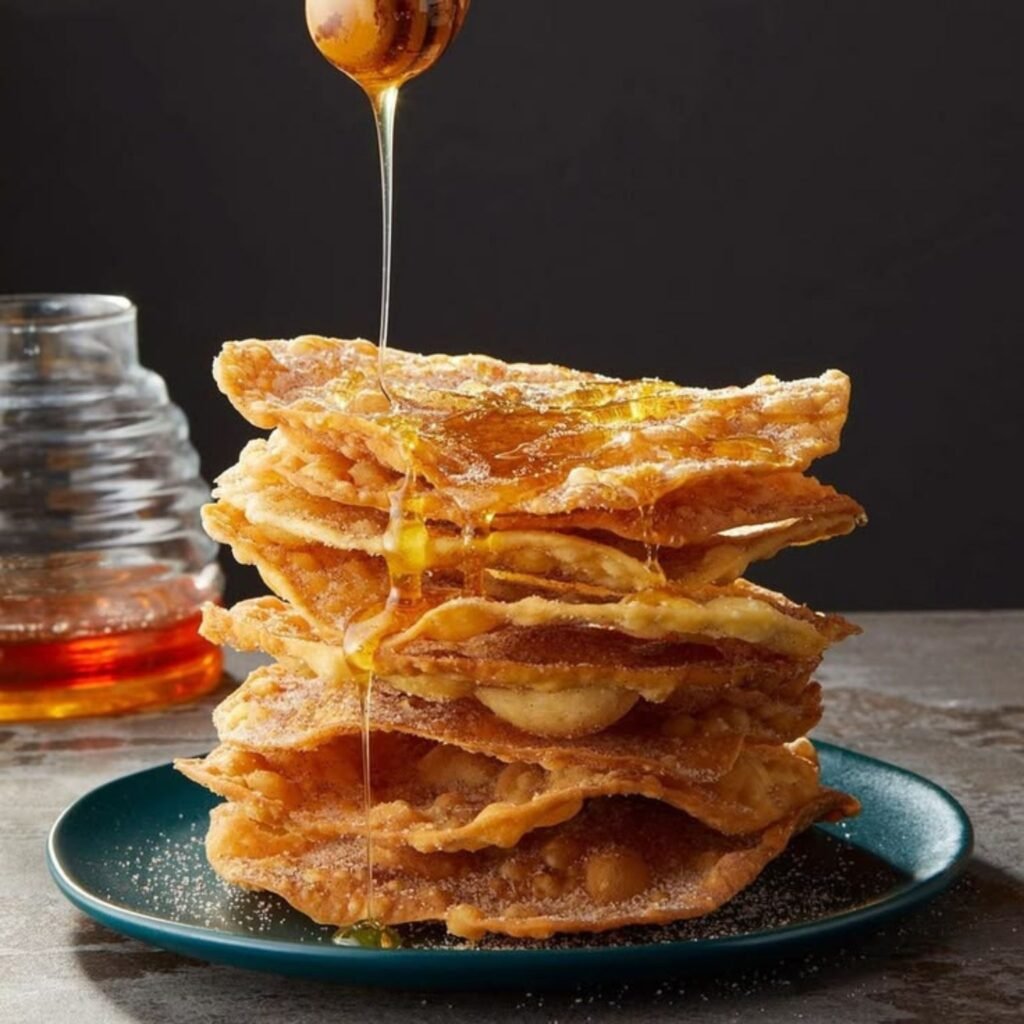
Buñuelos are thin, crispy fried fritters that street vendors sell outside churches on Christmas Eve in enormous stacks. Cooks fry rounds of simple dough until golden and puffed, then drizzle them with a dark piloncillo syrup flavored with cinnamon and star anise. In some regions, people eat buñuelos and then smash the clay plates they came on for good luck a fun and festive tradition that dates back generations.
Regional Variations in Mexican Christmas Food
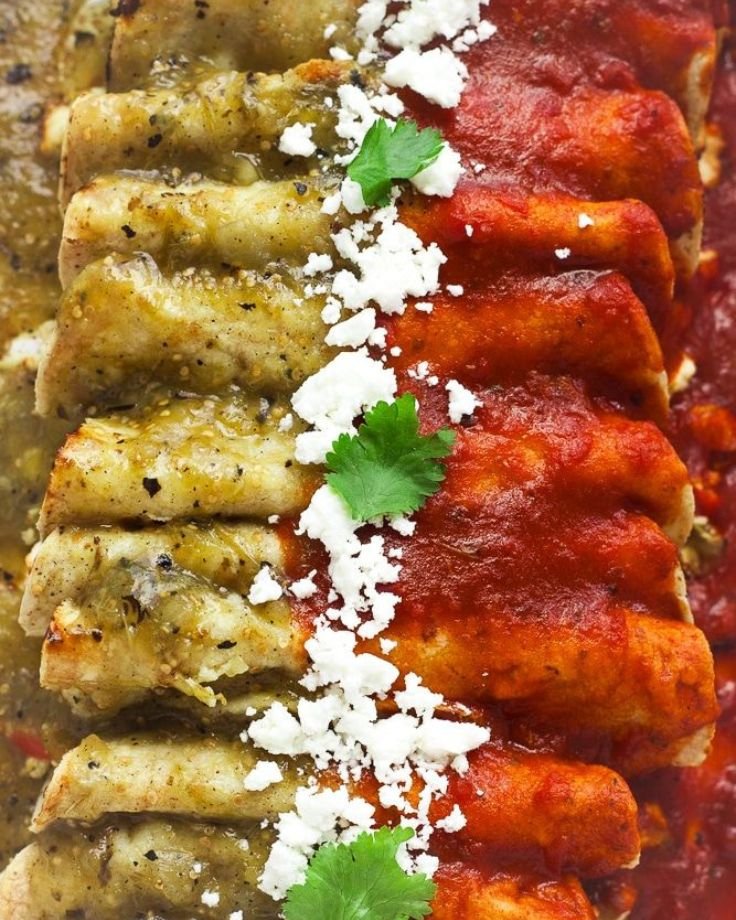
Northern Mexico gravitates toward grilled meats and flour tortillas, while coastal regions feature fresh seafood prominently. However, tamales and ponche appear in virtually every corner of the country. As a result, these two dishes serve as the universal language of Mexican Christmas food, connecting communities from the mountains of Oaxaca to the beaches of Sinaloa.
Tips for Making Mexican Christmas Food at Home
You do not need to travel to Mexico to experience the joy of these dishes. Many Mexican Christmas recipes work beautifully in a home kitchen, and the process itself creates its own celebration. Here are a few tips to get you started:
- Plan your tamalada early. Invite family or friends to help spread masa and fold husks — the more hands, the faster the process and the more fun you will have.
- Source good dried chiles. Ancho, guajillo, and pasilla chiles form the backbone of many Nochebuena recipes. Buy them from a Mexican grocery store for the best flavor.
- Start ponche the night before. A long, slow simmer over low heat develops deeper flavors, so brew your ponche navideño the evening before your celebration.
- Use a tamale steamer or instant pot. A proper tamalera (tamale steamer pot) produces the best results, but a large pot with a steamer insert works well too.
The Cultural Significance of Mexican Christmas Food
Food is never just food in the context of Mexican culture it is an expression of identity, memory, and love. Traditional Mexican Christmas dishes carry stories inside them: the grandmother who taught the recipe, the neighborhood where someone grew up, the grandmother’s kitchen that always smelled of chiles and cinnamon every December.
For Mexican communities around the world, preparing these foods during the holiday season is an act of cultural preservation. Moreover, it is a way of staying connected to home, no matter where life takes you. Furthermore, as younger generations learn to make tamales, bacalao, and ponche from their parents and grandparents, they carry those traditions forward into the future.
FAQs
What is the most popular Mexican Christmas Food?
Tamales are the most popular Mexican Christmas food, enjoyed by families across every region of Mexico during Nochebuena celebrations.
What do Mexicans drink on Christmas Eve?
Mexicans traditionally drink ponche navideño a warm, spiced fruit punch brewed with tejocotes, guavas, cinnamon, and hibiscus on Christmas Eve.
Is bacalao a traditional Mexican Christmas dish?
Yes, bacalao a la vizcaína is a beloved traditional Mexican Christmas dish with roots in Spanish colonial cuisine, now a staple on Nochebuena tables nationwide.
What dessert do Mexicans eat at Christmas?
Buñuelos thin, crispy fried fritters drizzled with piloncillo syrup are the most iconic Mexican Christmas dessert, especially popular on Christmas Eve.
What is Nochebuena and how does food play a role?
Nochebuena is the Mexican term for Christmas Eve, a night when families gather to share a large festive meal featuring tamales, bacalao, romeritos, and ponche navideño.
Conclusion
Mexican Christmas Food is more than a holiday meal it is a celebration of culture, family, and tradition. From tamales and bacalao to warm ponche navideño and crispy buñuelos, every dish on the Nochebuena table tells a story worth savoring.
This holiday season, bring these flavors into your kitchen. Cook with your loved ones, share the food, and experience the true heart of Mexican Christmas one delicious bite at a time.