
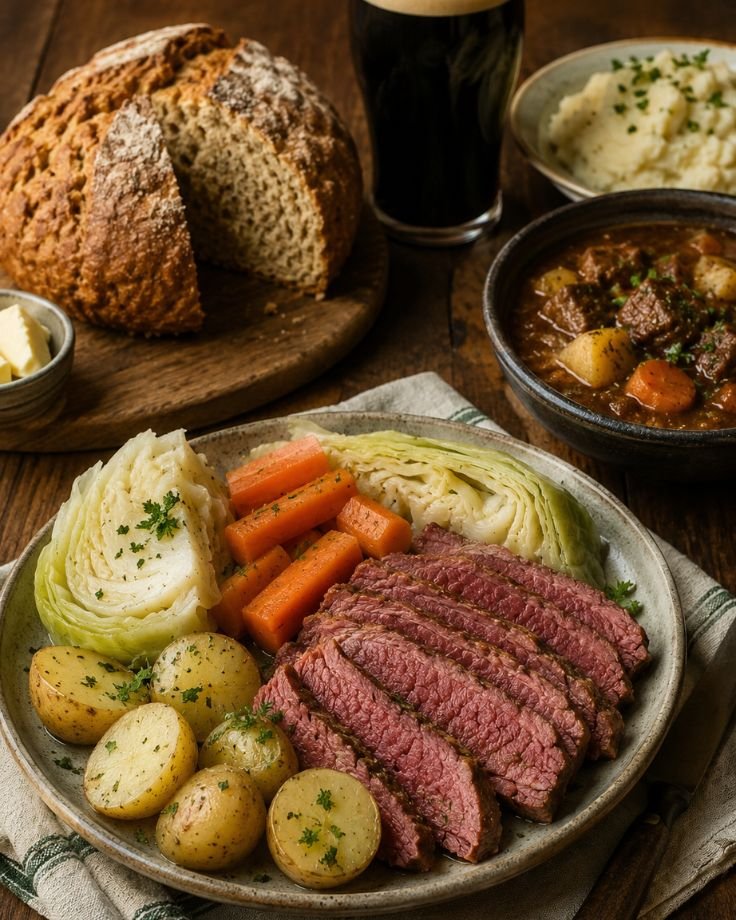
Ireland is a country rich in history, culture, and flavour. Irish foods tell the story of a resilient people who turned humble, everyday ingredients into deeply satisfying meals. Furthermore, these dishes carry centuries of tradition that still live on in homes and restaurants across Ireland today. From creamy potato soups to slow-cooked lamb stews, Irish cuisine offers warmth, comfort, and a genuine sense of place. In this guide, you will discover the most beloved traditional Irish dishes, learn about their origins, and understand why Ireland’s food culture continues to captivate food lovers around the world.
The History Behind Irish Foods
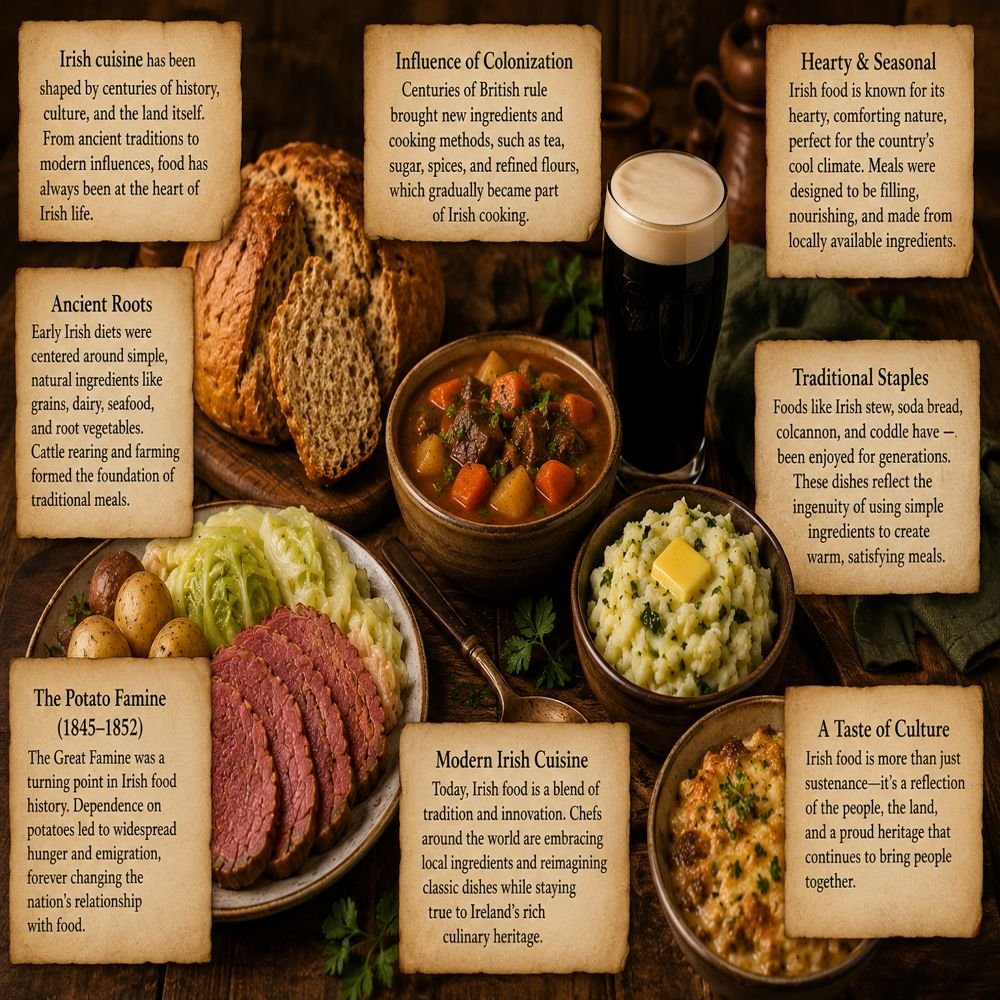
Irish cuisine has roots that stretch back thousands of years. However, it was the introduction of the potato in the late 16th century that truly shaped Ireland’s food identity. Farmers embraced the potato because it grew well in Ireland’s wet climate and provided reliable nutrition. As a result, potatoes quickly became the foundation of the Irish diet.
The Great Famine of the 1840s had a devastating impact on Ireland’s food culture. In addition to causing immense human suffering, it forced many Irish families to rely on whatever food they could find. Therefore, traditional Irish recipes often reflect a deep respect for simple, wholesome ingredients. Over time, these dishes evolved into the comforting classics that people across the world now associate with Irish cooking.
Most Popular Irish Foods You Must Try
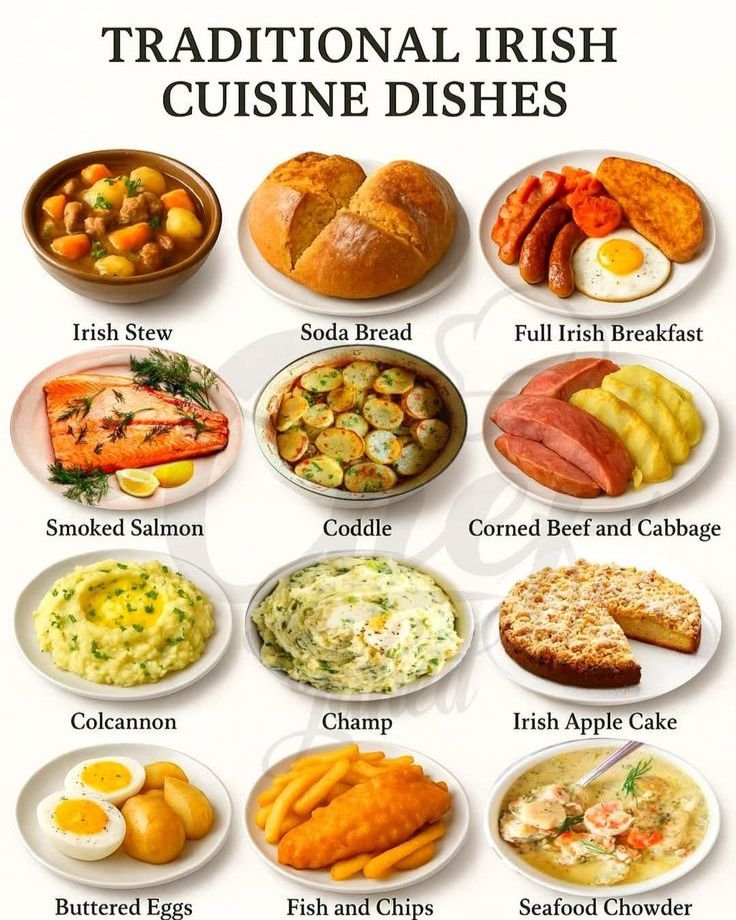
Ireland offers a wide variety of delicious dishes that suit every appetite. Here are some of the most popular Irish foods that locals and visitors love:
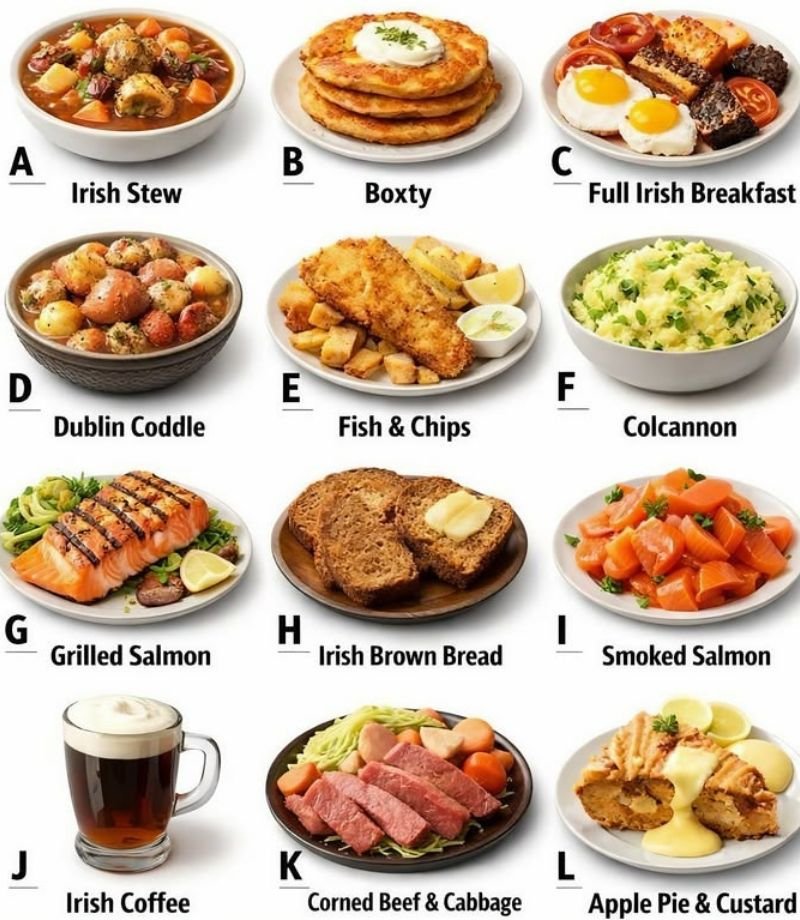
- Irish Stew A slow-cooked dish made with lamb or beef, potatoes, carrots, and onions. It is hearty, warming, and deeply satisfying.
- Soda Bread Ireland’s most iconic bread, made without yeast. Bakers use baking soda as a raising agent, giving the loaf its distinctive dense texture and slightly tangy flavour.
- Colcannon A comforting dish that combines mashed potatoes with kale or cabbage and a generous amount of butter
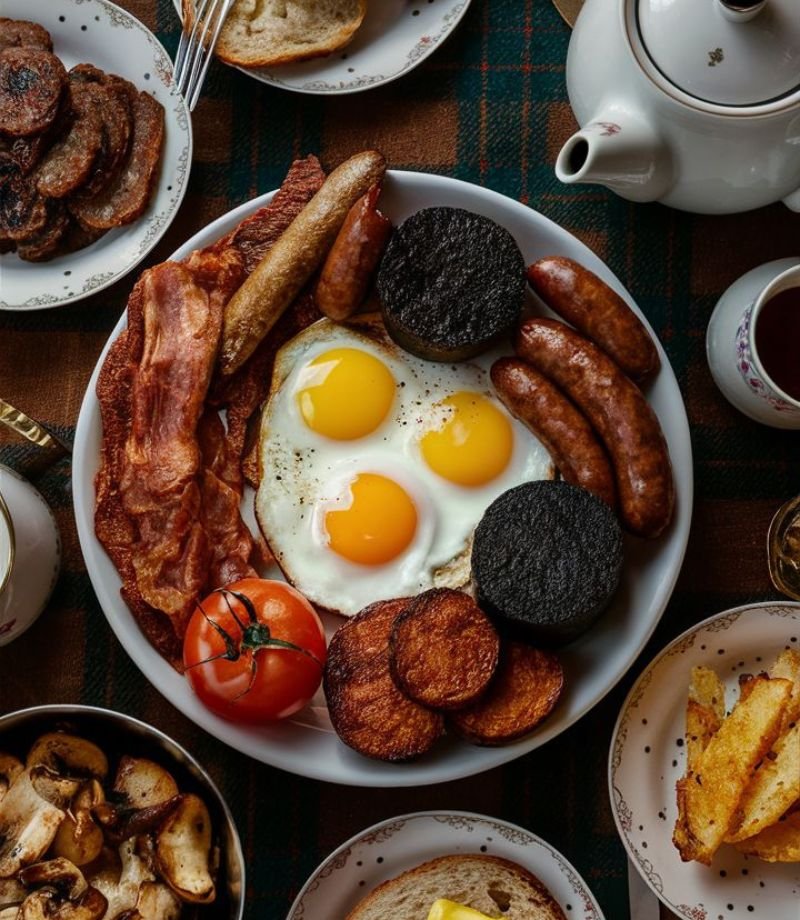
- Full Irish Breakfast A classic morning spread featuring bacon, eggs, sausages, black and white pudding, grilled tomatoes, and toast.
- Boxty A traditional Irish potato pancake that home cooks fry until golden and crispy.
- Coddle A Dublin favourite made by simmering sausages, bacon, onions, and potatoes together in a rich broth.
Each of these popular foods in Ireland carries a story and a distinct regional character. Therefore, trying them is the best way to experience authentic Irish food culture.
Regional Specialties in Irish Cuisine
Ireland’s different regions each bring something special to the table. For example, coastal counties like Galway and Kerry are famous for fresh seafood dishes. Galway oysters, in particular, enjoy international recognition and even have their own annual festival. Furthermore, smoked salmon from the west coast of Ireland is a delicacy that chefs serve in top restaurants worldwide.
In contrast, inland regions focus more heavily on meat-based dishes and root vegetables. Counties like Cork and Tipperary produce exceptional dairy products, and their butter and cheeses appear in many traditional Irish recipes. In addition, Cork is well known for spiced beef, a cured meat dish that families traditionally enjoy during the Christmas season.
Northern Ireland also contributes unique dishes to Ireland’s food heritage. The Ulster Fry, a variation of the full breakfast, includes soda farl and potato bread two items that make it distinctly Northern Irish. As a result, every region adds its own flavour to the broader story of Irish foods.
Ireland’s Food Culture: More Than Just a Meal
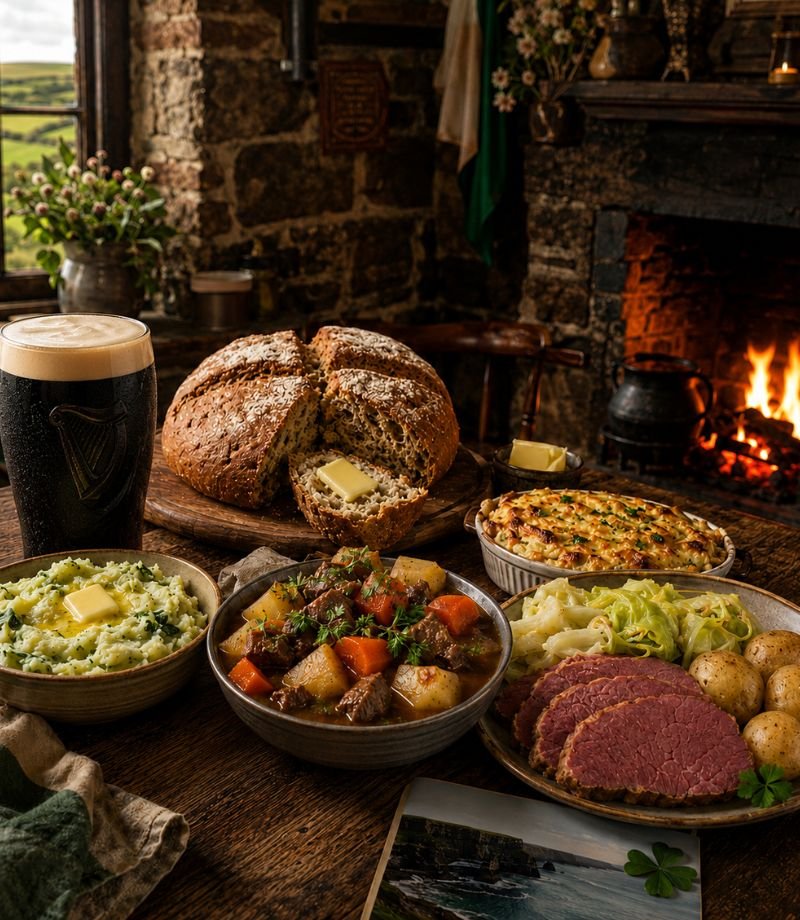
Food plays a central role in Irish social life. The kitchen has always been the heart of the Irish home, and sharing a meal together is a meaningful tradition. However, Ireland’s food culture goes beyond just eating it also involves storytelling, hospitality, and community.
Irish pubs, known as the cornerstone of community life, frequently serve traditional dishes like Irish stew, chowder, and soda bread alongside a pint. Furthermore, Irish families pass down recipes from one generation to the next, ensuring that traditional flavours survive in the modern age. St. Patrick’s Day celebrations around the world also spotlight Irish cuisine, with dishes like corned beef and cabbage becoming globally recognised symbols of Ireland.
In addition, Ireland’s farmers markets and artisan food producers have seen remarkable growth in recent years. Consumers now value local, seasonal, and sustainably sourced ingredients more than ever before. Therefore, Ireland’s food culture continues to evolve while staying rooted in its rich traditions. For more on Ireland’s culinary heritage, visit.
Modern Irish Cuisine: Where Tradition Meets Innovation
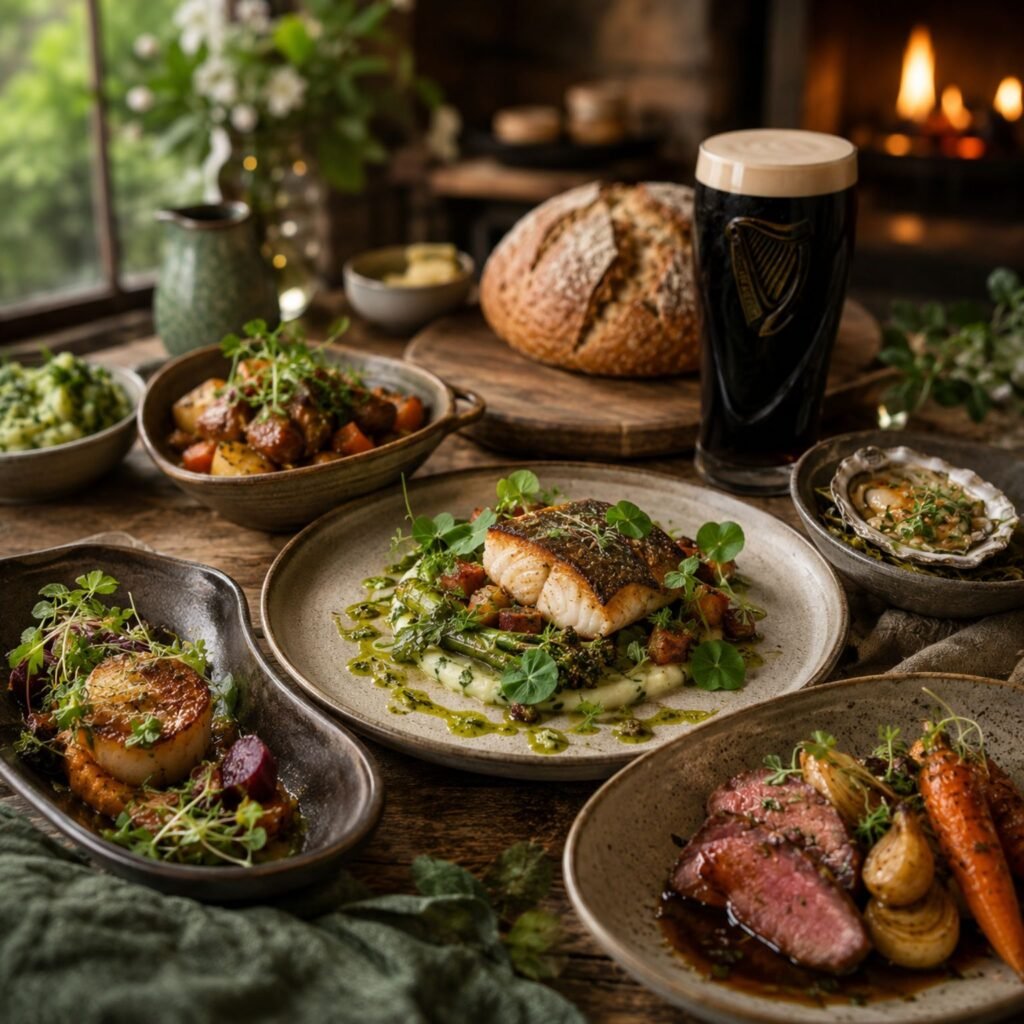
Today’s Irish chefs are reinventing traditional recipes with exciting new techniques and global influences. However, they never lose sight of their roots. Restaurants across Dublin, Cork, and Galway now offer contemporary takes on classic Irish dishes, using locally sourced ingredients in creative ways.
For example, chefs now serve deconstructed Irish stews, artisan soda bread with flavoured butters, and elevated versions of boxty topped with smoked salmon and crème fraîche. Furthermore, the farm-to-table movement has taken strong hold in Ireland, with many restaurants building direct relationships with local farmers and producers.
Ireland’s growing reputation on the world food stage is well deserved. In addition, the country now attracts food tourists who travel specifically to explore its culinary landscape. Michelin-starred restaurants, cosy village pubs, and bustling street food markets all contribute to a food scene that is vibrant, diverse, and deeply Irish. For a deeper look at Irish recipes you can try at home.
Why Irish Foods Deserve a Place on Your Table
Irish foods offer something truly special honesty. Every dish starts with quality, natural ingredients and delivers comfort without pretension. Furthermore, Irish cuisine fits perfectly into today’s trend of eating simply, seasonally, and sustainably. Whether you cook a pot of Irish stew on a cold evening or enjoy soda bread fresh from the oven, you connect with a tradition that spans generations.
In addition, Irish recipes are accessible to home cooks of every skill level. Most dishes use straightforward methods, affordable ingredients, and minimal equipment. Therefore, anyone can bring a taste of Ireland into their own kitchen. As Irish food continues to grow in global popularity, now is the perfect time to explore and celebrate it.
FAQs
Q1: What are the most popular Irish foods?
The most popular Irish foods include Irish stew, soda bread, colcannon, the full Irish breakfast, and boxty.
Q2: What is the national dish of Ireland?
Irish stew, made with lamb or beef and root vegetables, is widely considered Ireland’s national dish.
Q3: Are Irish foods healthy?
Yes, most traditional Irish foods use natural, whole ingredients like vegetables, lean meats, and dairy products.
Q4: What makes Irish soda bread different from regular bread?
Irish soda bread uses baking soda instead of yeast, giving it a denser texture and a slightly tangy flavour.
Q5: Can I make traditional Irish foods at home easily?
Absolutely most Irish recipes require simple ingredients and basic cooking techniques that any home cook can follow.
Conclusion
Irish foods reflect the soul of a country that values warmth, simplicity, and community. From the humble potato to world-class oysters, Ireland’s culinary heritage is both rich and diverse. Furthermore, the ongoing revival of traditional Irish dishes combined with exciting modern innovation ensures that Irish cuisine remains as relevant and beloved as ever. Whether you are visiting Ireland for the first time or recreating these flavours at home, embracing Irish foods means embracing a culture full of heart. In addition, every bite carries a story worth savouring. Start exploring Irish cuisine today and discover why food lovers around the world keep coming back for more.