
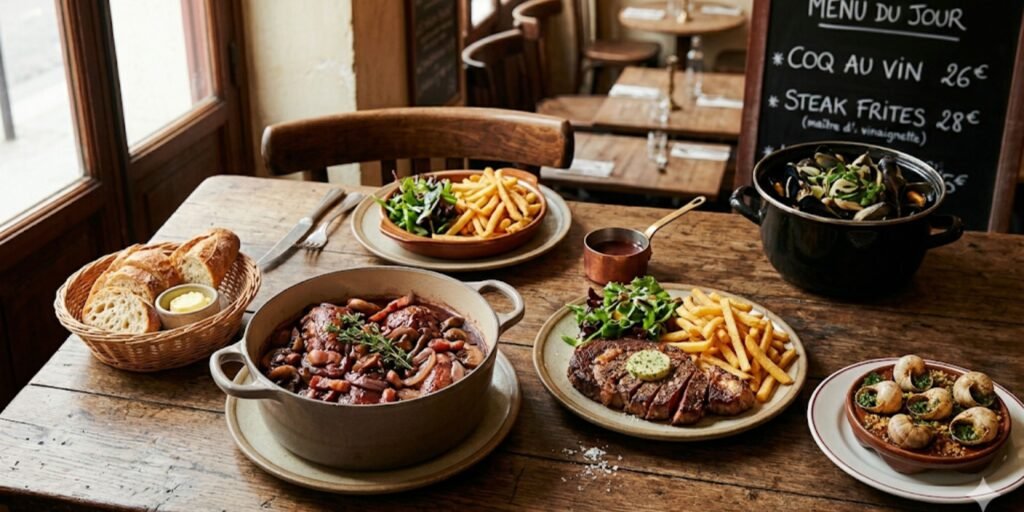
French food holds a special place in the hearts of food lovers everywhere. People travel thousands of miles just to taste an authentic croissant in Paris or enjoy a bowl of classic French onion soup. French cuisine is not just about eating it is about experiencing life at a slower, more intentional pace.
For centuries, France has led the world in culinary innovation. Chefs across the globe still study French cooking techniques as the foundation of modern gastronomy. Furthermore, UNESCO recognized French gastronomic culture as an Intangible Cultural Heritage of Humanity in 2010. That recognition says everything about how deeply French food connects to identity, tradition, and art.
In this guide, you will explore the history, iconic dishes, cultural values, and practical tips that make French food one of the most celebrated cuisines on the planet.
The Rich History of French Food
How French Cuisine Evolved Over Centuries
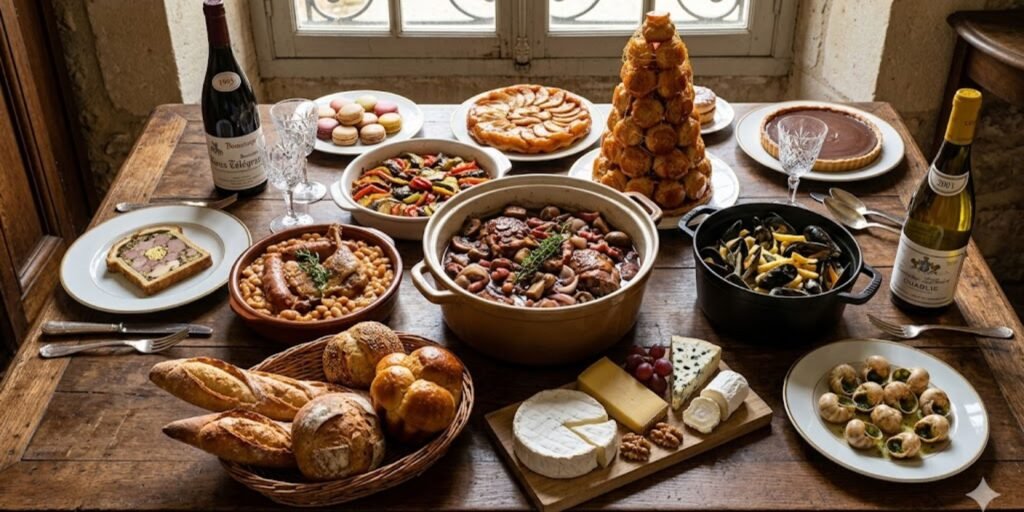
French food did not become world-famous overnight. Its roots stretch back to the Middle Ages, when royal banquets featured elaborate multi-course meals with spiced meats and rich sauces. Over time, French cooks refined these traditions and developed a more structured approach to cooking.
In the 17th century, chef François Pierre La Varenne published Le Cuisinier François, a landmark cookbook that shifted French cooking away from heavy spices toward natural flavors and fresh ingredients. This book changed everything. As a result, France began building its reputation as the global capital of fine dining.
By the 19th century, Auguste Escoffier modernized French cuisine for restaurants and hotels worldwide. He organized kitchen brigades and standardized recipes that chefs still follow today. Therefore, when you enjoy a perfectly made beurre blanc or a classic consommé, you taste over three centuries of culinary evolution.
Popular French Dishes You Must Try
The Classics That Define French Food
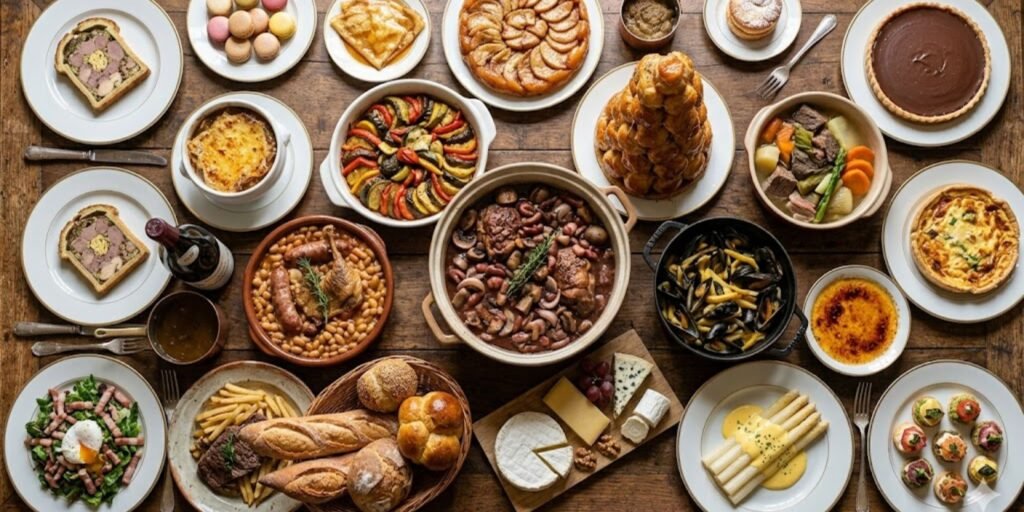
French food offers an incredible variety of dishes. However, a few stand out as true icons of the cuisine. These are the dishes that most people think of first when they imagine sitting at a Parisian café.
- Croissant: A buttery, flaky pastry that the French have perfected. Bakers fold the dough dozens of times to create those signature layers.
- Coq au Vin: A hearty chicken dish slow-cooked in red wine with mushrooms, onions, and herbs. It delivers deep, comforting flavor.
- Bouillabaisse: A traditional Provençal fish stew from Marseille. Locals serve it with rouille sauce and crusty bread.
- French Onion Soup Slow-caramelized onions sit in a rich beef broth, topped with a thick layer of melted Gruyère cheese.
- Ratatouille :A colorful vegetable dish from Nice that celebrates summer produce at its best.
- Crème Brûlée: A silky vanilla custard with a crisp caramelized sugar crust on top. It is one of the most satisfying desserts in all of French food.
In addition, France produces some of the world’s finest cheeses. Brie, Camembert, Roquefort, and Comté each carry protected status because of their unique regional origins.
French Bread: A National Symbol
No discussion of French food is complete without mentioning bread. The baguette is arguably France’s most recognizable food symbol. The French government even passed a law in 1993 to protect the traditional recipe. A proper baguette contains only flour, water, salt, and yeast nothing else.
On the other hand, French bakeries also offer pain de campagne (country bread), brioche, and ficelle, each with its own texture and purpose. The French take their bread seriously, and for good reason.
French Food Culture: More Than Just Eating
The French Approach to Meals
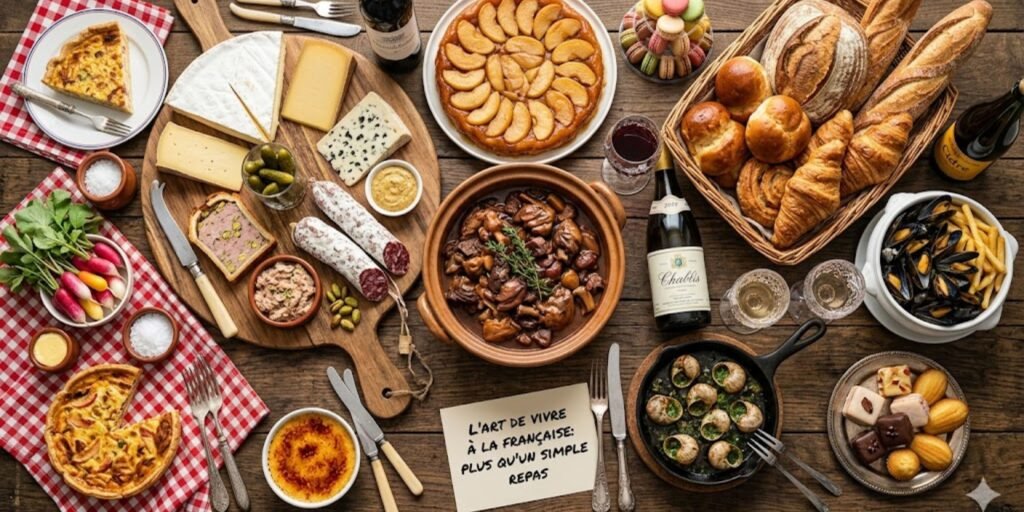
French food culture revolves around a powerful idea meals are moments, not tasks. The French sit down together for lunch and dinner. They take their time. Conversations flow easily around the table. Each course is savored without rushing to the next.
A traditional French meal follows a clear structure:
- Apéritif A light drink with small snacks before the meal begins.
- Entrée A starter course, often a salad, soup, or light dish.
- Plat principal The main course, usually meat or fish with vegetables.
- Fromage A cheese course served before dessert.
- Dessert Something sweet to close the meal beautifully.
- Digestif A small spirit served after the meal to aid digestion.
This structure might seem formal. However, even casual French family dinners often follow a similar rhythm. Sharing food together strengthens relationships, and the French understand this deeply.
Wine and French Culinary Culture
Wine plays an inseparable role in French food culture. France produces some of the world’s most respected wines Bordeaux, Burgundy, Champagne, and Côtes du Rhône among them. The French match wine to food thoughtfully. For example, a rich Burgundy pairs well with beef dishes, while a crisp Muscadet complements seafood perfectly.
Furthermore, France introduced the concept of terroir the idea that the land, climate, and environment give food and wine their unique character. This principle now influences wine and food production across the entire world.
French Food Around the World
How French Cuisine Spread Globally
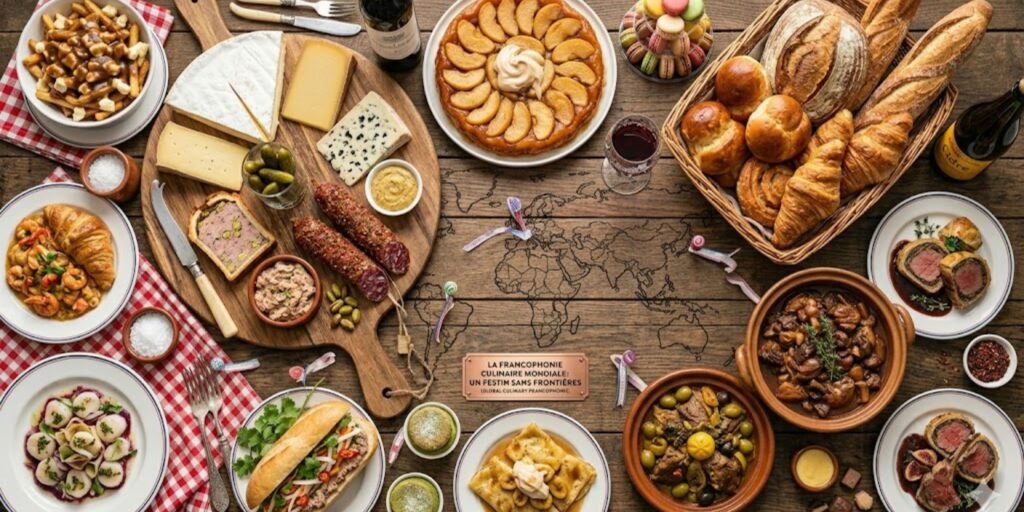
French food traveled beyond France’s borders centuries ago. French chefs opened restaurants in London, New York, and beyond. Their techniques, from making stocks and sauces to perfecting pastry, became the backbone of professional cooking worldwide.
Today, French culinary influence appears in every corner of the globe. In fact, the classical French mother sauces béchamel, velouté, espagnole, hollandaise, and sauce tomate appear in kitchens from Bangkok to Buenos Aires. Chefs adapt them locally, but the French foundations remain.
In addition, French patisserie has inspired bakeries in Japan, Australia, and the United States. Cities like Tokyo now house award-winning French-style pastry shops that rival anything you find in Paris.
Modern French Food: Innovation Meets Tradition
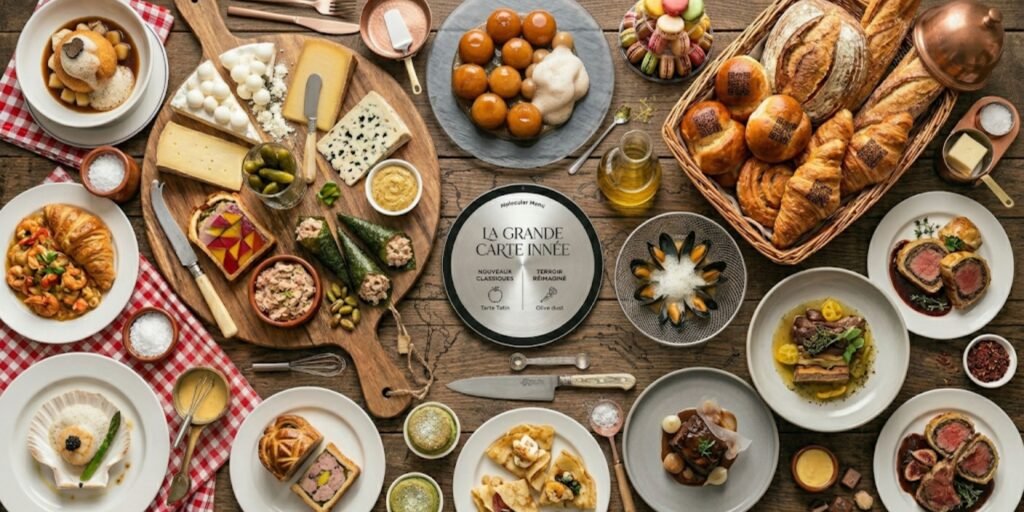
Contemporary French chefs continue to push boundaries and redefine culinary traditions. For example, the nouvelle cuisine movement of the 1970s challenged heavy sauces and overly rich preparations. As a result, chefs began focusing on lighter, more refined cooking styles. In particular, chefs like Paul Bocuse and Michel Guérard championed dishes that highlighted fresh ingredients and natural flavors. Consequently, their influence helped shape modern French cuisine and inspired chefs around the world.
Today, young French chefs blend traditional French cooking with global influences. They experiment with Japanese techniques, North African spices, and plant-based ingredients. However, they always anchor their cooking in classical French principles. This balance keeps French food exciting and relevant in the modern world.
Tips for Cooking French Food at Home
Start Simple and Build Confidence
Many people feel intimidated by French cooking. They assume it requires professional training or expensive ingredients. In contrast, many beloved French dishes are surprisingly simple to make at home.
Here are practical tips to get started:
- Master the basics first. Learn to make a proper béchamel and a good vinaigrette. These two preparations appear in dozens of French recipes.
- Use fresh, quality ingredients. French cooking lets ingredients speak for themselves. Therefore, buy the best seasonal produce you can find.
- Practice patience. Dishes like coq au vin and beef bourguignon need time to develop deep flavors. Do not rush the process.
- Invest in a good knife. French cooking involves a lot of precise chopping and slicing. A sharp chef’s knife makes everything easier and safer.
- Season carefully. The French use salt and pepper thoughtfully. Taste your food as you cook and adjust seasoning gradually.
Furthermore, do not overlook French sauces. A simple pan sauce made from meat drippings, butter, and shallots can transform a basic chicken breast into something extraordinary. Moreover, this classic French technique adds depth and richness with minimal effort. As a result, even an everyday meal can feel restaurant-worthy. Once you learn this technique, you will likely use it constantly.
Easy French Recipes to Try First
If you are new to French cooking, start with these approachable dishes:
- Salade Niçoise A fresh, colorful salad from Nice with tuna, eggs, olives, and green beans.
- Quiche Lorraine A savory egg and cream tart with bacon that works perfectly for brunch.
- Tarte Tatin An upside-down caramelized apple tart that looks impressive but requires simple steps.
- French Omelette A soft, folded egg dish that teaches you heat control and technique.
These recipes build confidence and give you a solid foundation in French cooking methods.
FAQs
Q1: What makes French food different from other cuisines?
French food emphasizes classical techniques, fresh ingredients, and structured meal traditions. Moreover, it places great importance on balance, presentation, and flavor. As a result, it offers a dining experience that few other culinary cultures can match.
Q2: Is French food always expensive to make at home?
No, many traditional French dishes use simple, affordable ingredients like eggs, butter, onions, and seasonal vegetables. In fact, some of the most beloved recipes were originally created as everyday meals for ordinary families. Moreover, French cooking often emphasizes technique rather than expensive ingredients. As a result, anyone can enjoy authentic French food without spending a fortune.
Q3: What is the most famous French food in the world?
The croissant is arguably the most recognized French food globally, enjoyed daily in over 100 countries.
Q4: Does French food always include wine?
Not always, but wine often complements French meals because France integrates wine deeply into its food culture and traditions.
Q5: Can beginners learn to cook French food easily?
Yes, many classic French recipes are straightforward and teach fundamental cooking skills that improve all your cooking.
Conclusion:
French food offers something for everyone. Whether you enjoy buttery pastries in the morning, a slow-cooked stew on a cold evening, or a beautifully aged cheese with a glass of wine, French cuisine delivers pleasure at every turn.
The beauty of French food lies in its respect for ingredients, its commitment to technique, and its celebration of the meal as a shared human experience. Moreover, French cuisine reflects a deep appreciation for tradition while continuing to inspire innovation around the world. Indeed, you do not need to travel to Paris to enjoy its rich flavors and culinary heritage. Instead, start in your own kitchen and master a few simple recipes. As a result, you will gain a deeper understanding of the skills and traditions behind these beloved dishes. Ultimately, you will discover why French food has inspired the world for centuries.
So pick up a baguette, open a bottle of Bordeaux, and begin your journey into one of the greatest culinary traditions the world has ever known.