
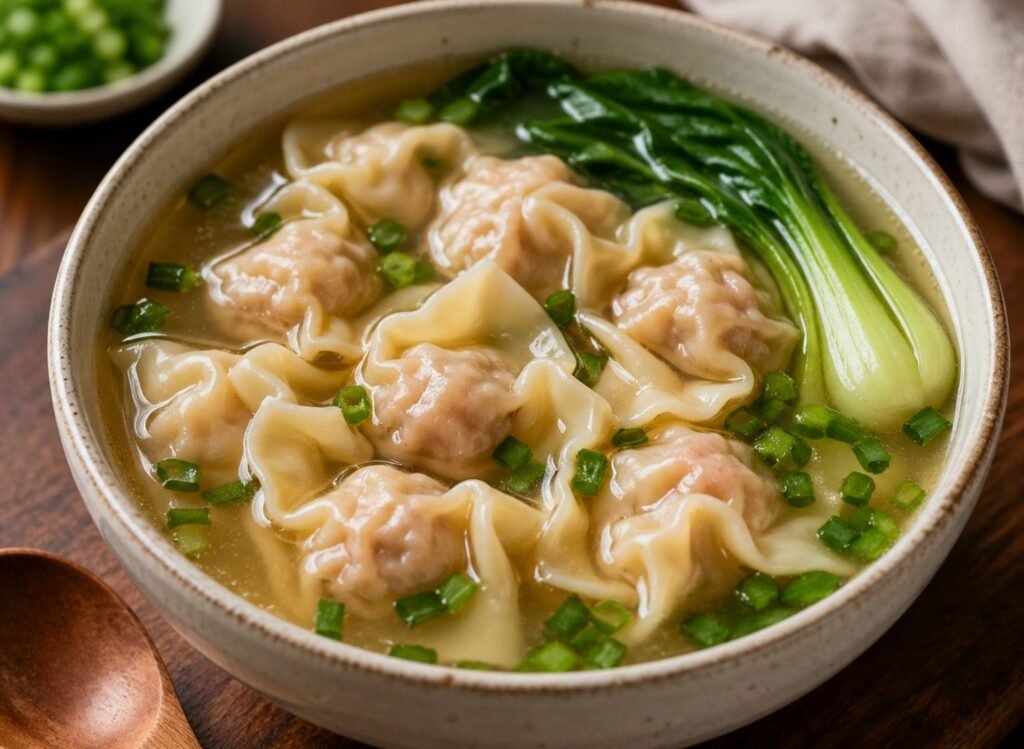
Wonton is one of the most beloved dishes in Chinese cuisine. Millions of people enjoy it every day across the world. Whether you find it floating in a warm soup, deep-fried to golden perfection, or steamed with a savory dip, wonton never disappoints. This small dumpling carries big flavor and even bigger cultural significance. In this guide, you will learn everything about wonton, its history, types, fillings, cooking methods, and more. So, if you want to make the perfect at home or simply learn more about this iconic dish, you are in the right place. Let’s dive in!
History and Origins
Wonton has a history that stretches back over 1,000 years. Historians trace its origins to the Tang Dynasty in China, around 618 907 AD. Back then, people enjoyed wonton as a special treat during the Winter Solstice festival.
The name “wonton” comes from the Cantonese word “wàhn tān,” which loosely means “swallowing clouds.” This poetic name reflects the soft, cloud-like appearance of the dumpling floating in broth. Furthermore, different regions of China developed their own unique styles over the centuries.
Today, it remains a staple in Chinese households and restaurants worldwide. Its long history makes it more than just food; it is a cultural symbol.
What Makes a Wrapper Special
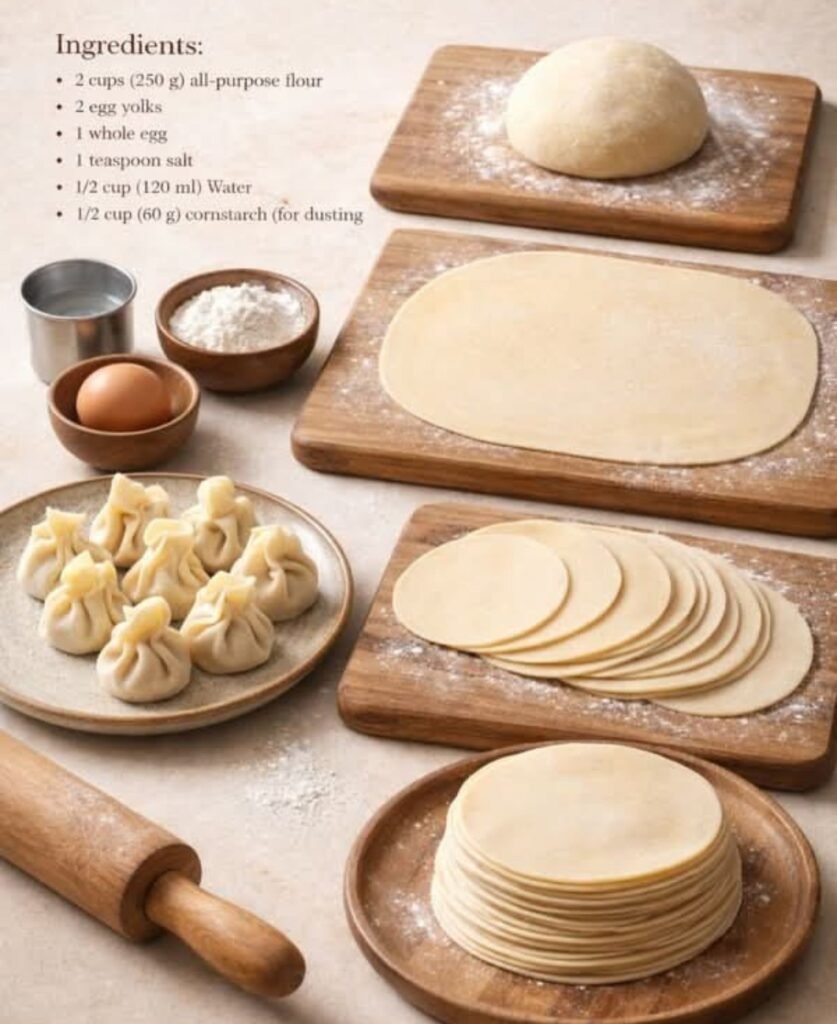
The wrapper is the foundation of a great dumpling. It is a thin, square sheet of dough made from flour, eggs, and water. The texture is smooth and slightly elastic, which makes it easy to fold and seal.
You can find wonton wrappers in most Asian grocery stores. They come fresh or frozen and are usually about 3 inches square. However, if you prefer, you can also make them at home with just a few simple ingredients.
The thickness of the wrapper matters a lot. Thinner wrappers give a delicate bite, while thicker ones hold up better in soup. Therefore, always choose the right wrapper for your cooking method.
Popular Fillings You Must Try
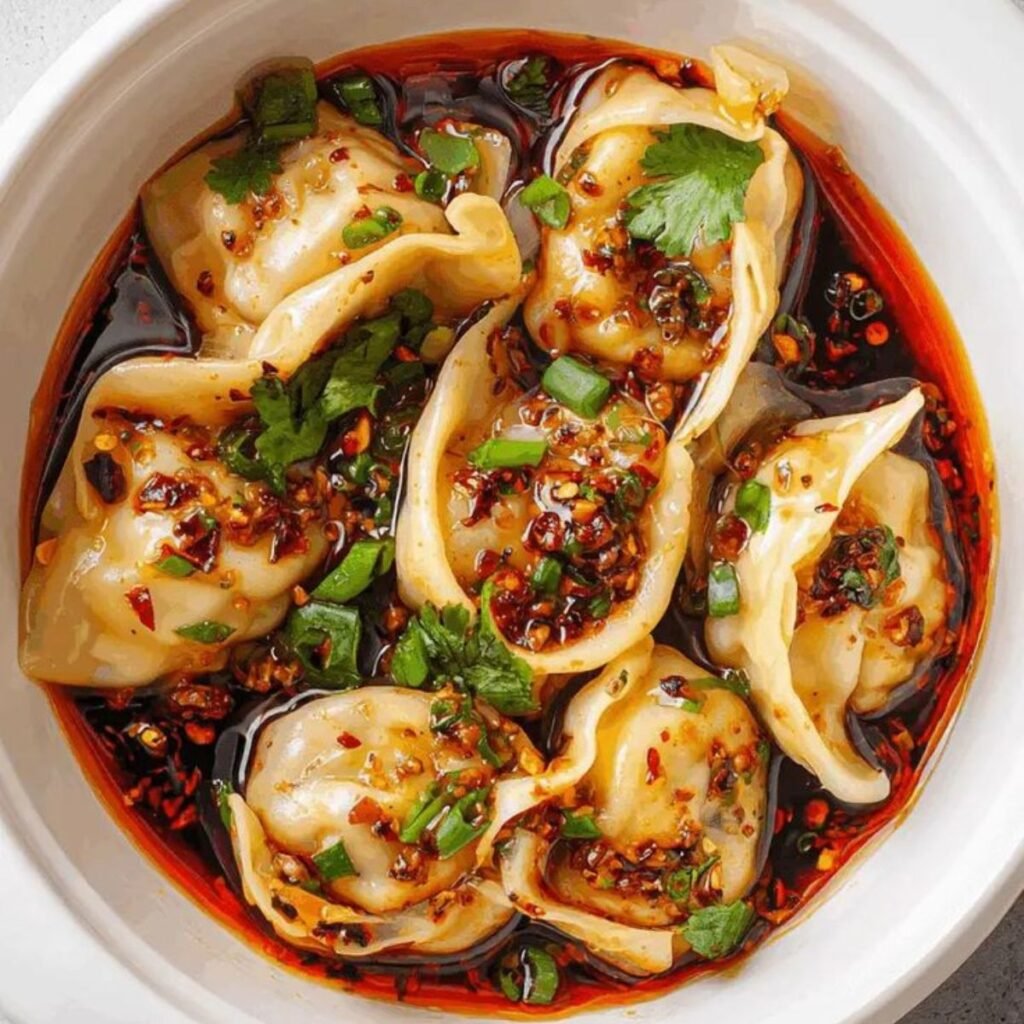
The filling is where the real magic happens. A classic wonton filling uses ground pork and shrimp as the base. Cooks then add ginger, green onions, soy sauce, and sesame oil to build rich flavor.
However, its fillings are not limited to pork and shrimp. Here are some popular variations you should try:
- Chicken and mushroom a lighter option with an earthy flavor
- Shrimp are only clean, sweet, and perfect for wonton soup
- Vegetables and tofu are a great choice for vegetarians
- Beef and scallion, bold and hearty
- Crab meat luxurious and restaurant-worthy
In addition, you can mix and match ingredients to create your own signature filling. The key is to keep the filling moist but not too wet, so the wrapper does not break during cooking.
How to Fold Them Perfectly
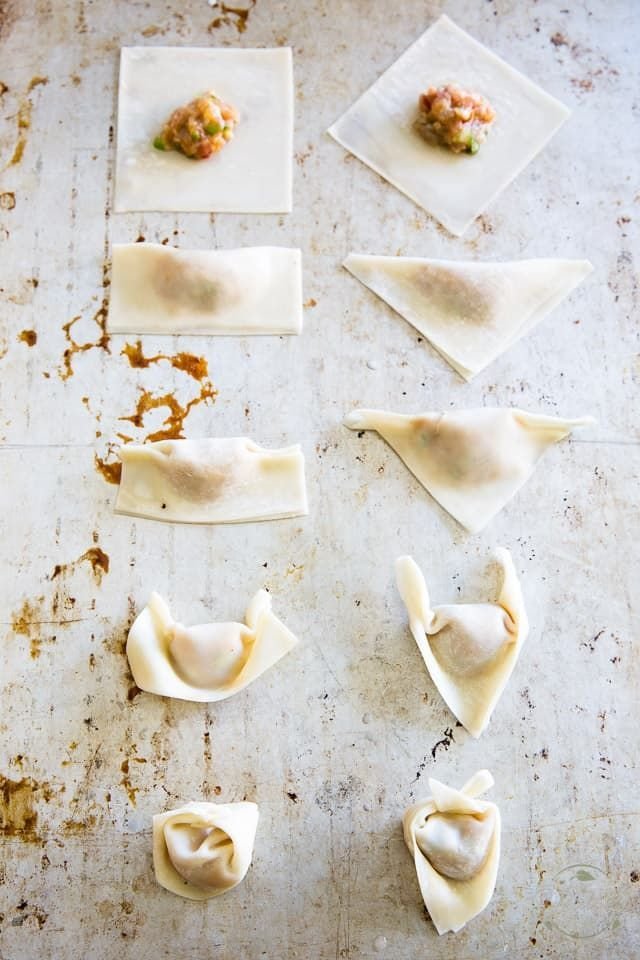
Folding a wonton looks tricky at first, but it becomes easy with a little practice. There are several popular folding styles, and each one works well for different cooking methods.
The Classic Nurse Cap Fold
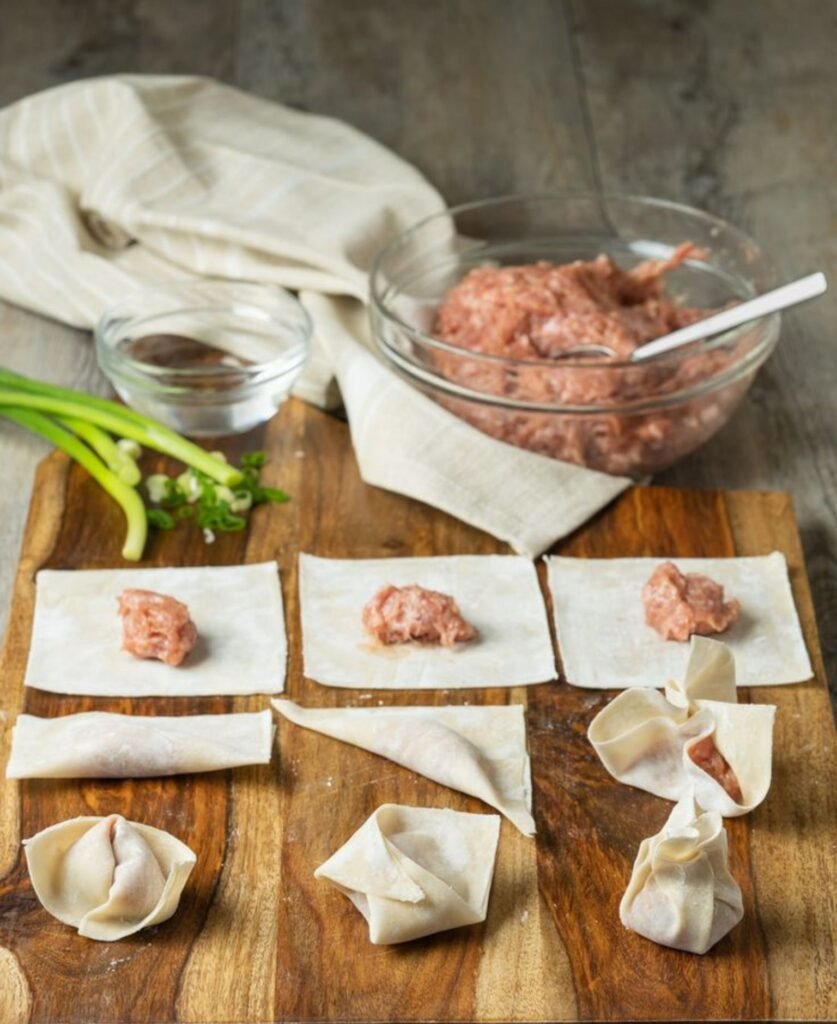
This is the most common folding style. First, place a small spoonful of filling in the center of the wrapper. Next, fold the wrapper diagonally to form a triangle. Then, bring the two bottom corners together and press them firmly. Finally, moisten the edges with water to seal them tight.
The Simple Envelope Fold
This fold works great for beginners. Fold all four corners toward the center over the filling. Press the edges together with a dab of water. This style holds up particularly well in deep-frying.
Moreover, no matter which fold you choose, always make sure you seal the edges completely. Open edges cause the filling to fall out during cooking.
Delicious Ways to Cook Wonton
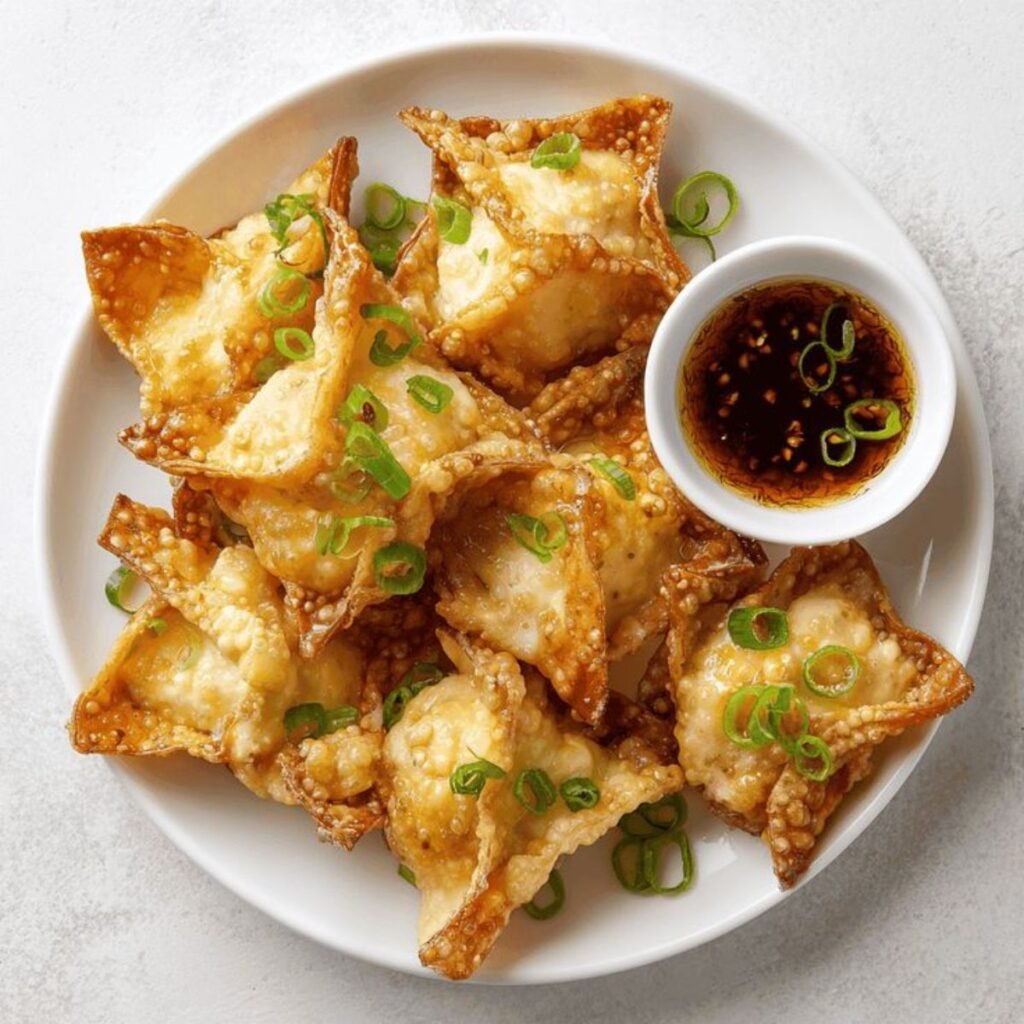
One of the best things about wonton is its versatility. You can cook it in multiple ways, and each method delivers a completely different eating experience.
Wonton Soup
Its soup is perhaps the most iconic preparation. You simply boil the dumplings in a flavorful broth until they float to the top. The broth soaks into the thin wrapper and creates an incredibly comforting bowl.
[Link to related recipe article]
Add bok choy, noodles, or mushrooms to the soup for extra texture and nutrition. Also, a drizzle of chili oil on top adds a wonderful kick.
Fried Wonton
Fried wonton is a crowd-pleasing appetizer that everyone loves. You deep-fry the folded dumplings until they turn golden and crispy. The outside shatters with every bite while the inside stays juicy and flavorful.
Serve fried wonton with a sweet chili dipping sauce or plum sauce. They disappear fast at parties, so always make a generous batch.
Steamed Wonton
Steaming is the healthiest cooking method. It preserves the natural flavors of the filling without adding extra fat. Steamed wonton pairs beautifully with a light soy and ginger dipping sauce.
Nutritional Value of Wonton
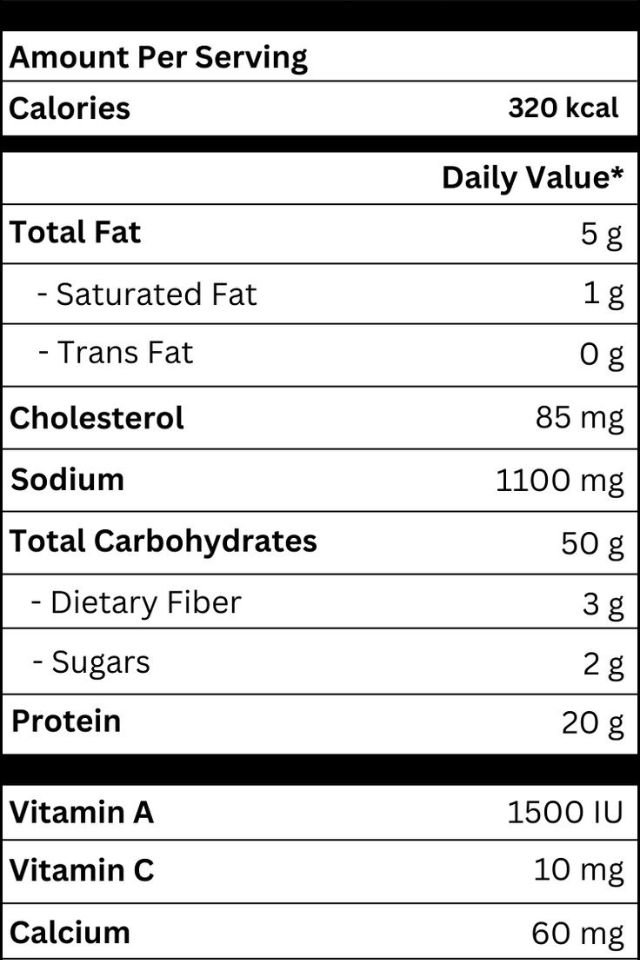
It offers a reasonable nutritional profile when you cook it thoughtfully. A typical serving of soup contains around 200–300 calories, depending on the filling and broth. Moreover, it provides a good amount of protein, especially when the filling includes shrimp or lean pork.
Here is a general breakdown for a serving of 6 boiled wontons:
- Calories: 200–250
- Protein: 10–14g
- Carbohydrates: 22–28g
- Fat: 6–10g
Furthermore, you can make wonton even healthier by choosing a low-sodium broth and loading the filling with vegetables.
Tips for Making the Best Wonton at Home
Making at home is easier than most people think. Follow these practical tips, and you will get excellent results every time:
- Keep the wrappers covered, its that wrappers that dry out quickly, so always keep them under a damp towel while you work.
- Do not overfill; use only one teaspoon of filling per wonton to avoid splitting.
- Seal edges firmly, use a little water on your fingertip to press the edges tight.
- Freeze extras. Arrange uncooked wontons on a tray, freeze until solid, then transfer to a bag for storage up to 3 months.
- Cook from frozen. You do not need to thaw frozen wontons before cooking; just add 2 extra minutes to the cooking time.
In addition, always taste your filling before wrapping. Adjust the seasoning so every dumpling delivers full flavor.
(FAQs)
Q1: What is a wonton?
It is a small Chinese dumpling made with a thin wrapper and filled with seasoned meat or vegetables.
Q2: Can I freeze homemade wonton?
Yes, you can freeze uncooked wontons on a tray and store them in a freezer bag for up to three months.
Q3: What is the difference between wonton and dumpling?
Wonton uses a thinner, square wrapper and is typically boiled in soup, while dumplings use thicker dough and come in many shapes.
Q4: How long does it take to cook wonton in soup?
It cooks fully in boiling broth in about 4 to 6 minutes, until it floats to the surface.
Q5: Can I make wonton wrappers at home?
Yes, you can make wonton wrappers at home using just flour, egg, water, and a rolling pin.
Conclusion
Wonton is truly a timeless dish that brings comfort, flavor, and joy to every table. From its ancient Chinese roots to its place in modern kitchens worldwide, this little dumpling has earned its legendary status. Whether you prefer it in a steaming bowl of soup, golden-fried on a party platter, or gently steamed with dipping sauce, wonton always delivers. Now that you know its history, fillings, folding techniques, and cooking methods, you are fully ready to make it yourself. So grab some wonton wrappers, prepare your favorite filling, and enjoy every single