
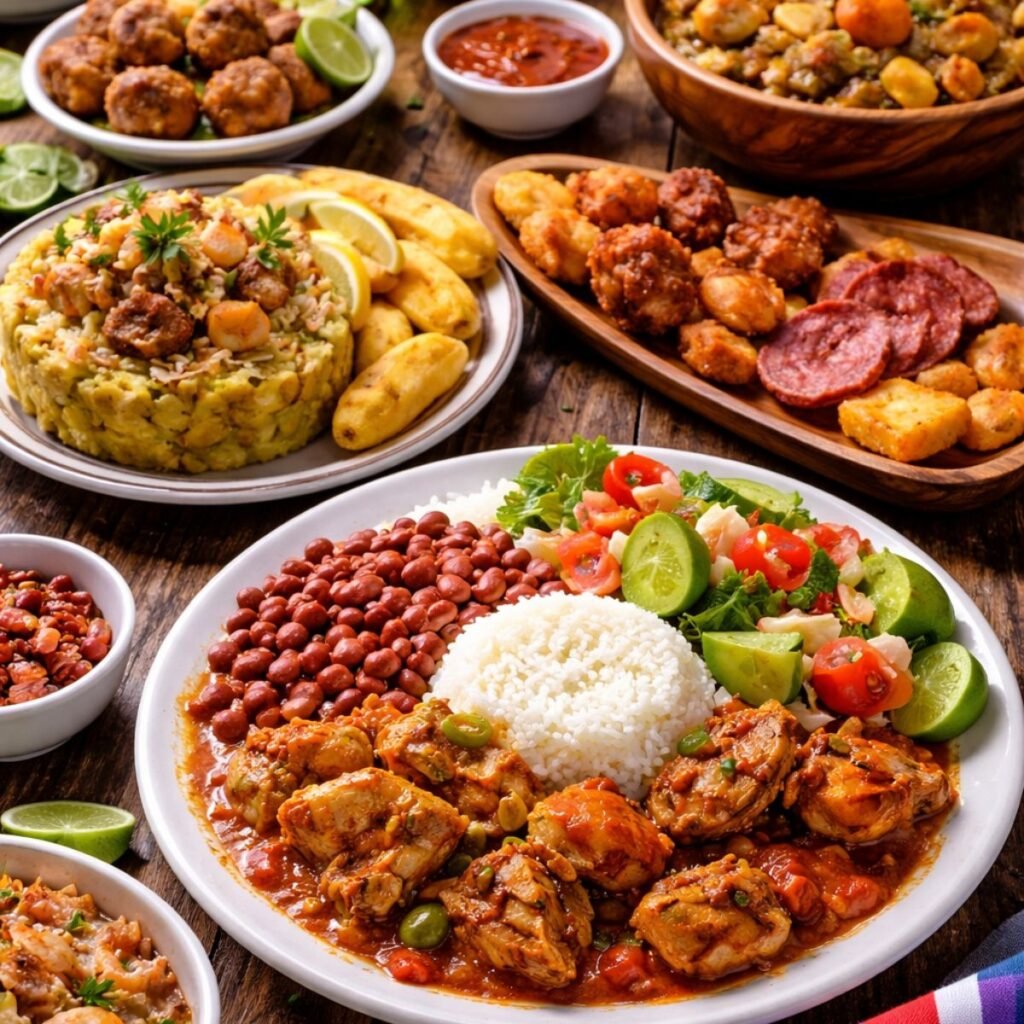
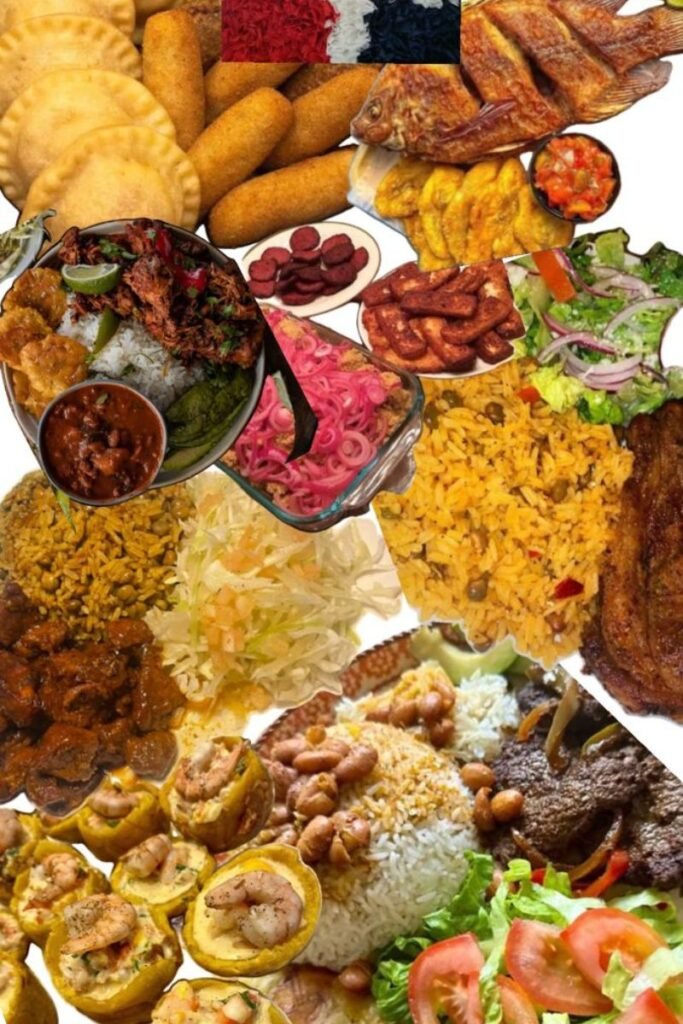
Dominican food is a vibrant reflection of the Dominican Republic’s rich history, diverse cultural influences, and deep-rooted traditions. Blending Taíno, Spanish, and African culinary practices, Dominican cuisine offers a unique combination of bold flavors, hearty ingredients, and comforting meals that bring people together. From savory stews to sweet tropical desserts, Dominican food is known for its balance, simplicity, and authenticity.
At the heart of Dominican cooking is the use of fresh, locally sourced ingredients such as rice, beans, plantains, meats, and aromatic herbs. Meals are often prepared with love and shared among family and friends, making food an essential part of Dominican culture and identity. Whether you’re exploring traditional home-cooked dishes or popular street food, Dominican cuisine has something for everyone.
In this article, we’ll explore a complete Dominican food list, highlight popular dishes like pollo guisado, Dominican chicken, and dive into the flavors that make this cuisine so special.
Dominican Food List: Must-Try Dishes
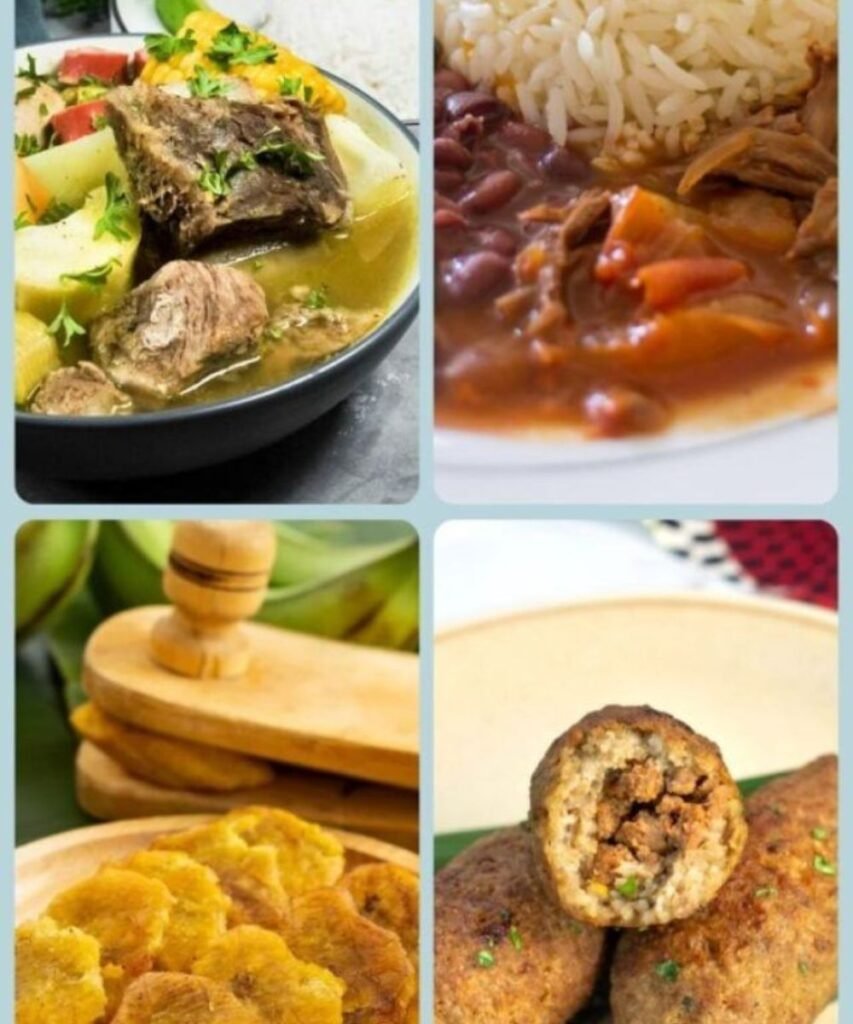
If you’re new to Dominican cuisine, here’s a comprehensive Dominican food list that showcases the country’s most beloved dishes:
1. La Bandera Dominicana
Known as the national dish, La Bandera consists of white rice, red beans, and stewed meat (usually chicken or beef). In most cases, it is typically served with salad and fried plantains. In addition, this combination creates a well-balanced and hearty meal. Moreover, it reflects the traditional eating style of Dominican households. As a result, La Bandera remains the most important and widely enjoyed dish in Dominican cuisine. In addition, this combination creates a balanced and satisfying meal. As a result, it is considered the heart of Dominican daily cuisine.
2. Mangú
A popular breakfast dish made from mashed green plantains. Typically, it is topped with sautéed onions and served with eggs, cheese, or salami. In addition, this combination creates a rich and satisfying flavor profile. Moreover, it provides a balanced meal that is both filling and traditional. As a result, it remains one of the most beloved breakfast options in Dominican cuisine. In addition, this combination creates a satisfying and balanced meal. As a result, it remains a favorite choice for starting the day in Dominican households.
3. Sancocho
A hearty stew made with a variety of meats, root vegetables, and spices. People often prepare it for special occasions and family gatherings.. Moreover, this dish brings people together, highlighting the importance of shared meals in Dominican culture. As a result, it holds a special place in many celebrations.
4. Pollo Guisado (Dominican Chicken)
Pollo guisado, Dominican chicken, features a flavorful stewed chicken dish cooked with tomatoes, garlic, onions, and Dominican seasonings. In addition, it is carefully slow-cooked to develop a deep and rich flavor. Moreover, this cooking method allows the spices to fully blend into the chicken. As a result, the dish becomes tender, savory, and highly satisfying. In addition, slow cooking enhances its rich and savory taste.. As a result, the dish becomes tender and deeply infused with spices. For this reason, it’s a staple in many households
5. Tostones
Fried green plantains that are crispy on the outside and soft on the inside. Typically, they are often served as a side dish or snack. In addition, they pair well with a variety of Dominican meals. Moreover, their texture and flavor make them a popular choice across households. As a result, they are a staple in Dominican cuisine
6. Mofongo (Dominican Style)
Although originally from Puerto Rico, mofongo is also popular in the Dominican Republic. It’s made from mashed fried plantains mixed with garlic and pork cracklings.
7. Pastelón
A Dominican-style lasagna made with layers of sweet plantains, ground meat, and cheese.
8. Arroz con Pollo
A one-pot rice dish cooked with chicken, vegetables, and spices.
9. Chicharrón
Crispy fried pork belly or pork rinds, often served with lime.
10. Habichuelas con Dulce
A traditional dessert made with sweet beans, coconut milk, sugar, and spices, typically enjoyed during holidays.
Spotlight Dish: Pollo Guisado Dominican Chicken
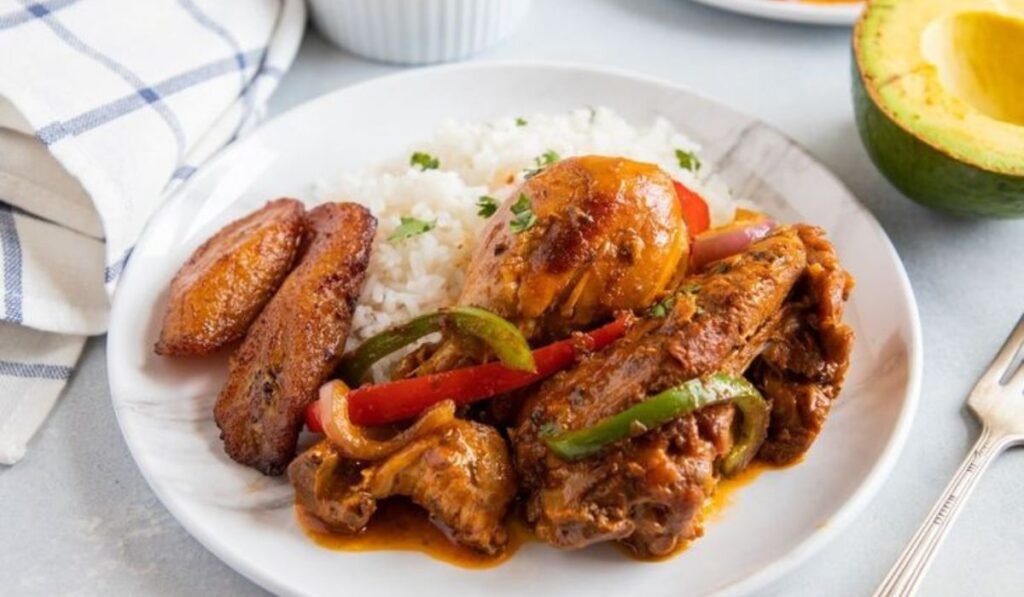
One of the most iconic dishes in Dominican cuisine is pollo guisado, Dominican chicken. In fact, this dish perfectly represents the flavors and cooking style of the Dominican Republic. Moreover, it highlights the rich blend of spices and slow-cooking techniques that define Dominican food. As a result, pollo guisado has become a staple in many households and a favorite among locals and visitors alike.
What Makes It Special?
Pollo guisado is a slow-cooked chicken stew that is rich, savory, and full of flavor. The chicken is marinated in a blend of garlic, oregano, citrus juice, and Dominican seasoning before being browned and simmered in a tomato-based sauce.
Key Ingredients:
- Chicken pieces
- Garlic
- Onion
- Bell peppers
- Tomato sauce
- Cilantro
- Oregano
- Lime or vinegar
Cooking Method:
The chicken is first seasoned and marinated, then browned in oil to create a deep flavor. After that, vegetables and spices are added, and the dish is simmered until the chicken is tender and the sauce thickens.
How It’s Served:
Pollo guisado is usually served with white rice, beans, and fried plantains. In most cases, this combination makes it a complete and satisfying meal. In addition, the pairing enhances both flavor and texture. As a result, it has become one of the most popular and well-balanced meals in Dominican cuisine.
Key Ingredients in Dominican Food
Dominican cuisine relies on simple yet flavorful ingredients. Here are some essentials:
- Rice and Beans – The foundation of most meals
- Plantains – Used in various forms (fried, mashed, baked)
- Meat and Seafood – Chicken, beef, pork, and fish
- Sofrito/Base Seasoning – Garlic, onion, peppers, herbs
- Citrus Juices – Lime and sour orange for marination
Dominican Cooking Techniques
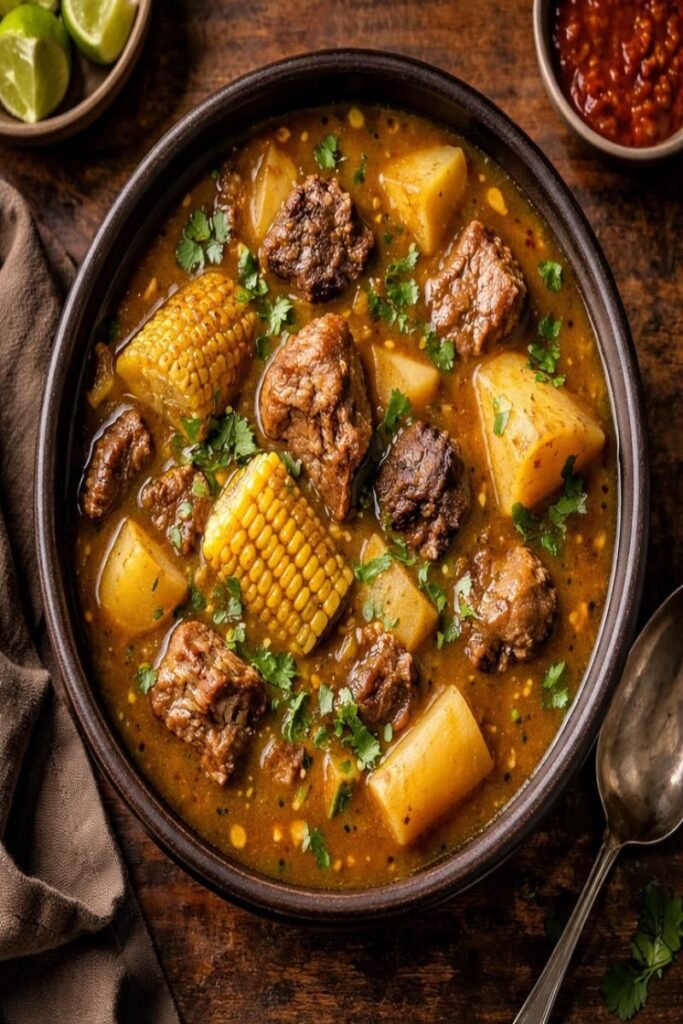
Dominican cuisine is known for its rich flavors and traditional preparation methods. Stewing (guisado) is one of the most popular techniques, especially for dishes like pollo guisado Dominican chicken, where meat is slowly cooked in a seasoned sauce. Frying is also widely used, particularly for plantains, meats, and popular street foods.
Another common method involves boiling and mashing ingredients, as seen in dishes like mangú made from green plantains. Slow cooking plays an important role as well, allowing spices and herbs to fully develop and create deep, comforting flavors in soups and stews.
- Stewing (Guisado) – Used for meats like pollo guisado
- Frying – Common for plantains and meats
- Boiling and Mashing – Used for dishes like mangú
- Slow Cooking – Enhances flavors in soups and stews
Dominican Street Food

Street food is an important part of Dominican culture. Popular options include:
- Chimichurri burger (Dominican-style sandwich)
- Yaroa (loaded fries or plantains with meat and cheese)
- Empanadas
- Fried plantains
These foods are affordable, delicious, and widely available.
Health Benefits of Dominican Food
While Dominican cuisine is often hearty, it can also be nutritious:
- Rich in protein from meats and beans
- High in fiber from plantains and legumes
- Packed with vitamins from fresh vegetables
- Balanced meals with carbs, protein, and fats
Tips for Cooking Dominican Food at Home
- Use fresh ingredients whenever possible
- Don’t skip the marination step for meats
- Cook slowly to develop deep flavors
- Experiment with spices and herbs
- Serve meals family-style for an authentic experience
FAQs.
1. What is the most popular Dominican food?
The most popular dish is La Bandera Dominicana, which includes rice, beans, and meat.
2. Is Dominican food spicy?
Dominican food is generally not very spicy. It focuses more on flavor than heat.
3. What is a typical Dominican breakfast?
A common breakfast includes mangú, eggs, cheese, and salami.
4. What makes Dominican food unique?
Its blend of Taíno, Spanish, and African influences makes it unique.
5. Can I make Dominican food at home?
Yes, most dishes are simple and use a celebration of culture, history, and community easily. From the comforting Dominican food list of traditional dishes to the rich flavors of pollo guisado, Dominican chicken, every meal tells a story. Whether you’re cooking at home or exploring new cuisines, Dominican food offers a delicious and unforgettable experience.
By understanding its ingredients, techniques, and signature dishes, you can truly appreciate what makes Dominican cuisine so special. So why not try making a Dominican dish today and bring a taste of the Caribbean to your table