
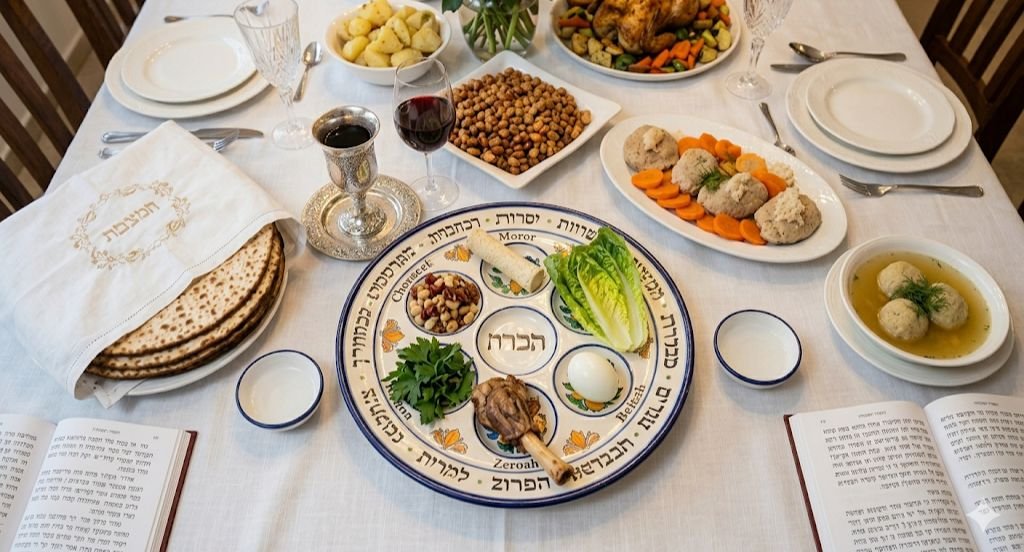
Every year, millions of Jewish families around the world gather to celebrate Passover. At the heart of this celebration sit Pesach food dishes that tell a story, carry deep meaning, and bring families closer together. Therefore, understanding what to cook and why makes the holiday even more special. Whether you celebrate for the first time or the fiftieth time, this guide covers everything you need to know.
What Is Pesach Food?
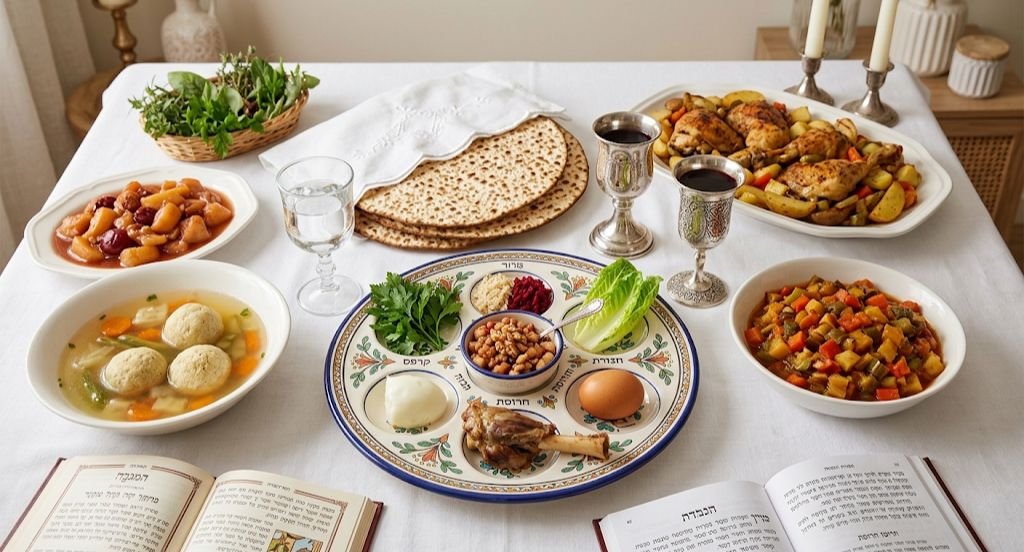
Pesach food refers to everything Jewish families eat during the Passover holiday. The holiday lasts eight days and commemorates the exodus of the Jewish people from Egypt. Moreover, every dish on the Passover table carries spiritual and historical significance. Food becomes more than just a meal it becomes a ritual.
The most important element of Pesach food is the removal of chametz. Chametz includes any food made from leavened grain. In addition, families thoroughly clean their homes before Passover begins to remove all traces of chametz. This practice connects the meal to the biblical story in a powerful and physical way.
Furthermorethe Seder plate holds six symbolic foods. Each food on the plate represents a part of the Exodus story. For example, bitter herbs represent the hardship of slavery, while charoset symbolizes the mortar Jewish slaves used to build Egyptian structures. Above all, these foods turn dinner into a living history lesson.
Traditional Pesach Food You Must Know
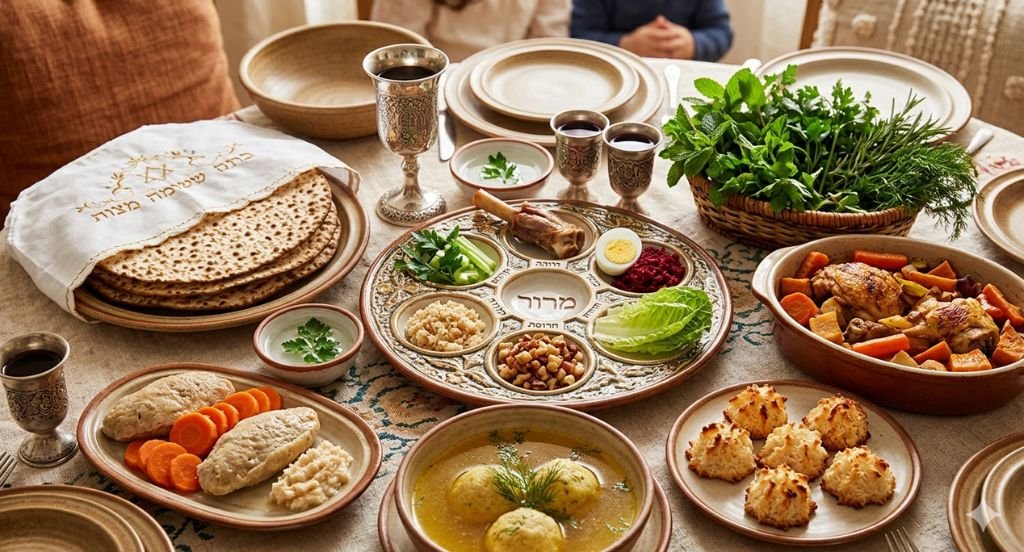
Traditional Pesach food varies by community, but several dishes appear on almost every Seder table. First, matzah is the most iconic food of Passover. Families use it instead of bread throughout the holiday. Next, matzah ball soup brings warmth and comfort to the Seder meal. Therefore, many people consider it the centerpiece of the dinner.Brisket is another beloved staple. Families slow-cook the meat until it becomes tender and flavorful. In addition, roasted chicken appears on many tables as a lighter alternative. Both dishes reflect the festive spirit of the holiday and satisfy a crowd with ease.
Tzimmes is a sweet dish made from carrots and dried fruits. Moreover, it adds a naturally sweet note to a meal that leans savory. Kugel, a baked casserole made from potatoes or matzah, also earns a regular spot at the table. Furthermore, gefilte fish served with horseradish starts the meal in many Ashkenazi households. However, Sephardic families often begin with different appetizers based on their own regional traditions.
Above all, charoset deserves special mention. This sweet paste blends apples, nuts, wine, and cinnamon. As a result, it represents both the hardship and hope of the Jewish people No traditional Seder table feels complete without it.
Pesach Food Rules and Dietary Laws
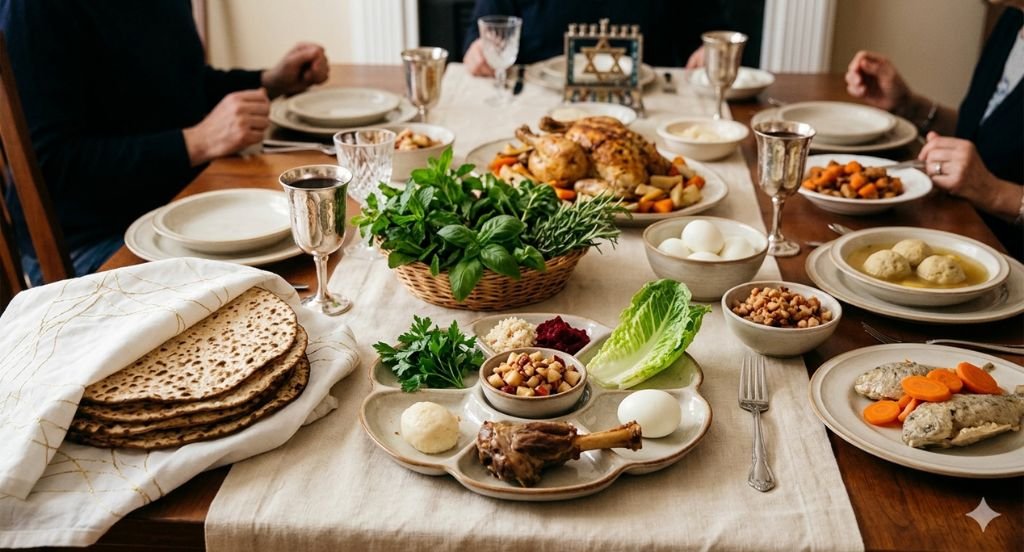
The rules around Pesach food follow Jewish dietary law closely. First and foremost, all chametz must leave the home before the holiday begins. Chametz includes bread, pasta, beer, and any grain product that undergoes fermentation. Therefore, families stock their kitchens with kosher for Passover alternatives well in advance.
Matzah replaces bread entirely during Passover. Furthermore, all products in the home must carry kosher for Passover certification. This certification ensures that no chametz contamination occurs during production. In addition, even cooking utensils sometimes need special preparation before families use them for Passover meals.
Kitniyot presents an interesting debate. Kitniyot includes legumes, rice, corn, and beans. Ashkenazi Jews traditionally avoid kitniyot during Passover. However, many Sephardic Jews and some modern Ashkenazi communities now accept kitniyot as permissible. As a result, families often check their own community’s customs before shopping.
Moreover, all meat must come from a kosher source. Dairy and meat must remain separate at all times. Therefore, Passover menus often designate meals as either meat-based or dairy-based. Above all, following these rules helps preserve a tradition that connects generations of Jewish families across the world.
Modern Pesach Food Ideas
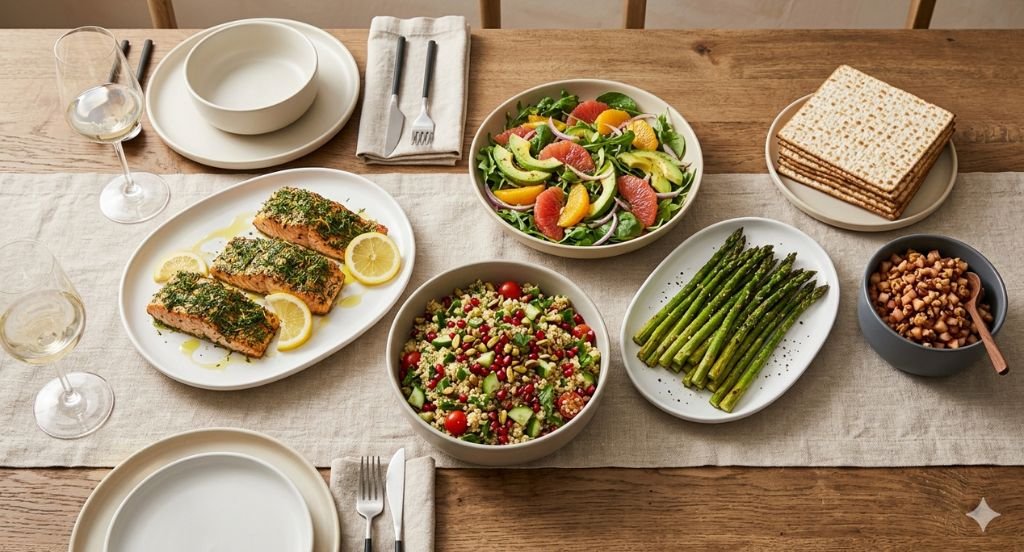
Modern cooks bring fresh creativity to Pesach food without breaking any dietary rules. For example, quinoa gained wide acceptance as a Passover-friendly grain alternative over the past two decades. Furthermore, flourless chocolate cake has become a Passover dessert staple that most guests genuinely look forward to every year.
Cauliflower plays a starring role in many contemporary Passover kitchens. Cooks roast it whole, mash it, or turn it into a savory grain-free stuffing. In addition, zucchini noodles and spiralized vegetables offer light and colorful side dish options. Therefore, even guests who follow specific diets find plenty to enjoy at the Seder table.
Coconut flour and almond flour open up a world of baking possibilities. As a result, bakers now create cookies, cakes, and crackers that feel indulgent without violating Passover rules. Moreover, avocado-based dips and fresh salads add brightness and balance to heavier traditional dishes.
However, modern Pesach food does not abandon the past entirely. Instead, it builds on it. Most families still serve matzah ball soup and brisket alongside newer additions. In contrast, the dessert table often looks completely different from what grandparents remember. Above all, this balance between old and new keeps the holiday food exciting for every generation.
Tips for Preparing Pesach Food at Home
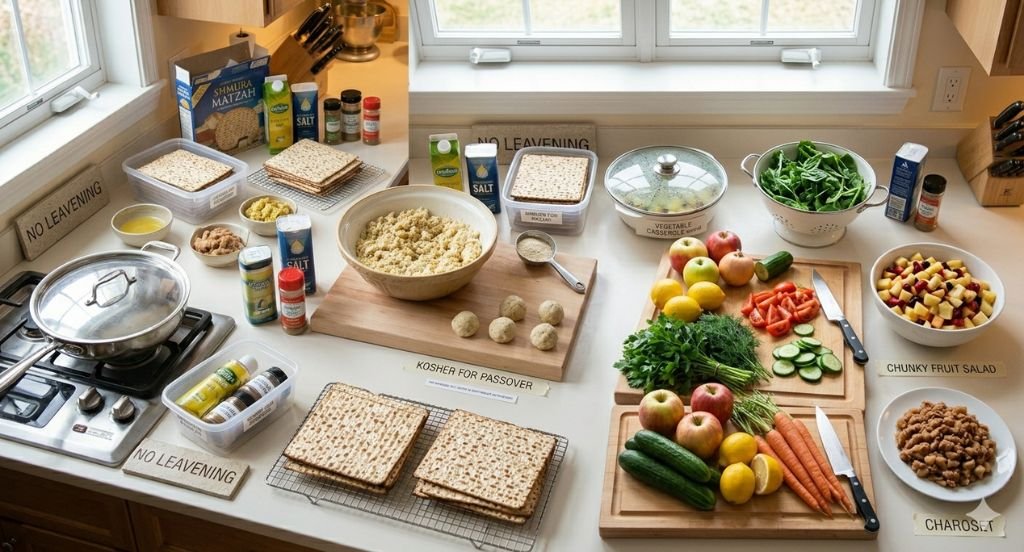
Preparing Pesach food at home takes planning, but the process becomes manageable with the right approach. First, start shopping at least two weeks before the holiday. Kosher for Passover products sell out quickly, so early shoppers get the best selection. Furthermore, make a full menu plan before you set foot in the store.
Next, prepare as much as possible in advance. Many traditional dishes taste even better the next day. For example, brisket and tzimmes develop deeper flavors when you reheat them. Therefore, cook these dishes one or two days ahead and free up your Seder day for family and ceremony.
Moreover, organize your kitchen in clear zones. Keep Passover dishes, pots, and utensils separate from everyday items. In addition, label your Passover-specific items so no one accidentally mixes them with chametz containers. As a result, cooking throughout the holiday feels smoother and less stressful.
Above all, involve the whole family in preparation. Children can help stir the charoset, set the Seder plate, or decorate the table. Furthermore, sharing cooking duties spreads the workload and creates meaningful memories. Finally, do not try to cook everything from scratch. Store-bought kosher for Passover items save time and still deliver a wonderful meal. Therefore, focus your energy on the dishes that matter most to your family and simplify the rest.
FAQs
Q1: What foods are not allowed during Pesach?
Any leavened grain product, known as chametz, including bread, pasta, and beer, is strictly forbidden during Pesach.
Q2: What is the most important Pesach food on the Seder plate?
Matzah is the most essential Pesach food and serves as the central symbol of the entire Passover holiday.
Q3: Can you eat rice during Pesach?
Ashkenazi Jews traditionally avoid rice during Pesach, though many Sephardic Jews and some modern communities permit it.
Q4: What desserts can you make with Pesach food rules?
Flourless chocolate cake, macaroons, and almond flour cookies are popular Pesach desserts that follow all Passover dietary laws.
Q5: Is quinoa allowed as Pesach food?
Yes, quinoa is widely accepted as a kosher for Passover grain alternative and appears on many modern Seder tables today.
Conclusion
Pesach food carries centuries of history, faith, and family tradition in every bite. From the symbolic Seder plate to the comforting matzah ball soup, each dish connects us to something greater than ourselves. Moreover, modern cooks now bring new energy to old traditions without losing what makes them meaningful. Therefore, whether you follow every rule strictly or adapt your menu for today’s lifestyle, the spirit of Passover lives on through the food you share. Above all, gather your family, set a beautiful table, and let the meal tell the story it has always told. Happy Passover.