
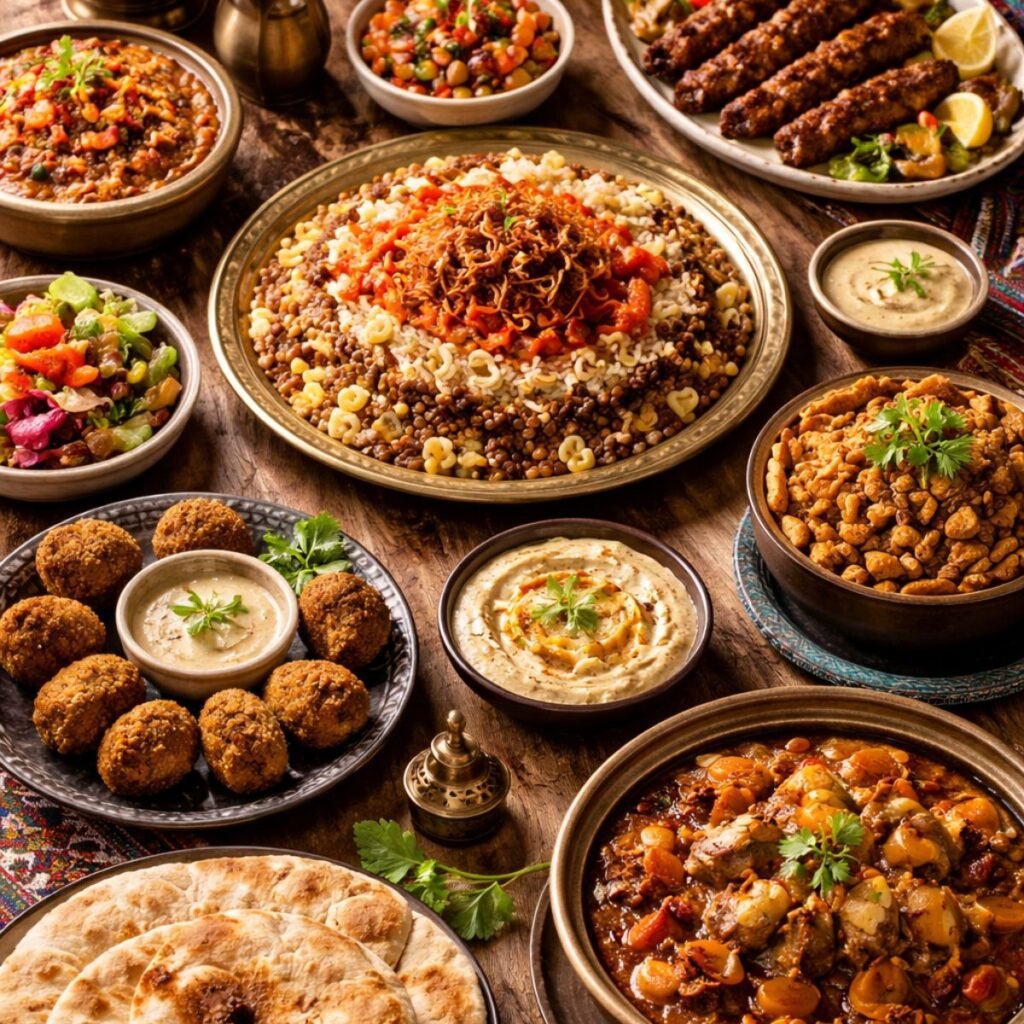
Egyptian food is one of the oldest and most fascinating cuisines in the world, deeply rooted in history, tradition, and rich cultural influences. From the banks of the Nile River to bustling urban markets, Egyptian food reflects a blend of flavors shaped by ancient civilizations, trade routes, and regional diversity. The cuisine is known for its simplicity, wholesome ingredients, and comforting taste, making it both unique and widely loved.
At the heart of Egyptian cuisine culture lies a strong connection to family, community, and hospitality. Meals are not just about eating; they are about sharing, bonding, and celebrating life. Whether it’s a hearty breakfast of beans, a fulfilling lunch of rice-based dishes, or a sweet dessert after dinner, food offers a complete culinary experience.
The History of Egyptian Food
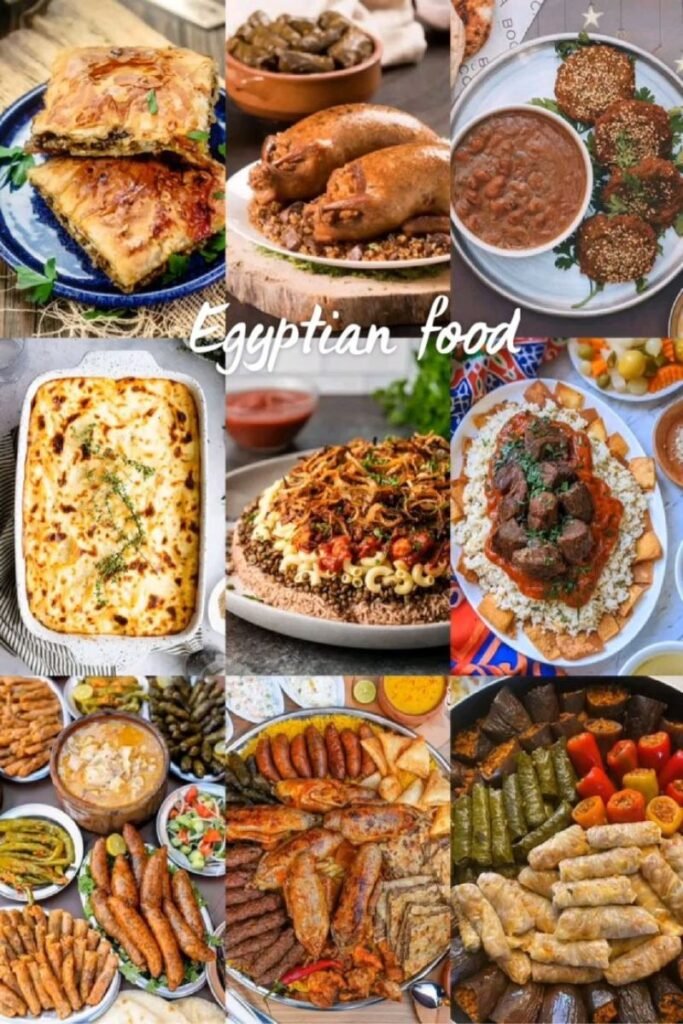
This dates back thousands of years to ancient times when agriculture flourished along the Nile River. Ancient Egyptians relied heavily on grains such as wheat and barley, along with vegetables like onions, garlic, and lentils. These ingredients continue to play a major role in modern food.
Over time, Egyptian cuisine culture evolved through influences from the Middle East, Mediterranean, Africa, and even Europe. Trade and conquests introduced new spices, cooking techniques, and ingredients, enriching the diversity of food.
Despite these influences, it has retained its authenticity, focusing on natural flavors and simple cooking methods.
Egyptian Cuisine Culture: A Way of Life
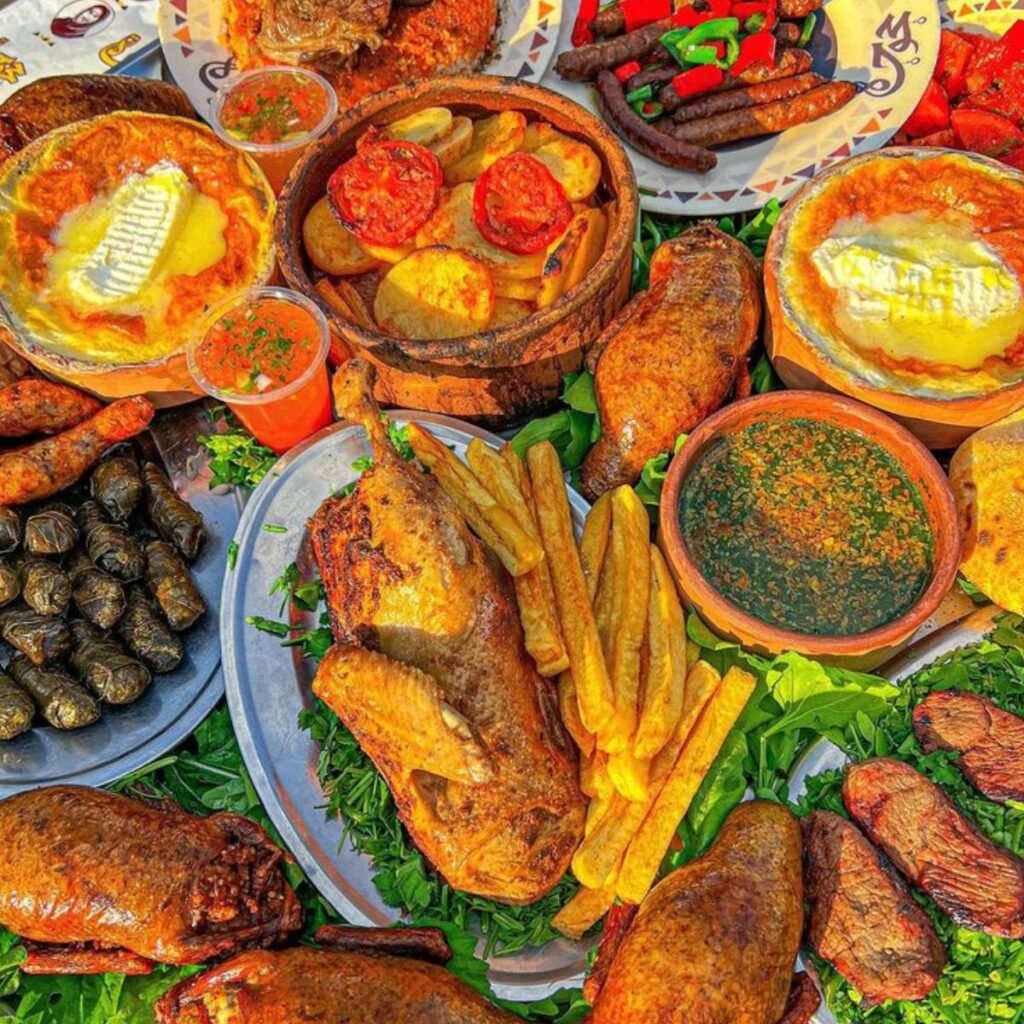
Egyptian cuisine culture is deeply tied to social and religious traditions. Food is often prepared with love and served generously, reflecting the country’s strong emphasis on hospitality.
Family and Community
Meals in Egypt are usually shared with family and friends. Large gatherings, especially during holidays and celebrations, feature a variety of dishes placed at the center of the table for everyone to enjoy.
Religious Influence
Religion plays a significant role in shaping Egyptian food habits. During Ramadan, for example, special dishes are prepared for iftar (the meal to break the fast), including soups, rice dishes, and desserts.
Street Food Culture
Street food is an essential part of Egyptian cuisine culture. Affordable, flavorful, and widely available, street food allows people to enjoy authentic Egyptian food on the go.
Popular Egyptian Food Dishes
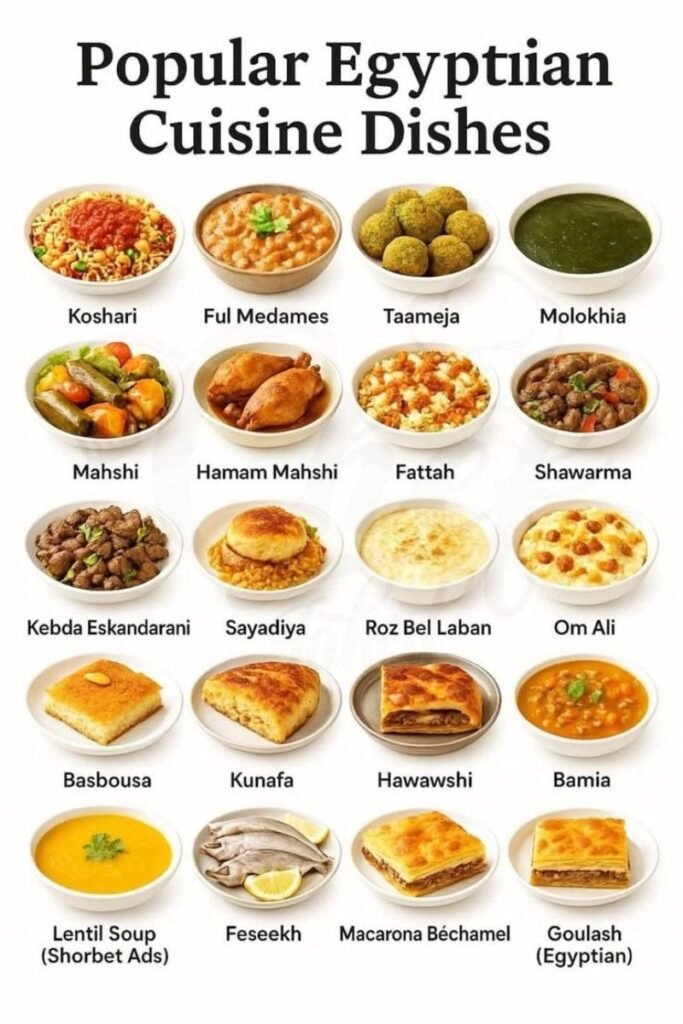
It offers a wide range of dishes that cater to different tastes and preferences. Here are some of the most popular ones:
1. Koshari
A national favorite, koshari is a mix of rice, lentils, pasta, and chickpeas, topped with tomato sauce and fried onions. It perfectly represents the richness of Egyptian cuisine culture.
2. Ful Medames
A staple breakfast dish made from slow-cooked fava beans, seasoned with olive oil, garlic, and lemon juice.
3. Ta’ameya (Egyptian Falafel)
Unlike other falafel varieties, Egyptian falafel is made with fava beans instead of chickpeas; as a result, it offers a unique taste and texture. Moreover, this difference gives it a softer interior and a richer flavor. In addition, it sets Egyptian falafel apart from other regional variations.
4. Molokhia
A green leafy soup served with rice or bread, often accompanied by chicken or rabbit.
5. Grilled Kofta and Kebabs
These are popular meat dishes seasoned with spices and grilled to perfection.
The Importance of Egyptian Rice Dishes
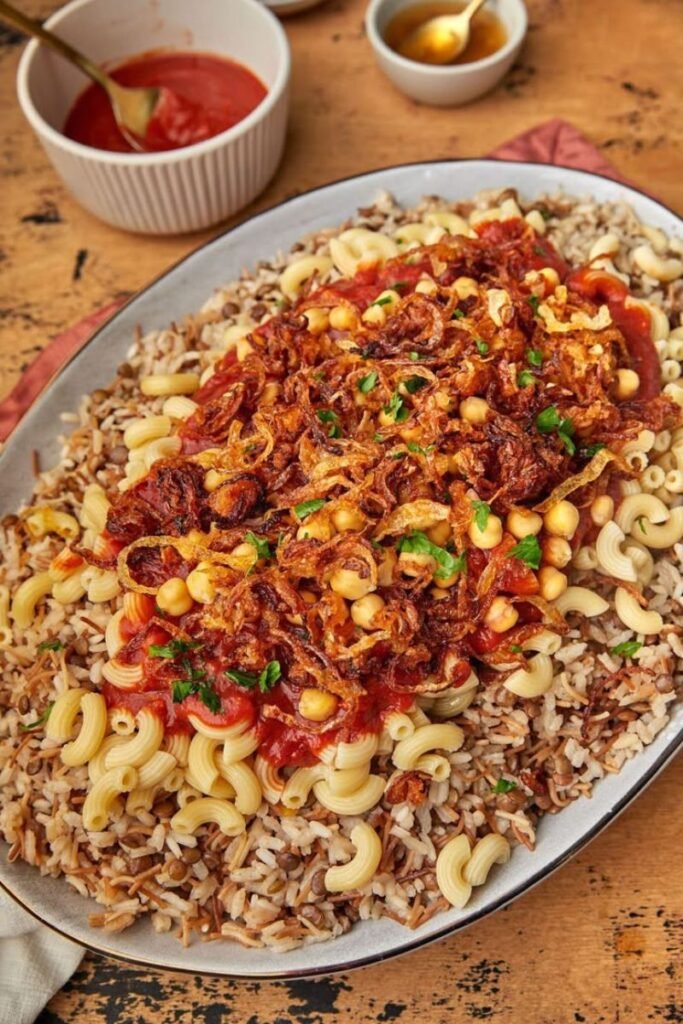
Egyptian rice dishes are a cornerstone of food. Rice is versatile, affordable, and widely used in daily meals.
Types of Egyptian Rice Dishes
1. Plain Egyptian Rice
Cooked with butter or oil, this simple dish is often served alongside meat or vegetable stews.
2. Sayadiya Rice
A flavorful seafood rice dish cooked with spices, onions, and fish stock.
3. Roz Bel Sha’riya
Rice cooked with vermicelli adds a nutty flavor and golden color.
4. Stuffed Vegetables with Rice
Vegetables like peppers, zucchini, and grape leaves are filled with seasoned rice mixtures.
Why Rice is Important
- Provides energy and nutrition
- Complements various dishes
- Easy to prepare and customize
- Affordable and widely available
Egyptian rice dishes are not just side dishes; they are often the main highlight of a meal.
Ingredients Used in Egyptian Food
It relies on fresh and simple ingredients that create rich flavors.
Common Ingredients:
- Rice
- Lentils
- Beans
- Garlic and onions
- Tomatoes
- Olive oil
- Fresh herbs
- Spices like cumin and coriander
These ingredients are the backbone of Egyptian cuisine culture and are used in both everyday meals and special dishes.
Cooking Techniques in Egyptian Cuisine
Egyptian food uses traditional cooking methods that enhance flavor while keeping dishes healthy. For example, many dishes are slow-cooked to preserve nutrients. As a result, the food remains both nutritious and rich in taste. Moreover, the use of fresh ingredients further supports a balanced and wholesome diet.
Popular Techniques:
- Slow cooking
- Grilling
- Baking
- Stewing
These methods help preserve the natural taste of ingredients and are widely practiced in Egyptian households.
Egyptian Desserts
No discussion of Egyptian food is complete without desserts.
Popular Egyptian Sweets:
- Basbousa (semolina cake)
- Kunafa (shredded pastry dessert)
- Rice pudding
These desserts are often enjoyed during celebrations and special occasions.
Egyptian Food and Health
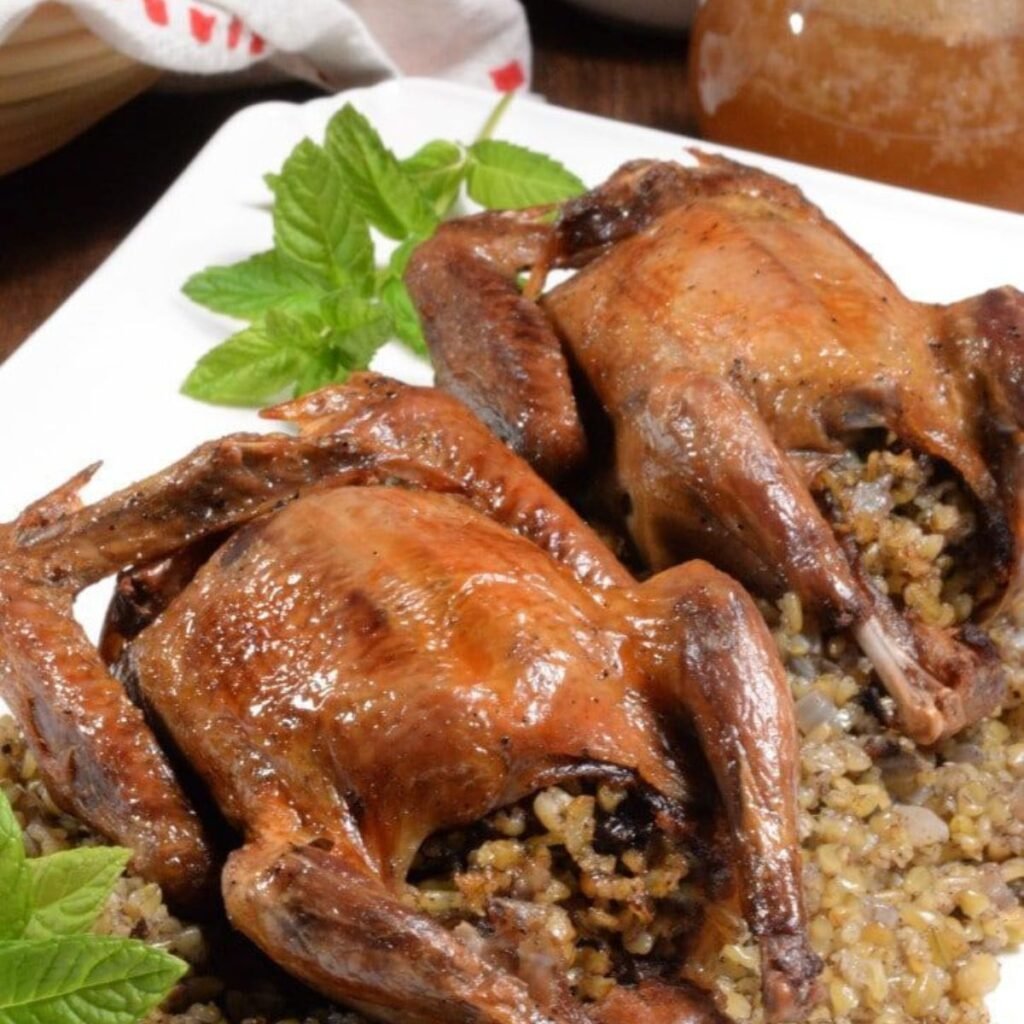
Egyptian food is generally considered healthy because it uses natural ingredients. Moreover, it offers balanced meals that provide essential nutrients. As a result, it supports overall well-being. In addition, the emphasis on vegetables, legumes, and whole grains makes it a nutritious dietary choice.
Health Benefits:
- High in fiber from beans and lentils
- Rich in vitamins from vegetables
- Moderate use of oils
- Balanced combination of carbs, proteins, and fats
Egyptian rice dishes, when paired with vegetables and proteins, not only provide a complete meal but also deliver balanced nutrition and essential nutrients. Furthermore, they are both satisfying and versatile. As a result, they are a popular choice for maintaining a healthy and well-rounded diet.
Egyptian Food Around the World
Restaurants serving Egyptian cuisine can now be found in many countries, introducing people to the richness of Egyptian cuisine culture.
FAQs About Egyptian Food
1. What is the most popular Egyptian food?
Koshari is considered the most popular Egyptian food, loved for its unique combination of ingredients and flavors.
2. What makes Egyptian cuisine culture unique?
Its deep historical roots, use of simple ingredients, and strong connection to family traditions make it unique.
3. Are Egyptian rice dishes healthy?
Yes, Egyptian rice dishes are healthy when prepared with balanced ingredients like vegetables, lean meats, and moderate oil.
4. Is Egyptian food vegetarian-friendly?
Yes, many Egyptian dishes like ful medames, koshari, and lentil soup are vegetarian.
5. What spices are commonly used in Egyptian food?
Common spices include cumin, coriander, garlic, and black pepper.
Conclusion
Egyptian food is a beautiful reflection of history, culture, and tradition. From ancient agricultural practices to modern-day street food, it continues to evolve while preserving its authentic identity. Over time, it has adapted to changing tastes and influences. However, it still maintains its traditional roots. As a result, it reflects both cultural heritage and modern innovation.Egyptian cuisine culture emphasizes sharing, hospitality, and the joy of eating together, making every meal a meaningful experience.
Among all its culinary treasures, Egyptian rice dishes stand out as a fundamental part of daily life. Their versatility, flavor, and nutritional value make them an essential component of Egyptian food.
Whether you are exploring Egyptian food for the first time or looking to deepen your understanding, this cuisine offers something for everyone. For instance, it features a wide variety of flavors and dishes to suit different tastes. Moreover, its rich history adds depth to every meal. As a result, it provides both a cultural and culinary experience.. Its rich flavors, wholesome ingredients, and cultural significance make it truly unforgettable.