
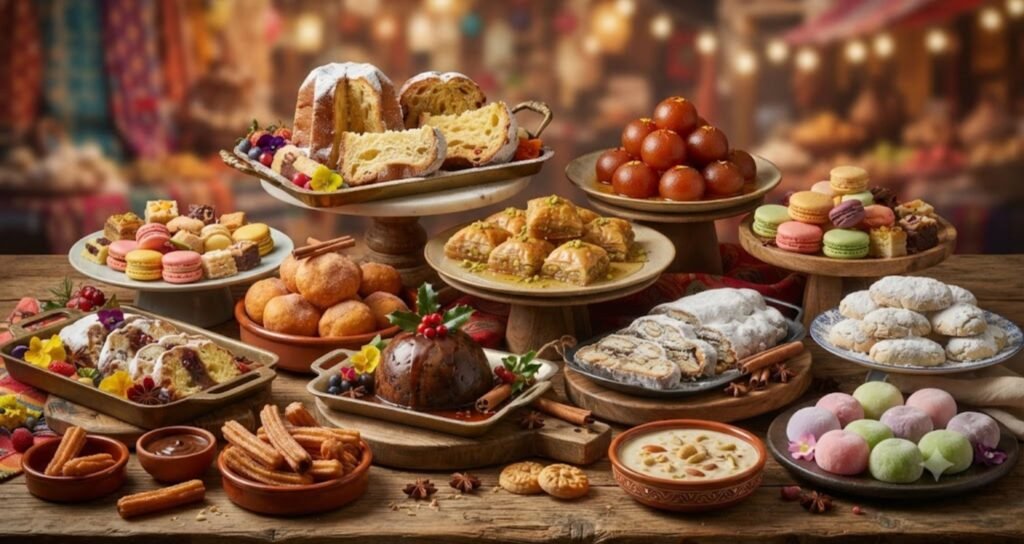
Every celebration has a flavor, and more often than not, that flavor is sweet. Famous festival desserts sit at the heart of holidays, religious observances, and cultural gatherings across the globe, connecting generations through shared recipes and cherished traditions. From flaky pastries to steamed cakes, these treats do far more than satisfy a sweet tooth.
In this guide, you’ll explore 25 famous festival desserts from around the world, learn what makes each one special, and discover the stories behind them. Along the way, you’ll also find tips for recreating these traditional sweets in your own kitchen. Whether you’re planning a themed celebration or simply love learning about world desserts, this article has something for everyone.
What Are Famous Festival Desserts?
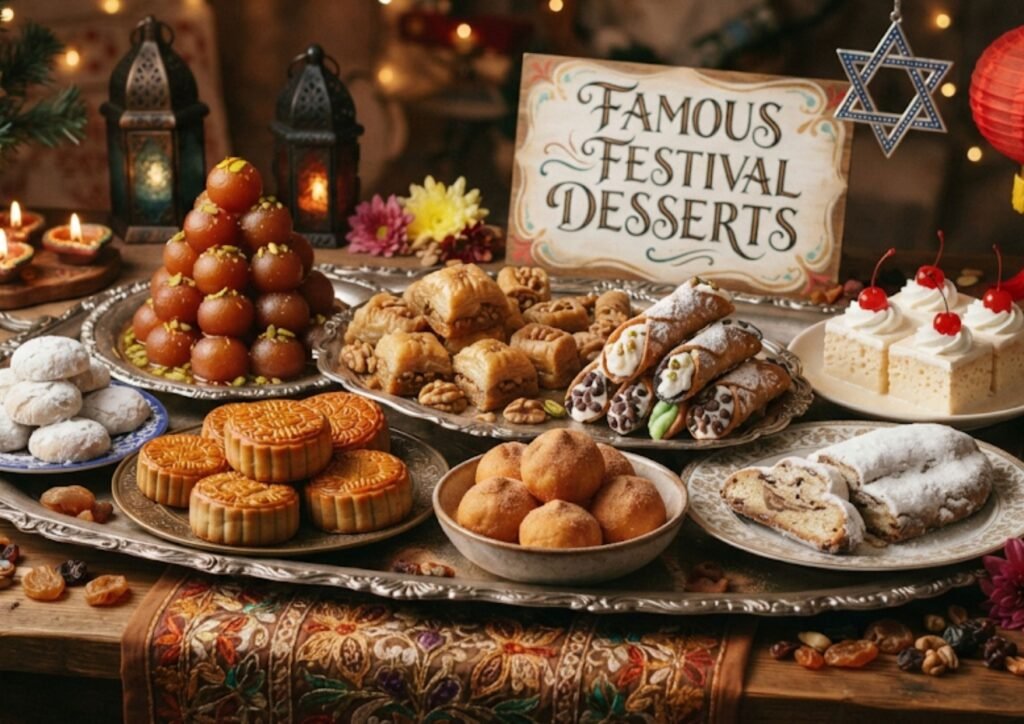
Famous festival desserts are sweet dishes tied specifically to holidays, religious events, or cultural milestones, often prepared only during certain times of the year. Unlike everyday treats, these desserts carry symbolic meaning, historical roots, and family traditions passed down for generations. As a result, they often taste like nostalgia as much as sugar and spice.
Many of these desserts also follow specific rituals in how they’re prepared or served. For instance, some are shared among family members, while others are given as gifts or offerings during religious ceremonies. Therefore, understanding festival desserts means understanding the customs and communities behind them.
Why Festival Desserts Are an Important Part of Cultural Celebrations
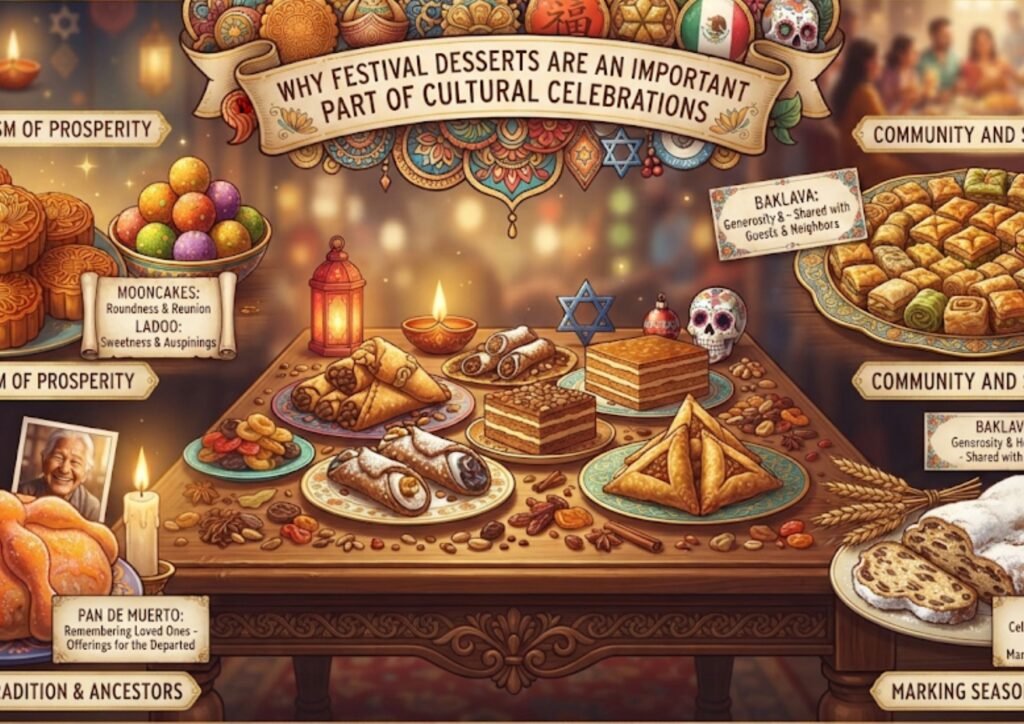
Festival desserts play a much bigger role than simply ending a meal on a sweet note. In many cultures, these dishes symbolize good luck, prosperity, unity, or spiritual devotion. Consequently, the act of preparing and sharing them becomes just as meaningful as eating them.
In addition, festival desserts often bring families together in the kitchen, with recipes passed down from grandparents to grandchildren. This shared preparation process strengthens family bonds and preserves cultural identity across generations. Because of this, traditional sweets often carry emotional weight far beyond their taste.
Finally, these desserts help mark the passage of time and the rhythm of the calendar year. Whether it’s a Lunar New Year cake or a Christmas pudding, sweet festival foods signal that something special is happening. As a result, they become inseparable from the celebrations themselves.
10 Famous Festival Desserts Around the World
Here’s a closer look at 25 famous festival desserts celebrated across different cultures and continents.
1. Mooncake Festival Desserts (China)
- Country of Origin: China
- Festival: Mid-Autumn Festival
- Main Ingredients: Lotus seed paste, red bean paste, salted egg yolk, pastry dough
- Flavor Profile: Sweet, dense, and slightly nutty
- Cultural Significance: Symbolizes family reunion and completeness, often shared under the full moon
- Fun Fact: Mooncakes were historically used to secretly pass messages during Chinese uprisings.
2. Gulab Jamun Festival Desserts (India)
- Country of Origin: India
- Festival: Diwali and other Hindu festivals
- Main Ingredients: Milk solids, sugar syrup, cardamom
- Flavor Profile: Rich, syrupy, and fragrant
- Cultural Significance: A staple sweet during celebrations, symbolizing joy and hospitality
- Fun Fact: Gulab jamun’s name comes from the Persian words for “rose” and “berry.”
3. Mochi Festival Desserts (Japan)
- Country of Origin: Japan
- Festival: New Year (Oshogatsu)
- Main Ingredients: Glutinous rice, water, sugar
- Flavor Profile: Chewy, mildly sweet
- Cultural Significance: Represents good fortune and is traditionally pounded during a ceremony called mochitsuki
- Fun Fact: Making mochi traditionally requires two people working in rhythm, one pounding and one turning the dough.
4. King Cake Festival Desserts (United States)
- Country of Origin: United States (Louisiana)
- Festival: Mardi Gras
- Main Ingredients: Brioche dough, cinnamon, colored sugar, icing
- Flavor Profile: Sweet, buttery, and slightly spiced
- Cultural Significance: A small plastic baby is hidden inside, and whoever finds it hosts the next celebration
- Fun Fact: King cake sales in New Orleans skyrocket every year leading up to Mardi Gras season.
5. Panettone Festival Desserts (Italy)
- Country of Origin: Italy
- Festival: Christmas
- Main Ingredients: Enriched dough, candied fruit, raisins
- Flavor Profile: Light, airy, and mildly sweet
- Cultural Significance: A must-have Christmas dessert across Italian households
- Fun Fact: Traditional panettone dough takes several days to properly rise and develop flavor.
6. Stollen Festival Desserts (Germany)
- Country of Origin: Germany
- Festival: Christmas
- Main Ingredients: Dried fruit, marzipan, powdered sugar, spices
- Flavor Profile: Dense, sweet, and richly spiced
- Cultural Significance: Shaped to resemble a swaddled infant, symbolizing the baby Jesus
- Fun Fact: The city of Dresden hosts an annual Stollen festival celebrating the dessert’s history.
7. Baklava Festival Desserts (Turkey)
- Country of Origin: Turkey
- Festival: Eid al-Fitr
- Main Ingredients: Phyllo dough, chopped nuts, honey syrup
- Flavor Profile: Crisp, sweet, and nutty
- Cultural Significance: A celebratory treat shared among family and neighbors during Eid
- Fun Fact: Making authentic baklava can require layering up to 40 sheets of phyllo dough.
8. Galette des Rois Festival Desserts (France)
- Country of Origin: France
- Festival: Epiphany
- Main Ingredients: Puff pastry, almond cream
- Flavor Profile: Buttery, flaky, and lightly sweet
- Cultural Significance: Contains a hidden charm, and whoever finds it becomes “king” or “queen” for the day
- Fun Fact: French bakeries sell millions of galettes des rois every January.
9. Buche de Noel (France)
- Country of Origin: France
- Festival: Christmas
- Main Ingredients: Sponge cake, chocolate ganache, buttercream
- Flavor Profile: Rich, chocolatey, and moist
- Cultural Significance: Shaped like a Yule log to represent an old winter tradition of burning a log for good luck
- Fun Fact: The dessert dates back to 19th-century France as bakeries began replacing the literal Yule log tradition.
10. Hot Cross Buns (United Kingdom)
- Country of Origin: United Kingdom
- Festival: Easter
- Main Ingredients: Sweet dough, dried fruit, mixed spices
- Flavor Profile: Soft, sweet, and spiced
- Cultural Significance: The cross on top symbolizes the crucifixion of Jesus
- Fun Fact: An old English superstition claims hot cross buns baked on Good Friday never spoil.
Famous Lunar New Year Desserts
Christmas brings some of the most iconic holiday desserts to tables worldwide. Panettone in Italy, stollen in Germany, buche de Noel in France, and Christmas pudding in the United Kingdom all showcase how differently the same holiday can be celebrated through food. Meanwhile, pavlova offers a lighter, fruit-forward alternative in the warmer climates of Australia and New Zealand.
These holiday desserts often share common threads, such as dried fruit, warming spices, and rich, buttery textures. However, each country has adapted the holiday sweet to match its own culinary traditions and available ingredients. As a result, Christmas remains one of the richest celebrations for exploring famous desserts around the world.
Famous Eid Festival Desserts
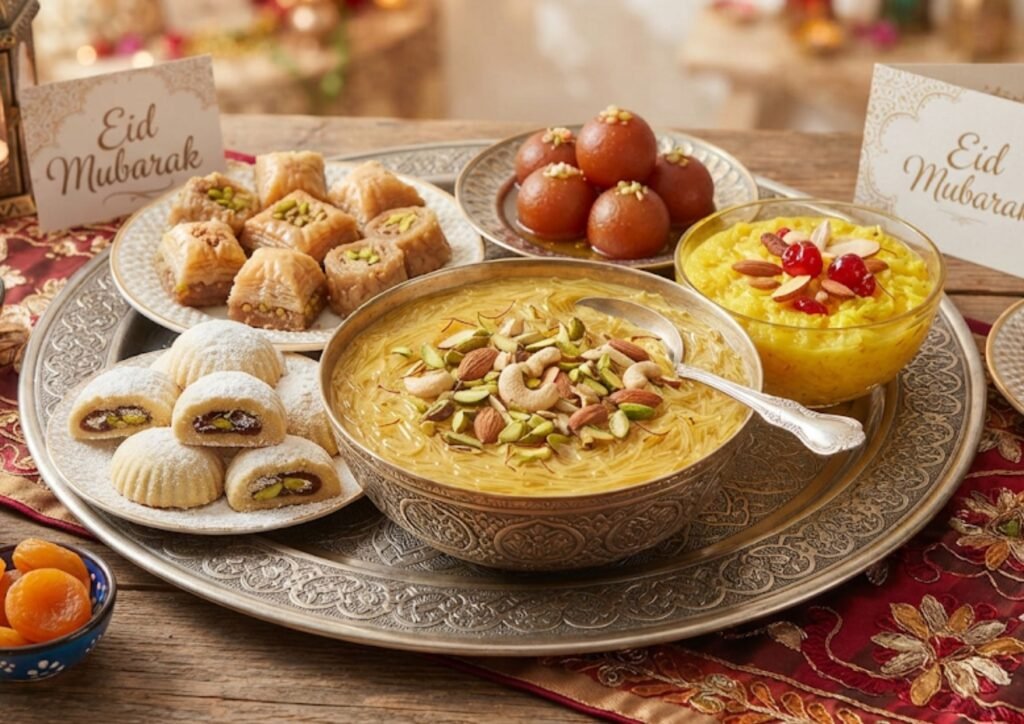
Eid al-Fitr, marking the end of Ramadan, is celebrated with an incredible array of sweet festival foods across the Muslim world. Baklava, with its crisp layers and honey syrup, remains one of the most iconic choices in Turkey and the broader Middle East. Similarly, maamoul cookies filled with dates or nuts are prepared in households throughout Lebanon, Syria, and neighboring countries.
These desserts are often made in large batches and shared generously with neighbors, family, and even strangers. Because Eid emphasizes community and gratitude, the desserts themselves become an expression of generosity. Consequently, Eid desserts are as much about giving as they are about eating.
Famous Lunar New Year Desserts
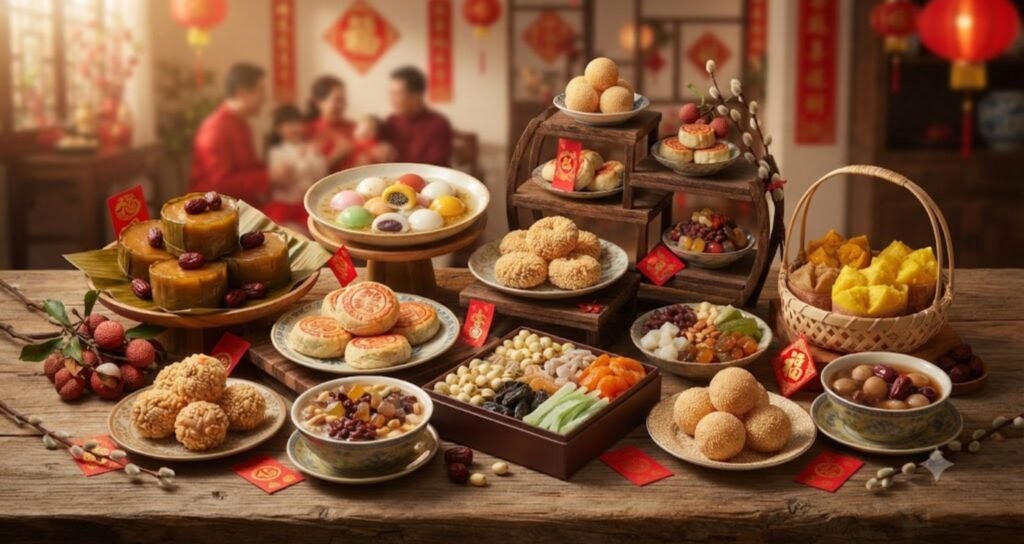
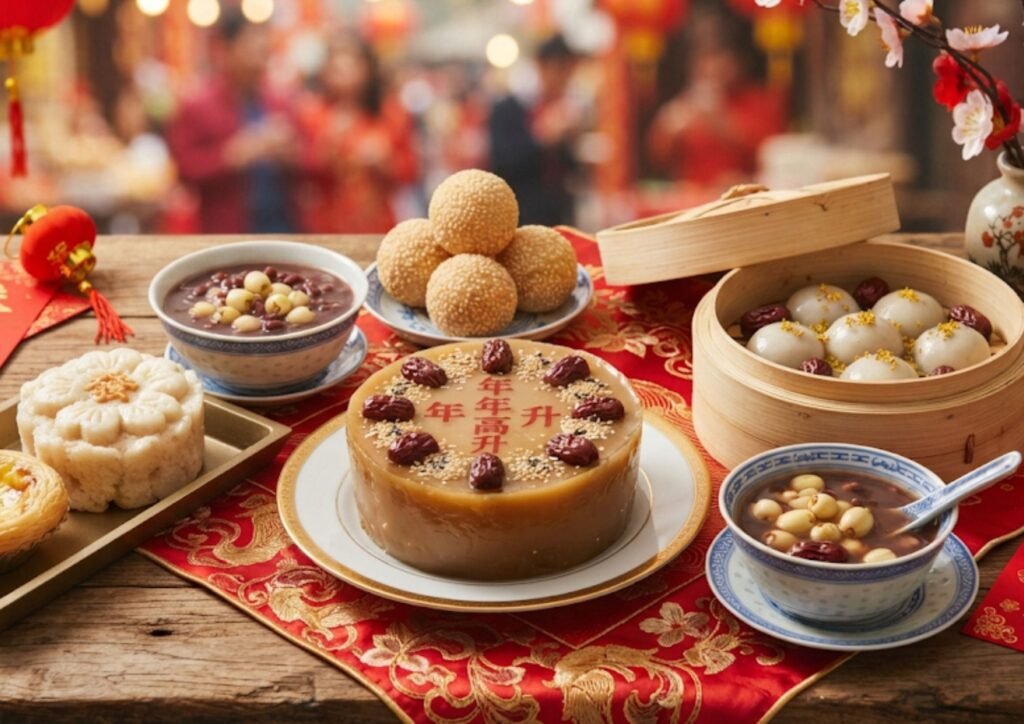
Lunar New Year celebrations across China and other East Asian countries feature desserts steeped in symbolism. Mochi, prepared through the traditional pounding ceremony in Japan, represents good fortune for the year ahead. Meanwhile, various rice cakes and sweet dumplings appear across Chinese New Year tables, each carrying its own meaning tied to prosperity or family unity.
These traditional festival desserts often use sticky rice as a base, symbolizing togetherness and connection among family members. In addition, many are round or cylindrical in shape, representing completeness and the cyclical nature of the new year. As a result, Lunar New Year desserts carry both delicious flavor and deep cultural meaning.
Traditional Wedding and Religious Festival Desserts
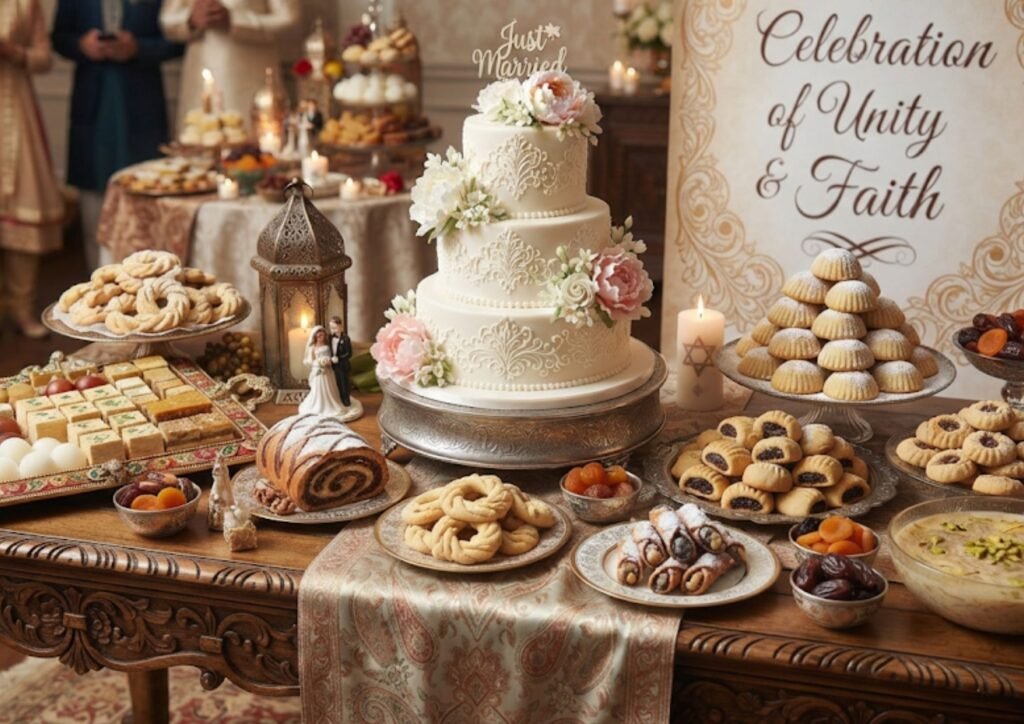
Beyond major holidays, many famous festival desserts appear specifically at weddings and religious ceremonies. Kransekake, for example, plays a central role at Norwegian weddings, stacked high as a striking centerpiece. Similarly, koulourakia often appears during Greek Orthodox Easter celebrations, connecting religious observance with cherished family recipes.
These desserts frequently symbolize blessings, unity, or new beginnings, making them essential elements of the ceremony itself. Therefore, they aren’t simply treats served at the end of a meal; they’re an integral part of the celebration’s meaning. This connection between food and faith highlights just how deeply desserts are woven into cultural identity worldwide.
Tips for Making Festival Desserts at Home

Recreating famous festival desserts in your own kitchen is easier than it might seem, as long as you keep a few key tips in mind.
Plan ahead for labor-intensive recipes. Desserts like baklava or panettone require time and patience, so starting a day or two early reduces stress.
Source authentic ingredients. Since flavor often depends on specific ingredients, such as cardamom or rice flour, seeking out specialty stores can make a real difference.
Follow traditional techniques closely. Many festival desserts rely on specific methods, like layering phyllo dough or pounding mochi, so following authentic steps helps preserve the intended texture.
Prepare components ahead of time. Elements like dulce de leche or almond cream can often be made a few days in advance to save time.
Don’t be afraid to ask for guidance. Reaching out to someone familiar with the dish’s cultural background can help you avoid common mistakes and honor the tradition properly.
Comparison Table: Famous Festival Desserts
| Dessert Name | Country | Festival | Main Ingredients | Sweetness Level |
|---|---|---|---|---|
| Mooncake | China | Mid-Autumn Festival | Lotus paste, egg yolk | Moderate |
| Gulab Jamun | India | Diwali | Milk solids, sugar syrup | High |
| Mochi | Japan | New Year | Glutinous rice, sugar | Mild |
| King Cake | United States | Mardi Gras | Brioche, cinnamon, icing | High |
| Panettone | Italy | Christmas | Dough, candied fruit | Moderate |
| Baklava | Turkey | Eid al-Fitr | Phyllo, nuts, honey | High |
| Sufganiyot | Israel | Hanukkah | Fried dough, jelly | High |
| Pavlova | Australia/New Zealand | Christmas | Meringue, cream, fruit | Moderate |
| Christmas Pudding | United Kingdom | Christmas | Dried fruit, suet, brandy | High |
| Alfajores | Argentina | National celebrations | Shortbread, dulce de leche | High |
FAQS
What is the most famous festival dessert in the world?
Baklava is widely recognized as one of the most famous festival desserts, celebrated across Turkey, Greece, and the broader Middle East.
Which countries have the best festival desserts?
India, Italy, Mexico, and Turkey are frequently praised for their rich variety of traditional festival desserts.
What dessert is traditionally eaten at Christmas?
Popular Christmas desserts include panettone, stollen, Christmas pudding, and buche de Noel.
What desserts are popular during Eid?
Baklava and maamoul are among the most popular desserts enjoyed during Eid celebrations.
What is a traditional Lunar New Year dessert?
Mochi and various sticky rice cakes are traditional desserts associated with Lunar New Year celebrations.
Conclusion
Famous festival desserts offer a delicious way to explore the world’s cultures, traditions, and celebrations, one bite at a time. From the honeyed layers of baklava to the festive symbolism of Christmas pudding, each dessert tells a story that goes far beyond its ingredients. As you’ve seen throughout this list, these traditional sweets carry meaning, history, and love passed down through generations.